How Technology Is Changing the Way We Exercise (2026 Guide)
Fitness watches, workout apps and smart gyms explained: what each does well, its limits, and how to build a simple tech-assisted routine for Indian life.

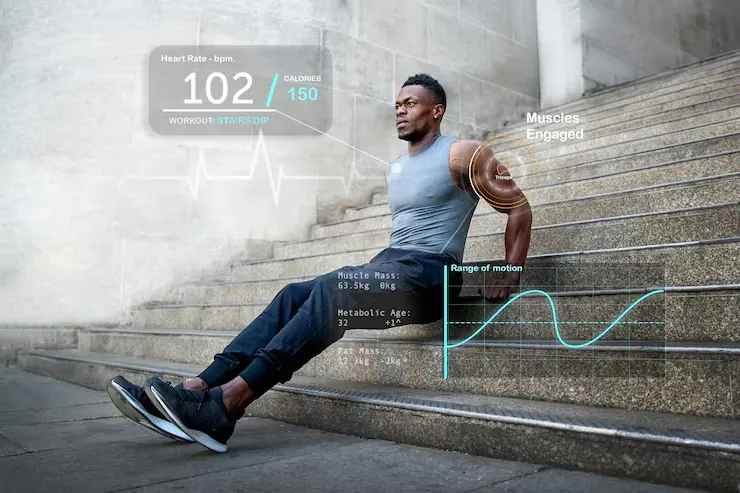
Technology is changing the way we exercise by measuring what used to be guesswork: your steps, heart rate, sleep and training load now show up on your wrist or phone in real time. Used well, fitness watches, workout apps and connected equipment help you train more consistently, recover better and stay motivated, but they work best as a guide, not a replacement for effort and common sense.
This guide explains which fitness technology is genuinely useful, which features you can safely ignore, and how to build a simple tech-assisted routine that suits Indian life, from humid morning walks to crowded gyms and small home workout spaces.
Quick summary: the fitness tech that actually helps
- Fitness watches and bands track steps, heart rate and sleep, and nudge you to move when you have been sitting too long.
- Workout apps give you structured plans and video guidance, so you always know what to do next.
- GPS running and cycling apps log your routes, pace and distance, which makes progress easy to see.
- Health-monitoring wearables give a fuller picture of resting heart rate and recovery, useful for spotting trends.
- Smart equipment and VR fitness make workouts more engaging, though they are optional extras rather than essentials.
Fitness technology compared
| Type | Examples | Best for | Cost level |
|---|---|---|---|
| Fitness bands | Xiaomi Smart Band, Fitbit Inspire | Beginners who want steps, sleep and reminders | Budget |
| Smartwatches | Noise, boAt, Amazfit, Samsung Galaxy Watch, Apple Watch | Everyday tracking plus notifications | Budget to premium |
| Sports watches | Garmin Forerunner range | Runners, cyclists, serious training | Mid-range to premium |
| Workout apps | Nike Training Club, Freeletics, Cult.fit | Guided home and gym workouts | Free to subscription |
| Tracking apps | Strava, Google Fit, HealthifyMe | Logging activity, routes and food | Free to subscription |
| Smart gym and VR | Connected bikes and treadmills, VR headsets | People who get bored easily | Premium |
Fitness watches and trackers: your workout buddy
Watches from Apple, Fitbit and Garmin, along with Indian-market favourites like Noise and boAt, track your steps, heart rate, sleep and, on many models, stress levels. The real value is not any single number. It is seeing your week at a glance and noticing patterns, such as fewer steps on work-from-home days or shorter sleep before early meetings.
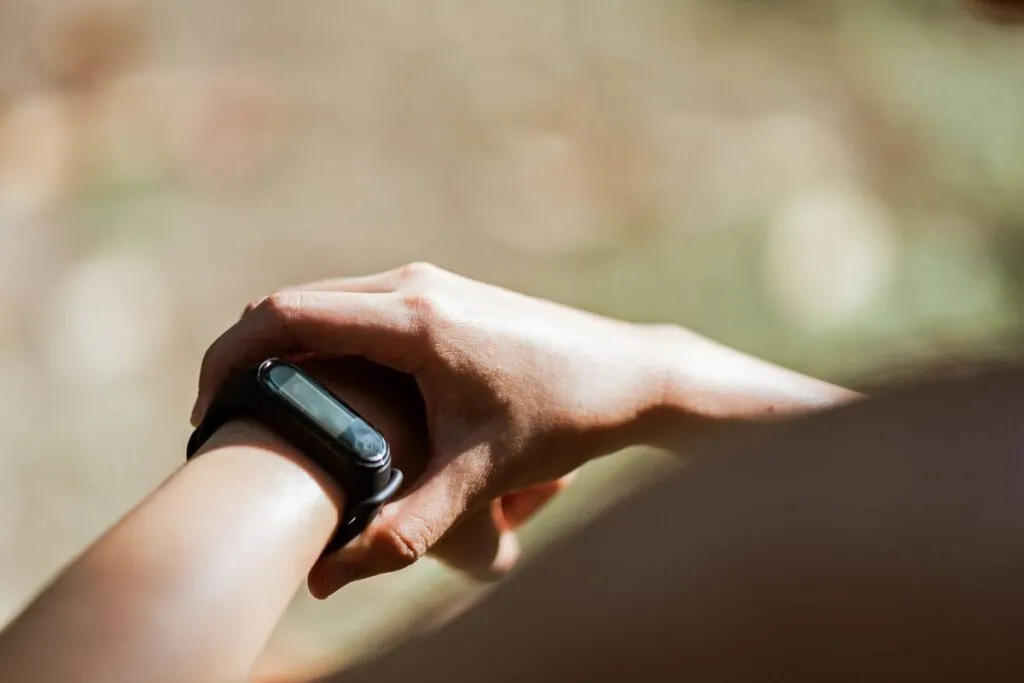
Most trackers also send gentle reminders to stand up, move or drink water. For desk workers, these small nudges add up to a lot more daily movement without needing extra gym time.
Who it suits
A basic band suits anyone starting out who mainly wants step counts and sleep data. A full smartwatch suits people who also want phone notifications and app support. A dedicated sports watch makes sense once you train for runs, rides or races and need accurate GPS and training-load data.
Pros and cons
- Pro: makes daily activity visible and easy to improve.
- Pro: sleep and resting heart rate trends help you judge recovery.
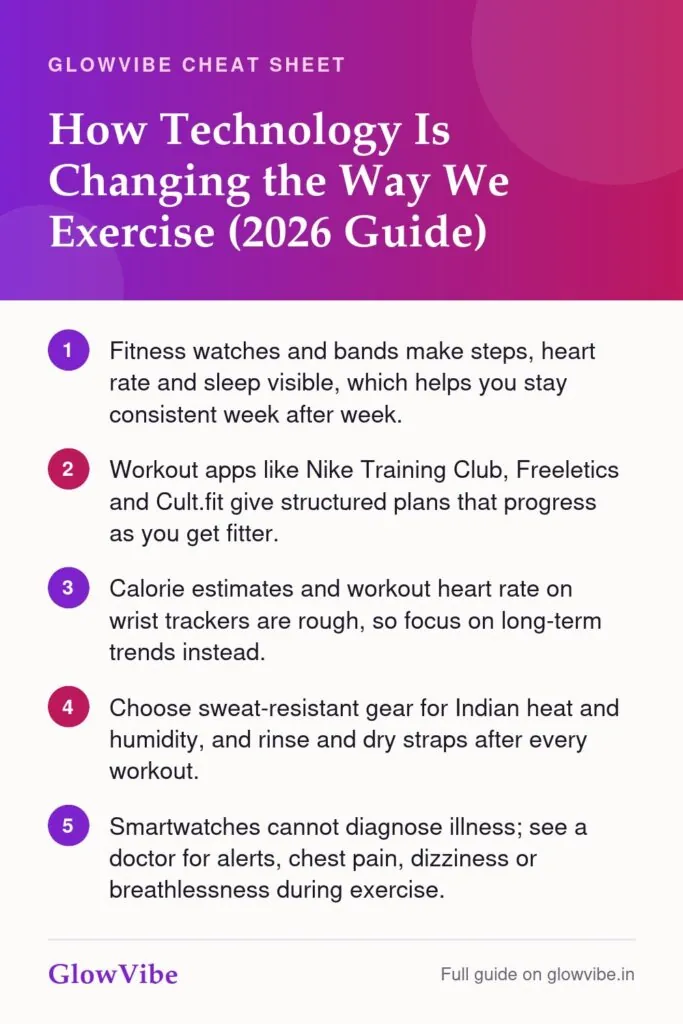
- Con: calorie burn estimates are rough and often overstated.
- Con: wrist heart rate can lag during weights or HIIT, so treat it as a guide.
Smart workout apps: exercise planned for you
Apps such as Nike Training Club and Freeletics offer workout plans matched to your fitness level and goals, with video demonstrations for each move. In India, Cult.fit adds live and recorded classes, from strength to dance and yoga, which helps if you prefer following an instructor.

Many apps adjust the plan as you log sessions, making workouts harder as you get stronger. That built-in progression is the main reason apps help people stick with exercise: you never have to wonder what to do on a Tuesday evening.
If you would rather not pay for a subscription, our free workout plans give you the same kind of structure, and a core exercise routine at home pairs well with any app.
Pros and cons
- Pro: clear structure and progression, even with no equipment.
- Pro: videos help you learn the right form.
- Con: an app cannot see your form or know about old injuries.
- Con: the best features often sit behind a paid plan.
GPS and activity tracking apps
Strava, Google Fit and the companion apps of most watches record your walks, runs and rides with GPS. Seeing your pace drop over the same 3 km route is one of the most motivating things fitness technology offers.
These apps are a natural fit for a structured plan like our 6-week walk-jog interval training plan, where timing each interval matters. Food-logging apps like HealthifyMe add the nutrition side if weight management is your goal.
Monitoring your health from home
Wearables now record resting heart rate, sleep stages and, on some models, blood oxygen and heart rhythm alerts. Clinical-grade wearable patches, such as the BioSticker, are used in medical settings to monitor signs like temperature, breathing rate and heart rate continuously.
For everyday users, the useful part is the trend. A resting heart rate that stays higher than usual for several days can mean you are under-recovered, stressed or getting ill, which is a good signal to take an easy day.
Keep in mind that consumer watches are not medical devices for diagnosis. If your watch flags an irregular rhythm, or you notice chest pain, dizziness or breathlessness during exercise, stop and see a doctor rather than relying on the app.
High-tech gyms and virtual workouts
Modern gym machines and connected treadmills or bikes can display your output, store your sessions and stream guided classes. Some systems use sensors or cameras to give feedback on posture and range of motion.
Virtual reality fitness, such as boxing or rhythm games on a VR headset, turns cardio into play while still raising your heart rate. It is a fun option for people who find regular cardio exercise equipment boring, but it is a premium extra, not a requirement for getting fit.
How to choose the right fitness tech
- Start with your goal. More daily movement needs only a band; training for a 10K needs good GPS.
- Check phone compatibility. Apple Watch works only with iPhone; most other brands work with Android and iOS.
- Think about Indian weather. In heat and humidity you will sweat a lot, so choose a water-resistant device with a soft SiliconesIngredients like dimethicone that coat hair (and skin) for slip, shine and frizz control. Heavier ones can build up and need a clarifying wash.See glossaryRead the guide or sports strap, and rinse and dry it after workouts to avoid skin irritation.
- Look at battery life. Longer battery means you will actually wear it at night for sleep tracking.
- Try free apps first. Use a free app for a month before paying for a premium subscription.
- Consider offline options. If your internet is patchy, pick apps that let you download workouts, or simply use a printed plan.
A simple tech-assisted weekly routine
- Set a realistic step goal. Check your average for one week, then aim for about 1,000 steps a day more.
- Schedule three app workouts. Pick two strength sessions and one cardio or HIIT workout each week.
- Log one longer walk or run. Track it with GPS and repeat the same route to compare progress.
- Use sleep data. Aim for consistent bedtimes and take an easier day after a poor night.
- Review weekly, not hourly. Spend five minutes on Sunday looking at trends and setting next week’s plan.
For more on building habits that last, see our guide to mastering your fitness routine.
Common mistakes with fitness technology
- Chasing calorie numbers. Watch calorie estimates are approximate, so do not “eat back” every calorie your tracker shows.
- Ignoring how you feel. If your body says rest but your streak says train, listen to your body.
- Buying gear instead of moving. An expensive watch will not help if a free app and a daily walk would do.
- Skipping warm-ups because the app did. Always add a few minutes of easy movement before intense sessions.
- Comparing yourself to others. Leaderboards are fun, but your only fair comparison is your own past data.
Challenges we still face
Not everyone has a smartphone, reliable internet or the budget for wearables, especially in smaller towns and villages. Fitness technology helps most when it adds to simple, accessible options like community parks, open gyms and group walks, not when it replaces them.
Data privacy is another concern. Health data is personal, so review app permissions, turn off location sharing you do not need, and read what a service does with your information before signing up.
Frequently Asked Questions
Smartwatches track your steps, heart rate, workouts and sleep, and remind you to move when you have been sitting too long. Seeing your activity trends over weeks makes it easier to stay consistent and notice when you need more rest.
Step counts and resting heart rate are usually reasonably accurate for everyday use. Calorie burn and heart rate during weights or fast intervals are less reliable, so treat them as rough estimates and focus on trends over time.
Yes. Walking, home workouts, yoga and bodyweight training work perfectly well without any gadget. Technology simply makes it easier to plan, track and stay motivated, as our look at the benefits of exercise shows the movement itself is what counts.
Yes, most apps offer beginner plans with video demonstrations and gradual progression. Start with short sessions, learn the form slowly, and if you have an injury or health condition, check with a doctor or physiotherapist first.
VR fitness uses a virtual reality headset to turn exercise into a game, such as boxing, rhythm or cycling experiences. It raises your heart rate like regular cardio and suits people who find standard workouts dull, though the headset is a premium purchase.
A budget band or smartwatch from brands like Xiaomi, Noise, boAt or Amazfit covers steps, sleep and heart rate well for most beginners. Move up to Garmin, Samsung or Apple only when you need accurate GPS or advanced training features.
Some watches can alert you to unusual heart rate or rhythm patterns, but they cannot diagnose a condition. Treat any alert as a reason to see a doctor, and never ignore symptoms just because your watch shows normal readings.
The bottom line
Technology is making exercise smarter, more personal and more fun, from a budget band that gets you walking more to an app that plans every session. Pick one or two tools that match your goal, review your data weekly, and let it support, not replace, the habit of simply moving every day.