Jawline Exercise for Men: What Works and What Doesn’t (2026)
Do jawline exercises work? An honest guide for men: a safe neck routine, mewing and jaw trainer facts, TMJ warnings, and what really defines a jaw.


Jawline exercises for men can strengthen the jaw and neck muscles and help with posture, but they cannot change your bone structure, and good evidence that they visibly sharpen the jawline is thin. What actually makes a jaw look more defined is lower body fat, better neck posture, a well-shaped beard and simple grooming, with clinic procedures as an option for some people.
This guide tells you honestly what works, what doesn’t, and what to avoid. You’ll get a short, safe home routine, the truth about mewing and jaw trainers, and a plain look at clinic procedures.
Quick answer: what really sharpens a jawline
- Lose overall body fat if you carry extra weight. This is the single biggest factor you can change, and it shows on the face and under the chin.
- Fix forward-head posture. Pushing your head forward over a phone or laptop softens the angle between jaw and neck.
- Shape your beard with a clean neckline and fuller sides along the jaw. It is the fastest visual change available.
- Do jaw and neck exercises for muscle strength and posture, but treat any change in looks as a bonus, not a promise.
- Skip hard chewing devices if you have any jaw pain or clicking. They can strain the jaw joint (TMJ).
- Consider procedures only after advice from a qualified dermatologist or plastic surgeon.
Jawline methods compared
| Method | Evidence it changes looks | Effort / cost | Main caution |
|---|---|---|---|
| Fat loss (diet + exercise) | Strong, if you have fat to lose | High effort, low cost | Crash diets backfire; aim for slow, steady loss |
| Posture correction (chin tucks) | Moderate for how the profile looks | Low effort, free | Move gently; stop if neck pain increases |
| Beard styling and grooming | Immediate visual change | Low to medium | Razor bumps; use a sharp blade and moisturiser |
| Jaw and face exercises | Weak; few good studies | Low effort, free | Overdoing it can tire the jaw muscles |
| Mewing (tongue posture) | Very weak for adults | Free | Don’t clench teeth or force the jaw |
| Jaw trainers / hard chewing gum | Weak | Budget | Risk of TMJ pain, headaches, tooth wear |
| Fillers, Botox, thread lifts | Visible, but temporary | Premium, repeat sessions | Only with a qualified dermatologist or plastic surgeon |
What decides how defined your jawline looks
Your jawline is mostly bone. The width of the lower jaw (mandible), the length and projection of your chin, and the angle at the back of the jaw are set by genetics and growth during your teens. No exercise reshapes adult bone.
On top of the bone sit muscle, fat and skin. The masseter (your main chewing muscle) adds width at the back of the jaw. Fat under the chin and along the lower face blurs the edge. Skin loses firmness with age and sun exposure. Posture changes how all of this sits on your neck.
Some factors are out of your hands, like a naturally small chin or an overbite. If a recessed chin or bite problem bothers you, an orthodontist or maxillofacial surgeon is the right person to assess it, not a workout video.
Do jawline exercises actually work?
Here is the honest answer: the research on facial exercises is small and mixed. A few small studies have looked at facial exercise for appearance, mostly in middle-aged women, and they are too limited to tell you whether jaw exercises will visibly sharpen a man’s jawline. There is no good evidence that they “spot reduce” fat under the chin, because the body doesn’t burn fat from the area you exercise.
That doesn’t make them useless. Neck exercises like chin tucks and neck curl-ups build strength and help you hold your head in a better position, which genuinely changes how your profile looks in photos. Just keep expectations realistic, and be wary of anyone promising a “chiselled jaw in 30 days”.
A safe jawline and neck routine (10 minutes)
These moves focus on the neck and posture muscles, with only light jaw work. Do them 4 to 5 days a week. Move slowly, breathe normally and stop if anything hurts, clicks painfully or locks.

1. Chin tucks
Sit or stand tall. Without tilting your head down, glide your chin straight back as if making a double chin, hold for 5 seconds, then relax. Do 10 to 15 reps. This is the most useful move here because it trains the deep neck muscles that counter “tech neck”.
2. Neck curl-ups
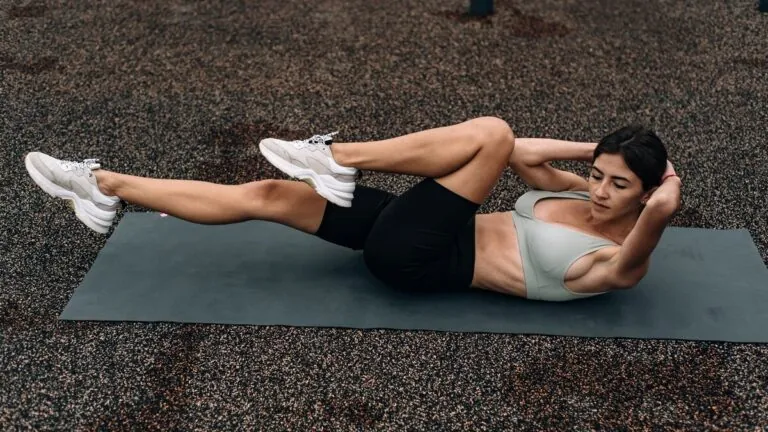
Lie on your back with knees bent. Tuck your chin slightly, then lift only your head a few centimetres off the floor, as if looking towards your chest. Hold for 2 to 3 seconds and lower. Start with 8 to 10 reps; skip this if you have a neck injury or disc problem.
3. Chin lift (jaw jut)
Sitting upright, tilt your head back gently to look at the ceiling. Push your lower jaw slightly forward until you feel a stretch under the chin, hold for 10 seconds, and relax. Do 5 to 8 reps without forcing the jaw.
4. Vowel sounds
Say “O” and then “E” slowly, exaggerating the mouth shape each time. Do 10 to 15 rounds; it is gentle on the jaw joint.
5. Platysma stretch
The platysma is the thin muscle sheet at the front of your neck. Place your fingertips just below your collarbones, gently draw your lower lip down and tilt your head back slightly until you feel a stretch. Hold for 10 to 15 seconds and repeat 3 to 5 times.
6. Shoulder blade squeeze
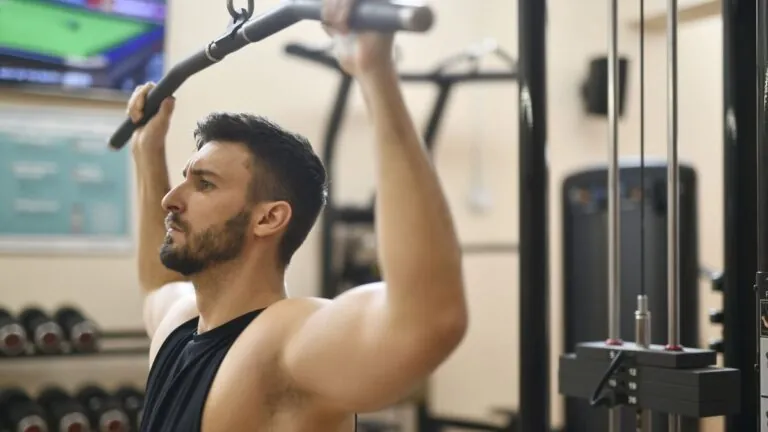
Pull your shoulders back and down, squeeze the shoulder blades together and lift your chest slightly. Hold for 5 seconds and repeat 10 times. Strong upper-back muscles keep your head stacked over your shoulders; pair this with proper back exercises at the gym for best results.
Mewing: what it is and what the evidence says
Mewing means resting your whole tongue flat against the roof of your mouth, with lips closed and teeth lightly together or slightly apart.
There is no good scientific evidence that mewing changes the jaw shape of adults. Bone growth in the face is largely finished after the teens, and the impressive “before and after” photos online usually differ in lighting, angle, head tilt or body weight. Holding your tongue up can make you lift your chin and straighten your neck, which may explain why some people feel it helps.
Resting your tongue on the palate is harmless for most people. Don’t clench your teeth, push hard with the tongue or hold tension all day. If you notice jaw ache, headaches or tooth sensitivity, stop.
Jaw trainers and hard chewing gum: a TMJ warning
SiliconesIngredients like dimethicone that coat hair (and skin) for slip, shine and frizz control. Heavier ones can build up and need a clarifying wash.See glossaryRead the guide jaw trainers and extra-hard “jawline gum” ask you to chew against resistance for long stretches. They can make the masseter muscle bigger, which may widen the back of the jaw, but there is little evidence they give a sharper outline.
The bigger concern is the temporomandibular joint (TMJ), the hinge in front of each ear. Repeated heavy chewing can overload this joint and the muscles around it. Watch for these signs and stop if you notice them:
- Pain or tenderness in front of the ear or along the jaw
- Clicking, popping or grating when you open your mouth
- Difficulty opening wide, or the jaw locking
- Headaches, earache or tooth sensitivity after chewing
If you grind your teeth at night, already have jaw clicking, or wear braces, skip these devices altogether. See a dentist if jaw pain lasts more than a week or two.
What actually changes jawline definition
Lower your body fat
If you carry extra weight, losing body fat is what most often reveals a jawline. You can’t choose where fat comes off first, so focus on overall fat loss: a modest calorie deficit, enough protein, strength training and daily walking. Our guides to the best exercises for weight loss and protein-rich foods for weight loss are a good place to start.
Salty food, alcohol and poor sleep can also make the face look puffy for a day or two.
Fix your posture
Try this in a mirror: let your head drift forward, then pull it back over your shoulders. The jaw-neck angle looks sharper in the second position straight away. Raise your phone and laptop screen to eye level, do chin tucks through the day, and build your upper back and shoulders.
Style your beard for your jaw
A beard is the quickest way to create the look of a stronger jaw. Keep the sides slightly fuller along the jawbone, and trim the cheek line neatly. The neckline matters most: set it about one to two fingers above your Adam’s apple and shave everything below, so the beard follows the jaw instead of hanging into the neck.
If your beard is patchy, a short stubble with a clean neckline still sharpens the outline. Men with a softer chin can keep a little more length at the chin to add projection.
Groom skin and hair
Clear, even skin makes facial edges look crisper. A simple cleanser, moisturiser and daily sunscreen routine helps; see our guide to face skincare for men. Your haircut matters too: a bit of volume on top with shorter sides balances a round face, which makes the jaw look stronger.
Cosmetic procedures for the jawline
Several clinic treatments can change the look of the jaw. They are medical procedures with real risks, so the right first step is a consultation with a qualified dermatologist or plastic surgeon, not a salon.
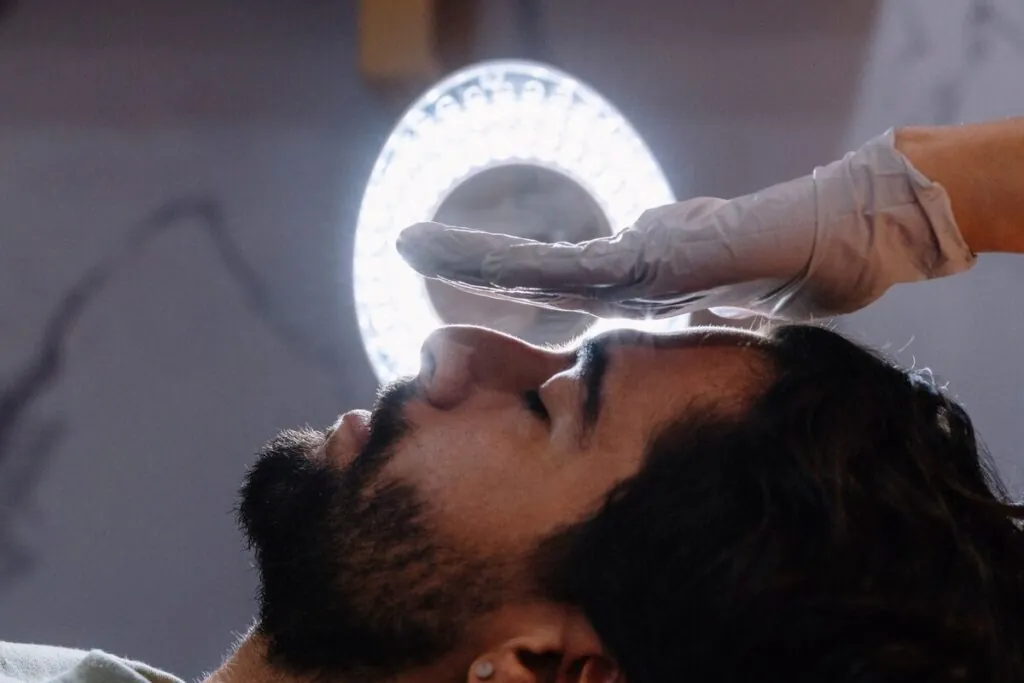
- Dermal fillers: Usually Hyaluronic acidA humectant that holds water in the skin for a plump, hydrated look. Despite the name, it is not an exfoliating acid. Apply on damp skin.See glossaryRead the guide gel injected along the jaw or chin to add shape and projection. Effects are temporary and need repeat sessions. Swelling and bruising are common; rarer complications are why an experienced injector matters.
- Botox (botulinum toxin) for the masseter: Relaxes an enlarged chewing muscle to slim a wide, square lower face. It doesn’t add definition; it reduces bulk. Effects wear off over months.
- Thread lifts: Dissolvable threads placed under the skin to lift sagging tissue along the jaw. Best suited to mild laxity, and results are temporary.
- Surgical options: Neck liposuction, neck lift, chin implants and fat grafting are surgeries with longer recovery. They are discussed only with a plastic surgeon after a full assessment.
Ask the doctor about their qualifications, the product used, expected results, side effects and what happens if something goes wrong.
A simple weekly plan
- Daily: Chin tucks (two or three short sets), screen at eye level, 7 to 8 hours of sleep, enough water.
- 4 to 5 days a week: The 10-minute jaw and neck routine above.
- 3 days a week: Full-body strength training, plus 7,000 to 10,000 steps most days if you are working on fat loss.
- Every few days: Tidy the beard neckline and cheek line.
- Every month: Take a side-profile photo in the same light and posture to track progress honestly.
Common mistakes to avoid
- Expecting exercises to burn chin fat. Spot reduction doesn’t work; overall fat loss does.
- Chewing hard gum or trainers for hours. This invites TMJ pain and can widen the jaw rather than define it.
- Clenching while mewing. Keep the tongue resting, the teeth relaxed.
- Judging progress from flattering photos. Angle and lighting change a jawline more than a month of exercises.
- Crash dieting. Rapid loss is hard to keep and can leave you tired and low on muscle.
- Choosing a clinic on price alone. Injectables need a qualified doctor.
Frequently Asked Questions
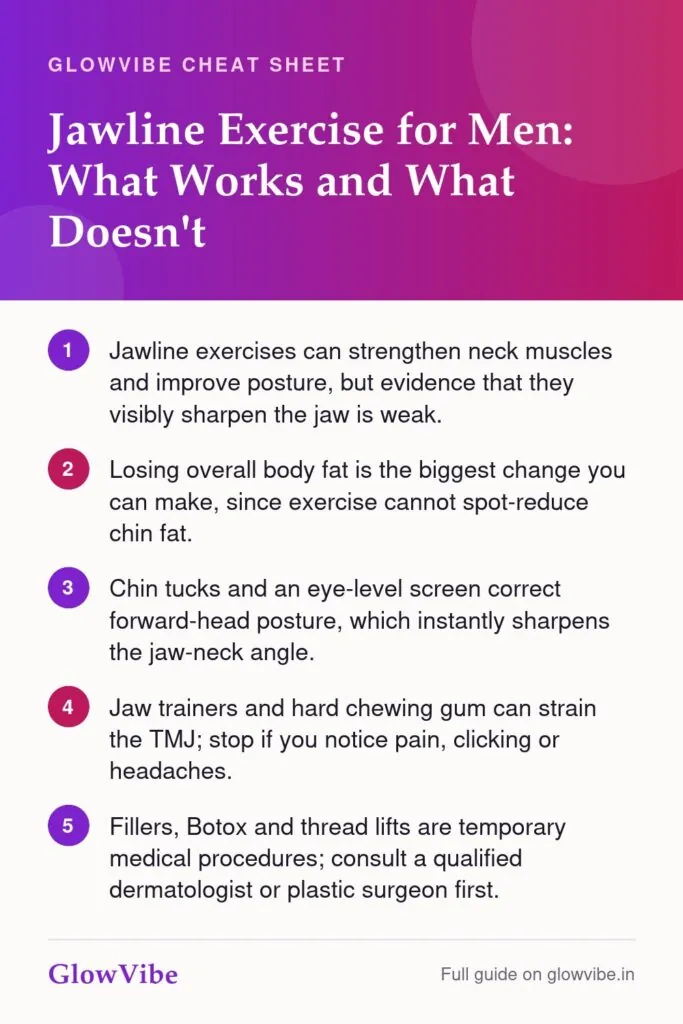
They can strengthen the neck and jaw muscles and improve posture, which helps your profile. But evidence that they visibly sharpen the jawline is weak, and they cannot change bone shape. Fat loss, posture and beard styling usually make a bigger difference.
Beard shaping and better posture show results immediately. Fat loss usually takes a few months of steady effort before the face changes noticeably. Any change from exercises alone is likely to be small and gradual.
There is no good evidence that mewing reshapes an adult’s jaw. Resting your tongue on the roof of your mouth is generally harmless and may nudge you into better head posture. Don’t clench your teeth or force it.
Heavy, repeated chewing can strain the jaw joint (TMJ) and cause pain, clicking, headaches or tooth wear. They may also enlarge the masseter, which widens the lower face. Avoid them if you have jaw problems, grind your teeth or wear braces, and see a dentist if pain persists.
For most men, a double chin comes from overall body fat, posture and genetics. Losing body fat through diet and exercise, keeping your head back over your shoulders and shaping a beard neckline all help. A dermatologist or plastic surgeon can discuss treatment options if it doesn’t respond.
Fillers add volume to build shape along the jaw or chin. Botox relaxes the masseter muscle to slim a wide lower face. Both are temporary and should be done only by a qualified dermatologist or plastic surgeon.
The bottom line
Jawline exercises are fine to do for neck strength and posture, but they are not a shortcut to a chiselled face. Put your effort into steady fat loss, upright posture, a well-shaped beard and basic grooming, and skip hard chewing devices that can hurt your jaw. If you’re considering a procedure, start with a qualified dermatologist or plastic surgeon.