Can Exercise Increase Height? The Honest Answer for Teens and Adults
Exercise can't lengthen adult bones. Here's what actually helps teens reach their height, a posture routine that helps you stand taller, and the myths to skip.

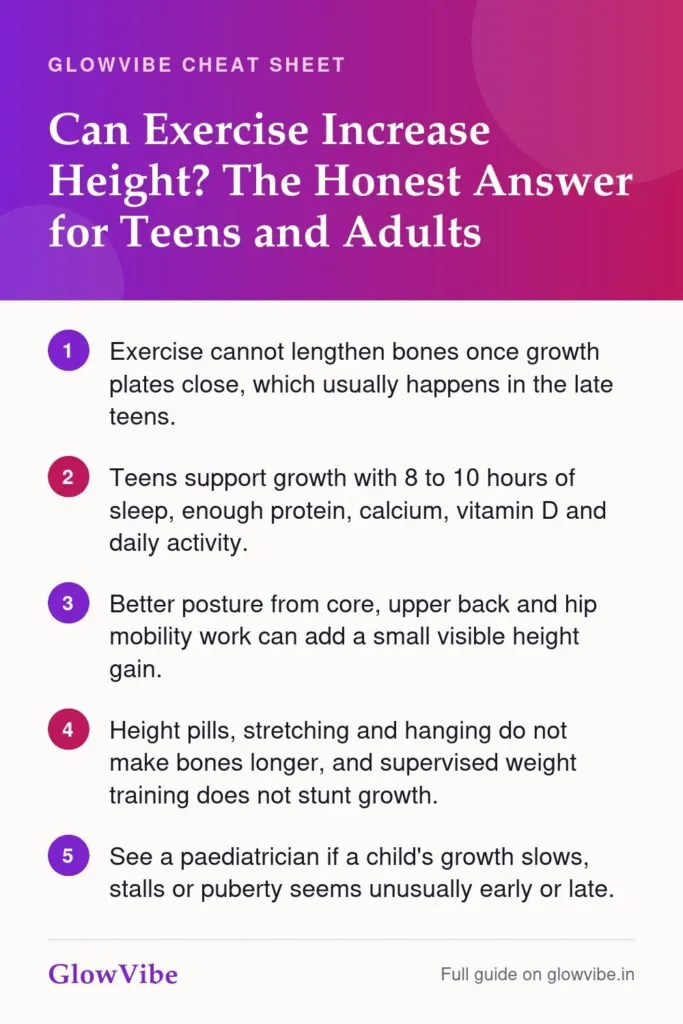
No. Once your growth plates have closed, usually in the late teens, no exercise, stretch or yoga pose can make your bones longer. What exercise can do is help teenagers reach the height their genes allow, and help people of any age stand straighter, which can add a little visible height that slouching was hiding.
That isn’t what the “grow 3 inches in 30 days” videos promise, but it is the truth, and it saves you money and disappointment. Here’s how growth works, what helps teens, a posture routine, the myths and when to see a doctor.
The quick answer
- Adults (growth plates closed): exercise cannot increase bone length. Better posture can make you look taller and stand at your full measured height.
- Teens (still growing): exercise does not stretch you taller, but enough sleep, good food and regular activity support normal growth towards your genetic potential.
- Genes decide most of your final height. Nutrition, sleep and health during childhood decide whether you reach it.
- Height pills and “height increase” stretches have no good evidence behind them.
- A child whose growth slows or stalls should see a paediatrician, not a gym trainer.
How height growth actually works
Your long bones, like the thigh and shin bones, grow at soft layers of cartilage near each end called growth plates. During childhood and puberty, these plates keep making new cartilage that slowly turns into bone, and the bone gets longer. Growth hormone, thyroid hormone and, at puberty, sex hormones drive this process.
Towards the end of puberty, the plates harden and fuse with the rest of the bone. After that, there is nothing left to lengthen. Girls usually finish growing a couple of years after their first period, often around 14 to 16. Boys start puberty later and usually finish around 16 to 18, though some grow a little into their late teens. Timing varies a lot from person to person.
What decides your final height
Genetics is the biggest factor. Tall parents tend to have tall children, and short parents shorter ones, although children often land somewhere around the average of their parents. Long-term nutrition, sleep, chronic illness and hormone conditions can hold a child back from that potential. Exercise sits in that supporting group: it helps a growing body stay healthy, but it is not a separate lever that adds centimetres.
For teens: how to support growth while you still can
If you’re still growing, the goal is simple: don’t give your body a reason to hold back. These four habits matter far more than any special “height exercise”.
1. Sleep 8 to 10 hours
Much of the body’s growth hormone is released during deep sleep at night. Teenagers need roughly 8 to 10 hours, and many Indian students get far less because of late-night study, tuition schedules and phones. A fixed bedtime, a dark room and keeping the phone out of bed are the most useful changes you can make.
2. Eat enough protein
Growing bones and muscles need protein every day, not just calories. Spread it across meals: dal, rajma, chana, paneer, curd, milk, eggs, chicken, fish and soya chunks are all easy wins in an Indian kitchen. Vegetarian teens can meet their needs comfortably by including a protein food at every meal rather than relying on rice or roti alone.
3. Get calcium and vitamin D
Calcium builds bone, and vitamin D helps your body absorb it. Good calcium sources include milk, curd, paneer, ragi, til (sesame), rajgira and green leafy vegetables. Vitamin D mostly comes from sunlight on the skin, and low levels are very common in India despite all the sunshine, because of indoor lifestyles and covered skin. Some time outdoors in daylight helps. Don’t start calcium or vitamin D supplements on your own; if a doctor suspects a deficiency, they can test for it and advise the right dose.
4. Stay active most days
Running, skipping, cricket, football, basketball, badminton, swimming, dance and cycling all strengthen bones and keep you at a healthy weight. Weight-bearing activities, where your feet hit the ground, are especially good for bone density during the teen years. Aim for about an hour of activity a day, mixed between play, sport and some strength work. If you need a structured start, a short daily routine like the one in our guide to yoga for students fits easily around school.
For adults: how posture adds visible height
Here is the part that genuinely works at any age. Hours at a desk, on a phone or on a two-wheeler pull you into rounded shoulders, a forward head and a slumped lower back. That posture can make you look noticeably shorter than your real height, and it often comes with neck and back stiffness.

Strengthening your upper back and core and loosening tight hips and chest muscles helps you stand tall without effort. You won’t grow, but you’ll stop “losing” height to a slouch and look more confident in a kurta or blazer. The gain is usually small, often a centimetre or two of visible difference for someone who slouches a lot, and close to nothing for someone whose posture is already good.
You may also measure slightly taller in the morning, because spinal discs compress a little during the day and recover overnight. That change, usually around a centimetre, is normal and temporary.
A 15-minute posture and mobility routine
Do this 4 to 5 days a week, at home, with no equipment except a wall and, for hanging, a sturdy pull-up bar. Move slowly, breathe normally and stop any movement that causes sharp pain.

| Exercise | Sets and time | What it targets |
|---|---|---|
| Cat-cow | 1 set of 10 slow rounds | Spine mobility, warm-up |
| Wall angels | 2 sets of 10 | Upper back, shoulder position |
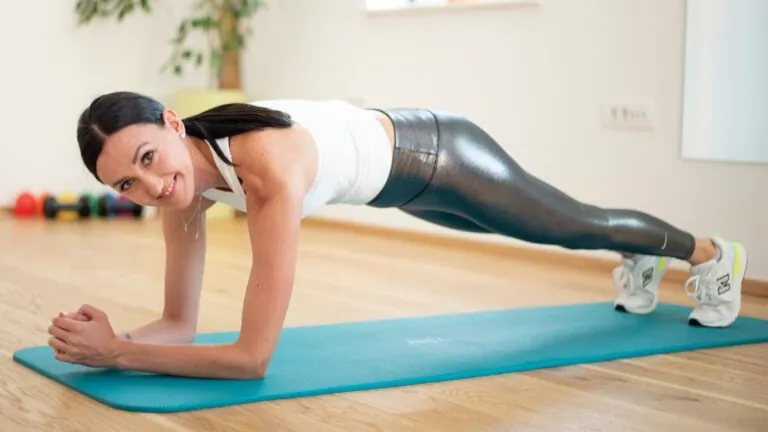
| Plank | 3 holds of 20–40 seconds | Core that supports an upright spine |
| Cobra (Bhujangasana) | 3 holds of 15–20 seconds | Opens the chest, counters slumping |
| Kneeling hip flexor stretch | 2 holds of 30 seconds per side | Tight hips from long sitting |
| Dead hang | 3 hangs of 15–30 seconds | Grip, shoulders, feels good for the back |
Cat-cow (2 minutes)
Start on hands and knees, hands under shoulders and knees under hips. Breathe in as you let your belly drop and lift your chest and gaze (cow). Breathe out as you round your back towards the ceiling and tuck your chin (cat).
Wall angels (2 minutes)
Stand with your heels a few inches from a wall, and your bottom, upper back and head touching it. Raise your arms into a “goalpost” shape with the backs of your hands against the wall. Slowly slide your arms up overhead and back down, keeping contact as much as you can. If your lower back arches off the wall, bend your knees slightly and brace your stomach.
Plank (3 minutes with rest)
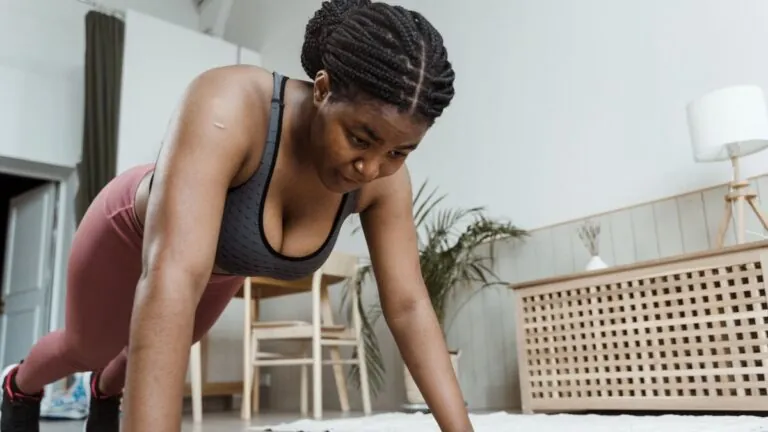
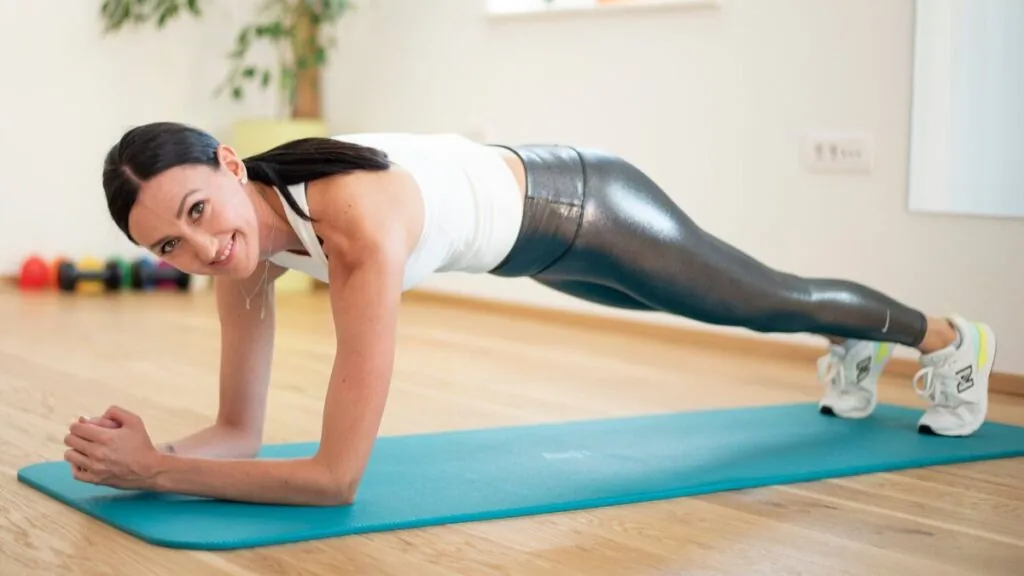
Rest on your forearms and toes, elbows under shoulders, body in one straight line from head to heels. Squeeze your glutes and pull your belly button gently in. Stop the hold when your hips sag or lift. Beginners can drop to the knees. For more core moves, our core exercise routine at home gives 10 exercises with form cues.
Cobra pose (2 minutes)
Lie face down with your hands under your shoulders. Press gently through your hands to lift your chest while your hips stay on the floor. Keep your elbows slightly bent and shoulders away from your ears. Lift only as high as feels comfortable in your lower back; a small lift done well beats a big one that pinches.
Kneeling hip flexor stretch (2 minutes)
Kneel on one knee (use a folded towel for comfort) with the other foot flat in front. Tuck your tailbone slightly under and shift your weight forward until you feel a stretch at the front of the hip of the kneeling leg. Keep your chest tall. This one matters most for desk workers.
Dead hang (2 minutes with rest)
Grip a firmly fixed bar with both hands, shoulder-width apart, and let your body hang with feet off the floor or lightly touching. Keep your shoulders slightly engaged rather than fully slack. Hanging can feel pleasant for a stiff back and builds grip and shoulder strength. It does not stretch your bones; any “taller” feeling afterwards fades within hours. Skip it if you have a shoulder injury, and never use a door frame or loose rod.
Once this routine feels easy, add rows and other pulling work to strengthen the upper back further. Our guide to back exercises at the gym for beginners has seven moves to build on.
Everyday posture habits
- Raise your laptop or phone closer to eye level instead of bending your neck down.
- Get up and move for a few minutes every 30 to 45 minutes of sitting.
- When standing, imagine a string gently lifting the crown of your head, with shoulders relaxed down.
Height myths to ignore
“Stretching and hanging lengthen your bones”
They don’t. Stretching changes how flexible your muscles are, and hanging briefly unloads the spine, but neither changes bone length in adults or teens. Any extra height you measure right after is the same temporary disc effect you get from a night’s sleep.
“Height pills and powders make you taller”
There is no good evidence that any over-the-counter “height growth” pill, powder or herbal mix increases height. In a child who is genuinely deficient in a nutrient, correcting it can help normal growth, but a balanced diet does the same job. Many are expensive and poorly regulated. Real medical treatment for growth problems, such as growth hormone therapy, is only prescribed by specialists after testing.
“Lifting weights stunts growth”
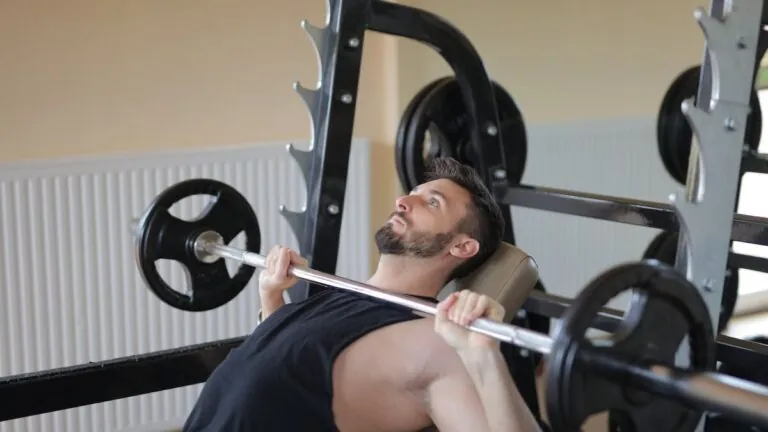
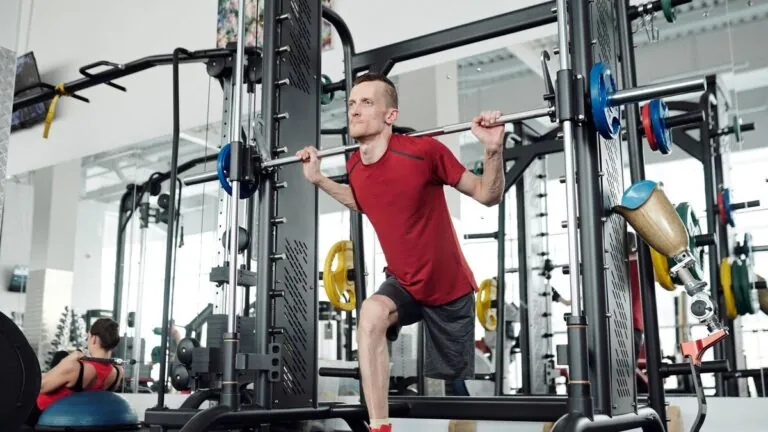
Sensible, supervised strength training does not stunt growth in teenagers. The real risk is injury from poor form, ego lifting or no supervision. Teens who learn good technique with light loads first can train safely and build stronger bones.
When to see a doctor
Most short children are simply healthy kids with shorter parents or a later growth spurt. Still, some signs are worth checking with a paediatrician, who may refer you to a paediatric endocrinologist:
- A child’s growth slows down or stops, for example clothes and shoes fitting for much longer than before.
- The child is much shorter than classmates and well below what you’d expect from both parents’ heights.
- No signs of puberty by around 13 in girls or 14 in boys, or puberty starting unusually early.
- Poor growth along with tiredness, poor appetite, frequent stomach problems or weight loss.
- An adult who notices they have become noticeably shorter or more stooped over the years, which can be linked to bone health.
Doctors use growth charts, repeated measurements and sometimes blood tests or a hand X-ray. Some causes are treatable and respond best when caught early, so ask sooner rather than later.
Common mistakes
- Spending money on height pills, insoles marketed as “growth” aids or online courses that promise inches.
- Cutting sleep for study or screens during the teen growth years.
- Crash dieting as a teenager, which can starve a growing body of protein and calcium.
- Forcing extreme stretches or hanging for long periods and straining shoulders or the lower back.
- Comparing a child’s height with cousins or classmates instead of tracking their own growth over time.
Frequently Asked Questions
For most people, no. By 18 to 20 the growth plates have usually closed, so bones can’t get longer through exercise, diet or supplements. You can still improve your posture, which may add a small visible difference if you slouch.
No single exercise makes teens grow taller. A mix of active play, sport, skipping or running and some basic strength work keeps bones strong and the body healthy so it can grow normally. Sleep and nutrition matter just as much.
Yoga does not lengthen bones. Poses such as Tadasana, Bhujangasana and cat-cow can improve posture, flexibility and body awareness, which helps you stand at your full height. It’s a good habit for students, but treat any “height increase yoga” claims with caution.
Only for a few hours, and only by a tiny amount, because it briefly decompresses the discs in your spine. Your height returns to normal as you move around. Hanging is still useful for grip and shoulder strength.
Only an X-ray can confirm it, usually of the hand and wrist. A useful home clue is whether your height is still changing: if you’ve measured the same for a year or more in your late teens, you’ve most likely finished growing.
The bottom line
Exercise can’t make adult bones longer, and anyone selling you inches after your growth plates close is selling a myth. If you’re a teen, protect your growth with sleep, protein, calcium, vitamin D and daily activity. At any age, the posture routine above helps you stand at your full height and feel stronger doing it. And if a child’s growth seems to slow, talk to a paediatrician early.