7-Day Yoga Challenge for Beginners: Daily Plan at Home (2026)
A 7-day yoga plan for beginners at home: one 20–30 minute session a day, from breathing basics and Surya Namaskar to core, balance, pranayama and Shavasana.

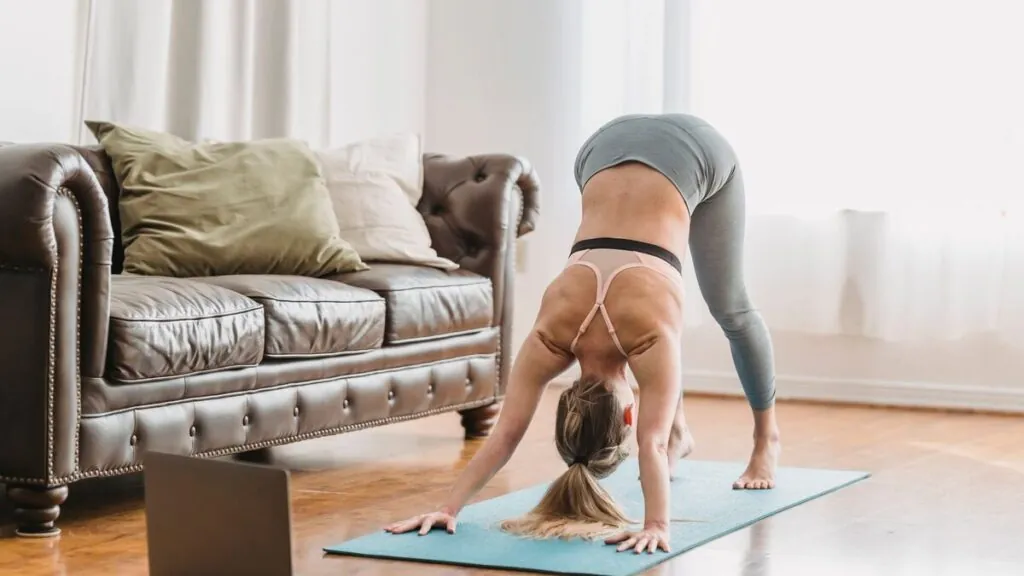
This 7-day yoga challenge for beginners gives you one short session a day, 20 to 30 minutes, that you can do at home with nothing more than a yoga mat. You start with breathing and basic poses, learn Surya Namaskar step by step, and finish the week with a gentle flow, pranayama and a proper Shavasana.
Each day has one focus, 5 to 7 poses, simple cues and hold times. No prior experience or flexibility is needed.
Your 7-Day Yoga Plan at a Glance
| Day | Focus | Key poses | Duration |
|---|---|---|---|
| Day 1 | Breathing and basics | Tadasana, Balasana, cat-cow, Sukhasana breathing | 20 min |
| Day 2 | Surya Namaskar | 12 steps of Sun Salutation, 3–5 slow rounds | 20–25 min |
| Day 3 | Standing poses | Vrikshasana, Virabhadrasana II, Trikonasana, Utkatasana | 25 min |
| Day 4 | Hips and lower back | Baddha Konasana, Malasana, Setu Bandhasana, supine twist | 25 min |
| Day 5 | Core strength | Plank, side plank, Navasana, bird-dog | 20–25 min |
| Day 6 | Flexibility and balance | Downward Dog, low lunge, Paschimottanasana, Warrior III | 25–30 min |
| Day 7 | Gentle flow and pranayama | Slow flow, anulom vilom, bhramari, Shavasana | 30 min |
Before You Start: Yoga at Home for Beginners
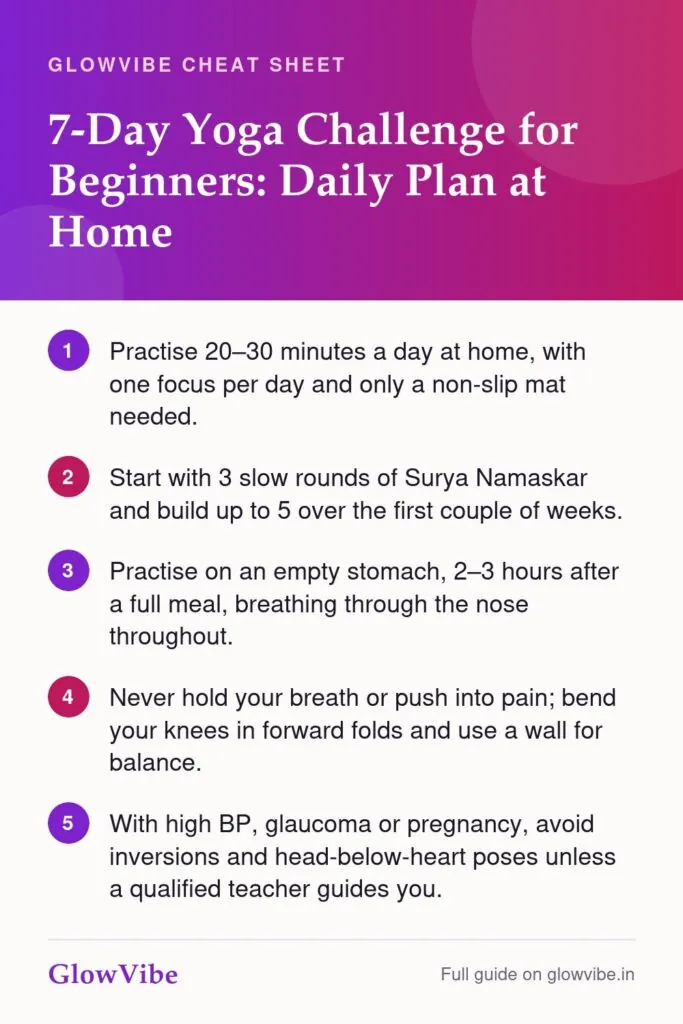
- Space: a clear patch of floor about the size of a single bed, near a wall for balance poses.
- Kit: a non-slip yoga mat, a folded blanket or towel for your knees, and a cushion or thick book to sit on. A dupatta or belt works as a strap.
- Timing: practise on an empty stomach, 2–3 hours after a full meal (about an hour after a light snack). A morning yoga routine before breakfast is easiest to stick to.
- Breath: breathe through your nose and never hold your breath in a pose. If you cannot breathe smoothly, ease off.
The 7-Day Yoga Challenge, Day by Day
Day 1: Breathing and Basic Poses
Today you learn to breathe slowly and move with the breath.
- Sukhasana with belly breathing (3 min): sit cross-legged on a cushion, spine tall. Breathe in through the nose so the belly rises, breathe out slowly. Aim for a 4-count in, 6-count out.
- Tadasana, Mountain Pose (5 breaths, 2 rounds): feet hip-width, weight even across both feet, knees soft, shoulders relaxed down. Lift the crown of your head gently.
- Cat-cow (8–10 slow rounds): on hands and knees, wrists under shoulders. Inhale, drop the belly and lift the chest; exhale, round the back and tuck the chin.
- Balasana, Child’s Pose (1 min): knees wide, big toes together, hips back towards heels, forehead on the mat or a fist.
- Supine knees-to-chest (30–45 sec): lie on your back, hug both knees and rock gently side to side to relax the lower back.
- Shavasana (3–5 min): lie flat, arms away from the body, palms up.
Day 2: Surya Namaskar for Beginners, Step by Step
Warm up with 5 neck rolls each way, 10 shoulder rolls and 5 rounds of cat-cow. Then learn one round slowly, pausing for 2–3 breaths in each position. Step the right leg back in step 4 and forward in step 9; on the next round, use the left leg.
- Pranamasana: stand tall, palms together at the chest. Exhale.
- Hasta Uttanasana: inhale, raise the arms overhead with a small, comfortable lift of the chest. Do not crunch the lower back.
- Hasta Padasana: exhale, fold forward from the hips. Bend your knees as much as you need to bring the hands to the floor or shins.
- Ashwa Sanchalanasana: inhale, step the right leg back into a low lunge, back knee down, look forward.
- Dandasana (plank): take a breath as needed, then step the left leg back into a plank. Knees down is fine.
- Ashtanga Namaskara: exhale, lower knees, chest and chin to the floor, hips slightly lifted.
- Bhujangasana: inhale, slide forward and lift the chest into a low cobra, elbows bent and close to the body.
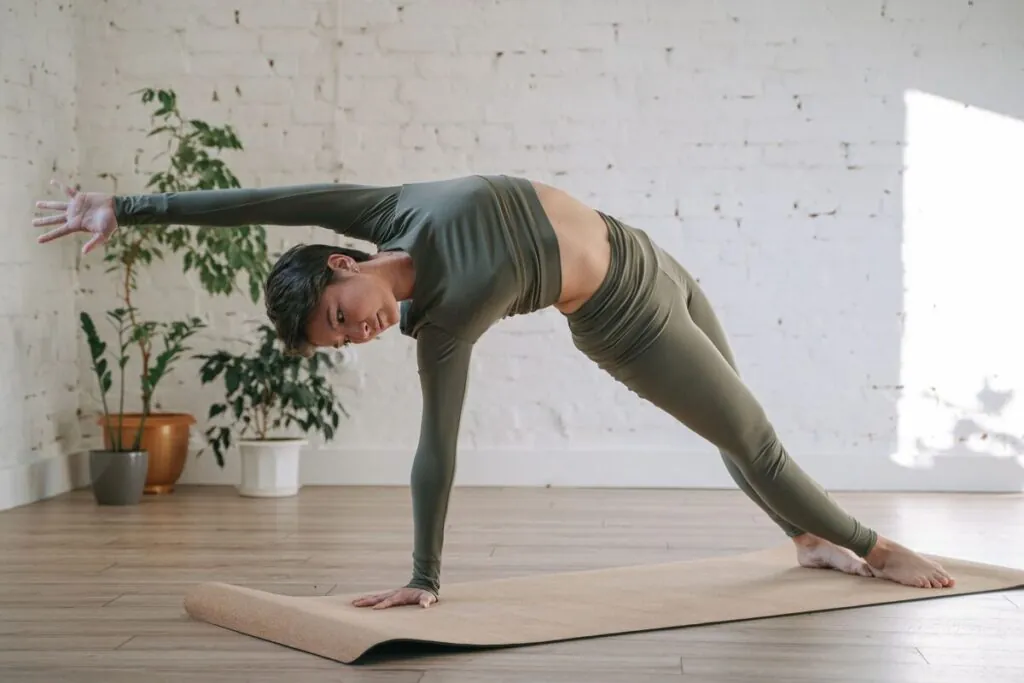
- Parvatasana (Downward Dog): exhale, lift the hips up and back into an inverted V. Bend the knees; heels need not touch the floor.
- Ashwa Sanchalanasana: inhale, step the right foot forward between the hands.
- Hasta Padasana: exhale, bring the left foot forward and fold.
- Hasta Uttanasana: inhale, rise up slowly with a long spine, arms overhead.
- Tadasana / Pranamasana: exhale, bring the palms back to the chest and stand still for a breath.
Do 3 rounds today (a “full” round is both legs, so that is 6 half-rounds), building to 5 if it feels easy. Rest in Balasana for 1 minute between rounds if you are breathless, and end with 5 minutes of Shavasana.
Day 3: Standing Poses for Strength and Posture
Standing poses build leg strength and steadiness. Start with 2 rounds of Surya Namaskar to warm up, then:
- Tadasana (5 breaths): reset your alignment from Day 1 before each new pose.
- Utkatasana, Chair Pose (5 breaths, 2 rounds): sit back as if into a chair, knees behind the toes, arms forward or up, weight in the heels.
- Virabhadrasana II, Warrior II (5 breaths each side): feet wide, front toes forward, back foot turned in slightly. Bend the front knee over the ankle, arms out at shoulder height, gaze over the front hand.
- Trikonasana, Triangle Pose (5 breaths each side): from a wide stance with straight (not locked) legs, reach forward then tip the front hand down to the shin or a block. Top arm up, chest open.
- Vrikshasana, Tree Pose (20–30 sec each side): place the sole of the foot on the inner ankle, calf or thigh, never on the knee. Fix your gaze on one point. Touch a wall if you wobble.
- Balasana then Shavasana (1 min + 4 min).
Day 4: Yoga for Hips and Lower Back
Long hours sitting leave hips tight and the lower back stiff. Today’s poses are slow and floor-based.
- Cat-cow (10 rounds): move slowly and notice where your back feels stiff.
- Baddha Konasana, Butterfly (1 min): soles together, sit on a cushion, spine tall. Let the knees drop; do not press them down.
- Malasana, Garland Squat (30–45 sec, 2 rounds): feet wider than hips, toes out, sink the hips down, palms together, elbows gently pressing the knees apart. Sit on a block or rolled towel if heels lift.
- Salamba Bhujangasana, Sphinx (45 sec): lie on your belly, elbows under shoulders, chest lifted gently. A soft backbend for the lower back.
- Setu Bandhasana, Bridge (5 breaths, 3 rounds): lie on your back, knees bent, feet hip-width. Press through the feet to lift the hips; keep knees pointing forward.
- Supine twist (45 sec each side): drop both bent knees to one side, arms out, look the other way if the neck is comfortable.
- Shavasana (5 min): place a pillow under your knees if the lower back feels tender.
Day 5: Yoga for Core Strength
A strong core steadies every other pose. Warm up with 2 rounds of Surya Namaskar. For more floor work later, see our core exercise routine at home.
- Bird-dog (5 breaths each side, 2 rounds): on hands and knees, extend the right arm and left leg level with the body.
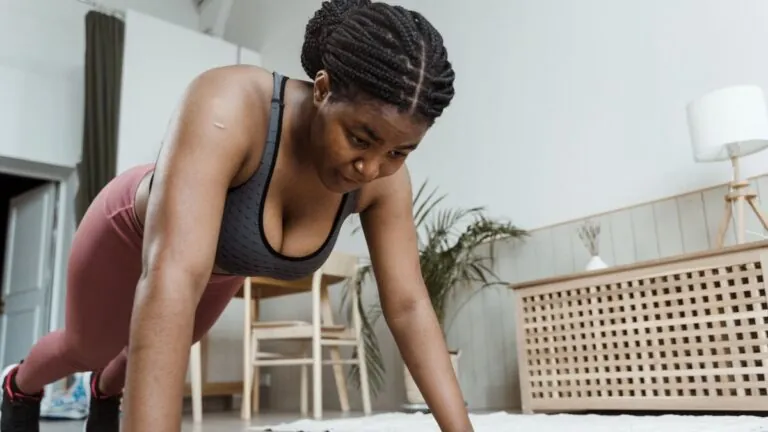
- Phalakasana, Plank (20–30 sec, 3 rounds): shoulders over wrists, body in one line, belly drawn in. Drop the knees if your hips sag.
- Vasisthasana, Side Plank (15–20 sec each side): start with the bottom knee on the mat for support; lift the hips away from the floor.
- Navasana, Boat Pose (3 breaths, 3 rounds): sit, lean back slightly with a straight spine, lift the feet with knees bent. Hold behind the thighs if needed.
- Setu Bandhasana (5 breaths, 2 rounds): balances the front-body work.
- Apanasana then Shavasana (1 min + 5 min): hug the knees to release the lower back, then rest.
Day 6: Flexibility and Balance
Stretch to a mild pull, never to pain, and breathe into it.
- Adho Mukha Svanasana, Downward Dog (5–8 breaths): pedal the feet, bending one knee then the other, to stretch the calves.
- Anjaneyasana, Low Lunge (5 breaths each side): back knee on a folded blanket, hips sink forward, arms up. Feel the stretch at the front of the back hip.
- Virabhadrasana III, Warrior III with wall (3–5 breaths each side): hands on a wall at hip height, hinge forward and lift one leg back until the body forms a T.
- Vrikshasana (30 sec each side): try it without the wall today, or with arms overhead.
- Paschimottanasana, Seated Forward Bend (1 min): sit on a cushion, knees bent, loop a dupatta around the feet. Lead with the chest, not the head.
- Ardha Matsyendrasana, Seated Twist (5 breaths each side): lengthen on the inhale, twist a little more on the exhale.
- Shavasana (5 min).
Day 7: Gentle Flow, Pranayama and Shavasana
The final day brings the week together. Move slowly and let the breath lead.
- Slow Surya Namaskar (3 rounds): one breath per movement, smooth and unhurried.
- Warrior II to Triangle flow (3 times each side): move between the two poses with the breath.
- Cat-cow and Balasana (1 min each).
- Anulom vilom (5 min): sit tall. Close the right nostril with the right thumb, breathe in through the left. Close the left with the ring finger, breathe out through the right. Breathe in through the right, switch, out through the left. That is one round. Keep it slow and silent, with no forced breath-holding.
- Bhramari, Humming Bee Breath (5–7 rounds): close the ears gently with the thumbs, breathe in through the nose, then hum like a bee on a long exhale.
- Shavasana (8–10 min): scan the body from toes to head, relaxing each part. Roll to the right side before sitting up slowly.
Yoga Safety: Who Should Modify and When to Stop
- Empty stomach: do not eat a full meal 2–3 hours before practice.
- High BP, glaucoma or pregnancy: avoid inversions and head-below-heart positions (Downward Dog, deep forward folds, headstands) unless a qualified teacher guides you. In Surya Namaskar, keep the head above the heart and fold only halfway. If you are pregnant, check with your doctor first and look for a prenatal class.
- Knees: pad kneeling poses with a folded blanket, keep the bent knee over the ankle, and use a block or chair-supported squat instead of a full Malasana.
- Back: bend your knees in every forward fold, keep backbends low (Sphinx rather than full Cobra), and skip twists if they cause pain. If you have a disc problem or recent back injury, ask your doctor or physiotherapist which poses suit you.
- Stop if it hurts: sharp or shooting pain, numbness, dizziness, chest discomfort or breathlessness means stop, rest, and get checked if it does not settle quickly.
What to Expect After 7 Days
One week will not transform your body, but most beginners notice small, encouraging changes: the poses feel less awkward, you can hold Tree Pose a little longer, your forward fold reaches slightly further, and the stiffness from sitting all day eases.
Many people also feel calmer after the breathing practice. Visible strength, weight or flexibility changes take weeks of regular practice, so treat this week as your foundation.
How to Continue After the Challenge
- Repeat the week once more: the second time, add 1–2 breaths to each hold and 1–2 extra Surya Namaskar rounds.
- Settle on 3–5 sessions a week: a 15-minute morning yoga routine (5 rounds of Surya Namaskar, 2 standing poses, 5 minutes of anulom vilom) on busy days is far better than nothing.
- Add other movement: pair yoga with walking or strength work. Our 30-minute workout at home and these easy home exercises for all ages fit well on non-yoga days.
- Learn from a teacher: a few classes with a certified teacher will correct habits you cannot see yourself.
Yoga suits teenagers too; read why yoga matters for students.
Common Mistakes Beginners Make
- Holding the breath: if you are holding your breath, the pose is too hard. Back off until the breath is smooth.
- Locking the knees: keep a micro-bend in standing poses and forward folds.
- Rushing Surya Namaskar: slow rounds with correct shapes do more than fast ones.
- Copying the picture, not your body: heels off the floor in Downward Dog and bent knees in forward folds are normal for beginners.
- Skipping Shavasana: it is part of the practice, not optional extra time.
Frequently Asked Questions
Yes. Every pose has an easier option, such as knees down in plank or a wall for balance. If you have a medical condition, injury or are pregnant, check with your doctor before you begin.
Start with 3 slow rounds and build up to 5 over the first couple of weeks. Correct form and smooth breathing matter more than the number.
Morning suits most people because the stomach is empty. Evening works too if you keep a 2–3 hour gap after meals, and gentle poses with pranayama help you wind down.
Not in any meaningful way in one week. Yoga can support weight loss over months when it is combined with an active lifestyle and sensible eating. Think of this week as building a habit, not dropping kilos.
A non-slip yoga mat makes lunges safer and cushions your knees. A thick durrie can do for a few days, but a mat is worth having if you continue.
Many women do, choosing gentler poses like Balasana, Baddha Konasana, supine twists and breathing practice, and skipping inversions and intense core work on heavy days. Rest if you feel unwell.
Ready to Roll Out Your Mat?
Seven days, 20 to 30 minutes each, is enough to learn the basics of yoga, get comfortable with Surya Namaskar and discover how calming slow breathing can be. Start with Day 1 tomorrow morning, go at your own pace, and keep the practice going once the week is over.