Foods and Juices for Glowing Skin: An Indian Diet Guide (2026)
What to eat for glowing, clearer skin: key nutrients, Indian foods, whether juice helps, a sample one-day diet and foods that may worsen acne.

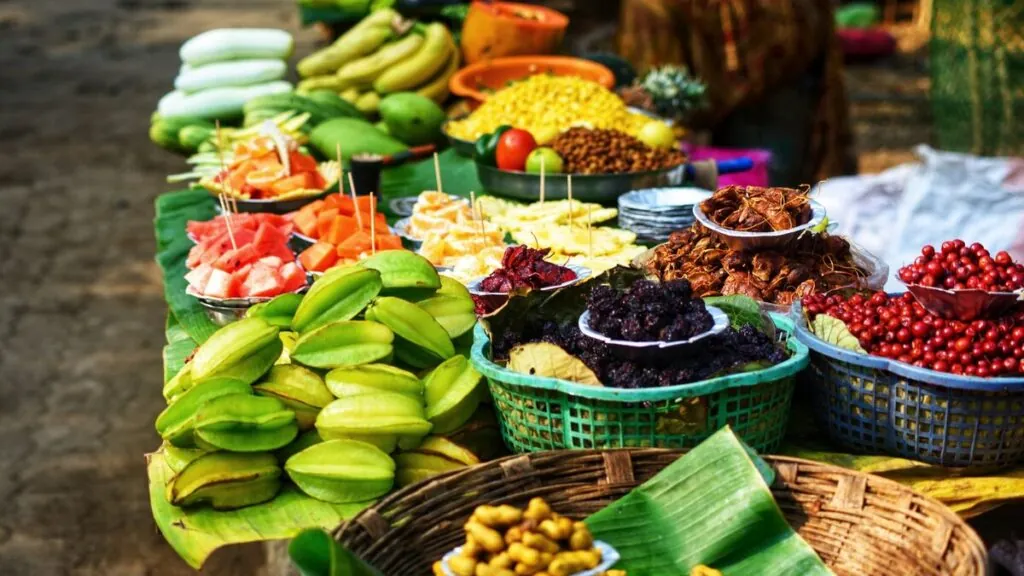
The best food for glowing skin is a balanced Indian plate: plenty of colourful vegetables and whole fruit, enough protein, healthy fats from nuts, seeds and fish, and steady hydration. No single food or juice will change your skin tone, but eating this way gives your skin the Vitamin CAn antioxidant that brightens dull skin, helps fade the look of dark spots and supports sunscreen against daily damage. Best used in the morning.See glossaryRead the guide, omega-3s, antioxidants and protein it needs to repair itself and look healthier.
This guide keeps things honest. It covers which nutrients actually matter, the Indian foods that supply them, whether juice is worth it (whole fruit usually wins), a sample one-day diet for skin, and the foods that may trigger acne in some people.
What diet can and cannot do for your skin
Your skin is built from what you eat. Collagen needs protein and vitamin C, the Skin barrierThe outermost layer of skin that keeps water in and irritants out. A damaged barrier feels tight, stings and reacts more easily.See glossaryRead the guide needs fats, and antioxidants help limit everyday damage from sun and pollution. When your diet is short on these, skin can look dull, dry or slow to heal.
What food cannot do is lighten your natural complexion, erase pigmentation or replace sunscreen. “Glow” from diet mostly means skin that is well hydrated, less inflamed and repairing normally. Expect changes over weeks to months, not days, because skin renews itself roughly every four to six weeks.
Key nutrients for glowing skin
- Vitamin C: your body needs it to make collagen, the protein that keeps skin firm. It is also an antioxidant. AmlaIndian gooseberry, used in Ayurvedic hair oils, powders and packs. It is valued for conditioning hair and adding shine.See glossaryRead the guide, guava, oranges, lemon, capsicum and kiwi are rich sources.
- Protein: skin, collagen and KeratinThe protein that hair is made of. "Keratin treatments" are salon smoothing services, and some contain formaldehyde-releasing chemicals.See glossary are all made of protein. Many Indian vegetarian diets fall short, so dal, paneer, curd, eggs, soya, chana and fish matter.
- Omega-3 fatty acids: support the skin barrier and may help calm inflammation. Find them in oily fish like mackerel (bangda), sardines (mathi) and salmon, and in flaxseeds, walnuts and chia seeds.
- Vitamin E (tocopherol)An antioxidant and moisturising ingredient. It is often paired with vitamin C to make it more stable.See glossary: a fat-soluble antioxidant that works alongside vitamin C. Almonds, sunflower seeds and peanuts are good sources.
- Beta-carotene and vitamin A: needed for normal skin cell turnover. Carrots, sweet potato, pumpkin, papaya, mango and spinach supply it.
- Zinc and selenium: zinc supports wound healing and is often studied in acne; selenium is an antioxidant mineral. Pumpkin seeds, chana, eggs, fish and whole grains help.
- Polyphenols: plant antioxidants found in berries, pomegranate, grapes, dark green vegetables, cocoa and tea.
Indian foods for glowing skin: a quick table
You do not need imported “superfoods”. Most of what your skin needs is already in a normal Indian kitchen.
| Food | Key nutrient | Possible skin benefit |
|---|---|---|
| Amla (Indian gooseberry) | Vitamin C, polyphenols | Supports collagen production and antioxidant protection |
| Guava | Vitamin C, fibre | Collagen support; a very rich, cheap vitamin C source |
| Papaya | Beta-carotene, vitamin C | Supports normal skin cell turnover |
| Carrot and sweet potato | Beta-carotene | Vitamin A for skin renewal |
| Tomato | Lycopene, vitamin C | Cooked tomato may offer mild support against sun damage (not a sunscreen substitute) |
| Spinach, methi, drumstick leaves | Folate, iron, vitamins A and C | Overall skin repair; iron deficiency can make skin look pale |
| Pomegranate | Polyphenols | Antioxidant support |
| Almonds and walnuts | Vitamin E, omega-3 (walnuts) | Barrier support; may help dry skin |
| Flaxseeds (alsi) and chia | Plant omega-3 (ALA), fibre | Barrier support; useful for vegetarians |
| Pumpkin seeds | Zinc | Supports healing; zinc is studied in acne |
| Dal, chana, rajma, soya | Protein, zinc | Building blocks for collagen and repair |
| Curd and paneer | Protein, probiotics (curd) | Protein for repair; gut-skin link is still being researched |
| Eggs | Protein, BiotinA B vitamin (B7) common in hair supplements. It tends to help mainly when someone is actually low in it; it can also affect some blood test results.See glossary, selenium | Complete protein for skin and hair |
| Mackerel, sardines, salmon | Omega-3 (EPA, DHA), protein | May help reduce inflammation and dryness |
| Cucumber and watermelon | Water | Adds to daily fluid intake |
| Green tea | Catechins (polyphenols) | Antioxidant support; unsweetened is best |
Nuts and seeds are calorie-dense, so a small handful (about 20 to 30 g) a day is enough. For more vegetarian and non-vegetarian protein options, see our list of high-protein foods in India.
Fruits for glowing skin: why whole fruit beats juice
When you juice a fruit, you throw away most of its fibre and keep all of its sugar. A glass of orange juice can take four or five oranges, which you would never eat in one sitting. Without fibre, that sugar reaches your bloodstream faster, and you feel less full.
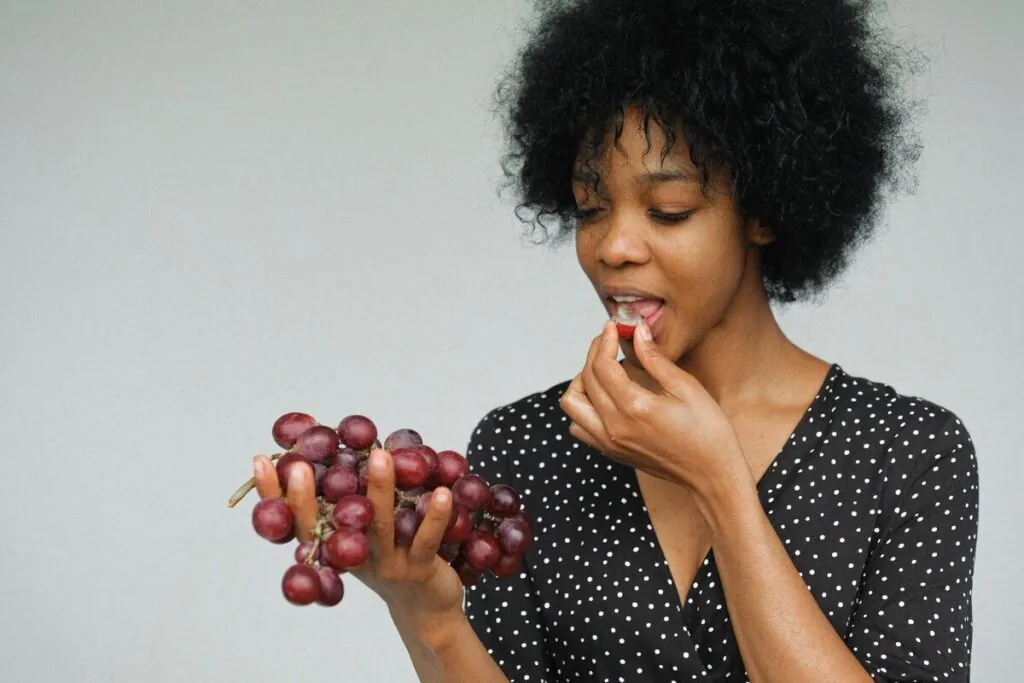
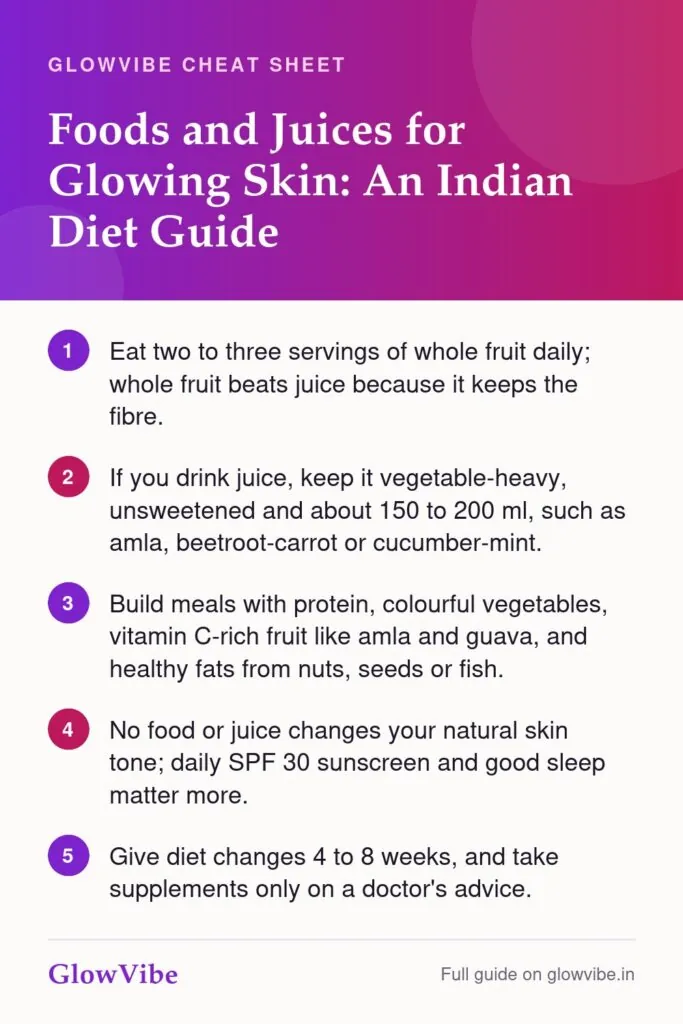
This matters for skin because diets with many high-glycaemic foods have been linked to acne in some studies. Whole fruit gives you the same vitamin C and antioxidants with fibre that slows sugar absorption and feeds healthy gut bacteria. So the simple rule is: eat two to three servings of whole fruit a day, and treat juice as an occasional extra.
Good everyday fruits for skin include guava, amla, oranges and mosambi, papaya, pomegranate, berries when in season, apples and kiwi. Pick what is local and seasonal; it is usually fresher and cheaper.
Juice for glowing skin: if you do drink it
Juice is not harmful in small amounts, and some people find it an easy way to eat more vegetables. Make it vegetable-heavy, skip added sugar and honey, and keep a glass to about 150 to 200 ml. Drinking it with a meal rather than on an empty stomach is gentler on blood sugar.
Amla juice
Blend two or three fresh amla (deseeded) with a cup of water and strain if you like. Add a pinch of black salt or a little ginger to cut the sourness. Amla is one of the richest vitamin C sources, so a small serving goes a long way. It is acidic, so go easy if you have acidity.
Beetroot-carrot juice
Blend one carrot, half a small beetroot, a few slices of ginger and the juice of half a lemon with water. Carrots add beta-carotene and lemon adds vitamin C. Beetroot can turn urine pink or red, which is harmless.
Cucumber-mint juice
Blend one cucumber, a handful of mint (pudina), lemon juice and a pinch of roasted jeera with cold water. It is mostly water, low in sugar and refreshing in Indian summers. It helps hydration rather than delivering large amounts of any nutrient.
Juice tips that actually help
- Use a blender rather than a juicer where you can, and do not strain, so you keep some fibre.
- Keep the ratio roughly three parts vegetable to one part fruit.
- Drink it fresh; vitamin C breaks down with time, heat and light.
- Avoid packaged “fruit drinks” and many packaged juices, which often contain added sugar. Read the label.
- Wash produce well. Organic is optional; washing and variety matter more.
Diet for glowing skin: a sample one-day Indian plan
Use this as a template, not a prescription. Adjust portions to your hunger, activity and any medical advice you have been given.
| Meal | Vegetarian | Non-vegetarian |
|---|---|---|
| Early morning | Water; 5 to 6 soaked almonds and 1 walnut | Water; 5 to 6 soaked almonds and 1 walnut |
| Breakfast | Vegetable besan chilla or moong dal chilla with mint chutney, plus a guava or orange | Two-egg omelette with onion, tomato and spinach, one multigrain roti, plus a guava or orange |
| Mid-morning | Papaya bowl or a small glass of amla or beetroot-carrot juice | Papaya bowl or a small glass of amla or beetroot-carrot juice |
| Lunch | Two rotis or a cup of brown or regular rice, dal or rajma, palak paneer or a green sabzi, cucumber-tomato salad, a bowl of curd | Two rotis or a cup of rice, fish curry (mackerel or sardine) or chicken curry, a green sabzi, salad, a bowl of curd |
| Evening | Unsweetened green tea or lemon water, roasted chana with pumpkin seeds | Unsweetened green tea or lemon water, roasted chana or a boiled egg |
| Dinner | Vegetable khichdi or quinoa pulao with tofu or paneer, a carrot-capsicum stir-fry, 1 teaspoon ground flaxseed sprinkled on top | Grilled fish or chicken tikka with sauteed vegetables and a roti, or dal with vegetables |
The pattern is what counts: protein at every meal, a vegetable at lunch and dinner, whole fruit once or twice a day, one source of healthy fat, and mostly whole grains. If weight loss is also a goal, our sustainable Indian diet plan for weight loss follows the same principles.
Hydration: how much water do you need?
Being dehydrated can make skin look tired, but drinking extra water beyond your needs will not give you extra glow. Most adults do well with about 2 to 3 litres of fluid a day, more in hot, humid Indian summers or if you sweat a lot at work or the gym.

Pale yellow urine is a simple sign you are drinking enough. Buttermilk (chaas), coconut water, lemon water without sugar, soups and water-rich foods like cucumber and watermelon all count. Dry skin is usually a barrier problem, so pair hydration with a good moisturiser rather than relying on water alone.
What to eat for clear skin, and foods that may worsen acne
Acne is driven mainly by hormones, oil production, clogged pores and bacteria, so diet is one factor among several. Still, research points to a few patterns worth knowing:
- High-glycaemic foods: maida, white bread, sugary drinks, sweets, biscuits and large portions of white rice cause quick blood sugar spikes. Several studies suggest a low-glycaemic diet may help reduce acne in some people.
- Dairy, especially skimmed milk: the evidence is mixed. Some studies link milk to acne; fermented dairy like curd seems less of a concern. If you suspect dairy, cut back on milk for 6 to 8 weeks and watch your skin rather than dropping all dairy forever.
- Whey protein supplements: some gym-goers notice breakouts after starting whey. If that matches your experience, it is worth discussing with a dermatologist.
- Fried and ultra-processed snacks: not proven to cause acne directly, but they often replace the vegetables, fruit and protein your skin needs.
For clearer skin, lean towards whole grains (millets like ragi and jowar, oats, brown rice), dal, vegetables, whole fruit, nuts and seeds, and fish if you eat it. Keep a simple food and skin diary for a month; patterns are personal. For persistent or painful acne, see a dermatologist, and read our guide on how long acne treatment takes to set realistic expectations.
Sunscreen and sleep matter more than any juice
Sun exposure is the biggest outside cause of dullness, uneven tone and early ageing, and Indian UV levels are high for most of the year. A Broad spectrumA sunscreen label meaning it protects against both UVB rays (which cause burning) and UVA rays (which cause tanning and ageing).See glossaryRead the guide SPF (sun protection factor)A measure of protection against UVB rays, which cause sunburn. SPF 30 blocks about 97% of UVB and SPF 50 about 98%, if you apply enough and reapply.See glossaryRead the guide 30 or higher every morning, reapplied when you are outdoors, will do more for your glow than any food on this list.
Sleep is the other big one. Seven to nine hours lets skin repair overnight and reduces puffiness and dark circles. Add a gentle cleanser and moisturiser, and you have the basics covered; our daily skincare routine lays out simple AM and PM steps. If you want a short, focused push, try our realistic plan for glowing skin in 7 days.
Common mistakes when eating for better skin
- Relying on one “magic” food or juice instead of an overall balanced diet.
- Drinking several glasses of fruit juice a day and assuming it is healthy because it is fruit.
- Skipping protein, especially on vegetarian diets built around roti, rice and sabzi alone.
- Cutting out all fat. Your skin barrier needs healthy fats, and vitamins A and E need fat to be absorbed.
- Self-prescribing high-dose supplements. Too much vitamin A or zinc can cause harm. Get a blood test and advice before taking supplements.
- Expecting results in a week. Give any diet change at least 6 to 8 weeks.
Frequently Asked Questions
Vegetable-heavy juices without added sugar are the best choice, such as amla, beetroot-carrot or cucumber-mint. Amla stands out because it is very rich in vitamin C, which your body needs to make collagen. That said, eating whole fruit and vegetables usually does more for you than juice because you keep the fibre.
There is no single best food. A mix of vitamin C-rich fruit (amla, guava, oranges), colourful vegetables, enough protein (dal, paneer, eggs, fish), and healthy fats (nuts, seeds, oily fish) covers what skin needs. Variety matters more than any one item.
No. Your natural skin tone is set by genetics, and no food or juice changes it. A good diet can make skin look healthier, more even and less dull, but sun protection is what prevents tanning and pigmentation from getting worse.
Most people need at least 4 to 8 weeks, since skin renews itself over roughly a month and acne changes are slower still. Hydration and sleep improvements may show sooner, within a few days, as less dullness and puffiness.
The evidence is mixed. Some studies link milk, especially skimmed milk, with acne in some people, while curd and other fermented dairy seem less linked. If you suspect a connection, reduce milk for 6 to 8 weeks and see whether your skin changes.
A small glass of fresh, unsweetened, mostly vegetable juice is fine for most healthy people. Large or frequent servings of fruit juice add a lot of sugar without fibre. If you have diabetes, prediabetes or kidney problems, check with your doctor first.
Most people can meet their needs from food. Vitamin D, B12 and iron deficiencies are common in India, so a blood test can show whether you need supplements. Take them on a doctor’s advice rather than buying “skin glow” pills.
The bottom line
Eating for glowing skin is simple: whole fruit over juice, vegetables at every main meal, protein three times a day, a little healthy fat, enough water and fewer sugary, refined foods. If you enjoy juice, keep it small, fresh and vegetable-based.
Then protect that work with daily sunscreen and good sleep. Together, these habits will do far more for your skin than any single “glow” food, and they are good for the rest of your body too.