Face Skincare Products: The Only Essentials You Need (India 2026)
The four face skincare products most people need, well-known picks sold in India for every skin type, and a simple morning and night routine for Indian weather.

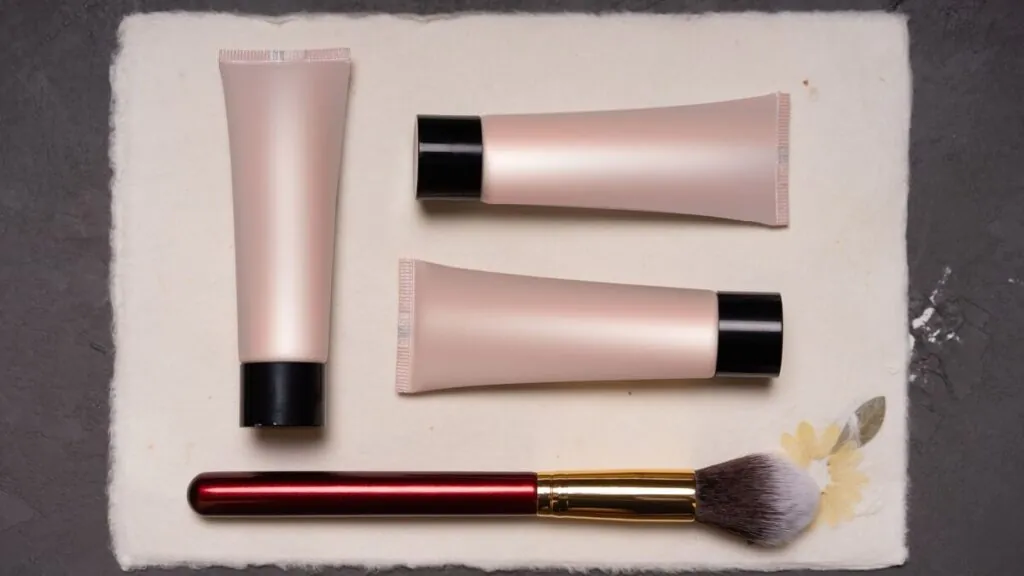
The face skincare products you actually need are just four: a gentle cleanser, a moisturiser, a Broad spectrumA sunscreen label meaning it protects against both UVB rays (which cause burning) and UVA rays (which cause tanning and ageing).See glossaryRead the guide sunscreen and, if you want to target a specific concern, one serum. Everything else, from toners and sheet masks to eye creams and scrubs, is optional and should be added only when you have a clear reason.
That is good news for your skin and your wallet. This guide explains what each product does, which well-known options sold in India suit oily, dry, combination and sensitive skin, and how to put them together into a simple morning and night routine that works in Indian heat, humidity and hard water.
Quick Answer: The Core Face Skincare Kit
- Cleanser: a mild, low-foam face wash such as Cetaphil Gentle Skin Cleanser (dry or sensitive skin) or Simple Kind to Skin Refreshing Facial Wash (normal to oily skin).
- Moisturiser: a light gel like Pond’s Super Light Gel or Neutrogena Hydro Boost Water Gel for humid weather and oily skin; a richer cream for dry skin and winter.
- Sunscreen: SPF (sun protection factor)A measure of protection against UVB rays, which cause sunburn. SPF 30 blocks about 97% of UVB and SPF 50 about 98%, if you apply enough and reapply.See glossaryRead the guide 30 or higher with a PA++++An Asian sunscreen rating for UVA protection. More plus signs mean more protection, with PA++++ the highest.See glossaryRead the guide rating, such as Lakmé Sun Expert SPF 50 PA+++ Ultra Matte Gel or Minimalist Sunscreen SPF 50, every single morning.
- One serum (optional): L’Oréal Paris Revitalift 1.5% Hyaluronic acidA humectant that holds water in the skin for a plump, hydrated look. Despite the name, it is not an exfoliating acid. Apply on damp skin.See glossaryRead the guide Serum for hydration, Garnier Bright Complete Vitamin CAn antioxidant that brightens dull skin, helps fade the look of dark spots and supports sunscreen against daily damage. Best used in the morning.See glossaryRead the guide Booster Serum for dullness, or Minimalist NiacinamideA form of vitamin B3 that helps with oiliness, the look of large pores, uneven tone and barrier support. Gentle and easy to pair with most ingredients.See glossaryRead the guide 10% + Zinc 1% for oil and visible pores.
- Extras only if needed: a gentle exfoliant once or twice a week, an eye cream, a lip balm.
Face Skincare Products Compared
| Product | What it does | Who needs it | When to use | Example picks |
|---|---|---|---|---|
| Cleanser | Removes sweat, oil, sunscreen and pollution | Everyone | AM and PM | Cetaphil Gentle Skin Cleanser, Simple Kind to Skin Refreshing Facial Wash |
| Moisturiser | Keeps water in and supports the Skin barrierThe outermost layer of skin that keeps water in and irritants out. A damaged barrier feels tight, stings and reacts more easily.See glossaryRead the guide | Everyone, including oily skin | AM and PM | Pond’s Super Light Gel, Neutrogena Hydro Boost Water Gel |
| Sunscreen | Protects from UVA and UVB; prevents tanning and dark spots | Everyone, every day | AM, reapply outdoors | Lakmé Sun Expert Ultra Matte Gel, Minimalist Sunscreen SPF 50 |
| Hydrating serum | Adds lightweight hydration under moisturiser | Dry, dehydrated or combination skin | AM or PM | L’Oréal Paris Revitalift 1.5% Hyaluronic Acid Serum |
| Brightening serum | Targets dullness and uneven tone | Tanned or dull skin | AM (vitamin C) or PM (glycolic) | Garnier Bright Complete Vitamin C Booster Serum, L’Oréal Paris Glycolic Bright Instant Glowing Face Serum |
| Oil-control serum | Helps with shine and the look of pores | Oily or acne-prone skin | AM or PM | Minimalist Niacinamide 10% + Zinc 1% |
| Exfoliant | Removes dead skin build-up | Most skin, sparingly | PM, 1–2 times a week | A mild AHA (alpha hydroxy acid)Water-soluble exfoliating acids such as glycolic, lactic and mandelic acid. They loosen dead cells on the surface for smoother, brighter-looking skin.See glossaryRead the guide or BHA product |
The Four Core Face Skincare Products
Think of your routine as a foundation and a toolkit. The foundation is cleanser, moisturiser and sunscreen. Without these three working well, no serum will give you the results you want.
1. Cleanser (Face Wash)
A cleanser removes the day’s sweat, sebum, sunscreen and city grime. In India, where many of us sweat through the afternoon and commute in traffic, washing your face at night is not optional.
Choose a cleanser that leaves your skin comfortable, not squeaky. That tight, stretched feeling means the wash has stripped natural oils, and your skin often responds with more oil or with dry patches. If you wear heavy makeup or water-resistant sunscreen, an oil cleanser or micellar water first, followed by your face wash, does a cleaner job.
- Cetaphil Gentle Skin Cleanser: low-foam and fragrance-light; suits dry, sensitive and normal skin.
- Simple Kind to Skin Refreshing Facial Wash: light foam without harsh scrubbing beads; suits normal, combination and oily skin.
For more options by skin type, see our guide to the best face wash for women in India.
2. Moisturiser
Every skin type needs a moisturiser, oily skin included. Moisturiser keeps water from escaping and protects your skin barrier, which is what stops redness, flaking and sensitivity.
The texture is where you adjust for skin type and season. Gels and water-gels sink in quickly and feel weightless in humid cities like Mumbai, Chennai and Kolkata. Lotions and creams suit dry skin, air-conditioned offices and North Indian winters.
- Pond’s Super Light Gel: a budget, non-greasy gel with hyaluronic acid and vitamin E; ideal for oily and combination skin in summer and monsoon.
- Neutrogena Hydro Boost Water Gel: a mid-range water-gel with hyaluronic acid; good for dehydrated skin that still dislikes heavy creams.
Pros of a gel moisturiser:
- Light, quick to absorb, comfortable under sunscreen
- Less likely to feel sticky in humid weather
Cons:
- May not be enough for very dry skin or winter; switch to a cream then
3. Sunscreen
If you buy only one face product, make it sunscreen. Sun exposure is the biggest cause of tanning, dark spots and early lines on Indian skin, and the UV index in most of India stays high for much of the year.
Look for “broad spectrum”, SPF 30 or more, and a PA rating of PA+++ or higher for UVA protection. Use about two finger-lengths for your face and neck, and reapply every two to three hours when you are outdoors. Read why it still matters in cooler months in our guide to sunscreen in winter.
- Lakmé Sun Expert SPF 50 PA+++ Ultra Matte Gel: a budget, matte gel that suits oily skin.
- Minimalist Sunscreen SPF 50: a lightweight option with minimal white cast on most Indian skin tones.
Pros: prevents new tan and pigmentation, slows visible ageing. Cons: needs reapplication; some formulas pill under makeup, so let it set for a few minutes.
4. One Targeted Serum
Serums are concentrated products for one job. Pick one based on your main concern, use it for at least six to eight weeks, and only then decide whether to add another.
- For dryness or dehydration: L’Oréal Paris Revitalift 1.5% Hyaluronic Acid Serum. Apply on slightly damp skin, then moisturise to lock it in.
- For dullness and uneven tone: Garnier Bright Complete Vitamin C Booster Serum, used in the morning under sunscreen.
- For texture and post-acne marks: L’Oréal Paris Glycolic Bright Instant Glowing Face Serum. Glycolic acid is an exfoliant, so start every other night and always wear sunscreen the next day.
- For oiliness and visible pores: Minimalist Niacinamide 10% + Zinc 1%. Start with a few drops once a day; strong niacinamide can sting some skin at first.
Before layering actives, check our list of skincare ingredients you should not mix. Vitamin C, glycolic acid and retinol all on the same night is a common route to irritation.
Optional Face Products: When They Are Worth It
Toner
Old-style astringent toners were meant to “close pores”, which they cannot do. Modern hydrating toners can add a light layer of moisture, and some exfoliating toners contain mild acids. A toner is useful if you like the feel, but skipping it will not harm your skin. Our cleanser, toner, moisturiser routine guide covers when it helps.
Scrubs and Exfoliants
Dead skin build-up can make skin look dull, so gentle exfoliation once or twice a week helps. Chemical exfoliants (AHAs such as glycolic and lactic acid, or BHA such as salicylic acid) are usually kinder than gritty scrubs with large, rough particles. Ubtan-style scrubs made with finely ground ingredients are fine if you use light pressure and do not overdo them.
Face Masks and Sheet Masks
Clay masks can soak up oil on a humid day, and sheet masks give a quick hydration boost before an event. They are treats, not replacements for daily basics.
Eye Cream and Lip Care
Under-eye skin is thin, so a gentle eye cream can keep it moisturised. No cream will erase genetic dark circles, so be wary of big promises. For lips, a plain balm with SPF during the day is enough for most people.
Are Natural or Ayurvedic Face Products Better?
Many Indian shoppers lean towards products with saffron, rose, turmeric, aloe or plant oils, and some of these feel lovely to use. Ingredients like aloe and rose water can soothe, and turmeric has a long traditional history.
Still, “natural” is not automatically safer. Essential oils and fragrant plant extracts are common triggers for irritation, and a natural product without proper preservation can spoil quickly in Indian heat. Judge a product by its full ingredient list and how your skin responds, not by the label on the front. If you have sensitive skin, read our guide to repairing a damaged skin barrier before trying new botanicals.
How to Choose Face Skincare Products for Your Skin Type
- Oily skin: gel cleanser, oil-free gel moisturiser, matte gel sunscreen, niacinamide serum. Do not skip moisturiser; dehydrated oily skin often gets oilier.
- Dry skin: cream or low-foam cleanser, richer moisturiser with ceramides or glycerin, hyaluronic acid serum on damp skin, a cream-based sunscreen.
- Combination skin: gentle cleanser, light gel all over, and a little extra cream on dry cheeks in winter.
- Sensitive skin: fragrance-free, short ingredient lists, one new product at a time, and avoid strong scrubs and high-strength acids.
- Acne-prone skin: non-comedogenic moisturiser and sunscreen, and a salicylic acid cleanser or serum. See a dermatologist for painful, cystic or scarring acne.
Adjusting for Indian Climate
- Humid summers and monsoon: swap creams for gels, and reapply sunscreen after sweating.
- Dry winters (especially North India): move to a richer moisturiser and cut back on exfoliating acids.
- Hard water: it can leave skin feeling tight after washing. Use a gentle cleanser, rinse with lukewarm water, and moisturise within a minute of drying your face.
- Pollution: double cleanse at night if you commute daily in a big city, and use an antioxidant serum like vitamin C in the morning.
Simple Morning and Night Routine
Morning:
- Rinse or wash with a gentle cleanser.
- Apply your serum (vitamin C, niacinamide or hyaluronic acid).
- Moisturise.
- Apply sunscreen generously as the last skincare step.
Night:
- Remove makeup and sunscreen (oil cleanser or micellar water if needed).
- Wash with your face wash.
- Apply a treatment serum, such as glycolic acid on two or three nights a week.
- Finish with moisturiser.
Patch-test every new product first: apply a little behind your ear or on your jawline for two to three days, and stop if you see redness, itching or bumps.
Common Mistakes With Face Skincare Products
- Buying too many products at once. If your skin reacts, you will not know which one caused it.
- Skipping sunscreen indoors or on cloudy days. UVA passes through clouds and windows.
- Over-exfoliating. Daily scrubs or acids leave skin red, stinging and more prone to breakouts.
- Using lemon juice, baking soda or toothpaste on your face. These irritate and can worsen pigmentation.
- Switching products every week. Most serums need six to eight weeks to show results.
- Ignoring persistent problems. Spreading pigmentation, painful acne or a rash that will not settle needs a dermatologist, not another product.

Frequently Asked Questions
Start with a gentle cleanser, a moisturiser suited to your skin type and a broad-spectrum sunscreen of SPF 30 or higher. Use these consistently for a few weeks before adding a serum. This simple kit covers most everyday skin needs.
Go from thinnest to thickest: cleanser, toner if you use one, serum, moisturiser, and sunscreen last in the morning. At night, skip sunscreen and finish with moisturiser. Give each layer a minute to settle.
For most people, once or twice a week is enough. Sensitive or dry skin may need even less. If your skin feels tight, stings when you apply moisturiser or looks shiny and red, you are exfoliating too often.
Yes. Oily skin can still be dehydrated, and stripping it often triggers more oil. Choose a light, oil-free gel moisturiser such as Pond’s Super Light Gel or Neutrogena Hydro Boost Water Gel.
It depends on why your skin looks dull. Vitamin C serums help with tan and uneven tone, glycolic acid helps with rough texture, and hyaluronic acid helps dehydrated skin look plumper. Whichever you choose, daily sunscreen is what protects the results.
There is no single list for everyone, but people with sensitive skin often react to added fragrance, essential oils and high-strength acids. Avoid harsh DIY ingredients like lemon juice and baking soda. If a product stings, burns or causes bumps, stop using it.
See a dermatologist for painful or cystic acne, acne that leaves scars, pigmentation that keeps spreading, or a rash or itching that does not settle within a couple of weeks. Over-the-counter products are not designed to treat these conditions.
Quick poll
What is your biggest skin concern right now?
Building a Routine That Lasts
The best face skincare products are the ones that suit your skin and that you will use every day. Start with cleanser, moisturiser and sunscreen, add one serum for your main concern, and adjust textures with the seasons. Keep it simple, be patient for six to eight weeks, and let your skin, not trends, decide what stays in your routine.