High Protein Foods in India (2026): Veg and Non-Veg List
A practical list of high protein Indian foods, veg and non-veg, with approx. protein per serving, daily needs, budget options, easy meal swaps and a sample day.

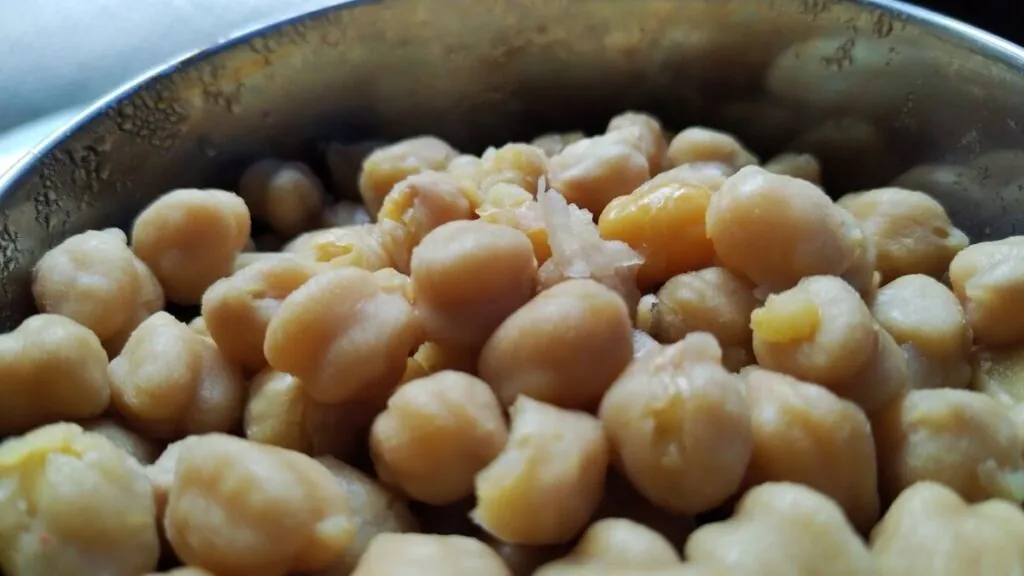
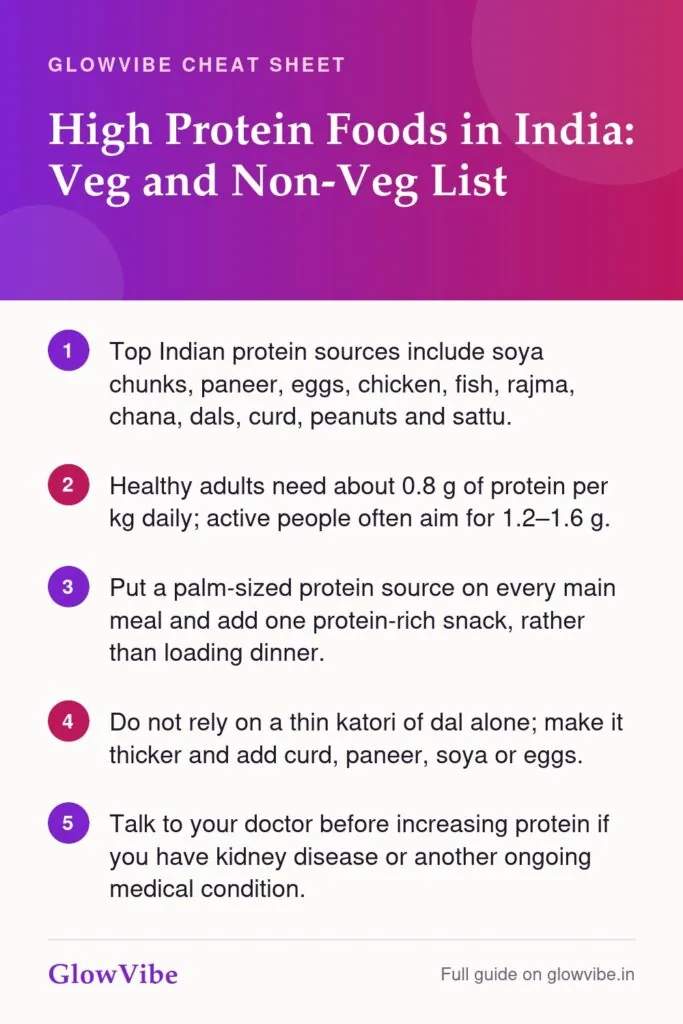
The best high protein foods in India are soya chunks, paneer, eggs, chicken, fish, dals, chana, rajma, curd, peanuts and sattu. If you eat a mix of these across the day, most adults can meet their protein needs from regular home food, whether you are vegetarian or not.
The catch is that a typical Indian plate is heavy on rice, roti and sabzi, and light on protein. This guide gives you a clear protein foods list with approximate values per serving, separate veg, egg and non-veg options, budget picks, and simple swaps that fit the meals you already cook.
Quick answer: top high protein Indian foods
- Soya chunks: the most protein per rupee for vegetarians (approx. 25 g in 50 g dry).
- Chicken breast: lean and easy to cook (approx. 30 g per 100 g cooked).
- Paneer: a vegetarian staple (approx. 18 g per 100 g).
- Eggs: cheap, quick and complete protein (approx. 6 g per large egg).
- Fish and prawns: approx. 20–24 g per 100 g cooked.
- Rajma, chana and dals: approx. 7–13 g per katori cooked, plus fibre.
- Curd, hung curd and milk: easy add-ons at every meal.
- Peanuts, roasted chana and sattu: budget snacks with a protein boost.
How much protein do you need in a day?
A commonly cited baseline for healthy adults is about 0.8 g of protein per kg of body weight per day. Indian dietary guidelines use a very similar figure. So a 60 kg person needs roughly 48 g a day, and a 75 kg person roughly 60 g.
That number is a minimum for sedentary adults, not a target for everyone. People who exercise regularly, do strength training, or are trying to keep muscle while losing weight are often advised to aim higher, commonly in the range of 1.2–1.6 g per kg. Older adults, pregnant and breastfeeding women, and people recovering from illness also tend to need more, so check with your doctor or a registered dietitian if you fall into one of these groups.
A simple rule that works for most people: include a palm-sized protein source at each main meal, and one protein-rich snack. That usually gets you most of the way there without counting grams.
High protein foods list (Indian foods with approx. protein)
All values below are approximate and vary by brand, variety and cooking method. Dal values in particular depend on how thick you make it. Use the table to compare foods, not as exact lab numbers.
| Food | Serving | Approx. protein |
|---|---|---|
| Soya chunks (dry) | 50 g | approx. 25 g |
| Chicken breast (cooked) | 100 g | approx. 30 g |
| Mutton, lean (cooked) | 100 g | approx. 25 g |
| Prawns (cooked) | 100 g | approx. 24 g |
| Fish such as rohu or surmai (cooked) | 100 g | approx. 20 g |
| Paneer | 100 g | approx. 18 g |
| Tofu (firm) | 100 g | approx. 10 g |
| Egg | 1 large | approx. 6 g |
| Egg white | 1 large | approx. 3.5 g |
| Rajma (cooked) | 1 katori (150 g) | approx. 13 g |
| Kabuli or kala chana (cooked) | 1 katori (150 g) | approx. 13 g |
| Dal: moong, masoor, toor (cooked) | 1 katori | approx. 7–9 g |
| Hung curd or Greek-style yogurt | 100 g | approx. 9–10 g |
| Milk | 1 glass (250 ml) | approx. 8 g |
| Curd (dahi) | 1 bowl (200 g) | approx. 7 g |
| Whole moong (dry, for sprouts) | 30 g | approx. 7 g |
| Peanuts | 30 g (a small handful) | approx. 7–8 g |
| Peanut butter | 2 tbsp | approx. 7 g |
| Pumpkin seeds | 30 g | approx. 8 g |
| Besan (gram flour) | 30 g | approx. 6–7 g |
| Sattu | 30 g (about 3 tbsp) | approx. 6 g |
| Roasted chana | 30 g | approx. 6 g |
| Almonds | 30 g | approx. 6 g |
| Green peas (cooked) | 1 cup | approx. 8 g |
| Quinoa (cooked) | 1 cup | approx. 8 g |
| Oats (dry) | 40 g | approx. 5 g |
| Cooked rice | 1 cup | approx. 4 g |
| Whole wheat roti | 1 medium | approx. 3 g |
Protein rich foods for vegetarians in India
If you are wondering how to get protein as a vegetarian, the answer is to stop relying on dal alone. One thin katori of dal at lunch and dinner gives you far less than you need. Build each meal around one strong source and add a smaller one on the side.
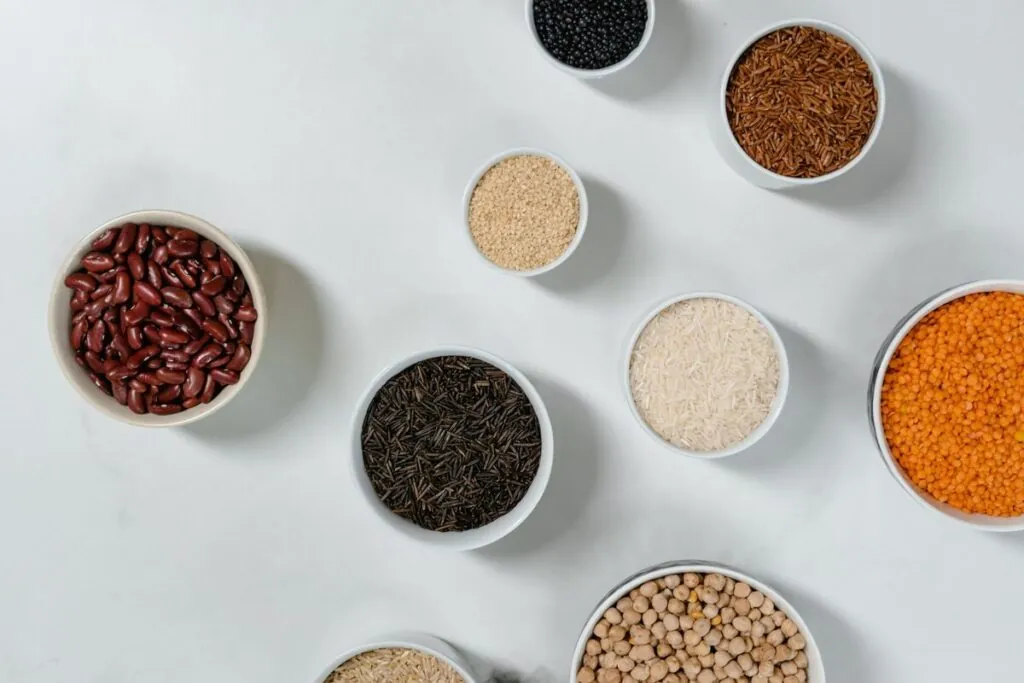
- Soya chunks and soya granules: the densest veg option. Soak, squeeze and add to pulao, curries or a dry masala sabzi.
- Paneer and tofu: paneer bhurji, paneer tikka or tofu stir-fry make an easy main dish. Paneer is also high in fat, so watch portions if you are cutting calories.
- Rajma, chole and lobia: thicker and more filling than most dals, with good fibre.
- Dals and besan: make dal thicker, use besan for chilla and add moong dal to khichdi or dosa batter.
- Dairy: curd, hung curd, buttermilk and milk add protein to almost any meal.
- Nuts and seeds: peanuts, pumpkin seeds and almonds are useful top-ups, but they are calorie-dense, so stick to a handful.
A note on “complete” protein: most single plant foods are low in one or more essential amino acids, but eating pulses and grains across the day covers the gap. Dal-chawal, rajma-rice and chole-roti are classic combinations that already do this. Soya, paneer and other dairy are complete on their own.
Eggs and dairy: the easy middle ground
For eggetarians, eggs are the simplest upgrade. Two boiled eggs give you about 12 g of high-quality protein in five minutes, and an omelette with onion, tomato and a little paneer can cross 20 g. Egg whites add protein with very little fat if you want to add more without extra calories.
Dairy works the same way for vegetarians. Swapping regular curd for hung curd gives you more protein per spoon, and a glass of milk or a bowl of curd with breakfast is an effortless 7–8 g.
Best non-veg protein sources
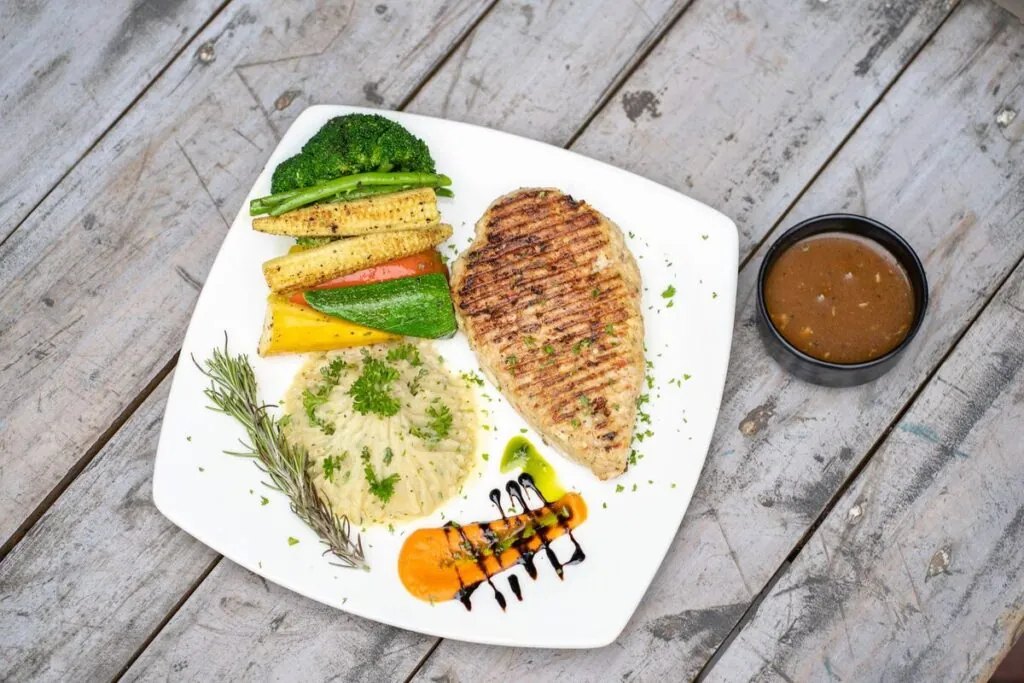
- Chicken breast: lean and versatile. Tandoori, grilled, or in a home-style curry with less oil.
- Fish: rohu, katla, surmai, pomfret and bangda are all good choices. Oily fish like mackerel (bangda) and sardines (mathi) also give omega-3 fats.
- Prawns: very high in protein for a small portion.
- Mutton: good protein, but usually higher in saturated fat. Choose lean cuts and keep it occasional.
Cooking method matters as much as the meat. Deep-fried chicken 65 or a butter-heavy gravy can add more fat than the protein is worth. Grill, roast, steam or make a lighter curry most days.
Budget high protein Indian foods
You do not need imported foods or expensive powders to eat enough protein. These everyday items give the most protein for the money in most Indian cities:
- Soya chunks: usually the cheapest protein per gram.
- Eggs: affordable and need almost no cooking skill.
- Kala chana, moong and other whole pulses: buy dry, soak and cook in bulk.
- Peanuts and roasted chana: ready-to-eat snacks from any kirana store.
- Sattu: a traditional roasted gram flour that you can drink, knead into parathas or mix into chilla batter.
- Home-set curd: cheaper than packaged yogurt, and you can hang it to make thick curd.
Easy ways to add protein to Indian meals
Swap your breakfast
Breakfast is where most Indian diets fall shortest. Poha, upma, white bread or plain paratha are mostly carbs. Try besan or moong dal chilla, paneer or egg bhurji, sprouts poha, moong dal dosa, or oats cooked in milk. Add a bowl of curd on the side and you have 15–20 g before 10 am.
Pair dal with grain, and make it thicker
Keep dal-chawal and dal-roti, but serve a fuller katori of thicker dal and a slightly smaller portion of rice. Mixing two dals, such as moong and masoor, or adding a handful of chana to the cooker also helps.
Add curd to every meal
Raita at lunch, buttermilk in the afternoon, and hung curd as a dip or sandwich spread are easy additions.
Use sprouts, paneer and soya chunks as add-ins
Toss moong sprouts into chaat, salads or poha. Crumble paneer into parathas and sabzis. Add soaked soya chunks or granules to pulao, keema-style dishes or vegetable curries.
Drink sattu instead of a sugary drink
A glass of sattu with water, lemon, roasted jeera and a pinch of salt is filling and cooling. It is a far better afternoon option than a packaged juice or a cup of sweet chai with biscuits.
Sample high protein day (vegetarian, approx. 60–70 g)
This is an example for a moderately active adult of around 60–70 kg. Adjust the portions to your own needs.
| Meal | What to eat | Approx. protein |
|---|---|---|
| Breakfast | 2 besan chillas with onion and tomato, 1 bowl curd | approx. 15–16 g |
| Mid-morning | A handful of roasted chana | approx. 6 g |
| Lunch | 2 rotis, 1 katori thick dal, sabzi, salad | approx. 15 g |
| Evening | Sattu drink or moong sprouts chaat | approx. 6–7 g |
| Dinner | Paneer bhurji (about 75 g paneer), 2 rotis, vegetables | approx. 19 g |
| Optional | 1 glass milk | approx. 8 g |
Non-veg or egg version: swap the chillas for a 2–3 egg omelette and the paneer bhurji for about 100 g of grilled chicken or fish curry. That pushes the total to roughly 75–85 g without adding much food.
If your goal is building muscle, see our Indian muscle gain diet plan for full meal plans and calorie guidance. If you are trying to lose weight, our guide to protein-rich foods for weight loss focuses on lower-calorie, filling options.
Common mistakes when trying to eat more protein
- Counting dal as your only source. A watery katori of dal often gives just a few grams.
- Loading it all into dinner. Spreading protein across breakfast, lunch and dinner is easier on digestion and keeps you fuller through the day.
- Ignoring calories. Paneer, nuts, peanut butter and fried snacks are protein sources, but also very calorie-dense.
- Trusting “protein” labels blindly. Many protein bars, cookies and namkeens have only a few grams of protein and a lot of sugar or oil. Read the nutrition panel.
- Jumping to very high intakes overnight. A sudden jump in pulses, soya or powders can cause bloating. Increase gradually and drink enough water.
- Forgetting fibre and vegetables. A high protein diet still needs vegetables, fruit and whole grains for gut health.
Do you need protein supplements?
For most people, no. Food comes first, and the foods above are enough to meet everyday needs. Protein powders can be a convenient option if you train hard, have a very busy routine, or struggle to eat enough food, but they are optional rather than essential.
If you do use one, check the label for protein per scoop and added sugar, and count it as part of your daily total rather than on top of an already high intake. Our article on common myths about whey protein clears up some of the usual confusion.
Important: if you have kidney disease, diabetes with kidney involvement, or any other ongoing medical condition, talk to your doctor before increasing protein or starting a supplement. The same applies during pregnancy and for children and teenagers.
Protein also works best with regular movement. If you are just starting, a structured routine like our 7-day gym workout schedule for women pairs well with the eating ideas here.
Frequently Asked Questions
Among vegetarian foods, dry soya chunks are the highest, at roughly half their weight in protein. For non-vegetarians, chicken breast, prawns, fish and lean mutton give the most per serving. Paneer and eggs are close behind and easy to eat daily.
Include one strong source at every meal, such as paneer, soya chunks, rajma, chana or a thick dal, and add curd or milk alongside. Use roasted chana, sprouts or sattu as snacks. The sample day above shows how this adds up to around 60–70 g with normal Indian food.
Two eggs give about 12 g of protein, which is a good start but well short of what most adults need in a full day. Treat eggs as one part of your intake and add dal, dairy, meat or other sources at your other meals.
Yes, dal is a useful plant protein, but a typical katori gives only about 7–9 g, and less if it is very thin. Make it thicker, eat a fuller portion, and pair it with rice or roti so the amino acids complement each other.
Soya chunks give more protein for fewer calories and less money. Paneer gives less protein per gram and more fat, but it is more filling for many people and also provides calcium. Using both through the week is a sensible approach.
For healthy adults, moderately higher protein from food is generally considered safe. Very high intakes can crowd out other foods and cause digestive discomfort. People with kidney disease or other medical conditions should follow their doctor’s advice on protein limits.
Milk is a moderate source, with about 8 g in a 250 ml glass, along with calcium. It is a handy add-on at breakfast or bedtime, but on its own it will not cover your daily needs.
The bottom line
Getting enough protein in an Indian diet is less about special foods and more about planning. Start with about 0.8 g per kg as a baseline, aim higher if you are active, and put a clear protein source on every plate. Soya, paneer, eggs, chicken, fish, pulses, curd and sattu can do almost all the work, on any budget.