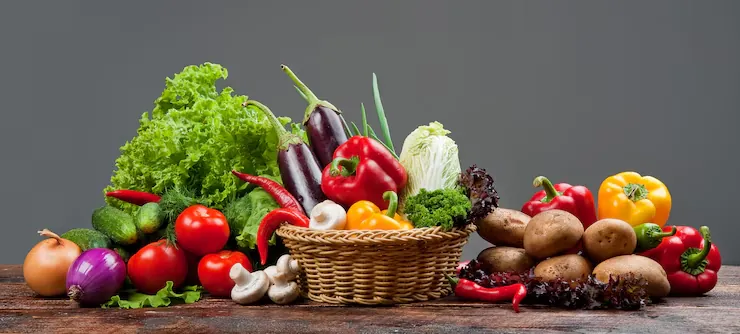
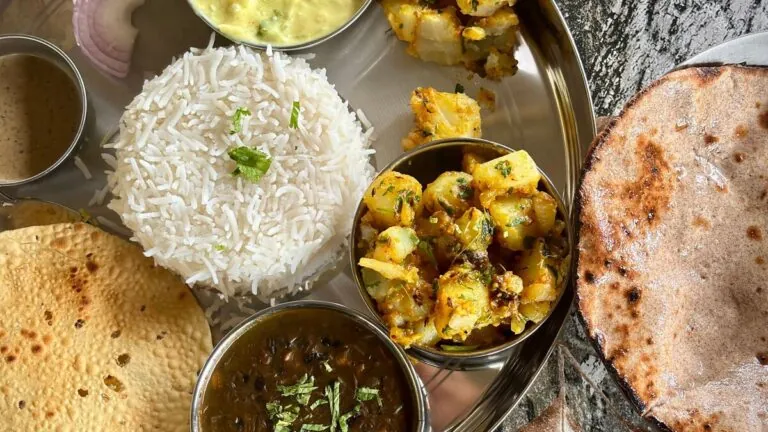
Muscle Gain Diet Plan (Indian, Veg and Non-Veg): What to Eat in 2026
A practical Indian muscle gain diet plan: calorie surplus, protein targets, a high protein foods table, veg and non-veg sample days, workout meals and budget tips.

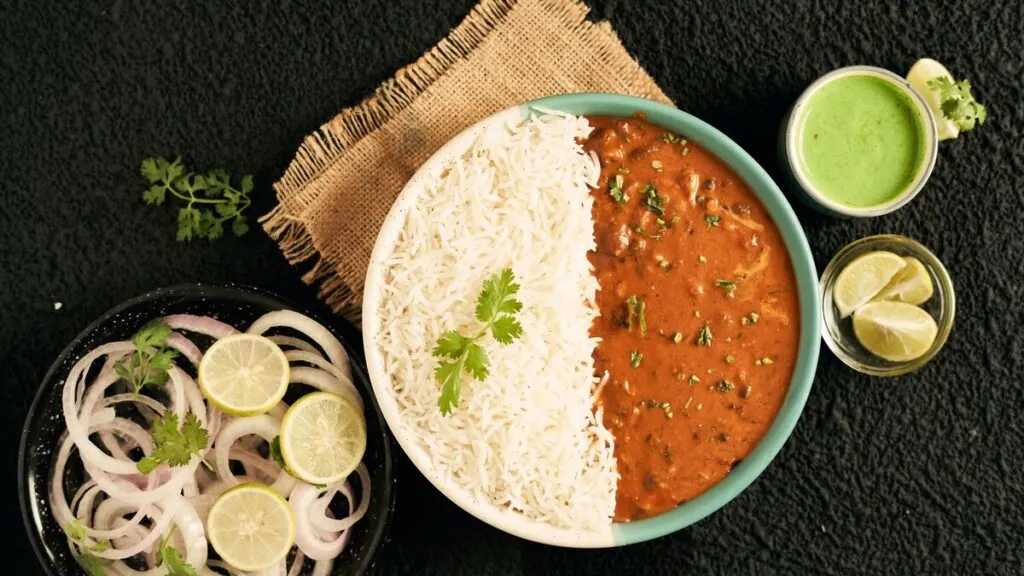
A good muscle gain diet plan comes down to three things: eat slightly more calories than you burn, get enough protein every day (about 1.6 g per kg of body weight is a commonly cited guide), and fuel your training with carbs. You can do all of this with everyday Indian food, vegetarian or non-vegetarian, without expensive supplements.
This guide gives you the basics, a table of high protein Indian foods, two sample one-day plans (veg and non-veg), what to eat before and after a workout, and the mistakes that slow most people down.
Muscle gain diet plan: the quick answer
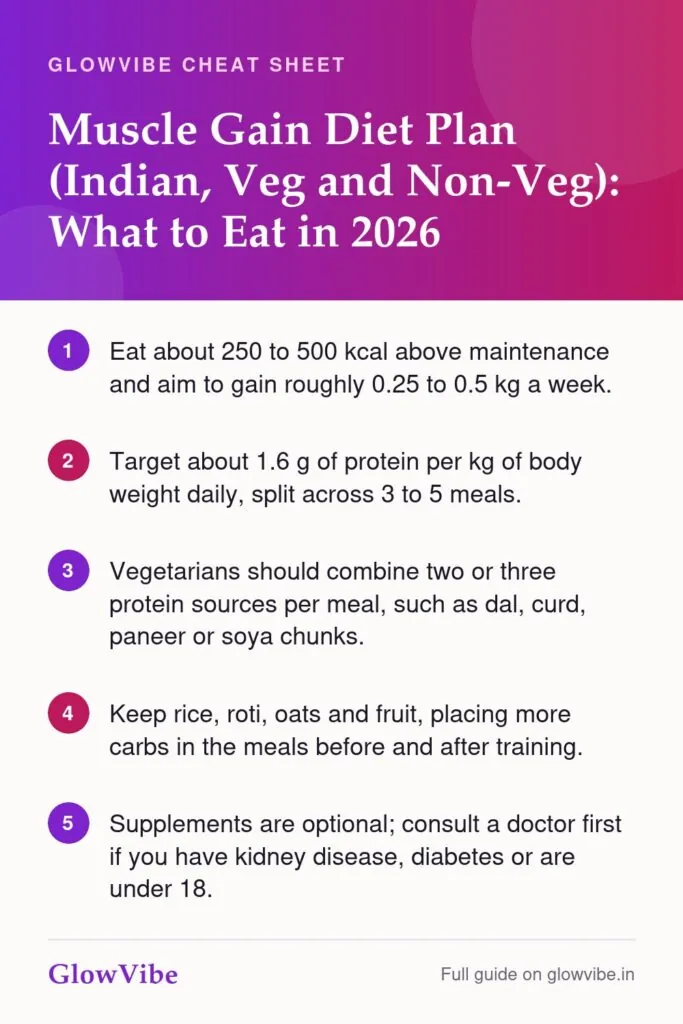
- Calories: eat a modest surplus, roughly 250 to 500 kcal above your maintenance, so you gain mostly muscle rather than fat.
- Protein: aim for about 1.6 g per kg of body weight per day as a general guide (around 110 g for a 70 kg person), spread over 3 to 5 meals.
- Carbs: keep rice, roti, oats, poha and fruit in your diet, especially in the meals before and after training.
- Fats: include ghee, nuts, seeds and cooking oil in sensible amounts; they add calories and support overall health.
- Training and sleep: food only works alongside progressive strength training and 7 to 9 hours of sleep.
- Supplements: optional. Whey and creatine can be convenient, but a well-planned Indian diet covers the basics.
High protein Indian foods: a quick comparison
Values below are approximate and vary with brand, recipe and portion size. Use them to plan meals, not as exact lab figures.
| Food | Typical serving | Protein (approx.) | Veg / Non-veg |
|---|---|---|---|
| Chicken breast (cooked) | 100 g | approx. 30 g | Non-veg |
| Fish (cooked, e.g. rohu, surmai) | 100 g | approx. 20 g | Non-veg |
| Mutton (cooked, lean) | 100 g | approx. 25 g | Non-veg |
| Whole egg | 1 large | approx. 6 g | Eggetarian |
| Soya chunks (dry weight) | 50 g | approx. 25 g | Veg |
| Paneer | 100 g | approx. 18 g | Veg |
| Tofu (firm) | 100 g | approx. 10 to 15 g | Veg |
| Rajma or chole (cooked) | 1 cup | approx. 12 to 15 g | Veg |
| Dal (cooked) | 1 katori | approx. 7 to 9 g | Veg |
| Milk | 1 glass (250 ml) | approx. 8 g | Veg |
| Curd / dahi | 1 cup (200 g) | approx. 6 to 8 g | Veg |
| Peanuts | 30 g (a small handful) | approx. 7 g | Veg |
| Roti (whole wheat) | 1 medium | approx. 3 g | Veg |
| Whey protein | 1 scoop | approx. 20 to 25 g (check label) | Veg (dairy) |
Notice that a single katori of dal does not go very far. Vegetarians usually need two or three good protein sources per meal, such as dal plus curd plus paneer, to reach their target.
The basics of a diet for muscle gain
1. A modest calorie surplus
Muscle needs building material and energy, so you have to eat a little more than you burn. A surplus of about 250 to 500 kcal a day is a sensible starting point. Beginners tend to do well at the lower end; very lean people with fast metabolisms may need more.
Weigh yourself first thing in the morning a few times a week and track the weekly average. A slow, steady rise of roughly 0.25 to 0.5 kg per week is a reasonable pace. If your waist is growing much faster than your lifts, trim the surplus.
2. Enough protein, spread through the day
About 1.6 g of protein per kg of body weight per day is a commonly cited general guide for people doing strength training. For a 60 kg person that is roughly 95 g; for 80 kg, roughly 130 g. Splitting it into 3 to 5 meals of 20 to 40 g each is easier on digestion and on your schedule than one huge serving.
3. Carbs around your training
Carbohydrates fuel heavy sets and help you recover between sessions. You don’t need to cut rice or roti. Simply place a larger share of your carbs in the meal before your workout and the meal after it, and keep the rest of your plate balanced with vegetables and protein.
4. Healthy fats and fibre
A teaspoon of ghee on dal, a handful of nuts or a spoon of peanut butter adds calories without much volume, which helps if you struggle to eat enough. Keep vegetables, fruit and whole grains in the mix for fibre and micronutrients.
5. Sleep and recovery
Muscles grow while you recover, not while you lift. Aim for 7 to 9 hours of sleep and at least one or two rest days a week. Pair your diet with a structured plan such as a push pull legs workout routine so every muscle group gets trained and rested in turn.
Vegetarian diet plan for muscle gain (sample day)
This sample is built for a person of about 70 kg training in the evening. Scale portions up or down to suit your body weight, appetite and calorie needs. Protein figures are approximate.
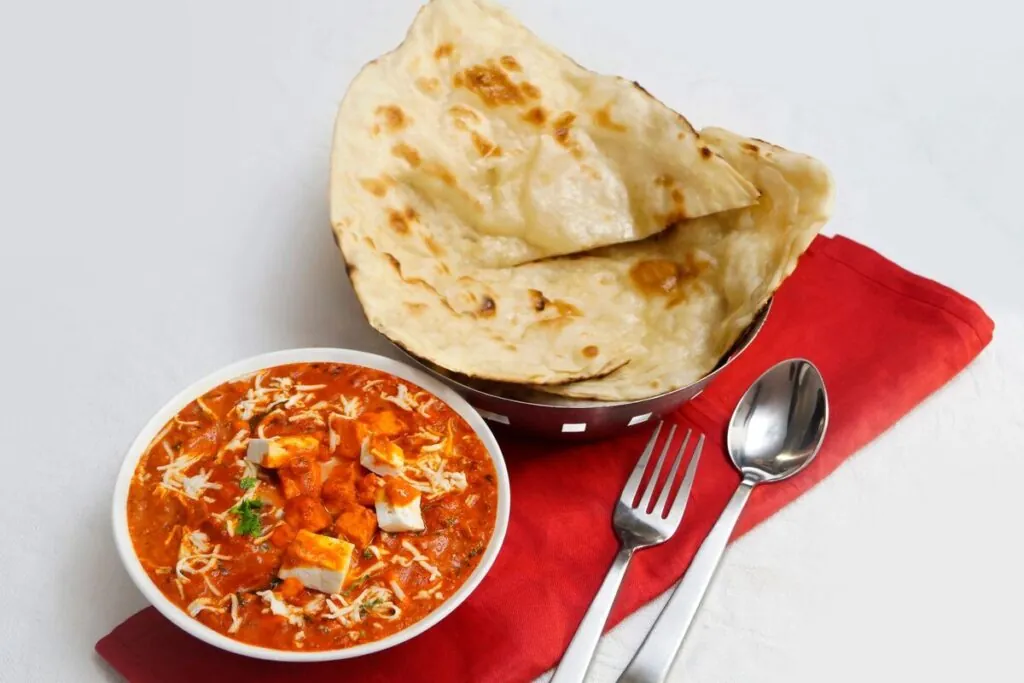
| Time | Meal | Protein (approx.) |
|---|---|---|
| Early morning | 1 glass milk + a handful of almonds | approx. 11 g |
| Breakfast | 2 besan chillas stuffed with 50 g grated paneer, mint chutney | approx. 20 g |
| Mid-morning | 1 cup curd with a fruit (banana, papaya or apple) | approx. 7 g |
| Lunch | 1 cup rajma, 1 cup rice, 1 roti, salad | approx. 20 g |
| Pre-workout | 1 banana + 1 tbsp peanut butter, or a small bowl of poha | approx. 5 g |
| Dinner (post-workout) | Soya chunk curry (50 g dry), 2 rotis, 1 katori dal, sabzi | approx. 39 g |
| Total | approx. 100 to 105 g |
To push this closer to 110 g, add a glass of milk or a bowl of hung curd at night, or swap the curd snack for roasted chana. Eggetarians can replace the besan chillas with a 3-egg bhurji.
Non-vegetarian Indian diet plan for muscle gain (sample day)
Same assumptions: about 70 kg, evening training. Non-veg sources are protein-dense, so this plan reaches the target with smaller portions.
| Time | Meal | Protein (approx.) |
|---|---|---|
| Early morning | 1 glass milk + a handful of almonds | approx. 11 g |
| Breakfast | 3-egg omelette with onion and tomato, 2 slices whole-wheat bread | approx. 25 g |
| Mid-morning | 1 cup curd with a fruit | approx. 7 g |
| Lunch | Chicken curry (about 120 g boneless chicken), 1 cup rice, 1 roti, salad | approx. 42 g |
| Pre-workout | 1 banana + 1 tbsp peanut butter | approx. 5 g |
| Dinner (post-workout) | Grilled or curried fish (about 120 g), 2 rotis, 1 katori dal, sabzi | approx. 38 g |
| Total | approx. 125 to 130 g |
Rotate chicken, fish, eggs and occasional lean mutton through the week. Prefer tandoori, grilled, bhuna or home-style curries over deep-fried dishes so your surplus comes from real food, not just oil.
Pre-workout and post-workout meals
Before training (60 to 90 minutes ahead): choose something light, carb-focused and easy to digest. Good options are a banana with peanut butter, poha or upma, a couple of idlis, a roti with a little paneer, or oats made with milk. Avoid heavy, oily food right before lifting, especially in summer.
After training (within a couple of hours): have a proper meal with protein and carbs. Dal-rice with curd, roti with chicken or paneer, egg bhurji with toast, or a milk-and-banana shake all work. There’s no need to rush to a shaker the second you finish; your total daily intake matters more than the exact timing.
In hot, humid Indian weather you lose a lot of fluid through sweat. Drink water through the day and around your session, and add nimbu paani with a pinch of salt or coconut water on very sweaty days.
Do you need supplements like whey or creatine?
No, supplements are optional. Food comes first, and many people build muscle without any powders at all. That said, two supplements are widely used and well studied:
- Whey protein: simply a convenient, dairy-based protein source. It helps if you’re vegetarian, travel a lot or can’t eat enough food. Our article on common myths about whey protein clears up the usual worries.
- Creatine monohydrate: one of the most researched sports supplements, commonly used at about 3 to 5 g a day to support strength training performance. It is not a steroid.
- BCAAs and mass gainers: usually unnecessary. If your protein intake is adequate, BCAAs add little, and many mass gainers are mostly sugar. Homemade shakes with milk, banana, oats and peanut butter do the same job.
If you have kidney disease, diabetes or any other medical condition, are under 18, pregnant or on medication, talk to your doctor before starting any supplement or a high-protein diet. Buy only from authorised sellers and check for an FSSAI licence number on the pack, as counterfeit supplements are a real problem in India.
Bulking diet on a budget: Indian tips
- Soya chunks are your best friend. They’re among the cheapest high protein Indian foods per gram of protein. Add them to pulao, curries or a dry masala.
- Eggs and milk are affordable, easy to cook and available everywhere.
- Buy dals, chana and rajma in bulk and pressure-cook a batch for two or three days.
- Peanuts beat almonds on cost and still give protein and healthy fats. Roasted chana is another cheap, filling snack.
- Make paneer or hung curd at home from milk if packaged versions stretch your budget.
- Treat whey as a top-up, not a base. Spend on food first; add a powder only if you still fall short.
For more ideas, our list of protein-rich foods works just as well for bulking; you simply eat larger portions alongside more carbs.
Common muscle gain diet mistakes
- “Dirty bulking”: eating samosas, sweets and fast food to hit calories. You’ll gain weight, but much of it will be fat.
- Assuming dal-roti is enough protein. A typical vegetarian thali is often well short of 1.6 g per kg. Count your protein for a week to see where you stand.
- Skipping breakfast and trying to cram everything into dinner.
- Not training progressively. Without gradually lifting heavier or doing more reps, extra food has nothing to build. Follow a plan such as our back exercises for gym beginners or shoulder exercises in the gym and log your sets.
- Cutting carbs out of fear of fat gain. Low-carb eating makes heavy training harder and recovery slower.
- Poor sleep and too little water, both of which quietly stall progress.
- Expecting fast results. Real muscle gain is slow; judge your diet over months, not days.
Frequently Asked Questions
A commonly cited general guide is about 1.6 g of protein per kg of body weight per day for people doing regular strength training. For a 70 kg person, that’s roughly 110 g, spread across 3 to 5 meals. Your needs can vary, so treat this as a starting point.
Yes. Paneer, soya chunks, tofu, dal, rajma, chole, milk and curd can easily cover your needs if you plan for them. The key is to include two or three protein sources in each main meal rather than relying on dal alone.
Start with about 250 to 500 kcal above your maintenance calories. Track your weekly average weight; if it isn’t moving after two or three weeks, add a little more food, and if it’s rising quickly, cut back slightly.
No. Whey is just a convenient protein source and can help if you find it hard to eat enough. If your meals already meet your protein target, you don’t need it. Check with your doctor first if you have kidney problems or another medical condition.
Keep your protein the same, because recovery happens on rest days. You can reduce carbs slightly if you like, but many people simply eat the same way every day for simplicity.
Both work. Rice is easy to digest and handy before or after training, while whole-wheat roti adds a bit more fibre and protein. Choose what suits your taste and region, and focus on total calories and protein.
With consistent training and eating, most beginners notice strength gains within a few weeks and visible changes over two to three months. Progress varies with age, genetics, sleep and how regularly you train.
Start simple and stay consistent
The best muscle gain diet plan is one you can follow every day. Eat a small calorie surplus, hit roughly 1.6 g of protein per kg from foods you enjoy, keep carbs around your workouts and protect your sleep. Pick the veg or non-veg sample day above, adjust portions to your weight, and review your progress every few weeks.
Pair it with steady, progressive training, for example a structured weightlifting program, and give it a few months. Results come from consistency, not shortcuts.