
Workout Plan for Weight Loss for Females: 4-Week Beginner Plan (2026)
A beginner-friendly 4-week workout plan for weight loss for females, with home and gym options, a sample weekly table, Indian diet basics and realistic expectations.

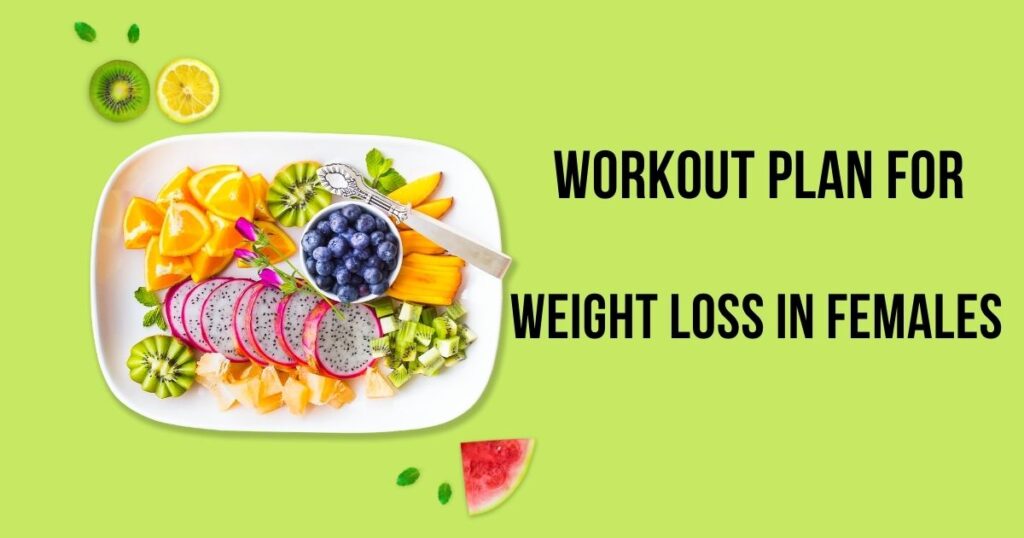
The best workout plan for weight loss for females combines strength training three times a week, daily walking or light cardio, and a few minutes of mobility work, alongside a modest calorie deficit and good sleep. Below is a simple 4-week beginner plan you can follow at home or in the gym, with a sample weekly table, how to progress, and what results to realistically expect.
You don’t need two-hour gym sessions or crash diets. You need a plan you can repeat week after week, enough protein on your plate, and patience. Let’s build that plan.
A quick safety note: if you are pregnant, postpartum, recovering from surgery or an injury, or have a condition such as high blood pressure, diabetes, thyroid issues, heart or joint problems, check with your doctor before starting a new exercise routine.
How weight loss actually works
Fat loss happens when your body uses more energy than you eat over a period of weeks. This is called a calorie deficit. Exercise helps you burn a little more, but the food on your plate usually has the bigger effect on the deficit.
So why work out at all? Because exercise decides what you lose. Strength training helps you hold on to muscle while you lose fat, which keeps you stronger, improves how your body looks and feels, and supports healthy ageing. Walking and cardio add to your daily energy use and help your heart. Sleep ties it together: when you sleep badly, hunger and cravings usually go up and workouts feel harder.
Think of it as three pillars that work together:
- Diet: a small, steady calorie deficit with enough protein.
- Exercise: strength training for muscle, walking or cardio for extra movement and heart health.
- Sleep and recovery: around 7–9 hours a night for most adults, plus rest days.
The 4-week beginner workout plan for weight loss
This plan is built for women who are new to exercise or coming back after a long break. Each week has three short strength sessions, a daily step goal, one or two cardio sessions, and mobility work. Strength days should take about 35–45 minutes including warm-up.
- Strength training: 3 days a week, full body, with at least one rest day in between (for example Monday, Wednesday, Friday).
- Walking: a daily step goal you raise slowly. Start from what you do now and add about 1,000 steps a day each week.
- Cardio: 1–2 sessions of brisk walking, cycling, skipping, swimming or dancing for 20–30 minutes.
- Mobility: 10 minutes of stretching or gentle yoga on rest days, and a 5-minute warm-up before every workout.
Sample week: workout plan table
Here is what a typical week looks like. Swap days around to suit your work, college or family schedule. Just keep a rest or easy day between strength sessions.
| Day | Workout | Time | Notes |
|---|---|---|---|
| Monday | Strength A (full body) + walk | 40 min + steps | Squats, push-ups, rows, glute bridges, plank |
| Tuesday | Brisk walk or cardio | 25–30 min | You should be able to talk, but not sing |
| Wednesday | Strength B (full body) + walk | 40 min + steps | Lunges, shoulder press, deadlift pattern, side plank |
| Thursday | Mobility + easy walk | 15–20 min | Stretching or gentle yoga |
| Friday | Strength A (full body) + walk | 40 min + steps | Try one more rep than Monday |
| Saturday | Fun cardio | 30 min | Cycling, swimming, dance class, badminton, a hike |
| Sunday | Rest | – | Light walking is fine; plan meals for the week |
Strength A and B: home and gym options
Every exercise has a home version (bodyweight, a pair of dumbbells or a resistance band) and a gym version. Pick whichever you have access to. Do each exercise for the sets and reps in the 4-week progression below, resting 60–90 seconds between sets.
| Movement | Home option | Gym option |
|---|---|---|
| Squat (A) | Chair squat or bodyweight squat; hold a water bottle or dumbbell when easy | Goblet squat or leg press |
| Push (A) | Wall or kitchen-counter push-ups, then knee push-ups | Dumbbell chest press or chest press machine |
| Pull (A) | Resistance band row or one-arm dumbbell row | Seated cable row or lat pulldown |
| Hips (A) | Glute bridge on the floor | Hip thrust or glute bridge with a dumbbell |
| Lunge (B) | Reverse lunge holding a chair for balance, or step-ups on a sturdy step | Dumbbell reverse lunge or split squat |
| Shoulders (B) | Band or light dumbbell overhead press | Seated dumbbell shoulder press |
| Hinge (B) | Dumbbell or backpack Romanian deadlift | Dumbbell or kettlebell Romanian deadlift |
| Core (A and B) | Plank (A), side plank or dead bug (B) | Same, or cable Pallof press |
If you want more core variety on top of this, our core workout plan at home has extra moves you can rotate in. If you’re training in a gym, the back exercises for gym beginners guide explains rows and pulldowns in more detail.
Warm-up and cool-down
Before each session, spend 5 minutes marching on the spot, doing arm circles, hip circles, bodyweight squats and a few cat-cow stretches. Afterwards, stretch your hips, hamstrings, chest and calves for a few minutes. This helps you move better and feel less stiff the next day.
How to progress week by week
The key to results is progressive overload: doing slightly more over time. That can mean one more rep, a slightly heavier weight, an extra set, or a few more minutes of walking. Here’s a simple 4-week progression:
| Week | Strength | Walking | Cardio |
|---|---|---|---|
| Week 1 | 2 sets of 10 reps; learn the form | Your current steps + 1,000 | 1 session, 20 min |
| Week 2 | 2 sets of 12 reps | + another 1,000 steps | 2 sessions, 20 min |
| Week 3 | 3 sets of 10 reps; add a little weight if 12 felt easy | + another 1,000 steps | 2 sessions, 25 min |
| Week 4 | 3 sets of 12 reps | Hold your new step count | 2 sessions, 30 min |
For planks, start with 3 holds of 15–20 seconds and add 5 seconds each week. The last two reps of each set should feel challenging but still controlled. If your form breaks down, the weight is too heavy.
After week 4, keep going with the same structure and keep adding reps or weight. Once the basics feel solid, you could add one short interval session; our guide to HIIT workouts explains how. Later, you might move to a split such as a push pull legs routine.
Realistic expectations
A commonly cited safe rate of weight loss is about 0.5–1 kg per week at most, and many women lose more slowly than that. That is normal. Results depend on your starting point, diet, sleep, stress, hormones, medications and health conditions, so no plan can promise a number.
Your weight will also go up and down day to day because of water, salt, digestion and your menstrual cycle. Look at the trend over 3–4 weeks rather than single days. Track other signs too:
- Waist and hip measurements, taken once every two weeks.
- How your clothes fit.
- Strength gains, like more reps or heavier dumbbells.
- Energy, mood and sleep quality.
Indian diet basics for weight loss
You don’t need a fancy diet. Most Indian home food works well for weight loss with a few tweaks. The biggest one is adding protein to every meal, because protein keeps you fuller and supports your muscles while you train.
- Protein at each meal: dal, paneer, eggs, curd, chana, rajma, moong sprouts, tofu, chicken or fish.
- Half your plate vegetables: sabzi, salad, raita with cucumber, or a bowl of soup.
- Watch portions of rice, roti and oil: you don’t have to cut them out, just serve a little less and go easy on ghee and fried snacks.
- Drink calories count: sweet chai, packaged juices, cold coffee and soft drinks add up quickly.
- Stay hydrated: especially in Indian summers, when you sweat more on walks.
A simple day might look like besan chilla with curd for breakfast, dal, sabzi, one or two rotis and salad for lunch, roasted chana or fruit as a snack, and paneer or egg bhurji with vegetables for dinner. For more ideas, see our list of protein-rich foods for weight loss. If you have a medical condition or want a personalised plan, a registered dietitian can help.
Women-specific notes
Strength training won’t make you “bulky”
This is the most common worry, and it’s a myth for beginners. Building large muscles takes years of heavy, focused training and eating to gain weight. What most women notice from lifting is a firmer, more toned look, better posture and more everyday strength.
Adjusting your workouts around periods
You can usually keep exercising during your period, and gentle movement may even ease cramps for some women. On days when you feel tired or have heavy flow or pain, swap a strength session for a walk, stretching or lighter weights. Some women also feel stronger in the first half of their cycle; listen to your body and adjust. Very painful or irregular periods are worth discussing with a gynaecologist.
PCOS, thyroid and other conditions
If you have PCOS or a thyroid condition, losing weight can feel slower, and the same general approach of strength training, walking and protein-rich meals is often recommended. But please see a doctor for diagnosis and guidance, as you may need tests, medication or a tailored diet. Don’t rely on a generic plan alone.
Pregnancy and postpartum
Exercise during pregnancy and after childbirth needs your doctor’s go-ahead. After delivery, especially a C-section, your core and pelvic floor need time to recover before you return to planks, jumping or heavy lifting.
Common mistakes to avoid
- Doing only cardio: you burn calories but may lose muscle along with fat. Keep the three strength days.
- Eating too little: crash diets leave you tired, hungry and likely to quit. Aim for a small deficit you can sustain.
- Starting too hard: going from zero to daily intense workouts often leads to soreness, injury or burnout.
- Skipping protein: a plate of only rice, roti or poha won’t keep you full for long.
- Chasing spot reduction: crunches won’t burn belly fat specifically. Fat loss happens across the whole body.
- Weighing yourself obsessively: daily swings are mostly water. Watch the monthly trend.
- Ignoring sleep: late nights make cravings and low energy much harder to manage.
Frequently asked questions
What is the best workout plan for weight loss for females?
For most beginners, the best plan is full-body strength training three times a week, a daily walking goal, one or two cardio sessions, and some mobility work. Pair it with protein-rich meals in a small calorie deficit and enough sleep. The best plan is the one you can stick to for months, not just a couple of weeks.
Can I lose weight by working out at home?
Yes. Bodyweight exercises, a pair of dumbbells or a resistance band, plus brisk walks, are enough to follow this plan. What matters most is consistency, gradually making workouts harder, and your diet. A gym simply gives you more equipment to progress with.
How much weight can I lose in a month?
It varies a lot from person to person. A commonly cited safe rate is up to about 0.5–1 kg a week, and slower loss is completely normal. Avoid plans that promise a fixed number of kilos, and see a doctor if you’re losing weight quickly without trying.
Is walking enough to lose weight?
Walking is a great base and can support weight loss when combined with a calorie deficit. Adding strength training helps you keep muscle and look more toned as you lose fat. If walking is all you can do right now, start there and add strength work later.
Should I work out during my period?
You can if you feel up to it. Many women do lighter sessions, walks or yoga on heavy or painful days and return to normal training afterwards. Rest if you need to, and talk to a doctor if cramps are severe.
How many rest days do I need?
In this plan you get at least one full rest day and one easy mobility day each week, with rest between strength sessions. If you feel constantly sore, tired or your performance drops, take an extra rest day. Recovery is when your body adapts to the training.
What if my weight stops going down?
Plateaus are common. First check the basics honestly: portions, snacks, drinks, steps and sleep. Small changes, like adding 1,000–2,000 daily steps or tightening portions slightly, often get things moving again; if nothing changes for several weeks, speak to a doctor or dietitian.
Start this week
Pick your three strength days, set a step goal just above what you do now, and add protein to your next meal. Follow the 4-week plan, add a little each week, and judge your progress by the monthly trend, not the daily scale. Small, steady habits will take you much further than any quick fix.


Join the conversation