Protein-Rich Foods for Weight Loss: Indian Veg & Non-Veg Guide (2026)
The best Indian protein-rich foods for weight loss, how much protein each serving gives, how much you need, and sample vegetarian and non-vegetarian day plans.

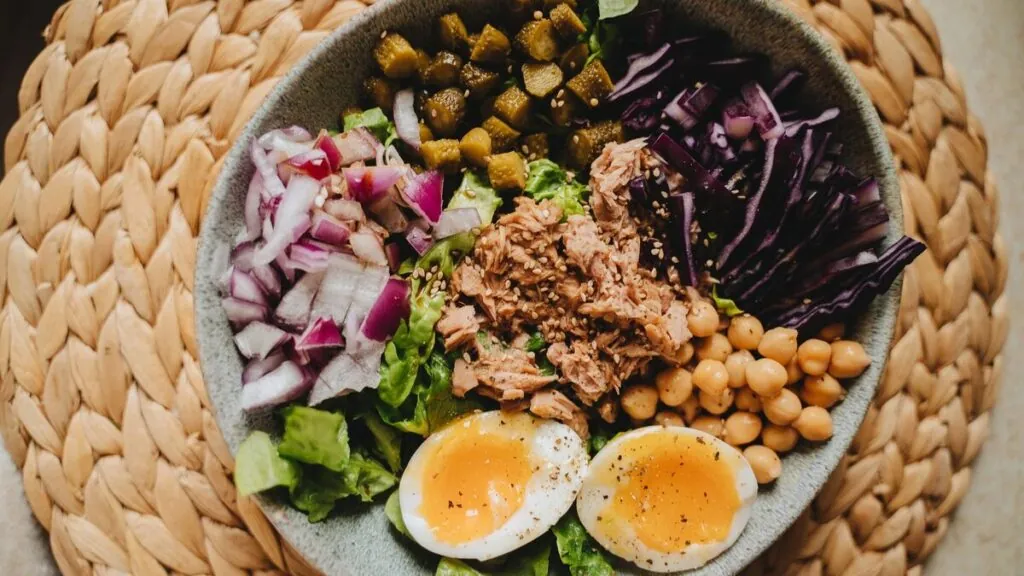
The best protein-rich foods for weight loss in India are already in your kitchen: dal, paneer, curd, eggs, soya chunks, chana, rajma, sprouts, fish and chicken. Build every meal around one of them, keep portions sensible, and you will feel fuller on fewer calories while protecting the muscle you want to keep.
The typical Indian plate is heavy on rice, roti and sabzi, with a small katori of dal doing all the protein work. That is the gap most people need to close. Below you will find how much protein each common food gives you, how much you actually need, and two sample day plans, one vegetarian and one non-vegetarian.
Quick answer: the top Indian protein foods for weight loss
- Soya chunks – the most protein per rupee and per calorie among vegetarian staples.
- Paneer – rich and filling; low-fat or toned-milk paneer keeps calories in check.
- Eggs – cheap, quick and easy to portion; egg whites are almost pure protein.
- Chicken breast and fish – the leanest high-protein options for non-vegetarians.
- Curd and hung curd – easy protein at breakfast or as a snack, plus it cools you down in summer.
- Dal, chana, rajma and sprouts – protein plus fibre, which together keep hunger quiet for hours.
Protein in common Indian foods (approximate, per typical serving)
The figures below are approximate. Protein varies by brand, variety, how thick your dal is and how much water a food absorbs while cooking, so treat them as a practical guide rather than lab values. For packaged foods like paneer, tofu and soya chunks, the nutrition label on your pack is the most accurate source.
| Food | Typical serving | Approx. protein | Type |
|---|---|---|---|
| Soya chunks | 30 g dry (about ⅓ cup) | ~15 g | Veg |
| Paneer | 100 g | ~18 g | Veg |
| Tofu (firm) | 100 g | ~10–15 g | Vegan |
| Cooked dal (toor, moong, masoor) | 1 katori (~150 g cooked) | ~7–9 g | Vegan |
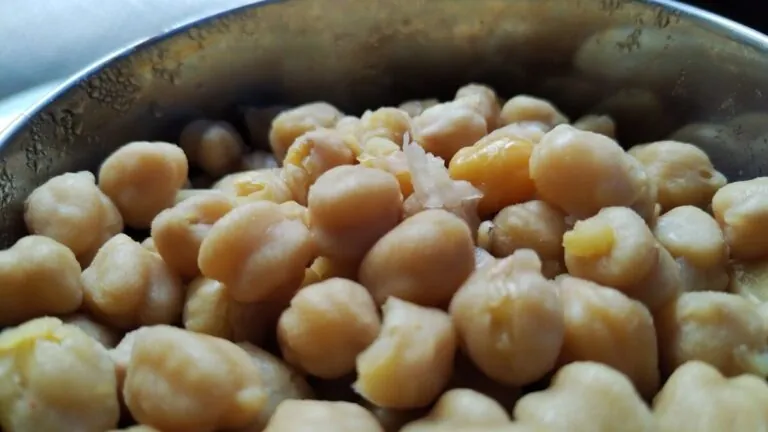
| Kala chana / chole, cooked | 1 katori (~150 g) | ~10–12 g | Vegan |
| Rajma, cooked | 1 katori (~150 g) | ~9–11 g | Vegan |
| Moong sprouts | 1 katori (~100 g) | ~4–7 g | Vegan |
| Roasted chana | 30 g (a small handful) | ~6 g | Vegan |
| Curd (dahi) | 1 katori (~150 g) | ~5–6 g | Veg |
| Hung curd / Greek yoghurt | 150 g | ~12–15 g | Veg |
| Milk (toned) | 1 glass (250 ml) | ~8 g | Veg |
| Besan chilla | 2 medium (from ~50 g besan) | ~10 g | Vegan |
| Whole egg | 1 large | ~6 g | Egg |
| Egg white | 1 large | ~3.5 g | Egg |
| Fish (rohu, surmai, pomfret) | 100 g cooked | ~18–22 g | Non-veg |
| Chicken breast | 100 g cooked | ~25–30 g | Non-veg |
Why protein helps with weight loss
Protein does not melt fat on its own. Weight loss still comes down to eating a little less energy than you use. What protein does is make that calorie deficit far easier to live with.
- It keeps you full. A protein-rich meal tends to keep hunger away for longer than a meal of mostly rice or roti, so evening snacking drops.
- It protects muscle. When you eat less, your body can break down muscle as well as fat. Enough protein, plus some strength training, helps you lose mostly fat.
- It costs more energy to digest. Your body uses more calories processing protein than carbs or fat. The effect is modest, but it adds up.
- It steadies your plate. Adding dal, curd or egg to a carb-heavy meal slows how quickly you get hungry again.
How much protein do you need to lose weight?
The basic Indian recommendation for healthy adults is a little under 1 g of protein per kg of body weight per day. Many people who are dieting and doing some strength training aim higher, around 1.2 to 1.6 g per kg, to stay full and hold on to muscle.
So a 70 kg person might aim for roughly 85–110 g a day. If you have a lot of weight to lose, base the number on a sensible goal weight rather than your current weight. The simplest way to get there is to split it: about 20–30 g at each main meal and 10–15 g in one or two snacks.
If you have kidney disease, diabetes, a thyroid condition, are pregnant or take regular medication, speak to your doctor or a registered dietitian before raising your protein intake.
Vegetarian protein-rich foods for weight loss
Dal
Dal is the backbone of Indian protein, but a thin, watery katori gives you less than you think. Make it thicker, have a full bowl, and choose moong or masoor if you want something light on the stomach.
- Best for: lunch and dinner, every day.
- Tip: keep the tadka to a teaspoon of ghee or oil; that is where hidden calories sit.
- Watch out: dal makhani and restaurant dals are rich in butter and cream.
Paneer and tofu
Paneer is filling and loved by everyone, but full-fat paneer is also high in fat, so portion it at around 75–100 g. Low-fat paneer or tofu gives you similar protein for fewer calories. Grilled paneer tikka, paneer bhurji or tofu stir-fry beat paneer butter masala every time.
- Pros: quick to cook, very satisfying, works in any meal.
- Cons: calories climb fast with gravies and frying.
Curd, hung curd and milk
Regular dahi is a good add-on, but hung curd (curd strained in a muslin cloth for a few hours) roughly doubles the protein in the same bowl. Use it for breakfast with fruit, as a dip, or to marinate chicken and paneer. A glass of toned milk or chaas is an easy evening top-up.
Soya chunks
Soya chunks pack more protein per gram than almost any other vegetarian staple and are very low in fat. Soak them in hot water, squeeze them out, and add to pulao, sabzi, keema-style bhurji or a quick chilli soya.
- Pros: budget-friendly, long shelf life, absorbs any masala.
- Cons: chewy texture is not for everyone; start with a small portion if your stomach is sensitive.
Chana, rajma and other legumes
Kala chana, chole, rajma and lobia give you protein and lots of fibre, a combination that keeps you full for a long time. Pair them with a smaller portion of rice or one roti instead of a heaped plate. Roasted chana is one of the best desk snacks you can keep in a drawer.
- Pros: cheap, filling, good for gut health.
- Cons: can cause bloating; soak overnight, pressure-cook well and add jeera, hing or ajwain.
Sprouts and besan
Moong sprouts make a crunchy chaat with onion, tomato, lemon and chaat masala. They are not as protein-dense as soya or paneer, so treat them as a top-up rather than your main source. Besan chilla is an underrated breakfast: two chillas with a bowl of curd easily cross 15 g of protein.
In hot, humid weather, eat sprouts fresh and keep them refrigerated. If you have a weak stomach, steam them lightly before eating.
Non-vegetarian protein-rich foods for weight loss
Eggs
Eggs are the easiest protein upgrade in India: cheap, available everywhere and ready in five minutes. Two whole eggs plus two whites give you a strong breakfast without many calories. Boiled, poached or a masala omelette cooked in a non-stick pan are the best ways to have them.
Fish
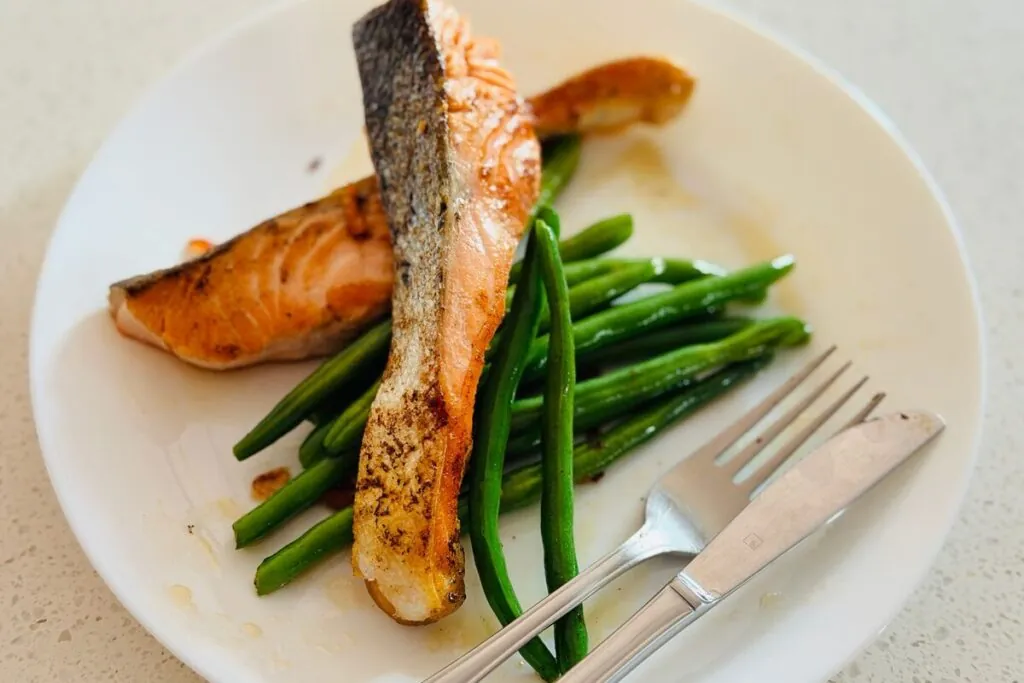
Fish such as rohu, katla, surmai, pomfret, bangda and salmon are high in protein, and oily fish also bring omega-3 fats. Choose tawa fish with a light masala coat, steamed fish or a thin coconut or mustard curry rather than deep-fried pieces.
Chicken
Skinless chicken breast is the leanest option, but curry cut works too if you remove the skin and go easy on oil. Tandoori chicken, chicken tikka, grilled chicken or a home-style curry are all good picks; butter chicken and fried chicken are treats, not staples.
- Pros: very high protein for the calories, easy to batch-cook.
- Cons: breast can turn dry; a curd marinade keeps it soft.
How to build a high-protein Indian plate
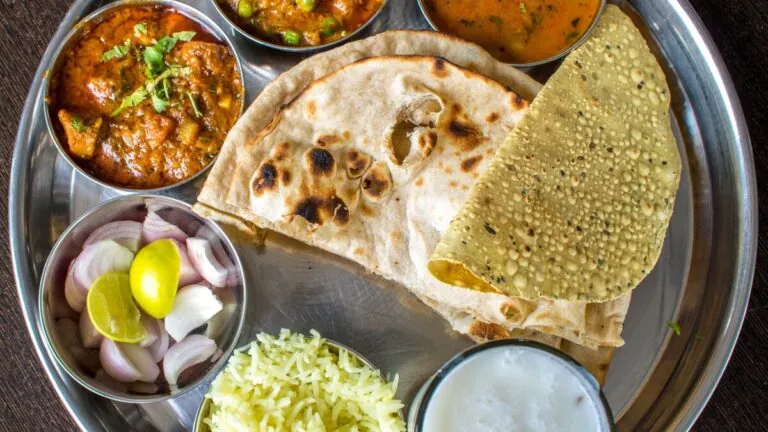
Think in quarters. Fill half your plate with sabzi or salad, one quarter with a protein food, and one quarter with roti, rice or millets. This keeps the meal familiar while quietly shifting the balance.
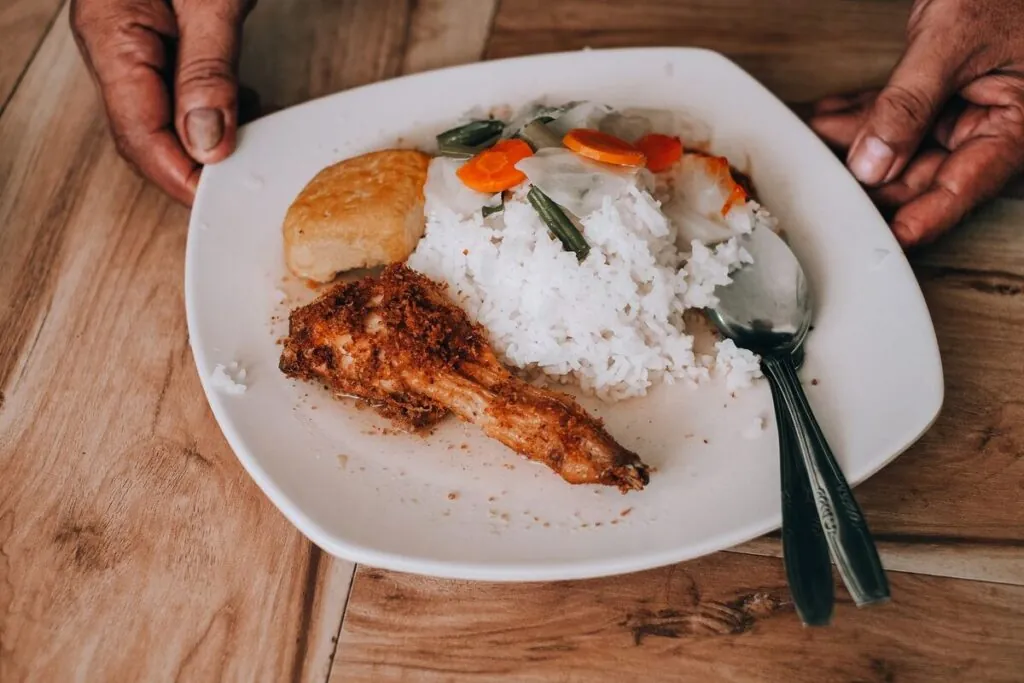
- Add, don’t just subtract. A bowl of curd or a boiled egg on the side often fixes a low-protein meal.
- Combine plant proteins. Dal-chawal, rajma-rice and chole with roti give a fuller amino acid mix than either part alone.
- Mind the summer heat. Lighter options like curd, chaas, sprouts chaat and steamed fish are easier to eat when it is hot and humid.
- Use supplements only to fill gaps. If you genuinely struggle to reach your target, a scoop of whey can help; read our guide to choosing a natural whey protein first.
Sample high-protein day plans
These plans are examples for an average adult and land at roughly 80–100 g of protein. All protein figures are approximate. Adjust portions, especially rice and roti, to your own hunger, activity and goal.
Vegetarian day plan
| Meal | What to eat | Approx. protein |
|---|---|---|
| Breakfast | 2 besan chillas with paneer stuffing (50 g) + 1 katori curd | ~25 g |
| Mid-morning | Moong sprouts chaat (1 katori) | ~5 g |
| Lunch | 1 big katori thick dal + soya chunk sabzi (30 g dry) + 1–2 rotis + salad | ~30 g |
| Evening | Roasted chana (30 g) + 1 glass chaas | ~9 g |
| Dinner | Rajma (1 katori) + small portion rice + raita | ~16 g |
| Total | ~85 g |
Non-vegetarian day plan
| Meal | What to eat | Approx. protein |
|---|---|---|
| Breakfast | Masala omelette (2 eggs + 2 whites) + 1 multigrain toast | ~22 g |
| Mid-morning | Hung curd (150 g) with fruit | ~12 g |
| Lunch | Chicken curry (100 g chicken) + 1 katori dal + 1–2 rotis + salad | ~33 g |
| Evening | 1 glass toned milk or 2 boiled eggs | ~8–12 g |
| Dinner | Tawa fish (100 g) + sautéed vegetables + small portion rice | ~22 g |
| Total | ~95–100 g |
Pair either plan with regular movement. Our list of the best exercises for weight loss and the 4-week beginner workout plan for women are good places to start, because strength training is what turns extra protein into kept muscle.
Common mistakes to avoid
- Counting the dal and stopping there. One thin katori at lunch is not a high-protein diet.
- Cooking protein in a pool of oil. Fried paneer, creamy gravies and fried chicken can turn a good food into a calorie bomb.
- Loading all protein into dinner. Spread it across the day so breakfast and lunch keep you full too.
- Trusting “protein” snack labels blindly. Many protein bars and namkeens are high in sugar or fat; check the label for protein per serving and total calories.
- Forgetting water and fibre. More protein needs more water, and vegetables keep digestion comfortable.
- Relying on shakes. Powders are convenient, but whole foods bring fibre, vitamins and more fullness. See our post on common whey protein myths if you are unsure where supplements fit.
Frequently Asked Questions
Among vegetarian staples, soya chunks give the most protein per gram, followed by paneer and hung curd. For non-vegetarians, chicken breast and fish are the leanest high-protein choices. Eggs sit in the middle and are the easiest to fit into any meal.
Many people who are dieting and strength training aim for about 1.2 to 1.6 g per kg of body weight daily, compared with a basic requirement of a little under 1 g per kg. Split it across three meals and one or two snacks. If you have a medical condition, check your target with a doctor or dietitian.
Yes. Combining dal, paneer, curd, soya, chana, rajma and besan across the day can comfortably reach 70–90 g. The trick is to include a protein food at every meal and snack rather than relying on dal alone.
Paneer is high in protein and very filling, so it can help, but full-fat paneer is also high in fat and calories. Keep portions to about 75–100 g, choose low-fat paneer where you can, and grill or sauté it instead of frying or cooking it in cream-based gravies.
Both work well. Chicken breast gives more protein per serving with very little fat, while eggs are cheaper, quicker and add useful nutrients from the yolk. Use whichever you will eat consistently, and mix them through the week.
No. Most people can meet their target with food alone. A protein shake is useful only if you regularly fall short, for example on busy days; our review of Atom protein powder for weight loss explains what to look for on the label.
For healthy adults, the protein levels in this guide are generally considered safe when you drink enough water and eat a balanced diet. People with kidney or liver disease, and those who are pregnant or on regular medication, should get medical advice first. See a doctor if you lose weight quickly without trying.
The bottom line
You do not need imported superfoods to eat more protein. Thicker dal, a bowl of curd, a handful of chana, soya in your sabzi, eggs at breakfast or a piece of fish or chicken at lunch will get most people to their target.
Pick one meal this week and add a protein food to it. Once that feels normal, move to the next. Combined with sensible portions and regular exercise, that steady habit is what makes weight loss last.