The 8 Best Exercises for Weight Loss (2026): A Practical Guide
From brisk walking and cycling to strength training and HIIT, here are the 8 best exercises for weight loss, how to start each safely, and a simple weekly plan.

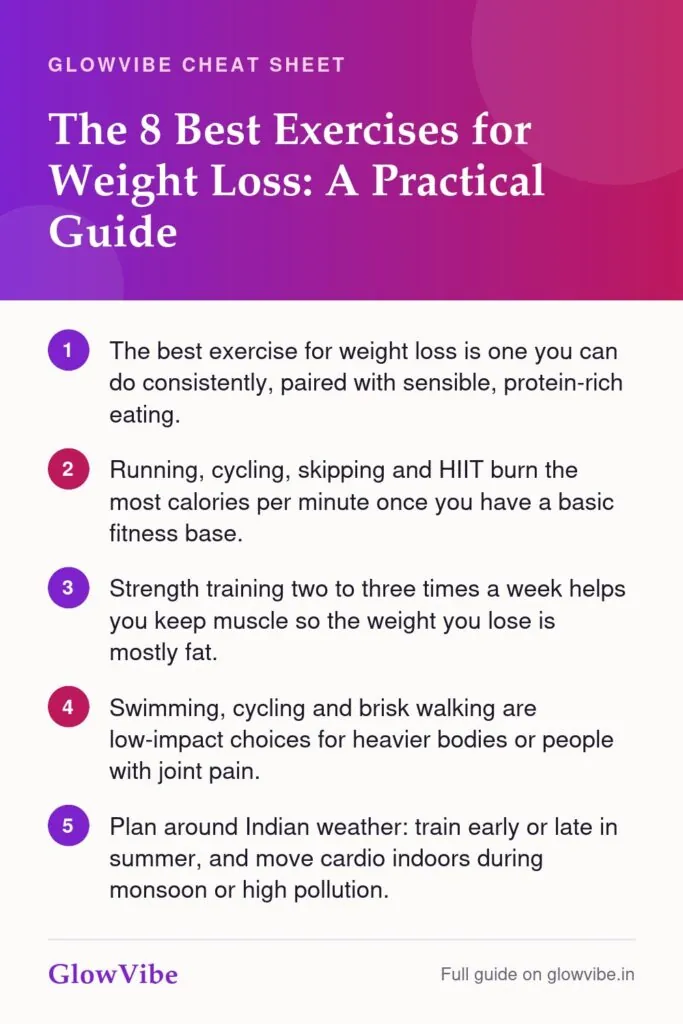
The best exercises for weight loss are the ones that burn a good amount of energy, build or protect muscle, and that you will actually keep doing: brisk walking, running, cycling, strength training, HIIT, swimming, active yoga and Pilates. Combine two or three of them with sensible eating, and you have a plan that works far better than any single “fat-burning” move.
Below, you will find what each exercise does, who it suits, how to start safely, and a weekly routine that fits Indian weather and busy days.
How exercise actually helps you lose weight
Weight loss happens when you consistently use more energy than you take in. Exercise adds to the “energy out” side, but food has a bigger effect on the “energy in” side. That is why diet and movement work best together.
Exercise does more than burn calories, though. Strength work helps you hold on to muscle while you lose fat, which keeps you looking toned rather than just smaller. Regular activity also improves sleep, mood and appetite control.
How fast you see results depends on your starting weight, age, sleep, stress, consistency and what you eat. Pairing your workouts with enough protein helps a lot; our guide to protein-rich foods for weight loss covers easy Indian options.
The 8 best exercises for weight loss at a glance
- Brisk walking – the easiest place to start, and easy to do daily.
- Jogging and running – high calorie burn per minute once you build up.
- Cycling – strong cardio that is kind to the knees.
- Strength training – protects muscle and shapes your body as you lose fat.
- HIIT (interval training) – the most time-efficient option for busy days.
- Swimming – full-body and low-impact, ideal for heavier bodies or sore joints.
- Active yoga – builds strength and flexibility and helps with stress eating.
- Pilates – core strength, posture and muscle tone.
Comparison table: which exercise fits you?
Calorie burn varies widely with body weight, pace and effort, so treat the “burn” column as a relative guide rather than a fixed number.
| Exercise | Relative calorie burn | Joint impact | Equipment | Best for |
|---|---|---|---|---|
| Brisk walking | Low–moderate | Low | Good shoes | Beginners, daily movement |
| Jogging / running | High | High | Running shoes | Fast calorie burn, stamina |
| Cycling | Moderate–high | Low | Bicycle or stationary bike | Knee-friendly cardio |
| Strength training | Moderate | Low–moderate | Body weight, dumbbells or gym | Toning, keeping muscle |
| HIIT | High (short sessions) | Moderate–high | None needed | Busy schedules |
| Swimming | Moderate–high | Very low | Pool access | Joint pain, heavier bodies, hot weather |
| Active yoga | Low–moderate | Low | Mat | Stress, flexibility, home workouts |
| Pilates | Low–moderate | Low | Mat (optional machines) | Core strength, posture |
1. Brisk walking for steady fat burn
Walking is underrated. A brisk 30-minute walk, where you can talk but not sing, burns roughly 150–200 calories for many adults and is gentle enough to do every day.
Who it suits: complete beginners, people with a lot of weight to lose, older adults and anyone getting back into fitness.
How to do it: start with 20–30 minutes a day and work up to 45–60 minutes, or aim for 8,000–10,000 steps.
- Pros: free, low injury risk, easy to fit into errands and phone calls.
- Cons: lower burn per minute, so it needs more time.
2. Jogging and running to boost calorie burn
Running burns roughly twice as many calories per minute as walking, which is why it shows up on every list of the best weight loss exercises.

Who it suits: people who already walk comfortably and want more results in less time. If you carry a lot of extra weight or have knee trouble, build up with walking or cycling first.
How to do it: begin with walk-jog intervals, such as 1 minute jogging and 2 minutes walking, repeated 8–10 times. Our 6-week walk-jog interval plan takes you from there to continuous running.
- Pros: high burn, no gym needed, great for stamina.
- Cons: higher impact on knees and shins; ramping up too fast is a common cause of injury.
3. Cycling for cardio and leg strength
Cycling works your thighs, glutes and calves while giving you solid cardio, with far less pounding on your joints than running. A steady, moderately hard ride can match jogging for calorie burn.
Who it suits: beginners, people with knee or back niggles, and anyone who finds running boring.
How to do it: ride 30–45 minutes at an effort where talking is possible but slightly hard.
- Pros: joint-friendly, builds leg strength, easy to do intervals.
- Cons: needs a bike; outdoor riding in Indian cities needs care with traffic and air quality.
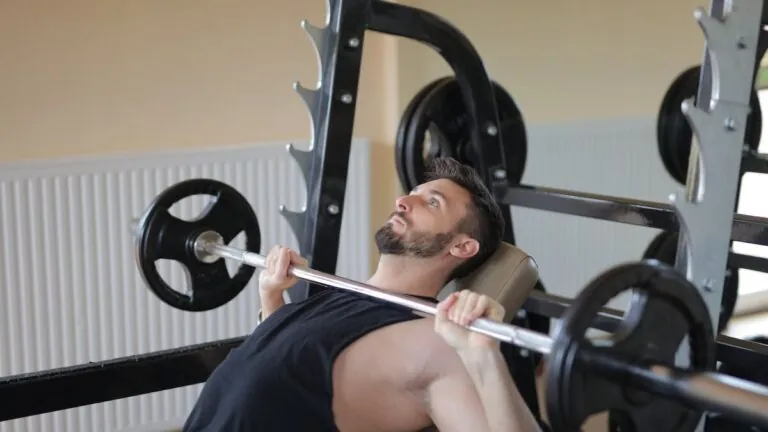
4. Strength training to build muscle and burn fat
If you only do cardio while eating less, some of the weight you lose can be muscle. Strength training tells your body to keep that muscle, so the weight that comes off is mostly fat.
Who it suits: everyone, including women worried about “bulking up”.
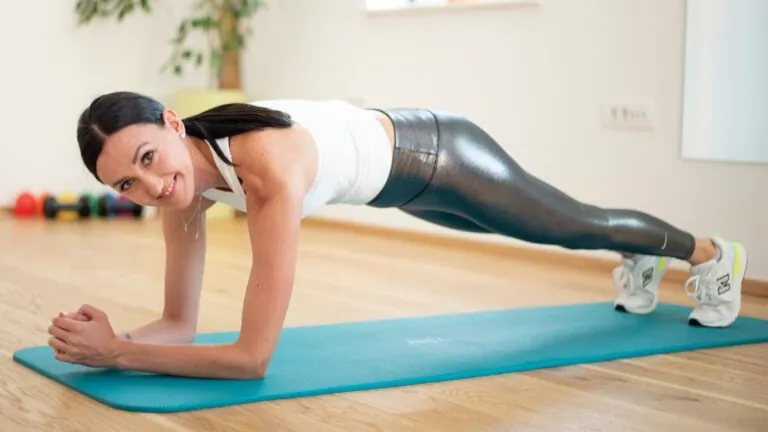
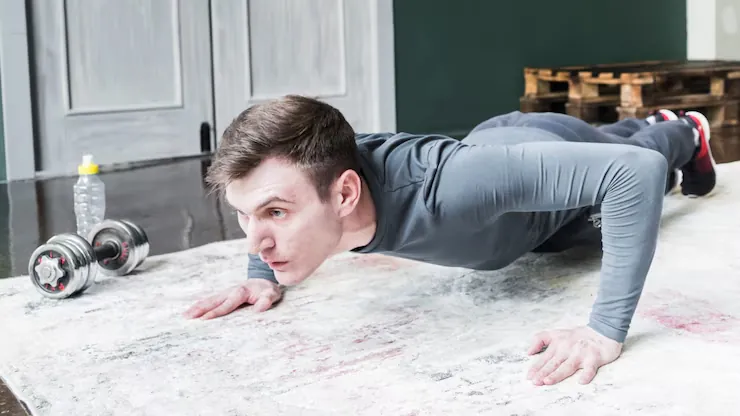
How to do it: train 2–3 times a week, covering squats, lunges, push-ups (or knee push-ups), rows, glute bridges and planks. Do 2–3 sets of 8–15 reps and add weight or reps slowly. For a gym-based structure, see our push pull legs workout routine.
- Pros: protects muscle, improves shape, strengthens bones and joints.
- Cons: burns fewer calories during the session than cardio; good form takes practice.
5. HIIT (interval training) for faster fat loss
High-intensity interval training alternates short, hard bursts with recovery periods, for example 30 seconds of fast squats or jumping jacks followed by 60 seconds of rest. You get a lot of work done in 15–25 minutes, and your body keeps using a little extra energy afterwards while it recovers.
Who it suits: busy people with a basic fitness base. It is not the best first step for complete beginners or anyone with heart problems without a doctor’s okay.
How to do it: keep HIIT to 2–3 sessions a week with rest days in between. Read more in our guide to HIIT workouts.
- Pros: very time-efficient, no equipment needed, improves fitness fast.
- Cons: tough on the body; doing it daily leads to fatigue and injury.
6. Swimming for full-body, low-impact exercise
Swimming uses your arms, back, core and legs together while the water supports your body weight. That makes it one of the best weight loss exercises for people who find walking or running painful, and it is a welcome escape in an Indian summer.
Who it suits: people with joint pain, heavier bodies, and anyone recovering from a running injury.
How to do it: aim for 30–45 minutes of steady laps, resting at the wall as needed.
- Pros: very low impact, full-body, cooling in hot weather.
- Cons: needs a pool and some technique; it can leave you very hungry, so plan your post-swim snack.
7. Yoga for strength, stress relief and body awareness
Active styles such as Vinyasa, Power Yoga or brisk Surya Namaskar rounds raise your heart rate and build real strength. Yoga’s bigger contribution to weight loss is often indirect: better sleep, less stress and more awareness of when you are actually hungry.
Who it suits: people who prefer home workouts, those dealing with stress eating, and anyone who wants flexibility alongside fitness.
How to do it: try 3–4 sessions a week of 30–45 minutes. Start with 5–6 slow rounds of Surya Namaskar and build up as your stamina improves.
- Pros: needs only a mat, improves flexibility and balance, calms the mind.
- Cons: slower calorie burn than running or HIIT; works best alongside other exercise.
8. Pilates to tone and strengthen the core
Pilates focuses on slow, controlled movements that strengthen the deep core muscles, glutes and back. On its own it is not a big calorie burner, but it improves posture and muscle tone.
Who it suits: people with desk jobs, those with mild back stiffness, and anyone who wants a toned midsection alongside their cardio.
How to do it: 2–3 mat sessions a week of 20–40 minutes. Our core exercise routine at home is a good starting point.
- Pros: low impact, improves posture and core control.
- Cons: modest calorie burn; studio classes can be expensive.
Other effective options: skipping, stairs and tai chi
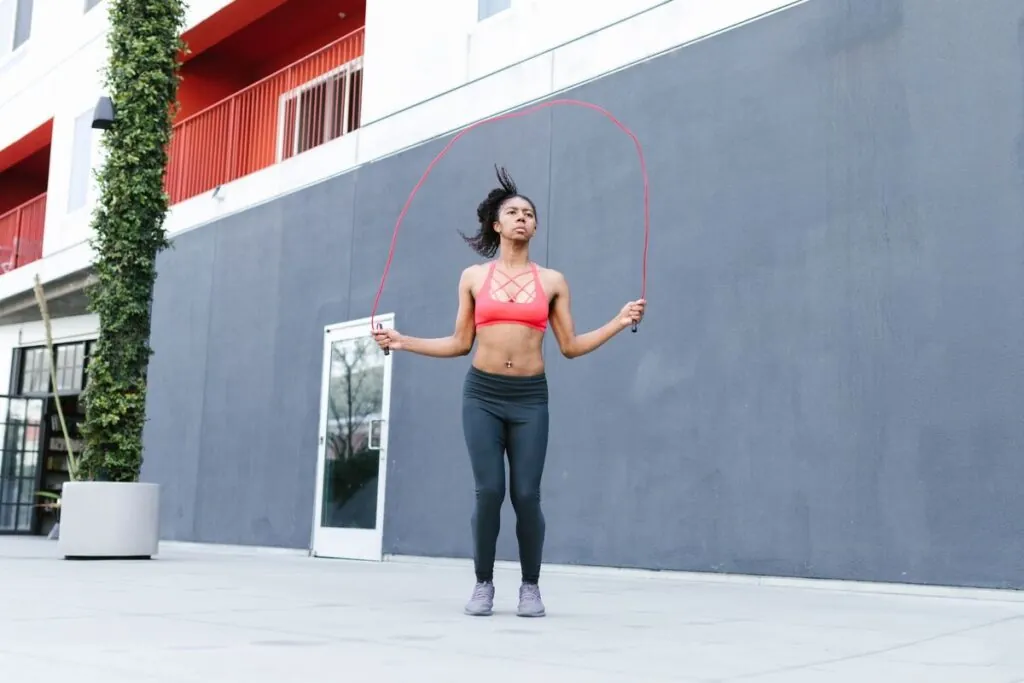
Skipping rope is one of the most compact workouts you can do. A few minutes of skipping gets your heart rate up quickly, and 10–15 minutes in short rounds makes a tough session.
Stair climbing is perfect if you live in an apartment building. Walking up a few flights works your glutes, thighs and calves and leaves you breathless fast.
Tai chi burns little energy, but it is excellent for balance, flexibility and stress, which makes it a good add-on for older adults or anyone easing into exercise.
How to choose the right exercises for you
- Complete beginner: start with daily walking plus two short strength sessions a week.
- Short on time: two HIIT sessions and two strength sessions of 25–30 minutes each.
- Knee or joint pain: swimming, cycling and walking on flat ground; skip jumping moves.
- Stress or emotional eating: include yoga and evening walks alongside your main workouts.
- Home only, no equipment: body-weight strength, skipping, stairs, Surya Namaskar and HIIT.
Plan around Indian weather. In summer, train early morning or after sunset, carry water and consider adding electrolytes on long, sweaty days. During the monsoon, move cardio indoors with a stationary bike, skipping, stairs or HIIT. On high-pollution days, especially in north Indian winters, skip hard outdoor cardio and train indoors.
A simple weekly routine for weight loss
This beginner-friendly week mixes cardio, strength and recovery. Adjust the days to your schedule, and keep at least one easy day between hard sessions.
- Monday: full-body strength training, 30–40 minutes.
- Tuesday: brisk walk or cycle, 40 minutes.
- Wednesday: HIIT, 20 minutes, plus 10 minutes of core work.
- Thursday: yoga or Pilates, 30–45 minutes.
- Friday: full-body strength training, 30–40 minutes.
- Saturday: longer walk, jog, swim or ride, 45–60 minutes.
- Sunday: rest or a relaxed walk and stretching.
Want a structured, progressive version? Try our 4-week beginner workout plan for weight loss, which works for men and women alike.
Common mistakes that slow weight loss
- Relying on exercise alone: you cannot out-train a diet that is consistently too high in calories.
- Doing only cardio: skipping strength work means losing muscle along with fat.
- Going too hard, too soon: daily HIIT or sudden long runs lead to injury and burnout.
- “Rewarding” workouts with food: a sweet lassi or mithai after every session can cancel out the burn.
- Chasing spot reduction: crunches do not burn belly fat specifically; overall fat loss does.
- Ignoring sleep and stress: poor sleep raises hunger and makes workouts feel harder.
- Judging by the scale alone: track waist size, energy and strength too, since muscle and water shift the scale number.
When to check with a doctor first
Speak to your doctor before starting a new exercise programme if you have heart disease, high blood pressure, diabetes, joint problems, are pregnant, or have been inactive for a long time. Stop and get medical help if you feel chest pain, severe breathlessness, dizziness or fainting during exercise.
It is also worth seeing a doctor if you are gaining or losing weight without a clear reason, or if weight will not shift despite months of consistent effort. Conditions such as thyroid problems or PCOS can affect weight and are best managed with medical guidance.
Frequently Asked Questions
Running, fast cycling, skipping and HIIT burn the most calories per minute. However, the best exercise for weight loss is the one you can do consistently without getting injured. A daily brisk walk you never miss beats a punishing workout you quit after two weeks.
General health guidelines suggest at least 150 minutes of moderate activity or 75 minutes of vigorous activity a week, plus strength training twice a week. For weight loss, many people do better with 200–300 minutes of moderate activity a week, combined with a modest calorie deficit.
It is possible, but slow and difficult, because exercise burns less than most people expect and can increase appetite. Combining exercise with balanced, portion-controlled meals that include enough protein gives faster, longer-lasting results.
Yes, as long as you vary the intensity. Light activities like walking, gentle yoga and stretching are fine daily, but give each muscle group a day’s rest after hard strength sessions and avoid HIIT on back-to-back days.
Body-weight strength moves (squats, lunges, push-ups, planks), skipping, stair climbing, Surya Namaskar and short HIIT circuits all work well at home with no equipment.
Many people notice more energy and better sleep within two weeks, and visible changes in how clothes fit after about four to eight weeks of consistent exercise and eating well. A steady loss of around 0.5–1 kg a week is a realistic, sustainable pace for most adults.
No exercise burns fat from one area only. Belly fat reduces as your overall body fat drops through a calorie deficit, cardio and strength training.
The bottom line
You do not need extreme workouts to lose weight. Pick one or two cardio options you enjoy, add strength training two or three times a week, and support it with good food, sleep and patience. Start small, stay consistent, and let the results build week by week.