Protect Hair From Sun Damage: An India Guide for Every Hair Type
How UV fades colour, dries the cuticle and burns your parting, plus simple Indian ways to protect hair from sun damage and repair dryness.

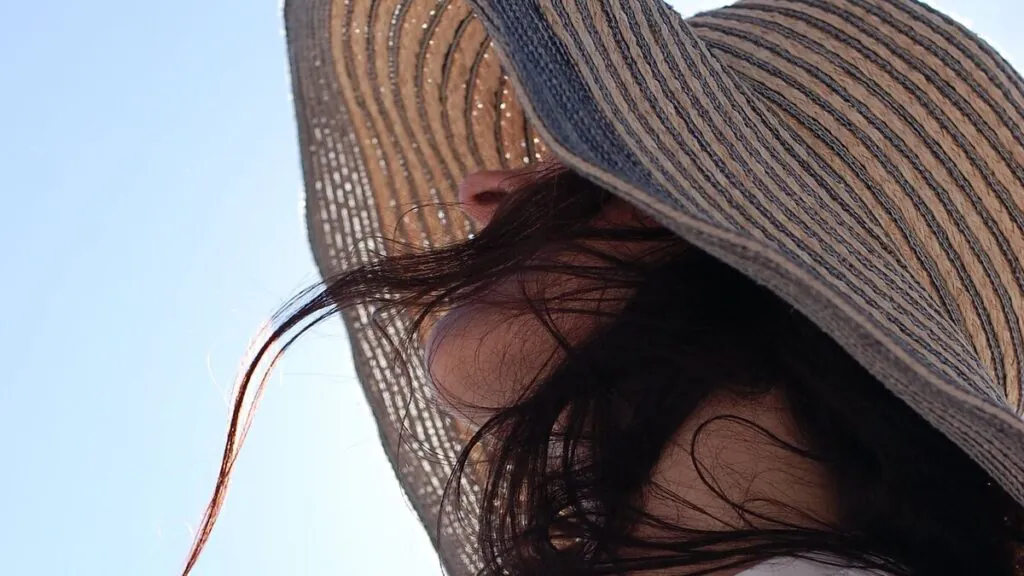
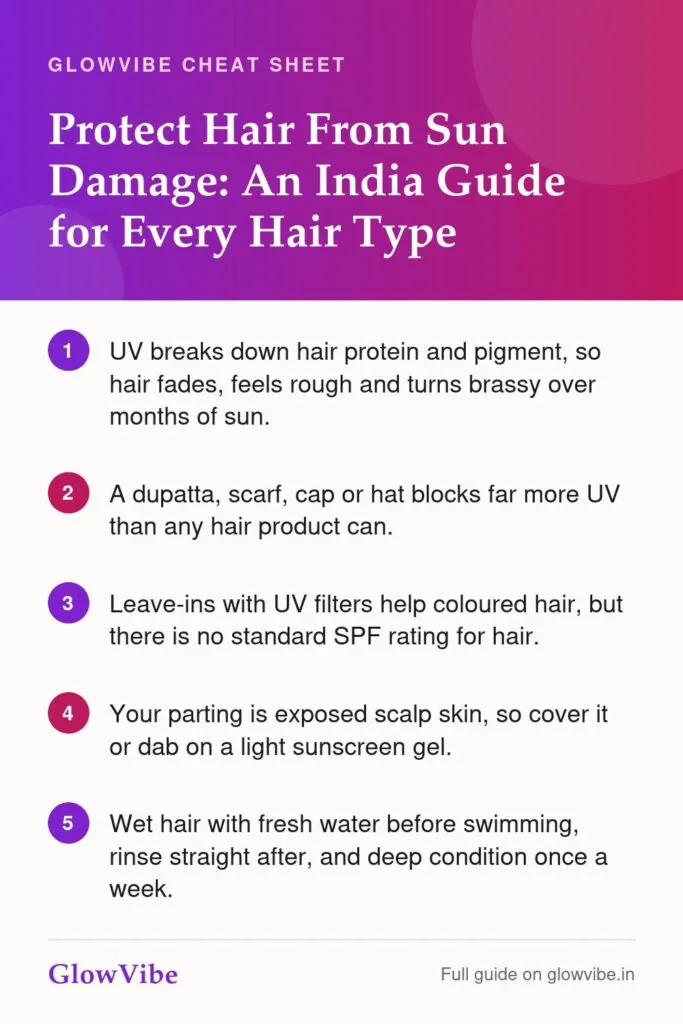
To protect hair from sun damage, cover it when the sun is strongest, use a Leave-in conditionerA light conditioner you do not rinse out. It helps with detangling, frizz and moisture, especially for curly or dry hair.See glossaryRead the guide or a hair product that lists UV filters, and keep the strands moisturised so the cuticle stays smooth. In India that mostly means a dupatta, scarf or cap between late morning and mid-afternoon, a light leave-in before you step out, and a gentle recovery routine on wash day.
Sun damage builds slowly. One beach afternoon won’t ruin your hair, but months of two-wheeler rides and terrace drying add up to faded colour, rough ends and a sore parting.
Quick checklist: sun protection for hair
- Cover up with a cotton dupatta, scarf, cap or wide-brimmed hat when you’re out for more than 20–30 minutes in strong sun.
- Protect your parting: it is scalp skin and can burn like your nose does.
- Use a leave-in conditioner, cream or serum before going out. Choose one that lists UV filters if your hair is coloured or hennaed.
- Wet and coat hair before swimming, wear a cap, and rinse straight after.
- Cut back on heat styling in sunny months, because heat and UV damage add together.
- Recover weekly with a conditioning mask and a gentle shampoo.
What the sun actually does to your hair
Hair is made mostly of a protein called KeratinThe protein that hair is made of. "Keratin treatments" are salon smoothing services, and some contain formaldehyde-releasing chemicals.See glossary, wrapped in an outer layer of overlapping scales called the cuticle. Ultraviolet (UV) light, along with heat, humidity and pollution, breaks down that protein and the natural fats that keep the cuticle sealed. Hair is not living tissue, so it can’t repair this damage itself. You can only slow it down and make the strands look and feel better.
It fades colour, natural and dyed
The colour in your hair comes from melanin pigment. UV slowly bleaches that pigment, which is why the top layer and ends of long hair often look lighter or reddish-brown after a summer. Dark Indian hair has more melanin, which gives the inner strand some protection, but the pigment is still being used up as it absorbs the light. Dyed hair fades faster because the dye molecules break down in sunlight too.
It dries and roughens the cuticle
Once the cuticle scales lift and chip, hair loses moisture quickly, feels straw-like and tangles easily. Light bounces off a rough surface unevenly, so hair also looks dull. The ends suffer most because they are the oldest part of the strand and have had the most sun.
It turns dyed and hennaed hair brassy
Brown and burgundy shades often fade towards an orange or copper tone, because the cooler dye molecules break down first and leave warmer ones behind. Henna (mehendi)A plant dye that stains hair reddish-brown and coats strands for a glossy feel. Pure henna is different from "black henna", which can contain harsh dyes.See glossaryRead the guide does something similar. Its colour slowly shifts and dulls in strong sun, and grey strands coloured with henna can look brighter orange as the shade wears.
It burns the scalp along your parting
Your parting, crown and any thinning patches are exposed skin. They can redden, sting and peel after a long day outdoors, and that flaking is easy to mistake for dandruff. Over years, unprotected scalp skin also builds up the same sun damage as the rest of your face and body.
Signs your hair has sun damage
| What you notice | What it usually means | First fix |
|---|---|---|
| Top layer lighter or reddish than the hair underneath | Melanin or dye fading from UV | Cover up outdoors; use a UV-filter leave-in |
| Dry, rough ends that tangle | Cuticle damage | Weekly mask; trim the worst ends |
| Dull, no shine even after washing | Raised cuticle scales | Conditioner every wash; lighter heat styling |
| Brassy, orange tone in dyed or hennaed hair | Cool tones fading first | Colour-safe shampoo; avoid long sun exposure |
| Red, sore or peeling parting | Scalp sunburn | Cool water, gentle care; cover the parting next time |
| Snapping when you comb | Weakened strands | Detangle wet hair gently with a wide-tooth comb |
Physical protection: the most reliable option
Fabric blocks far more UV than any hair product can, and it doesn’t wash off. Most Indian wardrobes already have what you need.
Dupatta or stole
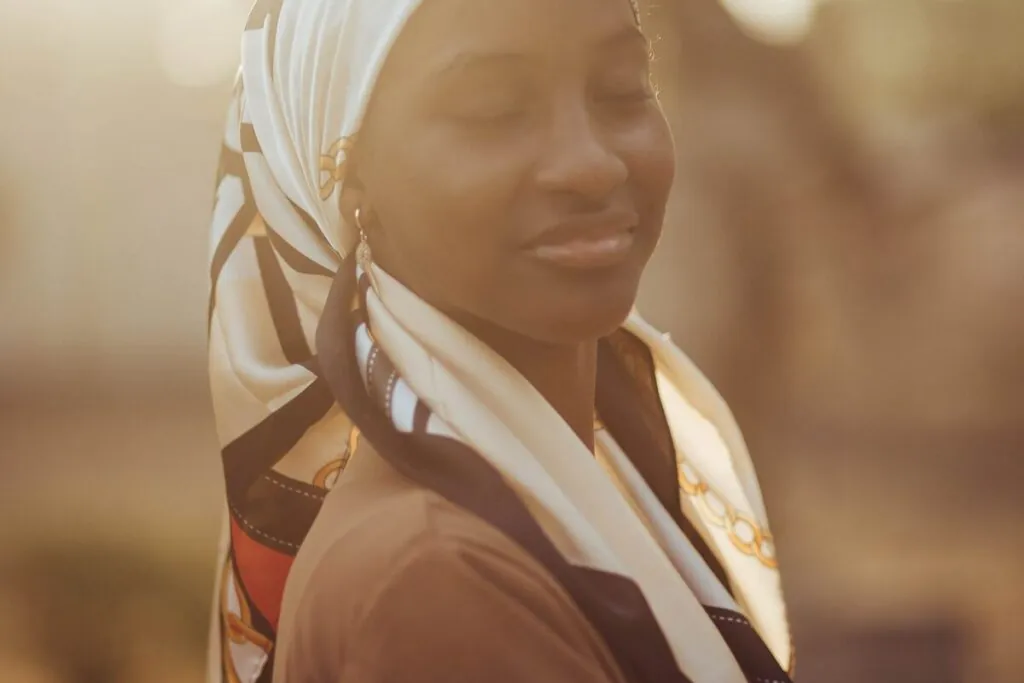
A dupatta draped over the head covers the parting, the crown and the length of a braid. Tightly woven cotton or a darker colour blocks more light than sheer chiffon or net. Cotton also lets your scalp breathe, which matters when you’re sweating.
Scarf, cap or hat
A cotton scarf tied over the head works well on a two-wheeler under the helmet, or on a hill walk. A cap protects the parting and crown but leaves long lengths exposed, so tuck a ponytail or braid under your collar. A wide-brimmed hat is the best all-rounder on the beach.
Smart habits
- Plan long outdoor errands for early morning or evening where you can. UV is usually strongest from late morning to mid-afternoon.
- Tie long hair in a braid or bun outdoors. Less surface area is exposed, and you get less wind tangling too.
- Don’t dry washed hair for hours in direct sun on the terrace. Dry it in shade or indoors.
Leave-ins and hair products with UV filters
Many leave-in conditioners, hair serums, mists and colour-care sprays now say they contain UV filters. They can reduce fading and dryness, but keep your expectations realistic. There is no standard SPF (sun protection factor)A measure of protection against UVB rays, which cause sunburn. SPF 30 blocks about 97% of UVB and SPF 50 about 98%, if you apply enough and reapply.See glossaryRead the guide test for hair, a thin coat on strands won’t match a scarf, and the effect wears off with sweat, wind and rain.
What to look for on the label
- The words “UV filter” or “UV protection” on a leave-in, mist or serum, not just on a rinse-off shampoo. A product that stays on your hair does more than one you wash off within a minute.
- Conditioning ingredients such as SiliconesIngredients like dimethicone that coat hair (and skin) for slip, shine and frizz control. Heavier ones can build up and need a clarifying wash.See glossaryRead the guide (dimethicone, amodimethicone), plant oils or butters. They smooth the cuticle and help hold moisture in.
- Antioxidants such as Vitamin E (tocopherol)An antioxidant and moisturising ingredient. It is often paired with vitamin C to make it more stable.See glossary (tocopherol). They are a nice extra, but not a replacement for cover.
- A light texture for fine hair (a mist or lotion) and a richer cream for thick, curly or very dry hair.
How to apply it
- Apply to damp or dry hair before you go out, focusing on the mid-lengths, ends and top layer.
- Comb it through so every strand gets a thin coat.
- Reapply a little on long beach or outdoor days, especially after swimming or heavy sweating.
Does hair oil protect from the sun?
Oil helps in a limited way. A light coat on the lengths reduces dryness and friction, and Coconut oilA common Indian hair oil that can soak into the hair shaft, which may reduce protein loss during washing. It can feel heavy on fine hair.See glossary is well studied for reducing protein loss when hair is washed. But kitchen oils are not tested UV filters, so don’t rely on them as sun protection. If you like a pre-wash champi, our guide on how to oil hair correctly covers how much to use and how long to leave it on. Avoid heavy oil on your scalp before a long day in the heat. It can feel greasy, trap sweat and dirt, and won’t stop the parting from burning.
Protecting your scalp and parting
Fabric is easiest here. If you can’t cover up, dab a light, non-greasy sunscreen gel or spray along the parting and any thin patches. Gel textures sit better on the scalp than thick creams, and the same rules about SPF and reapplying apply as in our guide to daily sunscreen in India. Patch-test first on a small spot, and wash it out properly that night.
Extra care for coloured or hennaed hair
Coloured hair has already had its cuticle opened by the dyeing process, so it loses colour and moisture faster in the sun. A few changes make your shade last longer. If your salon colour is L’Oréal INOA, our guide to L’Oréal INOA shade numbers explains what your code means.
- Wait 48–72 hours after colouring before your first wash, and avoid a long sunny outing in that first week if you can.
- Use a Sulfate-freeShampoo made without strong sulfate cleansers like SLS. Gentler on dry, curly or colour-treated hair, though it may lather less.See glossaryRead the guide or “colour-safe” shampoo and wash in lukewarm, not hot, water.
- Condition every wash and use a UV-filter leave-in before going out.
- Go a shade deeper or cooler if your hair turns brassy every summer. Our guide to hair colour shades for Indian skin explains how warm and cool tones fade.
- Henna users: henna coats the strand and can make hair feel dry, so follow every application with a deep conditioner. If you’re mixing henna with indigo or other herbs, our natural hair dyes guide covers how the shades behave over time.
Swimming pools and beach trips
Water makes sun damage worse. Chlorine strips natural oils and fades colour, salt water dries hair as it evaporates, and sun reflecting off water and sand adds more UV.
Before you get in
- Wet your hair thoroughly with clean tap or shower water. Hair that is already full of fresh water soaks up less pool or sea water.
- Smooth a leave-in conditioner or a few drops of oil through the lengths for an extra barrier.
- Wear a silicone swim cap for pool laps, or tie hair in a braid or bun at the beach.
After you get out
- Rinse with fresh water as soon as you can. Don’t let chlorine or salt dry in your hair.
- Shampoo gently that day and follow with conditioner. Regular swimmers can use a clarifying or “swimmer’s” shampoo once a week to lift chlorine and mineral build-up.
- Cover up afterwards. Wet hair sitting in the sun on a sunbed gets the worst of both.
Bleached or highlighted hair can pick up a greenish tint in pools, usually from copper in the water rather than chlorine. A clarifying shampoo often helps.
A simple recovery routine for sun-damaged hair
You can’t reverse sun damage, but you can make hair softer, shinier and less likely to break while healthy new growth comes in.
The same day
- Rinse out sweat, salt or chlorine, and condition the lengths.
- If your parting stings, rinse with cool water and skip hot water, harsh shampoos and tight hairstyles for a few days.
Every week
- Deep condition once a week. A store-bought mask works, or try a simple DIY pack. Our hair pack recipes include gentle options with curd, aloe and banana. Leave it on for 15–20 minutes and rinse well.
- Pre-wash oiling for 30–60 minutes on the lengths can reduce dryness and tangles.
- Air-dry more often and keep heat tools on a low setting with a heat protectant.
Every 6–10 weeks
- Trim the driest, split ends. No product can join a split end back together.
- Refresh dyed colour only when needed, and avoid bleaching or chemical straightening right after a beach trip.
For more seasonal habits beyond the sun, see our summer hair care tips for Indian weather.
Common mistakes
- Thinking winter sun is harmless. UV is still strong across much of India from October to February, especially at altitude.
- Relying on a UV shampoo alone. Most of it goes down the drain. Leave-ins and fabric do far more.
- Using lemon juice in hair in the sun. It can lighten and dry hair unevenly, and lemon juice on skin in sunlight can cause burns and dark patches.
- Ignoring the parting. A burnt, peeling scalp is often mistaken for dandruff and treated with the wrong products.
Frequently Asked Questions
Sun damage makes strands weaker, so they snap more easily, which can look like more hair fall. It doesn’t usually make hair fall out from the root. If you’re losing a lot of hair from the root or seeing bald patches, see a dermatologist. Our hair loss treatment guide explains the options.
On the parting, a light gel or spray sunscreen is fine. On the lengths, cream sunscreen leaves hair greasy and sticky and is hard to spread evenly. Use a leave-in that lists UV filters instead, and cover up for long outings.
Yes. Dark hair holds more melanin, which gives the inner strand some protection, but the cuticle still dries out and the colour can still fade to reddish-brown. Dyed black hair can also look flat or slightly warm after months in strong sun.
The faded part won’t darken again, because the pigment in those strands has been broken down. New growth from the root will be your normal shade. You can trim the lightest ends or use a semi-permanent colour to even things out.
Rinse with cool water, use a mild shampoo and avoid hot water, heat tools and tight hairstyles until it settles. Plain aloe vera gel can feel soothing; patch-test it first. If you have blisters, severe pain or fever, see a doctor.
Yes, especially with short hair or a thinning crown, where much more scalp is exposed. A cap is the simplest fix. A light sunscreen gel on a receding hairline or crown helps on days you can’t wear one.
Quick poll
How often do you wash your hair?
The bottom line
Keep it simple. Cover your hair and parting in strong sun, use a UV-filter leave-in if your hair is coloured, rinse after every swim, and give your hair a weekly conditioning session. These habits won’t make hair invincible, but they will keep your colour richer and your ends softer for much longer.