
Hair Fall in Winter and Dandruff: Causes, Routine and Fixes
Why hair fall and dandruff get worse in winter, how to tell dry scalp from dandruff, and a simple weekly routine that actually works for Indian hair.

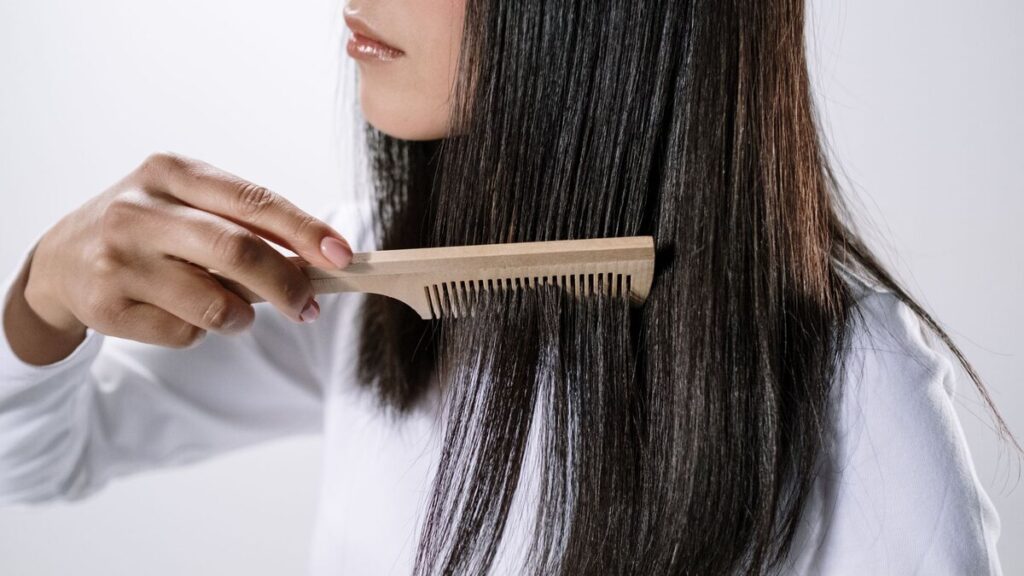
Hair fall and dandruff often get worse in winter because cold, dry air and long hot showers strip moisture from your scalp, and many of us wash less, oil more and wear woollen caps that trap sweat. The fix is a steady routine: lukewarm washes two to three times a week, the right anti-dandruff active if you have true dandruff, light conditioning, and a quick check with a dermatologist if the shedding looks unusual.
Some extra shedding in the colder months is common, but flakes, itching and handfuls of hair in the drain are not something you just have to live with until March.
Winter hair care checklist: the quick version
- Wash with lukewarm, not hot, water two to three times a week.
- Work out first whether you have dry scalp or dandruff; they need opposite care.
- For dandruff, use a medicated shampoo and leave it on for 3–5 minutes before rinsing.
- Oil the lengths, not a flaky scalp, and never leave oil on overnight if you have dandruff.
- Condition every wash, mid-lengths to ends only.
- Keep caps and helmet liners clean; wear a cotton or silk layer under wool.
- Eat enough protein, iron-rich foods and water, even when you don’t feel thirsty.
- See a dermatologist for patchy loss, sudden heavy shedding or a red, painful scalp.
Why hair fall and dandruff increase in winter
North Indian winters bring low humidity, and heaters dry the air further. Your scalp loses water faster, the hair cuticle roughens, and strands snap more easily when combed.
Very hot baths strip the scalp’s natural oils and leave it tight and itchy. Many people also skip washes in the cold, letting oil, sweat and dead skin build up under caps and dupattas, which is perfect for dandruff to flare.
Some shedding is also simply seasonal and settles in a few weeks. Note the difference: breakage gives short, snapped pieces, while shed hairs are full-length with a tiny white bulb at the root. Our piece on how much hair grows per day explains the hair cycle.
Dry scalp vs dandruff: how to tell the difference
Skip this step and remedies backfire. A dry scalp is short of moisture. Dandruff is linked to an overgrowth of Malassezia, a yeast that lives on everyone’s scalp and feeds on scalp oil. Its milder form is dandruff; its more inflamed form is called seborrhoeic dermatitis.
| Sign | Dry scalp | Malassezia dandruff |
|---|---|---|
| Flakes | Small, white, powdery; fall easily | Larger, yellowish or white, slightly oily; stick to the scalp |
| Scalp feel | Tight, rough, mildly itchy | Itchy, sometimes red or greasy patches |
| Other areas | Dry skin on hands, legs, lips too | Flaking on eyebrows, sides of the nose, behind ears |
| Effect of oiling | Usually improves | Often gets worse |
| What helps | Gentle shampoo, less hot water, hydrating scalp care | Anti-dandruff actives used correctly |
You can have both at once. If the flakes are oily, stubborn or itchy, treat it as dandruff.
Your weekly winter hair-care routine
Here is a simple three-wash week. The spacing matters more than the exact day.
Wash day 1 (say, Monday): treatment wash
- If you have dry scalp, oil the lengths 30–60 minutes before washing. If you have dandruff, skip the oil.
- Wet hair with lukewarm water for a full minute.
- Massage shampoo into the scalp with your fingertips, not nails. For dandruff, use your medicated shampoo and leave it on for 3–5 minutes.
- Rinse well, then apply conditioner to mid-lengths and ends for 2–3 minutes.
- Finish with a cooler rinse and blot with a cotton T-shirt or microfibre towel.
Wash day 2 (Wednesday or Thursday): gentle wash
Use a mild, sulphate-free or low-foam shampoo, then condition. If you’re on a medicated shampoo, you can alternate it with this gentle one so your scalp doesn’t dry out.
Wash day 3 (weekend): treatment wash plus a mask
Repeat day 1, but swap conditioner for a mask with shea butter, glycerin, panthenol or hydrolysed proteins, left on the lengths for 10 minutes.
Every day
Detangle with a wide-tooth comb from the ends up, smooth a drop of serum over dry ends and sleep in a loose braid.
How often to wash hair in winter, and how hot the water should be
For most people, two to three washes a week is right in winter. If your scalp gets oily quickly or you have dandruff, don’t stretch it to once a week, because built-up oil feeds Malassezia. If your scalp is very dry, two washes may be enough.
The water should feel comfortably warm on your wrist, not hot. Use a separate mug of lukewarm water for your hair if you love a hot bath, and dry your scalp fully before stepping out or putting on a cap.
Hair oiling done right (and when oil makes dandruff worse)
For dry, rough lengths, oiling genuinely helps. Coconut oil used before washing is known to reduce protein loss from hair. Warm it slightly, apply to lengths and ends, and wash out within a few hours.
The catch: Malassezia feeds on oils. If you have oily, yellowish flakes, heavy overnight scalp oiling can make dandruff worse. In that case, keep oil off the scalp, or limit it to an hour before a medicated wash. Never apply oil to a red, weepy or very itchy scalp. For more on choosing oils, read our honest guide to hair oils for hair growth in India.
Anti-dandruff shampoo actives and how to use them
Read the ingredient list, not the front label. These are the actives worth looking for:
- Ketoconazole (usually 1–2%): an antifungal that targets Malassezia directly. Good for stubborn, itchy dandruff. Nizoral is a well-known ketoconazole shampoo sold in Indian chemists. Use it twice a week, then once a week once things settle.
- Zinc pyrithione: a milder antifungal found in many everyday anti-dandruff shampoos, such as Head & Shoulders. Fine for regular use in mild dandruff.
- Selenium sulfide: slows flaking and fights yeast. It can leave a smell and may discolour chemically treated or light hair, so rinse thoroughly.
- Salicylic acid: loosens thick, stuck-on scales so other actives can reach the scalp. It doesn’t treat the yeast itself and can feel drying, so it suits thick flakes more than a dry scalp.
How to use them: lather on the scalp only, leave for 3–5 minutes, rinse well, and condition your lengths afterwards. Give any active three to four weeks. If one stops working, rotating to a different active often helps. Patch-test a new shampoo behind your ear first, especially before a wedding or festive event, and stop if it burns.
Conditioning, frizz and static
Dry air makes hair lift with static under sweaters and shawls. Condition after every wash, keeping it off the scalp. A leave-in with silicones such as dimethicone, or with glycerin and panthenol, smooths the cuticle and reduces flyaways.
Swap a plastic comb for a wooden one, use a satin pillowcase and blow-dry on a cool setting with a heat protectant. Curly hair dries out faster; our list of curly hair products available in India covers creams and leave-ins that help.
Woollen caps, mufflers and helmets
Wool causes friction and traps sweat, meaning breakage and more dandruff. Line your cap with cotton or silk and wash caps and mufflers every week or two.
On a two-wheeler, wear a thin cotton skull cap under the helmet and clean the padding regularly. Never put a helmet on damp hair, and avoid the same tight ponytail daily, as constant pulling can thin the hairline.
Diet for winter hair fall
Hair is made of protein, so basics beat supplements. Include dal, paneer, curd, eggs, chicken or fish, soya and sprouts daily, plus iron-rich spinach, chana and rajma paired with vitamin C from amla, oranges or guava.
Add nuts and seeds (almonds, walnuts, flaxseed, pumpkin seeds) and drink water even when you’re not thirsty. Crash diets before the wedding season often trigger shedding a couple of months later; if you’re losing weight, our list of protein-rich foods for weight loss helps you do it without starving your hair. Don’t start iron, biotin or other supplements without checking with a doctor.
Home remedies: what the evidence honestly says
- Coconut oil (pre-wash): reasonable evidence for reducing protein loss and breakage. Good for dry lengths; not for oily dandruff.
- Aloe vera gel: soothing and hydrating; small studies suggest it may ease mild flaking. Use plain gel and patch-test first.
- Curd or yoghurt mask: conditions the lengths, but there’s little proof it treats dandruff. Rinse thoroughly.
- Tea tree oil: some evidence for mild dandruff, but only when well diluted (a few drops in your shampoo). Never apply it neat, as it can irritate.
- Onion juice: very limited evidence for hair growth, a strong smell and a real chance of irritation. Optional at best.
- Lemon juice on the scalp: skip it. It’s acidic, can sting a dry or scratched scalp and doesn’t treat the yeast.
Treat these as support, not a replacement for a medicated shampoo; our natural hair care tips at home has more gentle ideas.
When to see a dermatologist or trichologist
Seasonal shedding is gradual and even. Book an appointment with a dermatologist if you notice any of these:
- Round, smooth bald patches, or patchy loss in the beard or eyebrows.
- Sudden heavy shedding, such as clumps in your hands, often two to three months after fever, illness, surgery, childbirth or major stress.
- A widening parting or thinning crown that keeps getting worse.
- A red, painful, oozing or crusted scalp, or dandruff that doesn’t improve after four weeks of a medicated shampoo.
- Hair fall along with tiredness, feeling cold, weight changes or irregular periods. A doctor may check thyroid levels, iron (ferritin), vitamin B12 and vitamin D.
Common winter hair-care mistakes
- Washing with very hot water because it feels nice.
- Oiling the scalp overnight every night when you have oily dandruff.
- Rinsing anti-dandruff shampoo off in 30 seconds.
- Going out or wearing a cap with a damp scalp.
- Scratching flakes off with nails or a fine comb, which inflames the scalp.
- Switching products every few days instead of giving one a three-week trial.
Frequently asked questions
Is hair fall in winter normal?
A mild increase in shedding or breakage is common in winter and usually settles within a few weeks. Sudden clumps, patches or a visibly thinner scalp are worth showing to a dermatologist.
How can I stop hair fall in winter quickly?
Cut breakage first: lukewarm washes, conditioner every time, a wide-tooth comb and no tight hairstyles. Treat dandruff and eat enough protein and iron. Shedding from the root takes a few months to change, so stay consistent.
Does dandruff cause hair fall?
Dandruff doesn’t usually cause permanent hair loss, but an itchy, inflamed scalp and scratching can add to shedding and breakage. Controlling the dandruff usually calms things down; see a dermatologist if the scalp is red or sore.
Can I oil my hair if I have dandruff?
You can oil your lengths, but keep heavy oil off the scalp and don’t leave it overnight. If you do want scalp oiling, keep it to about an hour before washing with an anti-dandruff shampoo. If your flakes get worse after oiling, stop.
Can I use anti-dandruff shampoo every day?
Mild zinc pyrithione shampoos can be used often, but two to three times a week suits most people. Ketoconazole is usually used twice a week, then weekly for maintenance. Follow the label or your dermatologist.
Healthy hair all winter
Winter hair care isn’t about fancy products. Know your flake type, wash in lukewarm water two to three times a week, use the right active properly and keep caps clean. Stick with it for a month, and get unusual shedding checked, so you head into the wedding season with a calm scalp.




Join the conversation