Best Hair Oil for Hair Growth in India (2026): Honest Guide
An honest guide to the best hair oils for hair growth in India: base oils vs branded picks, what the evidence says, how to oil properly and when hair fall needs a doctor.

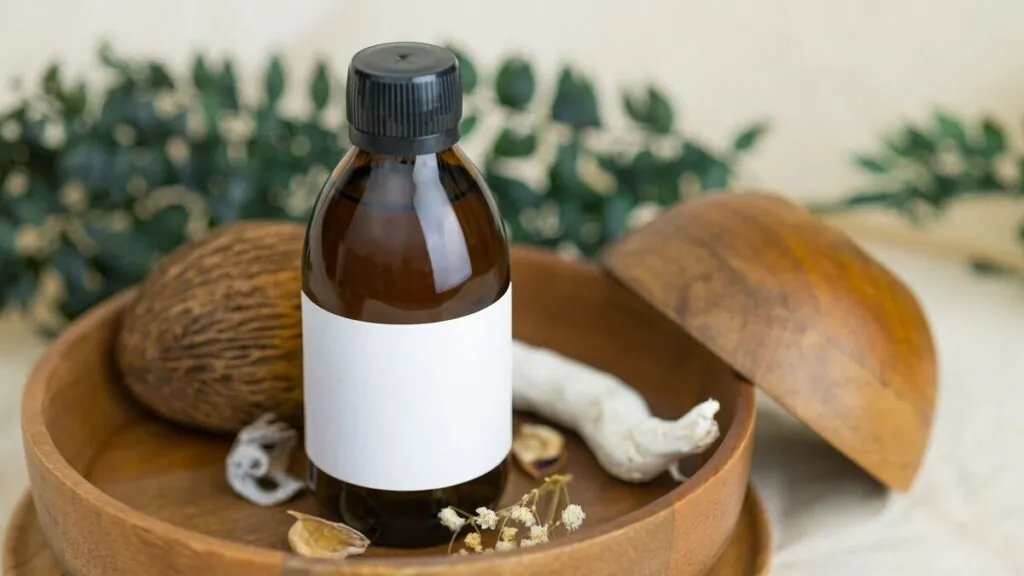
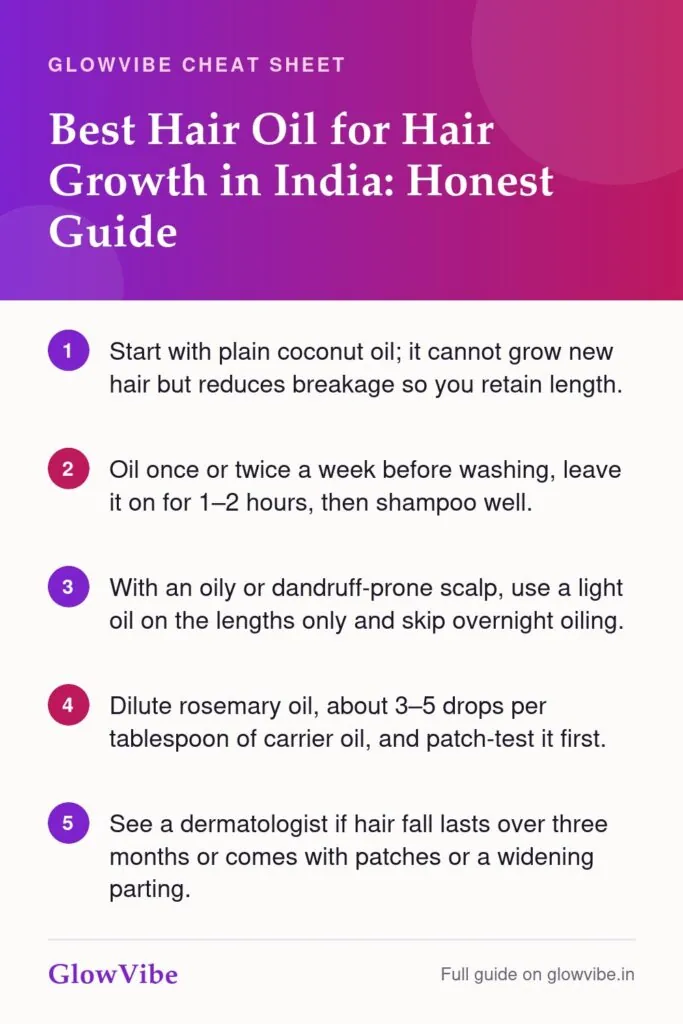
The best hair oil for hair growth is one that keeps your scalp comfortable and your lengths from breaking, and for most Indians that means a simple base oil such as coconut, or a familiar Ayurvedic blend like BhringrajA herb (false daisy) widely used in Ayurvedic hair oils. It is traditionally used for scalp massage and hair conditioning.See glossary or AmlaIndian gooseberry, used in Ayurvedic hair oils, powders and packs. It is valued for conditioning hair and adding shine.See glossaryRead the guide oil. Be clear about one thing up front: no oil can switch on new hair follicles, but the right one, used the right way, cuts breakage so your hair can actually hold on to the length it grows.
This guide covers base oils and well-known branded oils, with honest evidence levels. You will also learn how to oil properly, which oils suit an oily or dandruff-prone scalp, and when hair fall is a sign to see a dermatologist instead of switching oils.
Best hair oils for hair growth in India: quick picks
- Best everyday base oil: pure Coconut oilA common Indian hair oil that can soak into the hair shaft, which may reduce protein loss during washing. It can feel heavy on fine hair.See glossary (for example, Parachute Coconut Oil)
- Best Ayurvedic blend: Indulekha Bringha Oil
- Best classic amla oil: Dabur Amla Hair Oil
- Sold as non-sticky, if you do not mind mineral oil: Bajaj Almond Drops Hair Oil (not an almond oil base)
- Best Onion oilHair oil infused with onion extract, popular in India for hair fall routines. It has a strong smell; patch test before using it on the scalp.See glossary to try: Mamaearth Onion Hair Oil
- Best for thinning at the crown (with realistic hopes): Rosemary oilAn essential oil popular in scalp routines. Always dilute it in a carrier oil like coconut or jojoba before applying.See glossary, diluted in a carrier oil
- Best for very dry, frizzy ends: Argan oilA light oil from Moroccan argan kernels, used in serums and leave-ins to smooth frizz and add shine without much greasiness.See glossary or a few drops of Castor oilA thick, sticky oil used on hair, brows and lashes for conditioning. It is usually mixed with a lighter oil because it is hard to wash out.See glossary mixed into a lighter oil
Comparison table: hair oils and what the evidence says
| Oil | Best for | Texture | Evidence for growth |
|---|---|---|---|
| Coconut oil | Breakage, dry and damaged hair | Medium, solidifies in winter | Good for reducing protein loss; no proof it grows hair |
| Bhringraj oil | Traditional scalp massage | Medium (usually in a coconut or sesame base) | Mostly lab and animal studies |
| Amla oil | Dull, dry hair | Medium | Mostly traditional use and lab studies |
| Almond oil | Fine or normal hair, softness | Light | Conditioning only |
| Onion oil | People who want to try it | Varies by brand | Very limited; small studies used onion juice, not oil |
| Rosemary oil | Thinning at the crown or temples | Essential oil, must be diluted | Limited; one small trial looks promising |
| Castor oil | Very dry ends, brows | Very thick and sticky | No good human evidence for growth |
| Argan oil | Frizz, heat-styled hair | Light | Conditioning and shine only |
Base oils for hair growth: an honest look
Many branded oils are built on one of these base oils, so it helps to know what each one really does. Not all are, though: Bajaj Almond Drops and Dabur Amla are listed with mineral oil first. Read the label.
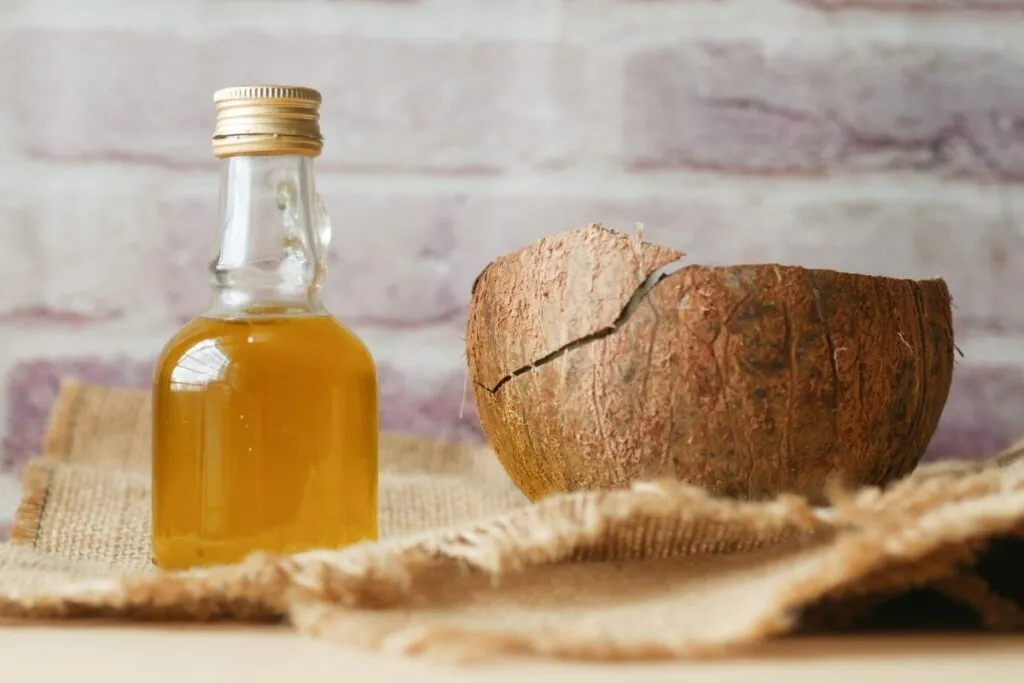
Coconut oil
Coconut oil is the most studied hair oil and the easiest to recommend. Lab research shows it can get inside the hair shaft and reduce protein loss during washing. Less protein loss means less breakage, which is why coconut-oiled hair often looks longer and thicker over time.
- Pros: affordable, widely available, strong evidence for reducing damage
- Cons: can feel heavy on fine hair; freezes in North Indian winters (warm the bottle in a bowl of hot water)
Castor oil
Castor oil is often called a “miracle” oil for hair growth, but there is no solid human research to support that. What it does well is coat and soften very dry ends. Mix one part castor with three or four parts coconut or almond oil to make it easier to spread and wash out.
- Pros: good sealant for dry ends
- Cons: sticky, hard to rinse, growth claims are unproven
Almond oil
Sweet almond oil is light and gentle, a good pick if coconut oil weighs your hair down. It softens hair and makes combing easier, which reduces breakage.
Bhringraj and amla oils
Bhringraj (Eclipta alba) and amla (Indian gooseberry) are the backbone of Ayurvedic hair care. Some lab and animal studies suggest bhringraj extract may support the hair growth cycle, but good human trials of bhringraj on its own are still missing. In practice many are herbs infused in coconut or sesame oil, but not all: Dabur Amla has a mineral oil and vegetable oil base.
Onion oil
Onion hair oil is hugely popular in India, but the evidence is thin. The study people usually quote used raw onion juice on a small group with patchy hair loss (alopecia areata), not onion oil on everyday hair fall. Try it if you like it, but keep expectations modest.
Rosemary oil
Rosemary has the most interesting early evidence. One small trial found that rosemary oil used for six months gave results similar to low-strength MinoxidilA topical drug used for pattern hair loss. It needs ongoing use to keep results, so check with a dermatologist before starting.See glossary in men with pattern hair loss, with less scalp itching. That is one study, not proof. Always dilute it: about 3 to 5 drops in a tablespoon of carrier oil, and patch-test first.
Argan oil
Argan oil is a light oil that many people use for frizz and shine, but the proof is thin and it is not a proven heat protectant. It does not have evidence for hair growth, so use it mainly on your lengths and ends, especially if you blow-dry or straighten your hair.
Best branded hair oils in India
These are well-established oils sold in most Indian chemists and online stores. None of them cures hair loss.
1. Parachute Coconut Oil
Best for: almost everyone, especially dry, curly or damaged hair.
This is plain coconut oil, and that simplicity is its strength. It is budget-friendly and gives you all the anti-breakage benefits described above without fragrance or additives.
How to use: warm a little, massage into the scalp and lengths, and wash out after one to two hours or the next morning.
- Pros: pure and inexpensive
- Pros: works as a pre-wash treatment for long hair
- Cons: heavy for very oily scalps
- Cons: solidifies in cold weather
2. Indulekha Bringha Oil
Best for: people who enjoy a traditional Ayurvedic oil and a scalp-focused routine.
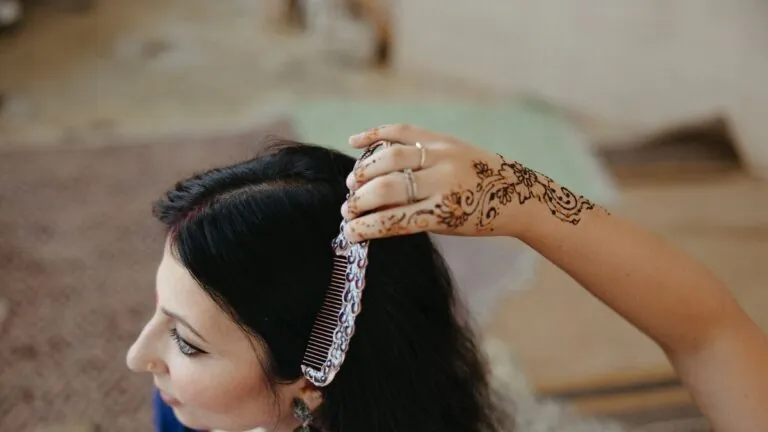
A blend of bhringraj and other herbs in a coconut oil base, sold with a built-in applicator comb that lets you apply oil directly to the scalp. It is a mid-range option.
How to use: part your hair in sections and use the applicator along the partings, then massage gently.
- Pros: applicator makes scalp oiling easy and less messy
- Pros: familiar herbal blend
- Cons: contains almond, so avoid if you have a nut allergy
- Cons: strong herbal smell for some
- Cons: the one published trial of this oil we found was funded by the brand, not independent
3. Dabur Amla Hair Oil
Best for: dry, dull hair and anyone who likes a classic amla oil.
One of the longest-running hair oils in India, this budget option combines amla with a mineral oil and vegetable oil base.
How to use: apply to the scalp and hair a few hours before washing; one or two times a week is enough.
- Pros: easy to find everywhere
- Pros: good shine on dry hair
- Cons: contains mineral oil, which some prefer to avoid
- Cons: can feel greasy on fine hair
4. Bajaj Almond Drops Hair Oil
Best for: people who want a non-sticky feel and do not mind mineral oil.
Despite the name, this is mostly mineral oil. Pharmacy listings show light liquid paraffin, a mineral oil, at 76.8%, with mustard and other vegetable oils, including sweet almond oil, at 21%. Bajaj sells it as light and non-sticky, so choose it for that feel, not for almond oil.
How to use: use a small amount for a short pre-wash treatment of 30 to 60 minutes.
- Pros: sold as light and non-sticky
- Cons: mostly mineral oil, which some prefer to avoid
- Cons: not ideal for very dry, thick hair
- Cons: avoid if you have a nut allergy
5. Mamaearth Onion Hair Oil
Best for: people curious about onion oil who want a ready-made blend.
One of the most popular onion hair oils in India, combining onion with other plant oils. It is a mid-range option without the smell of raw onion juice.
How to use: massage into the scalp, leave for an hour or two, then shampoo.
- Pros: pleasant to use compared with home-made onion juice
- Pros: widely available
- Cons: onion evidence is limited
- Cons: contains almond oil, so avoid if you have a nut allergy
- Cons: some users find it heavy
How to choose the best hair oil for your scalp and hair type
- Oily scalp: choose a light oil (almond, argan or a light blend), apply mainly to the lengths, and keep it on for only 30 to 60 minutes before washing. Overnight oiling on an oily scalp often leads to buildup and itching.
- Dandruff: be careful. Dandruff is linked to a yeast called Malassezia, which feeds on certain oils, so heavy oiling can make flakes worse. Treat dandruff first with an anti-dandruff shampoo (ketoconazole, zinc pyrithione or selenium sulfide), and oil only the lengths until it settles.
- Dry or curly hair: coconut oil, or coconut with a little castor, works well as a pre-wash treatment. See our guide to the best curly hair products in India for leave-in options.
- Fine hair: pick almond or argan, and use a small amount.
- Thinning at the crown or temples: diluted rosemary oil is the most reasonable oil to try, alongside a dermatologist’s advice.
Indian weather matters too. In humid coastal cities, oil can trap sweat and pollution on the scalp, so shorter oiling sessions work better. In hard-water areas, minerals coat the hair and make it feel rough; a pre-wash oil helps, but finish with a good conditioner. Our summer hair care tips cover heat and sweat in more detail.
How to oil your hair properly
- Use the right amount: about 1 to 2 teaspoons for short hair and 1 to 2 tablespoons for long, thick hair.
- Warm, not hot: gently warming the oil (place the bowl in hot water) helps it spread. Never use oil that is hot to the touch, as it can burn your scalp.
- Massage gently: use your fingertips, not your nails, for 3 to 5 minutes.
- How long to leave it: 1 to 2 hours is enough for most people. Overnight is fine for dry hair and a non-oily scalp, but not for dandruff-prone or acne-prone skin.
- How often: once or twice a week, always before a wash day.
- Washing out: apply shampoo to the oiled scalp before adding much water, lather, rinse, and shampoo again if needed. Follow with conditioner on the lengths.
If you want to add a mask to your routine, our list of the best hair packs for hair growth pairs well with weekly oiling. Men looking for a simple routine can follow this hair care routine for men.

Common hair oiling mistakes
- Leaving oil on for days and skipping washes, which leads to buildup, itching and odour.
- Tying oiled hair into a tight braid or bun, which adds tension and breakage.
- Applying undiluted essential oils such as rosemary or tea tree directly to the scalp.
- Heavy oiling on a flaky, dandruff-prone scalp.
- Expecting quick results. Hair grows roughly a centimetre a month (read more about how fast human hair grows), so judge any routine after three to six months.
When hair fall needs a dermatologist, not a new oil
Losing around 50 to 100 strands a day is normal. If you are losing much more, seeing a widening parting, a receding hairline or bald patches, oil alone will not fix it. Common causes include:
- Telogen effluvium: sudden, heavy shedding two to three months after a fever (including dengue or COVID), surgery, childbirth, crash dieting or severe stress.
- Thyroid problems: both an underactive and an overactive thyroid can cause diffuse hair fall.
- Low iron or vitamin D, and possibly B12: very common in India, particularly in women and vegetarians. A simple blood test can check.
- PCOS: may cause thinning on the top of the head along with irregular periods, acne or extra facial hair.
- Male and female pattern hair loss: a genetic, hormone-driven thinning that needs proven treatments, such as minoxidil, prescribed and monitored by a doctor.
See a dermatologist if hair fall lasts more than three months, comes with patches, scalp pain, redness or scaling, or appears alongside tiredness, weight changes or irregular periods.
Patch test first: before using any new oil, especially onion, rosemary or a herbal blend, apply a little behind your ear or on your inner arm and wait 24 to 48 hours. Stop if you notice redness, itching or burning.
Go deeper: compare rosemary oil vs onion oil on evidence, smell and scalp type, and learn how to oil your hair correctly so it helps instead of causing dandruff. Looking at a specific bottle? Read our breakdowns of Mamaearth Onion Hair Oil and Indulekha Bringha Oil, or try rice water for hair for shine.
Frequently Asked Questions
For most people, plain coconut oil is the best starting point because it has the strongest evidence for reducing breakage. If you prefer Ayurvedic blends, bhringraj or amla oils are good choices. Diluted rosemary oil is worth trying for thinning, though evidence is still limited.
Oil does not create new follicles or speed up the growth rate much. What it does is protect the hair you have from breaking, so length is retained and hair looks thicker.
Overnight oiling is fine for dry hair and a normal scalp. If you have an oily scalp, dandruff or forehead acne, keep it to one or two hours and then wash.
Rosemary has slightly better early evidence, from one small trial in pattern hair loss. Onion research mostly used onion juice in a small group with alopecia areata. Neither is proven, so choose the one you find comfortable and patch-test first.
Heavy oiling can make dandruff worse because the yeast behind it feeds on oils. Treat the flakes with an anti-dandruff shampoo first, and oil only your lengths until your scalp is clear.
Once or twice a week before washing is enough for most hair types. Daily oiling without washing tends to cause buildup rather than better growth.
Quick poll
How much do you usually spend on one beauty product?
Final thoughts
The best hair oil is the one you will use consistently and that suits your scalp: coconut for most hair types, a light almond or argan oil for oily scalps, and diluted rosemary if you want to try something for thinning. Oil once or twice a week, wash it out properly, and give it a few months. For more gentle routines, explore our natural hair care tips at home, and if your hair fall is heavy or sudden, book a visit to a dermatologist.