
Best Hair Pack for Hair Growth: 7 DIY Recipes That Work (2026)
Seven easy DIY hair packs for hair growth, from methi and curd to aloe and amla, with recipes, leave-on times, scalp-type picks and honest advice on what packs can and cannot do.

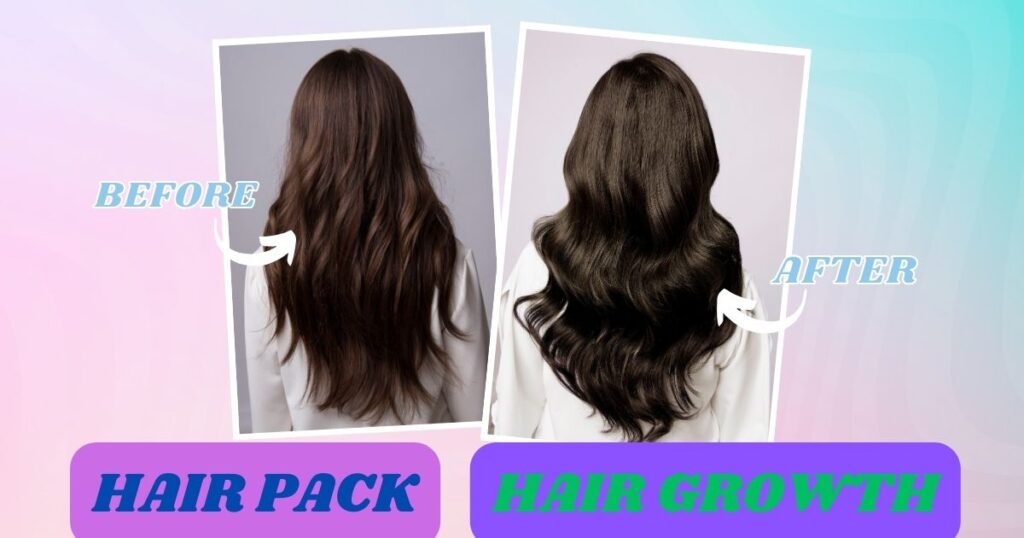
The best hair pack for hair growth is a simple home mix that matches your scalp: methi and curd for dryness and frizz, aloe vera for an itchy or sensitive scalp, amla and shikakai for oily roots, and egg and curd for weak, breaking lengths. Used once or twice a week, a good hair pack for hair growth keeps your scalp clean and calm and your strands strong, so the hair you grow stays on your head instead of snapping off.
One honest note before the recipes: no pack can switch dormant follicles back on or “regrow” hair. Hair growth is set mostly by genetics, hormones, nutrition and health. What packs do well is condition, reduce breakage and support a healthy scalp, and that alone often makes hair look thicker and longer over a few months.
Quick answer: the best hair packs for hair growth at home
- Methi (fenugreek) + curd – best all-rounder for dry, frizzy, dull hair.
- Aloe vera gel + coconut oil – best for an itchy, dry or sensitive scalp.
- Amla + shikakai + reetha – best for oily scalp and humid weather.
- Egg + curd – best for weak, breakage-prone lengths.
- Hibiscus leaf and flower – best for softness and slip on thick or curly hair.
- Diluted onion juice + aloe – a popular hair fall pack, only for non-sensitive scalps.
- Fermented rice water – best as a light rinse for oily or fine hair.
Hair pack comparison table
| Hair pack | Best for scalp/hair | Leave on | How often | Watch out for |
|---|---|---|---|---|
| Methi + curd | Dry, frizzy, mild flakes | 30–45 min | 1x a week | Strong smell; rinse well |
| Aloe vera + coconut oil | Dry, itchy, sensitive | 30–60 min | 1–2x a week | Too much oil on oily scalp |
| Amla + shikakai + reetha | Oily, humid-weather greasiness | 20–30 min | 1x a week | Can dry out lengths |
| Egg + curd | Weak, damaged lengths | 20–30 min | Every 2 weeks | Rinse with cool water only |
| Hibiscus | Thick, curly, rough hair | 30–40 min | 1x a week | Can tint very light hair |
| Onion juice + aloe | Normal, non-sensitive scalp | 15–20 min | 1–2x a week | Stinging, smell, irritation |
| Rice water | Oily or fine hair | 10–20 min | 1–2x a week | Overuse can feel stiff |
Best DIY hair packs for hair growth: recipes and how to use them
All recipes below are for shoulder-length hair. Double the quantities for long hair, and always apply on hair that is detangled and slightly damp.
1. Methi (fenugreek) and curd hair pack
This is the classic Indian hair growth pack, and for good reason. Soaked methi seeds turn slippery when ground, which gives a conditioning feel, and curd adds moisture and a mild acidity that helps smooth the cuticle. It suits dry, frizzy hair and scalps with light, dry flakes.
- Soak 3 tablespoons of methi seeds in water overnight.
- Grind into a smooth paste with 4 tablespoons of plain, fresh curd. Add a little soaking water if it is too thick.
- Apply section by section on the scalp, then smooth the rest down your lengths.
- Leave on for 30–45 minutes, then rinse well and follow with a mild shampoo.
Pros: cheap, easy, noticeably softer hair. Cons: smell lingers, and grainy bits can stick if the paste is not fine.
2. Aloe vera and coconut oil hair pack
Aloe vera gel is soothing and lightweight, so this pack is the gentlest option on the list. Pair it with a little coconut oil if your scalp feels tight and dry, or use aloe alone if your roots get greasy fast.
- Scoop 4 tablespoons of fresh aloe gel (or a pure, fragrance-free store gel) and blend until smooth.
- Mix in 1 tablespoon of warm coconut oil.
- Massage into the scalp with your fingertips for 3–5 minutes, then apply the rest to your ends.
- Leave on for 30–60 minutes and wash with a mild shampoo.
Pros: calming, good for sensitive scalps and summer. Cons: fresh gel spoils quickly, so make it the same day.
3. Amla, shikakai and reetha hair pack
This trio is the go-to for oily scalps, especially in humid cities like Mumbai, Chennai or Kolkata where roots feel greasy by evening. Shikakai and reetha cleanse gently, and amla adds a squeaky, fresh feel.
- Mix 2 tablespoons each of amla and shikakai powder with 1 tablespoon of reetha powder.
- Add warm water to make a smooth, yoghurt-like paste and rest it for 15 minutes.
- Apply mainly to the scalp and roots, keeping it off very dry ends.
- Leave on for 20–30 minutes, then rinse thoroughly. You can skip shampoo on this day.
Pros: controls oil, cleanses without harsh foam. Cons: can feel drying on lengths; follow with a little conditioner on the ends.
4. Egg and curd hair pack
If your hair breaks easily from heat styling, colouring or rough towel drying, this protein and moisture pack helps lengths feel stronger and less brittle. Less breakage is often what people notice as “growth”.
- Whisk 1 egg (2 for long hair) with 3 tablespoons of curd.
- Apply mostly on the mid-lengths and ends, with a little on the scalp.
- Leave on for 20–30 minutes, ideally with a shower cap.
- Rinse with cool water first (hot water can cook the egg), then shampoo.
Pros: great for damaged, coloured or fine hair. Cons: smell, and too much protein can make hair feel stiff, so keep it to every two weeks.
5. Hibiscus hair pack
Hibiscus (gudhal) leaves and flowers release a slippery mucilage when ground, which makes hair easier to detangle. It is a lovely pack for thick, rough or curly Indian hair that tangles in humidity.
- Grind 8–10 hibiscus leaves and 2–3 flowers with a little water or curd.
- Apply from scalp to ends and twist hair into a loose bun.
- Leave on for 30–40 minutes and rinse with plain water, then shampoo if needed.
Pros: softness, slip, shine. Cons: may leave a faint reddish tint on very light or grey hair.
6. Onion juice and aloe vera hair pack (for non-sensitive scalps only)
Onion juice is hugely popular for hair fall in India, and some people like it as part of their routine. But the evidence is limited, and raw onion can sting, redden or irritate the scalp. Never use it on a sensitive, broken or freshly scratched scalp.
- Blend half an onion and strain the juice through a cloth.
- Mix 2 tablespoons of onion juice with 2 tablespoons of aloe gel to dilute it.
- Patch test first, then dab on the scalp with cotton.
- Leave on for no more than 15–20 minutes and wash with shampoo.
Pros: easy, inexpensive. Cons: strong smell, real chance of irritation. Stop at the first burning feeling.
7. Fermented rice water rinse
Rice water is more of a rinse than a pack, but it works well for oily or fine hair that feels weighed down by heavy masks. It leaves strands feeling smoother and a bit fuller.
- Rinse half a cup of rice, then soak it in 2 cups of water for 30 minutes, or leave the strained water at room temperature for 12–24 hours to ferment lightly.
- After shampooing, pour it over your scalp and hair and massage gently.
- Leave for 10–20 minutes and rinse with plain water.
Pros: lightweight, no greasy feel. Cons: overuse can make hair feel stiff; fermented water smells sour.
Store-bought hair masks, if you prefer ready-made
If you do not have time to grind and soak, a ready-made mask is fine. Two that are widely sold in India:
- Mamaearth Onion Hair Mask – a budget pick for people who like the onion routine but want a more pleasant, pre-formulated option.
- St.Botanica Moroccan Argan Hair Mask – a mid-range conditioning mask for dry, frizzy or coloured lengths.
Treat these as conditioning masks, not growth treatments. Read the label for fragrance and essential oils if your scalp is reactive, and patch test just as you would with a home pack.
How to choose the right hair pack for your scalp
Dry scalp and frizzy hair
Pick methi and curd, aloe with coconut oil, or hibiscus. Avoid the amla-shikakai mix more than once a week, as it can leave hair rough. In North Indian winters, when dryness peaks, add a light oiling the night before; our guide to the best hair oils for hair growth can help you pick one.
Oily scalp
Go for amla-shikakai-reetha, plain aloe, or rice water. Keep heavy oils and egg packs to the lengths only. In monsoon and coastal humidity, shorter leave-on times (20 minutes) work better than long ones.
Dandruff-prone scalp
Plain curd or methi-curd can help with light, dry flakes. Greasy, yellow or stubborn flakes are usually a fungal issue that needs an anti-dandruff shampoo, not a kitchen pack. See our winter hair fall and dandruff routine for a full plan.
Hard water and pollution
If you live with hard water, your hair may feel coated and dull no matter what pack you use. A clarifying wash once a week, a final rinse with filtered or boiled-and-cooled water, and a gentle pack like aloe or hibiscus make a real difference. City dwellers can also read our post-pollution hair care guide.
How to use a hair pack: step-by-step routine
- Patch test any new pack on the inner arm or behind the ear and wait 24 hours.
- Detangle dry hair with a wide-tooth comb and dampen it lightly.
- Section hair into four parts and apply to the scalp first, then the lengths.
- Massage gently with your fingertips for 2–3 minutes. No scratching with nails.
- Cover with a shower cap and leave on for the time given in the recipe.
- Rinse with lukewarm or cool water, then use a mild shampoo and conditioner on the ends.
- Repeat once or twice a week and give it at least 8–12 weeks before judging results.
Packs work best as part of a simple routine: gentle washing, regular conditioning, less heat, and a diet with enough protein, iron and vitamins. Our natural hair care tips at home covers the everyday habits that matter as much as any pack.
Common mistakes to avoid
- Applying lemon or raw onion to a sensitive scalp. Both can sting and irritate. Lemon can also make the scalp more sensitive to sun.
- Leaving packs on overnight. Curd, egg and fresh pastes can ferment, smell and attract irritation. Stick to the time given.
- Using several packs a week. More is not better. Over-masking can leave hair limp or the scalp irritated.
- Skipping shampoo after heavy packs. Leftover residue can clog the scalp and worsen flakes.
- Expecting quick growth. Hair grows roughly a centimetre a month; read how fast hair actually grows to set realistic expectations.
- Ignoring the real cause. If hair fall is sudden or heavy, no pack will fix it.
When to see a dermatologist or trichologist
Hair packs are for everyday care, not for treating hair loss. Book an appointment with a dermatologist or trichologist if you notice:
- Sudden, heavy hair fall, such as clumps in the shower or on your pillow.
- Round bald patches, a widening parting, or a receding hairline.
- Hair fall that continues for more than three months despite good care.
- A red, painful, oozing or very itchy scalp, or flakes that do not respond to anti-dandruff shampoo.
- Hair loss along with fatigue, weight change, irregular periods or after illness, surgery or childbirth.
These can point to thyroid issues, iron or vitamin deficiencies, hormonal changes or scalp conditions, which need proper diagnosis and treatment.
Frequently asked questions
Which hair pack is best for hair growth at home?
For most people, a methi and curd pack is the best all-rounder because it conditions, softens and calms mild dryness. Oily scalps do better with amla and shikakai, and sensitive scalps with plain aloe vera. Pick by scalp type rather than by trend.
Can a hair pack really regrow hair?
No. Hair packs cannot revive follicles that have stopped producing hair or reverse genetic hair loss. They help by keeping the scalp healthy and reducing breakage, which can make hair look fuller and help you retain length.
How often should I apply a hair growth pack?
Once a week is enough for most hair types, and twice a week for gentle packs like aloe vera. Egg-based protein packs are best every two weeks. Consistency over two to three months matters more than frequency.
How long should I leave a hair pack on?
Most packs need 20–45 minutes. Gentle aloe packs can stay up to an hour, while onion juice should not go beyond 15–20 minutes. Avoid leaving any fresh pack on overnight.
Should I apply a hair pack on oiled or washed hair?
Either works. Applying on lightly oiled hair is fine for dry hair, while oily scalps do better with packs on clean, slightly damp hair. Always shampoo after heavy packs like methi or egg.
Is onion juice safe for hair fall?
It is safe for some people but can irritate others, and the research behind it is limited. Always dilute it, patch test first and skip it on sensitive, broken or inflamed skin. If you feel burning, rinse immediately.
Can I use a hair pack if I have dandruff?
Mild, dry flakes may feel better with curd, methi or aloe packs. Persistent or greasy dandruff usually needs a medicated anti-dandruff shampoo, and a dermatologist if it does not improve in a few weeks.
The bottom line
The best hair pack for hair growth is the one that suits your scalp and that you will actually use every week. Start with methi and curd or aloe vera, keep onion and lemon away from sensitive skin, and give any routine at least two to three months. If hair fall is sudden, patchy or lasts more than three months, skip the kitchen experiments and see a dermatologist.




Join the conversation