
Natural Hair Care Tips at Home: An Honest Indian Guide (2026)
Simple, honest natural hair care tips at home for Indian hair: how to wash and oil, what curd, methi and onion juice can really do, and seasonal fixes.


The best natural hair care tips at home are simple: wash on a schedule that suits your scalp, oil before you wash rather than leaving oil on for days, detangle gently, keep heat low, and eat enough protein, iron and vitamin D. Home masks like curd, aloe vera and methi can make hair feel softer, but they support a good routine rather than replace it.
This guide is written for Indian hair and Indian weather: hard water, sticky monsoons, dry winters and sweaty summers. You’ll find a realistic weekly routine, an honest table of kitchen ingredients, season-by-season tweaks, and clear signs that it’s time to see a dermatologist.
Natural Hair Care at a Glance
- Wash: 2–3 times a week for most people; more often if your scalp is oily or you sweat a lot.
- Oil: 30 minutes to a couple of hours before washing, not overnight on a flaky, dandruff-prone scalp.
- Condition: every wash, on the lengths only.
- Detangle: with a wide-tooth comb, ends first, while hair is damp and conditioned.
- Heat: air-dry when you can; use a heat protectant and medium settings when you can’t.
- Eat: protein at every meal, iron-rich foods, and get vitamin D checked if your hair is shedding.
- Masks: once a week at most, always patch-tested first.
1. Wash Your Hair the Right Number of Times
There is no single “correct” number, but there is a correct principle: wash when your scalp needs it. Sweat, oil and pollution build up on the scalp and can feed dandruff. Going too long between washes is often worse for an Indian scalp than washing frequently.
- Oily scalp or daily commute/gym: every other day, or daily with a mild shampoo.
- Normal scalp: 2–3 times a week.
- Dry scalp, or thick curly and coily hair: 1–2 times a week, with conditioner or a co-wash in between if needed.
Shampoo the scalp, not the lengths. The foam that rinses down is enough to clean the ends. A mild or sulfate-free shampoo is kinder to dry, coloured or curly hair, while a regular shampoo is fine if your scalp is oily. Follow with conditioner on the mid-lengths and ends every single wash.
2. Oil Your Hair the Right Way
Champi is a lovely ritual, and oils like coconut can reduce how much water the hair shaft soaks up during washing, which means less swelling and less breakage. The mistake most of us grew up with is leaving oil on for a day or two and stepping out in dust and sun.
- Warm a tablespoon or two of oil slightly (it should feel comfortable on your wrist, never hot).
- Apply mainly to the lengths and ends; use only a little on the scalp.
- Massage the scalp with your fingertips, not your nails, for 3–5 minutes.
- Leave it on for 30 minutes to 2 hours, then shampoo.
If you have dandruff, go easy. The yeast linked to dandruff (Malassezia) feeds on oils, so heavy oil sitting on a flaky scalp for hours can make flakes and itching worse. Oil the lengths only, or skip scalp oiling until the dandruff is under control. Our guide to hair fall and dandruff care in winter covers anti-dandruff shampoos in more detail.
Not sure which oil to pick? Coconut suits most Indian hair, almond and sesame are lighter options, and castor is very thick, so it’s best mixed with another oil. We compare them honestly in our hair oil for hair growth guide.
3. Detangle Gently to Prevent Breakage
Much of the “hair fall” in your drain is actually breakage from rough combing. Wet hair stretches and snaps more easily, so how you comb matters.
- Detangle with conditioner still in, or with a leave-in on damp hair, so the comb glides.
- Use a wide-tooth comb. Start at the ends, then work up to the roots in small sections.
- Pat hair dry with a soft cotton T-shirt or microfibre towel. Don’t rub or twist it into a tight towel turban.
- Avoid very tight ponytails, buns and rubber bands; constant pulling can cause traction hair loss along the hairline.
- Get a trim every 8–12 weeks to remove split ends before they travel up the strand.
Curly and wavy hair should usually be detangled only when wet and conditioned, never brushed dry. If that’s you, our curly hair products guide explains a curl-friendly wash routine.
4. Cut Down Heat (and Protect When You Use It)
Straighteners, curling tongs and hot blow-drying break down the hair’s outer layer, which shows up as dryness, frizz and split ends. You don’t have to give up styling for functions and weddings, but daily heat adds up quickly.
- Air-dry most days, or let hair dry 70–80% before blow-drying.
- Always use a heat protectant spray or serum before styling.
- Keep tools on low to medium heat and never pass a straightener over the same section again and again.
- Try heat-free options: braids for waves, or loose buns and simple saree hairstyles that don’t need a straightener.
5. Eat for Your Hair: Protein, Iron and Vitamin D
Hair is made of a protein called keratin, and your body treats hair as a low priority when nutrition runs short. Many Indian diets, especially vegetarian ones, are low in protein, and iron deficiency and low vitamin D are very common in India, particularly among women.
- Protein: dal, rajma, chana, paneer, curd, soya, eggs, chicken and fish. Aim for some protein at every meal.
- Iron: spinach and other greens, ragi, bajra, jaggery, dates, lentils and meat. Pair plant iron with vitamin C (lemon, amla, guava) to help absorption.
- Vitamin D: morning sunlight helps, but many people stay low anyway. A simple blood test tells you where you stand.
Don’t start iron or high-dose vitamin supplements on your own; too much can be harmful. If you’re shedding a lot, ask a doctor to check haemoglobin, ferritin, vitamin D, B12 and thyroid.
6. Sleep and Stress: The Habits Nobody Mentions
A major stressful event, such as an illness, high fever, surgery, crash dieting or exams, can push many hairs into the shedding phase at once. This is called telogen effluvium, and the extra shedding usually shows up two to three months later. It usually settles once the trigger passes.
- Aim for 7–8 hours of sleep at regular times.
- Build in stress relief you’ll actually stick to: a walk, yoga, or 10 minutes of slow breathing.
- Sleep with hair in a loose plait, ideally on a cotton-satin or silk pillowcase to reduce friction.
7. Home Hair Masks: What They Can and Can’t Do
Kitchen masks are cheap and can leave hair feeling softer and shinier. But be realistic: most have little or no strong scientific evidence for regrowing hair, and “natural” does not mean “safe for everyone”. Here’s an honest look at the popular ones.
| Ingredient | What it can do | What it can’t do | Watch out for |
|---|---|---|---|
| Curd (dahi) | Softens and conditions; can feel soothing on a dry scalp | No proof it stops hair fall or cures dandruff | Sour smell; rinse well with shampoo |
| Aloe vera gel | Lightweight moisture, calms mild itchiness, helps curls hold shape | Won’t regrow thinning hair | Some people are allergic; fresh gel can be sticky |
| Egg | Temporarily coats hair for a smoother, glossier feel | Won’t “add protein” that repairs hair permanently | Rinse with cool water or it cooks; egg allergy |
| Methi (fenugreek) paste | Slip and conditioning; many find it reduces frizz | Evidence for hair growth is limited and mostly small studies | Strong smell, hard to rinse out; can irritate sensitive skin |
| Onion juice | One small study suggested benefit in patchy hair loss; may help some people | Not a proven fix for common thinning or genetic hair loss | Stinging, redness, strong smell; do not leave on for long |
| Garlic | Little reliable benefit for hair | Doesn’t regrow hair | Raw garlic can cause chemical burns on the scalp; best avoided |
Simple mask recipes worth trying
- Curd and aloe: 3 tablespoons of plain curd with 2 tablespoons of aloe vera gel. Apply to lengths for 20–30 minutes, then shampoo.
- Methi paste: soak 2 tablespoons of methi seeds overnight, grind to a smooth paste with a little curd, apply for 30 minutes. Rinse thoroughly.
Patch test every time you try something new. Dab a little behind your ear or on your inner arm and wait 24–48 hours. If you notice burning, redness, itching or bumps, don’t use it on your scalp. Onion juice should be diluted and rinsed off within 15–30 minutes, and skip it completely if your scalp is broken, sunburnt or very sensitive.
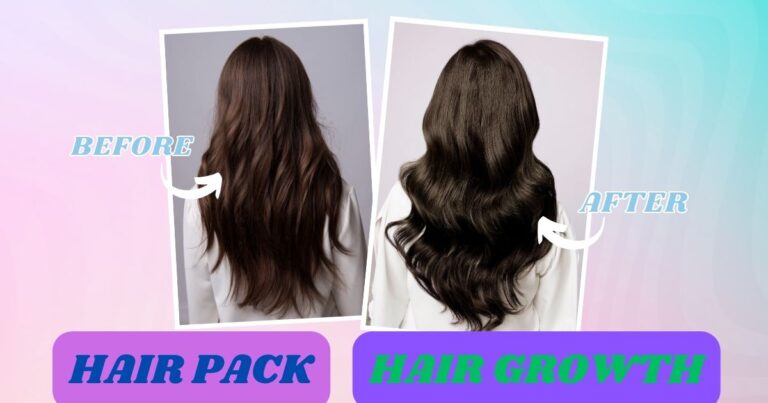
For more pack ideas and an honest take on ingredients like amla, hibiscus and bhringraj, read our hair pack for hair growth guide.
8. Deal With Hard Water
Borewell and tanker water in many Indian cities is high in calcium and magnesium. These minerals leave a film on hair that makes it feel rough, dull and tangly, and stops shampoo from lathering well.
- Fit a shower filter, or do your final rinse with filtered or RO water from a mug.
- Use a clarifying shampoo once every 2–4 weeks to remove mineral and product build-up.
- An occasional diluted rinse (1 tablespoon of apple cider vinegar or lemon juice in a mug of water) can help hair feel smoother. Don’t use it daily, and avoid it on a broken or irritated scalp.
- Never skip conditioner; it counteracts much of the roughness.
9. Adjust Your Routine for Indian Seasons
Monsoon: frizz and fungal itch
Humidity makes hair swell and frizz, and a damp scalp is a happy place for fungus. Wash more often, dry your scalp properly (a cool blow-dry on the roots is fine), and never tie up damp hair. A light leave-in or a drop of serum on the ends helps control frizz.
Winter: dryness and flakes
Cold air and hot showers dry out the scalp and lengths. Wash with lukewarm water, use a richer conditioner, and do a pre-wash oil once a week. Flakes in winter can be dry scalp or dandruff; dry-scalp flakes are small and white, while dandruff flakes tend to be greasy and yellowish. After Diwali, smog adds another layer of grime, so see our post-Diwali skin and hair care guide.
Summer: sweat, sun and oiliness
Sweat builds up fast, so wash more often and rinse after the gym. Keep oiling to a short pre-wash session. Cover your hair with a scarf, dupatta or cap in strong sun, and rinse out chlorine with fresh water after swimming.
A Simple Weekly Natural Hair Care Routine
- Wash day (2–3 times a week): optional pre-wash oil, shampoo the scalp, condition the lengths, detangle in the shower.
- After washing: pat dry, apply a leave-in or a few drops of serum on damp ends, air-dry.
- Once a week: one home mask or a deep conditioner instead of regular conditioner.
- Every 2–4 weeks: a clarifying wash if you have hard water or use styling products.
- Every 8–12 weeks: a trim.
- Every day: protein in your meals, water, sleep, and loose hairstyles.
Common Mistakes to Avoid
- Leaving oil on overnight, or for days, on a dandruff-prone scalp.
- Skipping conditioner because you think it causes hair fall. It doesn’t; it reduces breakage.
- Combing wet hair from the roots with a fine-tooth comb.
- Applying raw garlic, undiluted essential oils or lemon juice directly to the scalp.
- Expecting results in a week. Hair grows roughly a centimetre a month, so judge a routine after 3 months.
When to See a Dermatologist or Trichologist
Home care is great for everyday hair health, but it can’t treat medical causes of hair loss. Book an appointment with a dermatologist if you notice any of these:
- Sudden heavy shedding, or clumps of hair coming out, for more than 2–3 months.
- Round bald patches, a widening parting or a receding hairline.
- A red, painful, oozing or very itchy scalp, or thick scales that don’t clear with an anti-dandruff shampoo.
- Hair loss along with tiredness, irregular periods, weight changes or acne, which may point to anaemia, thyroid problems or PCOS.
Early treatment works much better than waiting, especially for genetic hair thinning and alopecia areata.
Frequently Asked Questions
How can I take care of my hair naturally at home?
Wash on a regular schedule, condition every time, oil briefly before washing, and detangle gently with a wide-tooth comb. Limit heat, eat enough protein and iron, sleep well, and use a simple home mask once a week if you enjoy it.
Is it good to leave oil in hair overnight?
For dry lengths and a healthy scalp, an occasional overnight oiling is usually fine. If you have dandruff, an oily scalp or acne along the hairline, keep it to 30 minutes to 2 hours before washing, because oil left on the scalp can worsen flakes.
Does onion juice really regrow hair?
The evidence is weak and comes mainly from one small study on patchy hair loss. It isn’t a proven treatment for everyday thinning or genetic hair loss. If you try it, dilute it, patch test first, and rinse within 30 minutes.
How often should I apply a home hair mask?
Once a week is plenty for most people. Masks with curd, egg or methi can leave residue, so always shampoo afterwards and clarify every few weeks if your hair starts to feel heavy.
Can natural remedies stop hair fall completely?
No. Losing around 50–100 hairs a day is normal, and no home remedy can stop that. Gentle care reduces breakage, but medical causes like thyroid problems, anaemia or genetic thinning need a doctor’s diagnosis and treatment.
The Bottom Line
Good natural hair care at home is less about secret ingredients and more about steady, gentle habits: a clean scalp, conditioned lengths, low heat and a well-fed body. Use kitchen masks as a weekly treat, patch-test anything new, adjust for the season, and give your routine three months before judging it. If shedding is heavy or your scalp is unhappy, a dermatologist is your best next step.



Join the conversation