South Indian Diet Plan for Weight Loss: 7-Day Veg Plan (2026)
Lose weight on idli, dosa, sambar and curd rice: portion rules, protein add-ons, millet and rice tips, plus a 7-day veg plan with non-veg swaps.

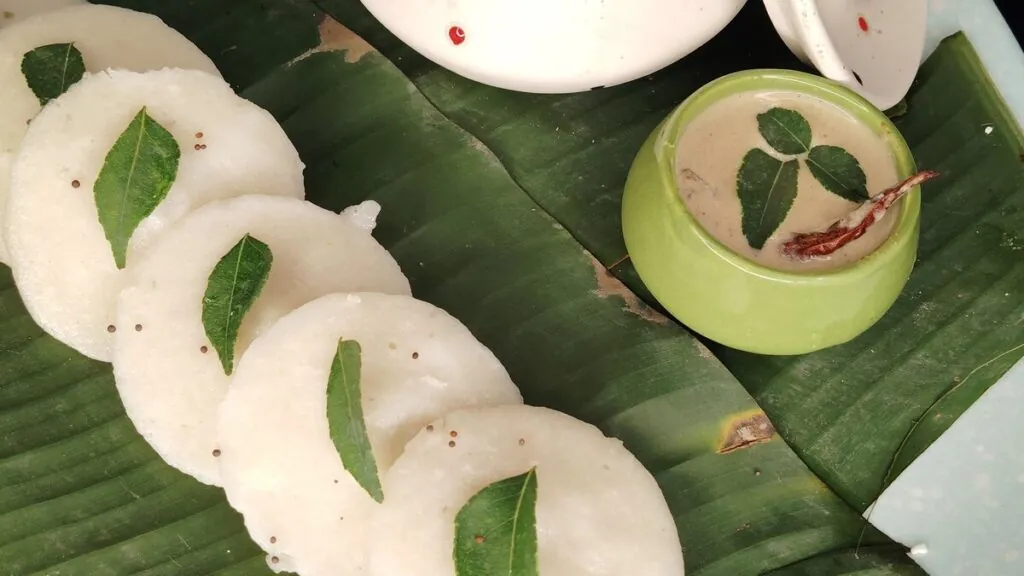
A South Indian diet plan for weight loss doesn’t mean giving up idli, dosa or rice. It means eating smaller portions of the rice-based items, adding protein to every meal through dal, sambar, sprouts, paneer, curd, eggs or fish, filling half your plate with vegetables, and going easy on coconut and oil.
Below: portion guides for each dish, protein upgrades, a 7-day vegetarian plan with non-veg swaps, and an honest idea of how fast the weight comes off.
The quick version: 8 rules that do most of the work
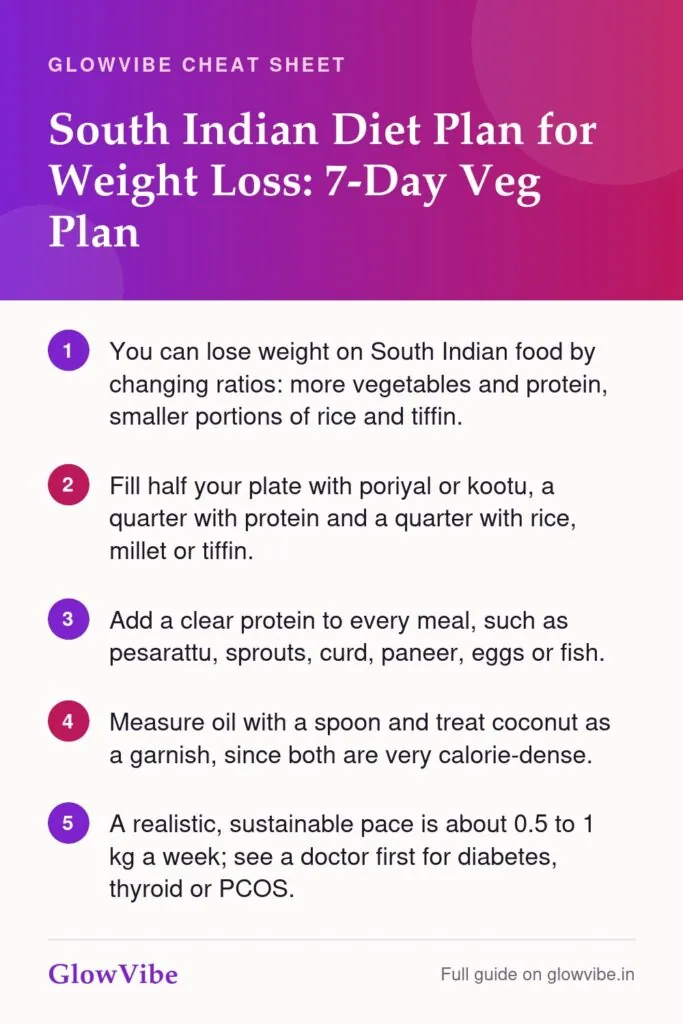
- Use the plate rule: half vegetables (poriyal, kootu, salad), a quarter protein (dal, sambar, curd, paneer, egg, fish), a quarter rice, millet or tiffin.
- Count your idlis and dosas instead of eating until the plate is empty. Two or three idlis, or one or two dosas, is a sensible start for most adults.
- Have a bigger bowl of sambar and a smaller pile of rice. Thick, vegetable-heavy sambar is one of your best tools.
- Put protein in every meal, including breakfast, which is where South Indian meals are usually lightest on it.
- Measure the oil. Use a teaspoon, not a free pour, for tadka and dosa.
- Treat coconut as a flavour, not a base. A spoonful of grated coconut on poriyal is fine. Two big scoops of coconut chutney with every tiffin add up fast.
- Swap in millets like ragi and foxtail millet (thinai) a few times a week. Don’t think of them as magic, just as a filling change from white rice.
- Keep fried items for occasions. Vada, bajji, murukku and ghee roast dosa are treats, not daily food.
Why South Indian food works well for weight loss
Traditional South Indian cooking already has a lot going for it. Idli is steamed, sambar and rasam are mostly lentils, vegetables and water, curd comes with nearly every meal, and poriyal is lightly cooked vegetables.
The trouble usually isn’t the dishes themselves. It’s the ratios. A big mound of rice with a small katori of sambar, or four or five dosas with lots of coconut chutney, is heavy on refined carbs and light on protein and fibre, so you get hungry again quickly. Fixing the ratio matters more than banning any food.
Weight loss still comes down to eating a little less energy than you burn, over weeks and months. No single dish, millet or spice burns fat.
How to make each dish work for you
The calorie figures below are rough estimates only. They change a lot with size, batter, oil and how the dish is served, so use them to compare dishes, not to count down to the last calorie.
Idli
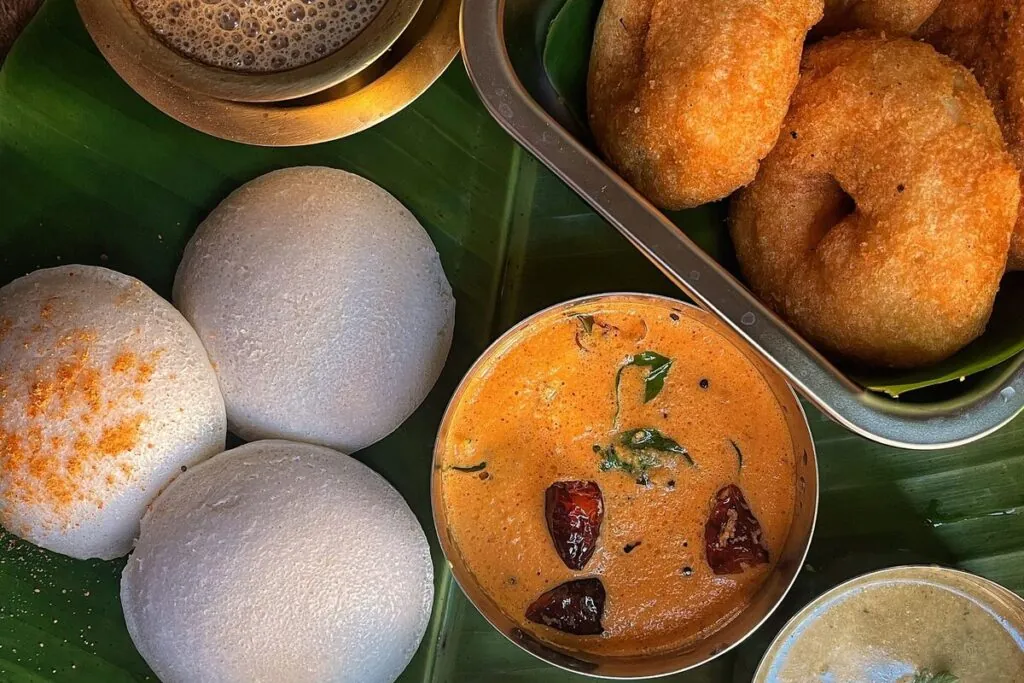
A medium idli is roughly 50–70 kcal (estimate), so idli is a good base. The catch is that it’s mostly rice, and three idlis on their own won’t keep you full for long. Have two or three with a large bowl of sambar, and add a protein side such as a boiled egg, a small bowl of sprouts or a glass of buttermilk. Go light on podi with oil or ghee.
Dosa
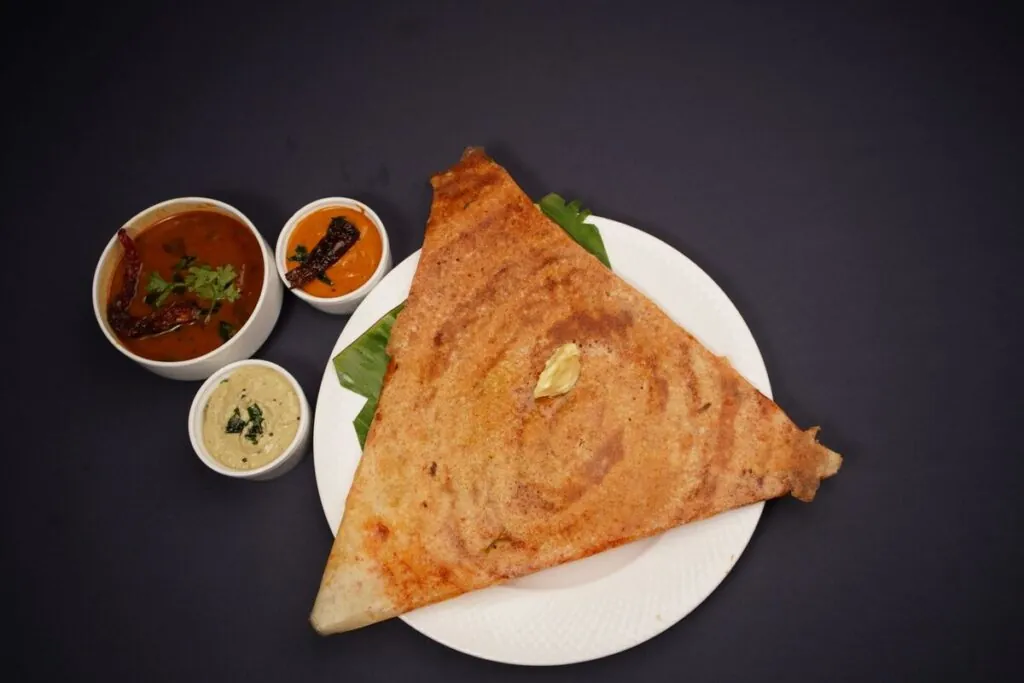
A plain dosa made with a teaspoon of oil is a reasonable meal. A large ghee roast or masala dosa from a restaurant is a very different thing. Brush oil on the tawa rather than pouring it. Better options include pesarattu (green moong dosa), adai (a mixed-dal dosa), ragi dosa and paneer- or egg-topped dosa, because they bring more protein. Stick to one or two dosas, with sambar as the main side and chutney as a small extra.
Upma
Rava upma is filling but is mostly refined semolina and oil. Make it work for you by using half the rava and doubling the vegetables (carrot, beans, peas, onion). You can also make it with broken wheat, foxtail millet or oats. Use a teaspoon of oil and have it with curd or an egg.
Pongal
To lighten ven pongal, change the ratio to equal parts dal and rice (or rice plus foxtail millet), use one teaspoon of ghee instead of several, and skip the cashews or use just a few. Keep sakkarai (sweet) pongal for festivals.
Sambar
Sambar is your secret weapon. Make it thick with plenty of toor dal and vegetables such as drumstick, pumpkin, brinjal, ladies’ finger and radish. Have a large bowl, not a small katori poured over rice. A normal serving gives only modest protein, so still add curd, paneer, egg or fish.
Rasam
Rasam is light and warming, but on its own it has very little protein, so think of it as a soup, not as your dal.
Curd rice
Curd rice can fit into a weight-loss plan if you flip the ratio: more curd, less rice. Use a small cup of cooked rice with a big bowl of curd, then mix in grated cucumber, carrot and pomegranate. It works well as a light dinner.
Poriyal, kootu and thoran
These vegetable sides should take up half your plate, not a corner of it. Beans, cabbage, beetroot, snake gourd and keerai all work. Cook them with one teaspoon of oil per two servings and use one tablespoon of grated coconut rather than a handful. Kootu, made with vegetables and moong or chana dal, adds protein too.
Adding protein to South Indian meals
Protein keeps you full and protects muscle while you lose weight, and most South Indian vegetarian meals are low in it. Aim for a clear protein source at each meal. For a fuller list, see our guide to protein-rich foods for weight loss.
| Meal | Vegetarian protein add-ons | Non-veg swaps |
|---|---|---|
| Breakfast | Pesarattu, adai, moong sprouts, curd, paneer bhurji on dosa, roasted chana | Boiled eggs, egg dosa, egg bhurji |
| Lunch | Thick sambar, kootu, a bowl of curd, sundal (chana or rajma) | Fish curry (less coconut), grilled or tawa fish, chicken curry |
| Snack | Sundal, buttermilk, roasted peanuts (small handful), sprouts chaat | Boiled egg |
| Dinner | Paneer or tofu poriyal, dal, curd | Egg curry, pepper chicken (dry, less oil), fish |
Fish is a lean protein; most of the calories in a fish curry come from coconut milk and oil. Choose tamarind- or tomato-based curries or a low-oil tawa fry most of the time.
Millets: ragi, foxtail and friends
Millets are traditional South Indian grains. They generally have more fibre and some minerals than polished white rice, so many people find them more filling. Ragi (finger millet) is also known for its calcium. They don’t melt fat, and a big portion of millet still adds up to a big portion of carbs.
- Ragi: ragi dosa, ragi idli, ragi mudde with sambar, or ragi kanji made with buttermilk (not sugar).
- Foxtail millet (thinai): cook it like rice for lunch, or use it in upma, pongal and curd rice.
Start with one millet meal a day and build up slowly, as a sudden jump in fibre can cause bloating.
How to handle rice
You don’t have to stop eating rice. What matters is how much, what you eat with it and how often.
- Use a measure. Start with about one cup of cooked rice per meal (about one fist-sized serving), and serve it yourself rather than having it refilled.
- Eat rice once a day and have a tiffin, millet or roti-and-dal meal at other times.
- Eat in order: start with poriyal and sambar, then the rice. You’ll often find you want less.
- Watch the “second round”: sambar rice, then rasam rice, then curd rice can add up to three servings of rice in one sitting. Pick two, with small portions.
Watching coconut and oil
Coconut, gingelly oil and ghee aren’t “bad”, but they are very calorie-dense. A tablespoon of any oil is roughly 120 kcal (estimate), and a large serving of coconut chutney can easily add more than the idlis it comes with.
- Measure cooking oil with a spoon. A common rough target is about 3–4 teaspoons of oil per person per day, across all your cooking.
- Make chutneys with a smaller amount of coconut plus roasted chana dal, or rotate in tomato, onion, mint or coriander chutney.
- Keep ghee to one teaspoon on rice or pongal, if you want it.
Sample 7-day South Indian diet plan (vegetarian, with non-veg swaps)
This is a template, not a prescription; adjust portions to your size, activity and hunger. Have tea or coffee with little or no sugar.
| Day | Breakfast | Lunch | Evening snack | Dinner |
|---|---|---|---|---|
| Mon | 2–3 idlis, large bowl sambar, small spoon chutney (+ 1 boiled egg) | 1 cup rice, thick sambar, beans poriyal, curd | Chana sundal | 2 ragi dosas, tomato chutney, paneer bhurji (or egg bhurji) |
| Tue | 2 pesarattu with ginger chutney | Foxtail millet, keerai kootu, cabbage poriyal, buttermilk | Sprouts chaat | Vegetable upma (half rava, double veg), curd (or 2 eggs on the side) |
| Wed | Vegetable oats or millet upma, curd | 1 cup rice, rasam, kootu, beetroot poriyal (or tamarind fish curry) | Buttermilk + small handful roasted peanuts | 2 phulkas or 1 dosa, dal, mixed veg poriyal |
| Thu | 2 adai with avial (light coconut) | 1 cup rice, drumstick sambar, carrot-beans poriyal, curd | Fruit + a few roasted chana | Curd rice (more curd, less rice) with cucumber, plus a poriyal |
| Fri | Light ven pongal (equal dal and rice, 1 tsp ghee), sambar | Little millet, sambar, snake gourd kootu, salad | Moong sundal | 2 ragi idlis, sambar, paneer poriyal (or pepper chicken, dry) |
| Sat | 1–2 plain dosas, sambar, paneer or egg topping | 1 cup rice, mor kuzhambu, cabbage thoran, rajma or chana sundal (or fish fry, little oil) | Buttermilk | Vegetable soup, 2 phulkas, dal |
| Sun | Ragi kanji with buttermilk (not sugar), sprouts | Lunch out or a family meal: one serving of everything, more sambar and veg | Fruit | Light: rasam, small cup rice, poriyal, curd (or egg curry) |
Rough estimate: a day like this often lands around 1,300–1,800 kcal depending on portions and oil. Your own needs depend on age, sex, weight and activity, so a dietitian can set a better target than any general plan.
What to realistically expect
For most adults, a steady and sustainable rate is about 0.5–1 kg a week. The first week or two may drop faster because of water loss; after that, expect slower progress and the odd flat week.
Track your waist measurement and how your clothes fit, not just the scale. Adding movement helps a lot. Our guides to the best exercises for weight loss and this 4-week workout plan for weight loss for women are good places to start. If you’re new to exercise, see how to build a fitness routine you can stick with.
Common mistakes
- Cutting out rice completely, then binge-eating it on the weekend. Moderate portions are easier to keep up.
- Assuming “healthy” means unlimited. Ragi, millets, coconut and ghee still have calories.
- Skipping breakfast, then eating a very large lunch and snacking on mixture or biscuits with evening tea.
- Forgetting drinks. Filter coffee with sugar several times a day, sweet lassi and fruit juices add up.
- Crash dieting on only rasam, buttermilk or fruit. You’ll lose muscle, feel weak and usually gain the weight back.
A note on diabetes, thyroid and PCOS
If you have diabetes or prediabetes, a thyroid condition, PCOS, kidney disease, or you’re pregnant or breastfeeding, please see your doctor or a registered dietitian before changing your diet. Rice, millet and fruit portions, meal timing and protein needs can be different for you, and some medicines need to be adjusted as your diet and weight change.
Frequently Asked Questions
Both can work. Idli is steamed, so it has no added oil, while dosa depends on how much oil you use. A thin plain dosa with a teaspoon of oil is close to two idlis. How many you eat matters more.
Yes, if the portion is controlled and the rest of the plate is vegetables and protein. Many people do well with about one cup of cooked rice once a day. Try swapping in millets a few times a week.
Ragi is a filling, fibre-rich grain and a useful swap for white rice or rava. It still contains carbohydrates and calories, so portion sizes still matter. Avoid sweetened ragi malt if you’re trying to lose weight.
No. Just use less. A tablespoon of grated coconut on poriyal is fine, but large servings of coconut chutney, coconut-milk curries and Coconut oilA common Indian hair oil that can soak into the hair shaft, which may reduce protein loss during washing. It can feel heavy on fine hair.See glossary every day add a lot of calories. Rotate in other chutneys and tamarind- or tomato-based curries.
A realistic range for most people is about 2–4 kg a month, or roughly 0.5–1 kg a week, but results vary. The first week is often faster because of water loss. Be wary of plans that promise much more.
Yes, curd rice can be a good light dinner if you keep the rice portion small and use plenty of curd and vegetables.
The bottom line
You can lose weight on the food you grew up with. Keep the idli, dosa, sambar and curd rice. Change the ratios: more vegetables and protein, measured rice and oil, and coconut as a garnish. Follow the 7-day plan for a few weeks, adjust portions, and give it time.