Green Tea Benefits: Weight Loss, Skin and Best Time to Drink (2026)
What green tea really does for weight loss and skin, how many cups a day are sensible, the best time to drink it, how to brew it well and who should limit it.

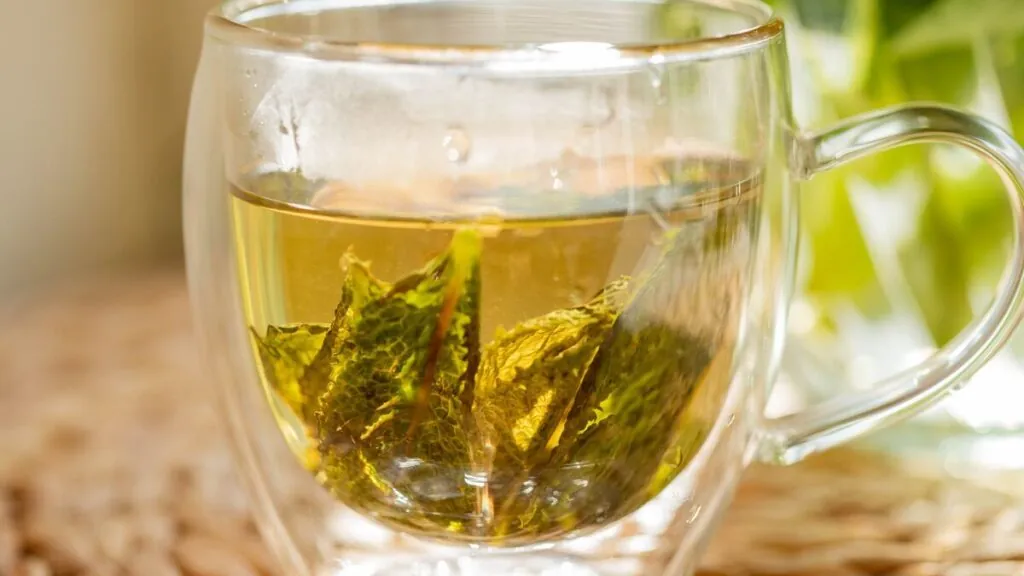
Green tea’s main benefits come from its antioxidants (catechins, especially EGCG) and a moderate dose of caffeine, which together can support heart health, alertness and a slightly faster metabolism. For most adults, 2–3 unsweetened cups a day, drunk between meals, is the sweet spot, but it is a helpful habit, not a fat-burning shortcut.
This guide covers what green tea can and cannot do for weight loss and skin, the best time to drink it, how many cups are sensible, how to brew it so it doesn’t taste bitter, and who should go easy on it.
Green tea benefits at a glance
- Rich in antioxidants: catechins such as EGCG help protect cells from oxidative stress.
- Gentle energy: less caffeine than coffee, plus L-theanine, which many people find gives a calmer kind of alertness.
- Heart-friendly habit: regular green tea drinking is linked in studies with modestly better cholesterol and blood pressure numbers.
- Weight loss: a small effect at best; it mainly helps by replacing sugary drinks.
- Skin: green tea works best applied topically in skincare; drinking it adds a modest antioxidant boost.
- How much: 2–3 cups a day for most healthy adults, ideally between meals and not late at night.
Green tea vs chai, matcha and supplements: a quick comparison
| Drink | Caffeine (approx.) | Antioxidants | Calories as usually drunk | Best for |
|---|---|---|---|---|
| Plain green tea | Low to moderate | High in catechins | Almost zero | Daily habit, between meals |
| Masala/regular chai with milk and sugar | Moderate | Different (theaflavins); milk may reduce some benefit | Moderate to high | Comfort and taste, in moderation |
| Matcha | Higher than green tea | Higher, since you drink the whole leaf | Low (unless made as a sweet latte) | Morning energy, smaller servings |
| Black coffee | Highest | Different polyphenols | Almost zero | Strong pick-me-up |
| Green tea extract pills | Varies, often high | Very concentrated EGCG | Zero | Not recommended without medical advice (liver concerns) |
What is actually in a cup of green tea?
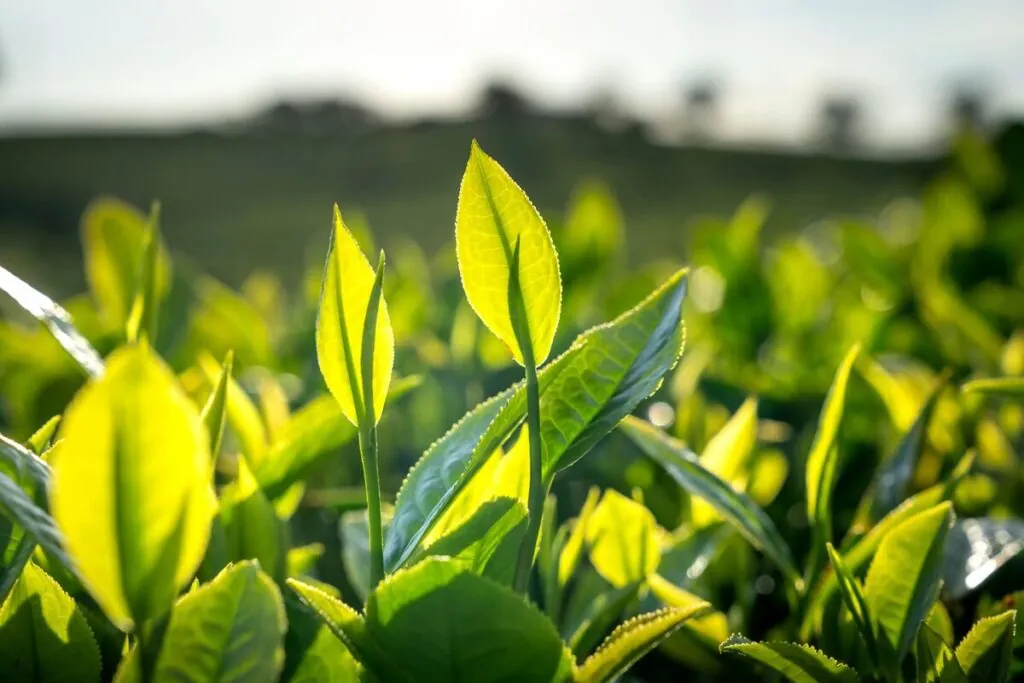
Green tea comes from the same plant as regular Indian chai, Camellia sinensis. The difference is processing: green tea leaves are steamed or pan-fired soon after plucking, so they are not oxidised the way black tea leaves are. That keeps more of the plant’s natural catechins, the group of polyphenols that includes EGCG (epigallocatechin gallate).
A typical cup also contains some caffeine, usually less than a cup of strong chai or filter coffee, though it varies with the brand and how long you steep it. It contains the amino acid L-theanine too. What it doesn’t contain in any meaningful amount is vitamins or minerals, so think of green tea as an antioxidant-rich drink, not a nutrient source.
Health benefits of green tea: what the evidence says
Heart and metabolic health
Large population studies, many from Japan and China where green tea is a daily drink, link regular intake with a lower risk of heart disease and stroke. Controlled trials show small improvements in LDL (“bad”) cholesterol and blood pressure. These are modest effects, and they show up alongside a healthy diet, not instead of one.
Focus and alertness
The mix of caffeine and L-theanine is why many people find green tea gives steadier focus than coffee, with fewer jitters.
Green tea for weight loss: does it really work?
Honestly, only a little. Catechins and caffeine can slightly raise the number of calories you burn and the amount of fat you use for energy, especially around exercise. But when researchers pool the trials, the average extra weight loss is small, and a Cochrane review concluded it was unlikely to be clinically important for most people.
Where green tea genuinely helps is as a swap. Replacing two cups of sweet milky chai, a cold drink or a packaged juice with plain green tea can cut a real number of calories every day. That, plus a calm pre-workout energy lift, is its real contribution.
Your diet and activity will matter far more than any drink. If weight loss is your goal, start with a balanced Indian diet plan for weight loss, build meals around high-protein foods that keep you full, and add regular movement such as a 30-minute home workout. Green tea can sit alongside that plan, not replace it.
Green tea for skin: drinking vs applying
Most of the skin benefit you hear about comes from topical green tea, meaning serums, toners, face washes and creams containing green tea extract. Applied to skin, its antioxidants can help calm redness, may help oily and acne-prone skin by reducing oil, and add some support against damage from sun and pollution. That’s especially useful in Indian cities with high UV and smog.
Drinking green tea gives a more modest, supporting effect. A few studies suggest regular intake may slightly improve skin’s resilience to sun, but it is not a replacement for sunscreen. Good sleep, enough water and a varied diet will do more for glow than any single drink. For a full plan, see our guide on how to get glowing skin in 7 days.
A simple DIY option: cool a used green tea bag in the fridge and rest it on puffy eyes for 5–10 minutes. Patch-test on your inner arm first if your skin is sensitive.
How many cups of green tea a day?
For most healthy adults, 2–3 cups a day is a sensible amount. It gives you the antioxidants without too much caffeine. Some people comfortably drink a little more, but past 4–5 cups the caffeine adds up, especially if you also drink chai or coffee.
Count all your caffeine together. If you already have two cups of chai and a coffee daily, one or two cups of green tea is plenty. Poor sleep, a racing heart, headaches or acidity are signs you’re overdoing it.
Best time to drink green tea
- Mid-morning (around 10–11 am): a good slot after breakfast has settled, for focus at work or college.
- Mid-afternoon (3–5 pm): a smart replacement for sweet evening chai and biscuits.
- 30–45 minutes before a workout: the caffeine can give a mild energy lift.
- Not with iron-rich meals: catechins can reduce how much iron your body absorbs from plant foods like dal, rajma, spinach and poha. Keep a gap of about an hour before and after meals.
- Not late at night: stop 6 hours or so before bed if you’re sensitive to caffeine.
- Not on an empty stomach if it gives you acidity: some people get nausea or a burning feeling first thing in the morning.
How to brew green tea so it isn’t bitter
Most people who “hate” green tea have had it brewed with boiling water and steeped too long, which pulls out bitter tannins.
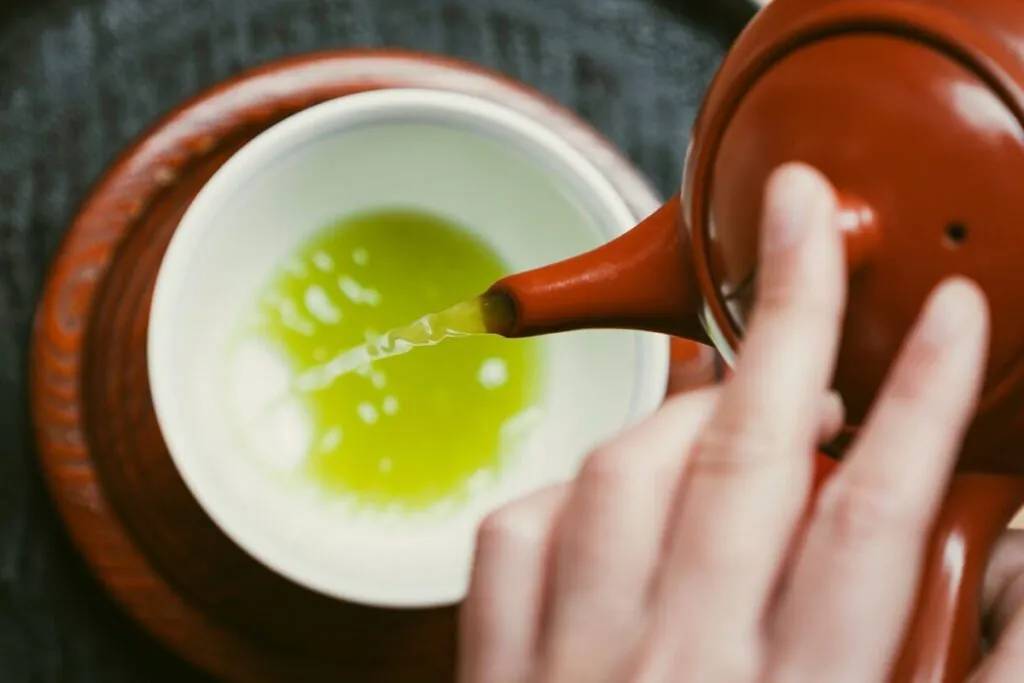
- Boil water, then let it cool for 2–3 minutes until it is around 70–80°C (steaming, not bubbling).
- Use one tea bag or about one teaspoon of loose leaves per cup (around 200 ml).
- Pour the water over the tea and steep for 2–3 minutes. Set a timer.
- Remove the bag or strain the leaves. Don’t squeeze the bag, as that releases more bitterness.
- Add a squeeze of lemon, a few mint or tulsi leaves, or a slice of ginger if you like. Lemon’s Vitamin CAn antioxidant that brightens dull skin, helps fade the look of dark spots and supports sunscreen against daily damage. Best used in the morning.See glossaryRead the guide may also help preserve catechins.
In summer, brew it slightly stronger, cool it and refrigerate for an iced green tea with lemon and mint, a far better choice than packaged iced teas or colas.
Green tea brands you’ll find in India
You don’t need an expensive tea. Plain green tea from a reputable brand is enough, and these are widely sold in India:
- Tetley Green Tea: budget-friendly and easy to find, in plain and flavoured variants such as lemon and honey. A good starter.
- Lipton Green Tea: another everyday option with mild-tasting tea bags, handy for office use.
- Organic India Tulsi Green Tea: green tea blended with tulsi (holy basil), for a softer, herbal taste many Indian drinkers prefer.
- Typhoo Green Tea: a familiar name with simple tea-bag options.
Check the label: flavoured versions should list green tea as the main ingredient, with no added sugar.
Green tea vs regular chai: which is healthier?
Black tea, the base of our everyday chai, has its own antioxidants, so plain chai isn’t “unhealthy”. The difference usually comes from how we drink it: with full-fat milk, two or three spoons of sugar, and often with biscuits or namkeen. Three such cups a day can add a surprising number of calories.
You don’t have to give up chai. A realistic approach is to keep your one or two favourite cups, cut the sugar, and swap the extra ones for green tea. That gets you more catechins and fewer empty calories without feeling deprived.
What about matcha?
Matcha is powdered green tea from shade-grown leaves. Because you whisk the powder into water and drink the whole leaf, a serving gives you more catechins and noticeably more caffeine than a regular cup of green tea. Half to one teaspoon whisked into about 80°C water is a typical serving.
One serving a day is plenty for most people. Café matcha lattes loaded with syrup are a treat, not a health drink.
Side effects and who should limit green tea
Brewed green tea in normal amounts is safe for most healthy adults. Too much can cause sleep problems, headaches, a fast heartbeat, acidity or an upset stomach. Be more careful, or check with your doctor, if any of these apply to you:
- Pregnancy and breastfeeding: caffeine intake should be limited, so keep to a cup or two a day and count chai and coffee too. Ask your gynaecologist what is right for you.
- Anaemia or low iron: very common in Indian women. Drink green tea well away from meals, and talk to your doctor about your iron levels.
- Caffeine sensitivity, anxiety or sleep trouble: stick to one cup early in the day, or try a caffeine-free herbal infusion instead.
- Certain medications: green tea can interact with some blood pressure and heart medicines, blood thinners and stimulants. If you take regular medication, ask your doctor or pharmacist.
- Acidity or reflux: avoid drinking it on an empty stomach and keep it lighter.
Avoid concentrated green tea extract supplements (capsules, “fat burner” pills) unless a doctor recommends them. High doses of EGCG from supplements have been linked to cases of liver damage, and food-safety regulators in Europe have flagged doses of around 800 mg EGCG a day or more as a concern. Brewed tea, drunk in normal amounts, has not shown the same risk.
Common green tea mistakes
- Adding lots of sugar or honey: a spoonful of honey adds calories too. If you need sweetness, start with half a teaspoon and slowly cut back.
- Using boiling water and over-steeping: this makes it bitter and pushes you towards sweeteners.
- Drinking it on an empty stomach when it causes acidity or nausea. Have it after a light snack instead.
- Drinking it with meals if you are low in iron.
- Drinking 6–8 cups thinking more equals faster weight loss. It doesn’t; you just get more caffeine.
- Relying on green tea alone while ignoring food, sleep and activity. If you want quicker but safe results, read our realistic 15-day weight loss plan.
Frequently Asked Questions
Between meals works best, such as mid-morning and mid-afternoon, or about 30–45 minutes before exercise. There is no magic hour that burns more fat. The bigger win is using green tea to replace sugary drinks and snacks.
For most healthy adults, 2–3 cups a day is a comfortable and sensible amount. Count your chai and coffee as well, since the caffeine adds up. If you are pregnant, anaemic or sensitive to caffeine, have less and check with your doctor.
Some people can, but many get acidity, nausea or a queasy feeling. If that happens to you, have it after a light breakfast or a handful of nuts. There is no extra benefit to drinking it on an empty stomach.
Not on its own. Some studies show slightly smaller waist measurements with regular green tea, but the effect is small. Losing belly fat depends on an overall calorie deficit, enough protein, strength training and good sleep.
Yes, mainly when applied in skincare products, where its antioxidants can help calm redness and oiliness. Drinking it gives a modest extra boost. It doesn’t replace sunscreen, a gentle cleanser and a moisturiser.
Lemon is a great addition: it adds flavour with almost no calories. Honey is fine in small amounts, but it is still sugar, so keep it to half a teaspoon or less if you’re watching your weight. Add honey once the tea has cooled slightly.
No. Concentrated green tea extract supplements have been linked to liver problems at high doses, and they don’t offer meaningful weight loss. Brewed green tea is the safer, simpler choice.
The bottom line
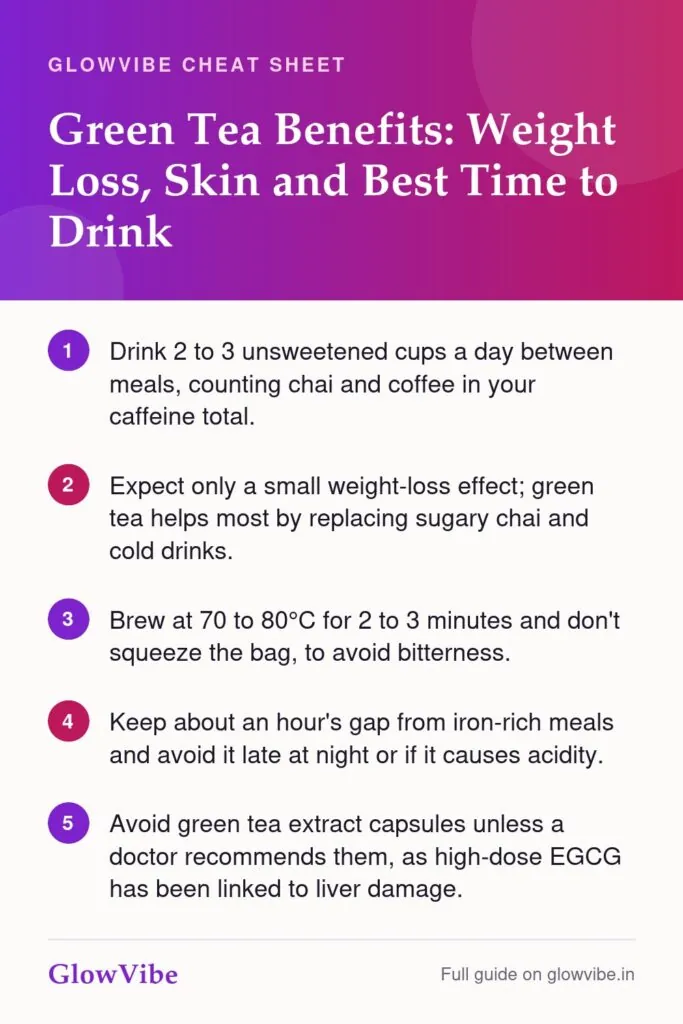
Green tea is one of the easiest healthy habits you can pick up: a low-calorie, antioxidant-rich drink with gentle caffeine. Brew it at 70–80°C for 2–3 minutes, drink 2–3 cups between meals, and skip the sugar.
Just keep your expectations realistic. It supports a good diet, regular activity and a sensible skincare routine, but it can’t replace them. Treat it as a smart swap, and it will earn its place in your day.