Dry Fruits Benefits: How Many to Eat Daily and the Best Time (2026)
What almonds, walnuts, dates, anjeer and other dry fruits do for you, how much to eat daily, the best time, soaking, and who should be careful.

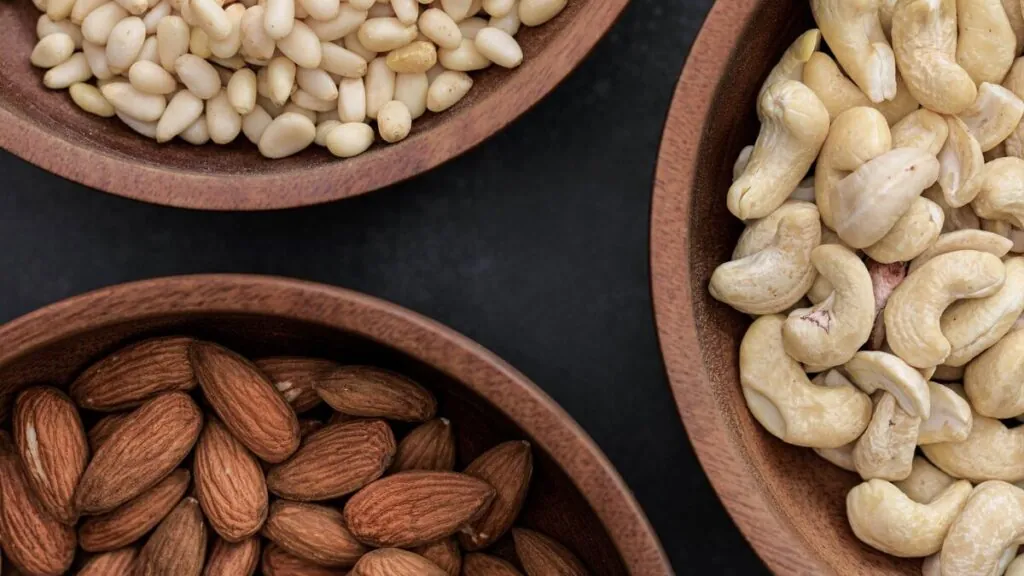
Dry fruits give you healthy fats, fibre, plant protein, vitamins and minerals in a small, easy snack, and most people do well on one small handful a day: about 20–30 g of nuts plus a piece or two of dried fruit. The best time to eat them is whenever they replace a less useful snack, and for many people that means mid-morning or with breakfast.
The catch is that dry fruits are dense in calories and, in the case of dates, raisins and figs, in natural sugar. This guide covers what each popular dry fruit offers, how much to eat, whether soaking matters, and who should be a little careful.
Dry fruits benefits at a glance
- Heart-friendly fats: almonds, walnuts and pistachios are rich in unsaturated fats, and regular nut eating is linked with better cholesterol levels as part of an overall healthy diet.
- Fibre for digestion: figs, raisins, dates and apricots add fibre that helps keep you regular.
- Staying full: the fat, fibre and protein in nuts make them more filling than biscuits or namkeen.
- Quick energy: dried fruits carry natural sugars, which is why dates are a popular pre-workout bite.
- Useful minerals: magnesium, potassium, iron, zinc and some calcium, depending on the dry fruit.
- Convenience: no cooking and easy to carry to office or college.
Popular dry fruits compared
Portions below are a rough daily guide if you are eating that one item. If you mix several, keep the total to roughly one small handful.
| Dry fruit | Key nutrients | Main benefit | Daily portion | Caution |
|---|---|---|---|---|
| Almonds (badam) | Vitamin E (tocopherol)An antioxidant and moisturising ingredient. It is often paired with vitamin C to make it more stable.See glossary, magnesium, fibre, protein | Filling snack, heart-friendly fats | About 6–10 | Nut allergy; high in oxalates |
| Walnuts (akhrot) | Plant omega-3 (ALA), antioxidants | Heart and overall diet quality | 2–4 whole (4–8 halves) | Go rancid quickly; nut allergy |
| Cashews (kaju) | Magnesium, zinc, iron, copper | Creamy, satisfying snack | About 5–8 | Easy to overeat; avoid salted or fried |
| Pistachios (pista) | Protein, fibre, potassium, vitamin B6 | Shelling slows you down | A small handful in shell | Salted versions are high in sodium |
| Raisins (kishmish) | Natural sugars, fibre, some iron and potassium | Quick energy, digestion | 1–2 tablespoons | Sugar-dense; watch with diabetes |
| Dates (khajoor) | Natural sugars, fibre, potassium | Pre-workout energy, sweet craving fix | 1–2 | Sugar-dense; watch with diabetes |
| Figs (anjeer) | Fibre, calcium, potassium | Helps with regularity | 1–2 | Sugar-dense; may loosen stools if overeaten |
| Apricots (khubani) | Fibre, potassium, beta-carotene | Light, tangy, fibre-rich | 2–3 | Often preserved with sulphites; can trouble sensitive people |
What each dry fruit does for you
Almonds
Almonds are the everyday favourite in Indian homes, and for good reason. They give you vitamin E, magnesium, fibre and a decent amount of plant protein, and a few with breakfast keep hunger in check until lunch. Eat them with the skin on if you can; the skin holds much of the fibre and antioxidants.
Walnuts
Walnuts stand out because they contain alpha-linolenic acid (ALA), a plant form of omega-3 fat. That makes them a useful choice for vegetarians, who get little omega-3 from fish. Buy small packs, as they turn rancid faster than other nuts.
Cashews
Cashews bring magnesium, zinc, iron and copper, and their creamy texture makes them very satisfying. They are also the easiest to overeat, particularly the roasted, salted or masala versions. Stick to plain ones and count them out rather than eating from the packet.
Pistachios
Pistachios offer protein, fibre, potassium and vitamin B6. Buying them in the shell helps: shelling slows you down and the pile of shells shows how much you have eaten. Choose unsalted where possible.
Raisins
Raisins are concentrated grapes, so they give quick energy along with some fibre, potassium and a little iron. They are excellent stirred into poha, upma, oats or curd for natural sweetness. Keep the portion small, since a tablespoon or two adds up quickly in sugar.
Dates
Dates are nature’s sweet, and one or two can calm a dessert craving better than mithai. They provide fibre and potassium, and many people eat them 30–60 minutes before a workout for easy energy. If you are watching your sugar, pair a date with a few nuts rather than eating several on their own.
Figs (anjeer)
Dried figs are among the most fibre-rich dry fruits, which is why soaked anjeer is a traditional remedy for sluggish digestion. They also contribute calcium and potassium. One or two is plenty; more can loosen your stools.
Apricots
Dried apricots are lighter and tangier than dates, with fibre, potassium and beta-carotene (which your body uses to make vitamin A). The bright orange ones are usually treated with sulphites to keep their colour; the darker, brownish ones are typically unsulphured, which some people with sulphite sensitivity or asthma prefer.
How many dry fruits to eat daily
For most healthy adults, a sensible daily amount is one small handful of nuts (about 20–30 g), plus one or two pieces of dried fruit such as a date, a fig or a few raisins. In practice that could look like 5 almonds, 2 walnut halves and 4 cashews, with 1 date on the side.
Why not more? Nuts are calorie-dense: a 30 g handful already provides roughly 160–200 calories, about the same as a small meal for some people. Eating three handfuls a day “because they are healthy” can quietly add 400–500 extra calories. Dried fruits, meanwhile, pack the sugar of a much larger serving of fresh fruit into a few bites.
Children need smaller portions, and whole nuts are a choking risk for young kids, so grind or finely chop them for little ones.
Soaked almonds benefits: does soaking really help?
Soaking almonds overnight is a time-honoured Indian habit, and it is a perfectly good one. Soaked almonds are softer, easier to chew and, for many people, easier to digest. Soaking may slightly reduce phytic acid, a compound that can limit mineral absorption, though the real-world difference is probably modest.

The honest summary: soaked or raw, almonds give you broadly the same nutrition. Choose whichever you enjoy and digest better. If you peel them, you lose some of the fibre and antioxidants in the skin, so keep the skin on unless it bothers you.
The same goes for raisins and anjeer. Soaking them overnight makes them plump and soft, and many people find soaked raisins or figs gentler on the stomach in the morning.
- Rinse 6–8 almonds (or a few raisins or 1–2 figs).
- Cover with clean drinking water in a bowl and leave overnight (6–8 hours).
- Drain and eat in the morning. In hot weather, soak them in the fridge so they do not turn sour.
Best time to eat dry fruits
There is no magic hour. What matters is that dry fruits replace something less nourishing. A few timings work well for most people:
- Morning, with breakfast: soaked almonds or walnuts with your breakfast add protein and fat that keep you full longer.
- Mid-morning or 4 pm snack: the classic slot where a handful of nuts beats biscuits, samosas or chips.
- Before a workout: one or two dates give quick, easily digested energy.
- Late night: best avoided as a habit, since it is easy to snack mindlessly in front of a screen.
Dry fruits for weight loss
Dry fruits can help with weight loss, but only through portion control. Nuts are filling, so a measured handful can stop you reaching for fried snacks between meals. Studies on nut eaters generally do not show weight gain when nuts replace other foods, rather than being eaten in addition to them.
- Choose nuts (almonds, pistachios, walnuts) over sugary dried fruits for snacks.
- Portion out a day’s handful into a small box instead of eating from a big pack.
- Skip honey-coated, chocolate-coated, fried and heavily salted versions.
- Use one or two dates or raisins as your “dessert” instead of mithai.
For a full meal structure, see our Indian diet plan for weight loss, which shows where a nut snack fits into the day.
Dry fruits for weight gain
If you are underweight or trying to build muscle, the same calorie density becomes an advantage. Adding a handful of nuts and a couple of dates to milk, a smoothie, oats or a banana shake raises calories without making meals much bigger. Nut butters, such as peanut or almond butter on toast, work the same way.
Remember that dry fruits are not a big protein source on their own. Pair them with dal, paneer, curd, eggs or other foods from our list of high-protein foods in India, and if you train, our muscle gain diet plan shows how to put it all together.
Dry fruits for skin and hair
No dry fruit will clear acne or stop hair fall on its own. What they do offer is nutrients your skin and hair rely on: vitamin E in almonds, omega-3 fats in walnuts, zinc in cashews, and iron in raisins and dates.
Healthy skin comes from the whole plate (enough protein, fruits, vegetables and water) plus good sleep and sun protection. Our guide on how to get glowing skin covers the foods and habits that make the biggest difference. If you are losing a lot of hair, see a dermatologist, since causes like low iron, thyroid issues or hormonal changes need proper testing.
Winter favourites: dates, anjeer and dry fruit ladoos
Indian winters bring out dates, anjeer, gond ladoos, panjiri and pinni, and there is no reason to skip them. Just remember that a homemade ladoo with ghee, jaggery or sugar and nuts is a rich sweet, not a health snack.
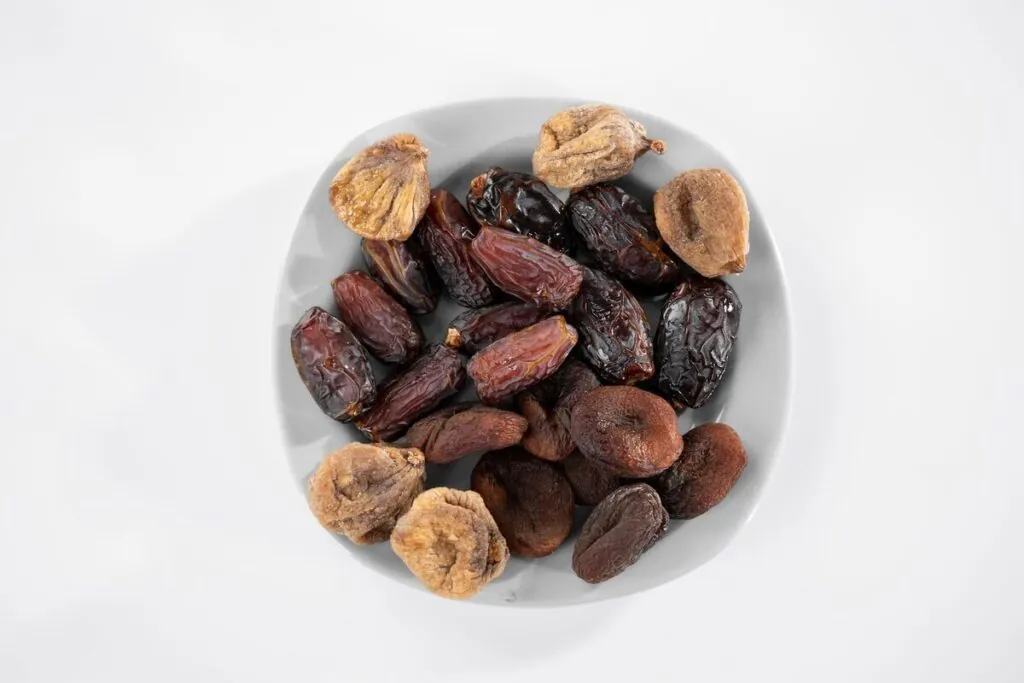
- Make ladoos small and enjoy one a day, not three.
- Try date-and-nut ladoos with no added sugar; the dates provide the sweetness.
- Count the ladoo as part of your daily dry fruit portion.
Who should be careful with dry fruits
- Nut allergy: tree nut allergies can be serious. If you or your child has reacted to any nut, avoid it and get an allergy assessment before trying others.
- Diabetes: unsalted nuts in sensible amounts usually fit well. Dates, raisins and figs are high in natural sugar, so keep them to small portions, eat them with nuts or a meal, and check with your doctor or dietitian on how they fit your plan.
- Kidney stones: almonds and cashews are relatively high in oxalates. If you have had kidney stones, especially calcium oxalate stones, ask your doctor how much is right for you.
- Kidney disease: many dry fruits are high in potassium, which may need limiting. Follow your doctor’s advice.
- Sensitive stomach or IBS: large portions of figs, prunes or dates can cause bloating or loose stools. Start small.
Buying and storage tips
- Check the label: choose plain, unsalted, unsweetened dry fruits. Avoid “flavoured”, “honey roasted” or sugar-coated packs for daily eating.
- Look and smell: nuts should look whole and uniform, without dark spots, holes or a musty or bitter smell. A paint-like smell means rancid oil.
- Buy in small batches: a month’s supply is plenty, especially for walnuts and pine nuts.
- Store airtight: use glass or steel airtight jars kept away from the stove and sunlight.
- Use the fridge in summer and monsoon: heat and humidity invite fungus and insects. Nuts keep much longer in the fridge, and walnuts can even be frozen.
- Discard anything mouldy: do not just pick out the bad pieces from a mouldy batch.
Common mistakes
- Eating straight from a large pack and losing count.
- Treating salted, fried or masala nuts as a healthy snack.
- Adding dry fruits on top of an already heavy diet rather than replacing junk snacks.
- Relying on dates and raisins alone, which gives you sugar without much of the healthy fat of nuts.
- Expecting dry fruits to fix skin, hair or weight without changes to the rest of your routine.

Frequently Asked Questions
Almonds and walnuts are the easiest everyday choices because they are filling, low in sugar and rich in healthy fats. A mix is even better, since each dry fruit brings slightly different nutrients. Keep the total to about one small handful.
Around 6–10 soaked almonds a day is a reasonable amount for most adults. If you also eat other nuts that day, reduce the almonds so your total stays near 20–30 g.
Yes, most people can. Soaked almonds, walnuts or a couple of soaked raisins first thing in the morning are a common habit. If you have acidity or a sensitive stomach, you may feel better eating them with breakfast instead.
Unsalted nuts in moderate amounts usually fit well into a diabetes diet. Dates, raisins and figs are high in natural sugar, so keep portions small and eat them with nuts or a meal. Your doctor or dietitian can tell you how much suits your sugar control.
They can if you eat large amounts on top of your usual meals, because they are calorie-dense. In measured portions that replace less healthy snacks, they generally do not lead to weight gain and can help you feel full.
Yes. The idea that dry fruits are too “heating” for summer is traditional belief rather than established science. Soaking them, drinking enough water and sticking to normal portions is a sensible approach in hot weather.
The bottom line
Dry fruits are one of the simplest upgrades you can make to an Indian diet: a small daily handful of mixed nuts, with a date or fig on the side, adds healthy fats, fibre and minerals without any cooking. Soak them if you prefer, eat them when they replace a less useful snack, and keep the portion modest. If you have diabetes, kidney stones or a nut allergy, check with your doctor about what works for you.