Indulekha Bringha Oil Review: Ingredients, Comb and Honest Results
What is really in Indulekha Bringha Hair Oil, how to use its comb applicator, what bhringraj can and can't do, and when hair fall needs a dermatologist.


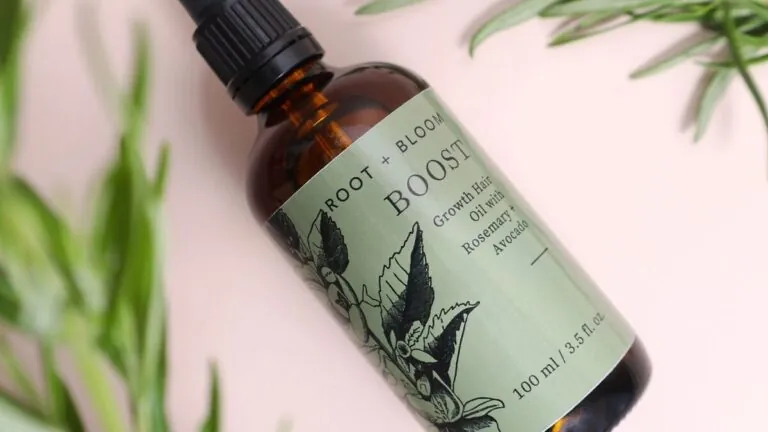
Indulekha Bringha Hair Oil is an Ayurvedic oil from Hindustan Unilever, built on BhringrajA herb (false daisy) widely used in Ayurvedic hair oils. It is traditionally used for scalp massage and hair conditioning.See glossaryRead the guide and virgin Coconut oilA common Indian hair oil that can soak into the hair shaft, which may reduce protein loss during washing. It can feel heavy on fine hair.See glossary and sold in a bottle with a comb applicator (the “selfie comb”) that drops oil straight onto your scalp. It is a sound choice if you want a pleasant, well-made coconut-based oil for dry scalp, breakage and mild shedding. The evidence that its herbs regrow hair is limited, though, so treat it as a scalp-care habit, not a hair loss treatment.
We have not tested this oil ourselves. This guide covers the formula: what is in it, what it can realistically do, who it suits and how to use the applicator. Formulas and pack labels change, so always check the ingredient list on the bottle you buy.
Indulekha Bringha Oil at a glance
- What it is: a herbal hair oil that retailers list as an Ayurvedic proprietary medicine, made by Hindustan Unilever.
- Base: virgin coconut oil, with bhringraj (Eclipta alba) as the hero herb.
- Applicator: a comb cap with small holes at the tips of its teeth, so the oil goes onto your scalp instead of your lengths.
- Brand’s directions: about three times a week for four months.
- Realistic benefits: a softer, less dry scalp, less breakage, shinier lengths and a relaxing champi routine.
- Not a fix for: pattern baldness, sudden heavy shedding, patchy hair loss or hair fall caused by thyroid problems, anaemia or PCOS.
What is in Indulekha Bringha Hair Oil?
Indian retailers (Tata 1mg, Apollo Pharmacy and Purplle) all describe a coconut oil base cooked with a long list of herbs. Tata 1mg’s listing names bhringraj, AmlaIndian gooseberry, used in Ayurvedic hair oils, powders and packs. It is valued for conditioning hair and adding shine.See glossaryRead the guide, neem, aloe vera, brahmi, mulethi (liquorice), amrita (giloy), curry leaves, indrayava, grape, almond, camphor and kshiram (milk) in coconut oil. Apollo Pharmacy’s listing also names shwetakutaja (Wrightia tinctoria). The brand says the herbs are cooked in the oil under sunlight for several days, and that the oil contains no parabens, sulphates, SiliconesIngredients like dimethicone that coat hair (and skin) for slip, shine and frizz control. Heavier ones can build up and need a clarifying wash.See glossaryRead the guide, mineral oil, synthetic dyes or artificial perfume.
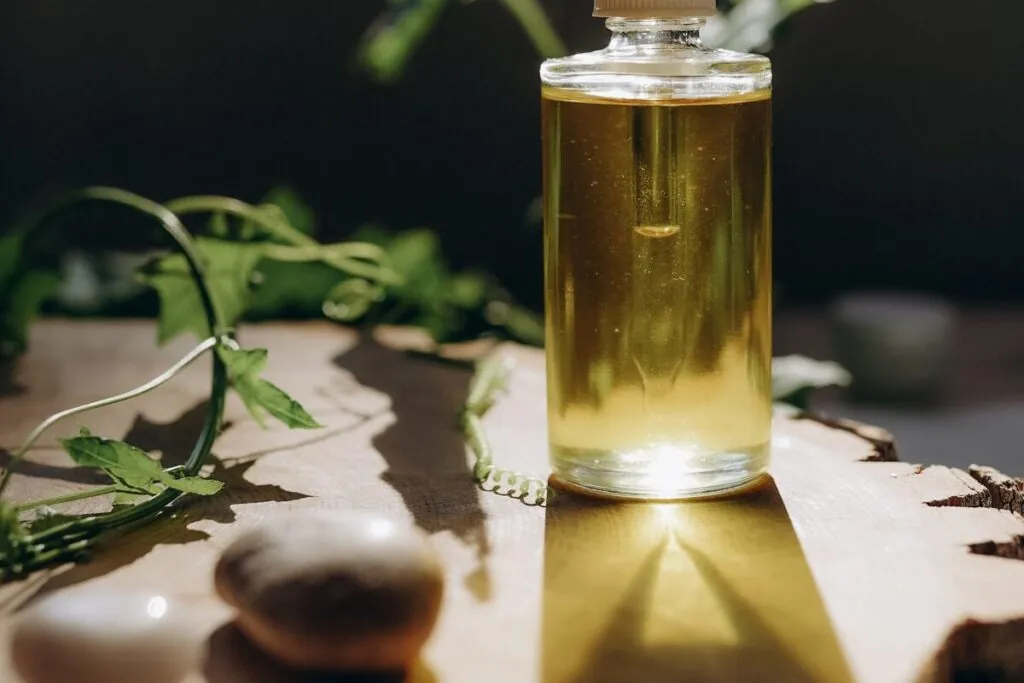
Listings don’t give amounts for any herb, and the herb count differs from site to site. That is common for Ayurvedic oils. In practice, the coconut oil makes up most of what touches your hair.
The key ingredients and what the evidence says
| Ingredient | Traditional use | What the research actually shows |
|---|---|---|
| Virgin coconut oil (base) | Classic Indian champi oil | The best-supported part of the formula. Lab work shows coconut oil can soak into the hair shaft and reduce protein loss when hair is washed, which helps with breakage. |
| Bhringraj (Eclipta alba) | “King of hair” herb in Ayurveda | Extracts have encouraged hair growth in lab and animal (rodent) studies. There are no strong human trials of it in a finished oil. |
| Amla | Conditioning, greying, shine | Rich in antioxidants. Human evidence for hair growth or reversing grey hair is very thin. |
| Shwetakutaja (Wrightia tinctoria) | Scaly, itchy scalp | Used traditionally for skin and scalp scaling. Good-quality human data on dandruff is limited. |
| Neem, aloe vera, brahmi, mulethi | Soothing, scalp cleansing | Some soothing and antimicrobial activity in lab studies. Not proven to change hair fall in people. |
| Camphor | Cooling feel | Gives the tingly, cooling sensation. It can irritate sensitive skin, so Patch testTrying a small amount of a new product behind the ear or on the inner arm for a few days to check for a reaction before using it widely.See glossary first. |
The “clinically proven” claim: how to read it
Retail listings carry the brand’s claim that the oil is clinically proven to reduce hair fall and grow new hair when used three times a week for four months. The brand says an independent research organisation carried out this test. We could not find a published, peer-reviewed paper with the study’s size, design or results, so there is no way to judge how big the effect was or what kind of hair fall the volunteers had.
That doesn’t make the claim false. It does mean you should keep your expectations modest. Across all hair oils, the honest picture is the same: oil reduces breakage and dryness well, but its evidence for regrowth is limited. Even the much-discussed Rosemary oilAn essential oil popular in scalp routines. Always dilute it in a carrier oil like coconut or jojoba before applying.See glossaryRead the guide rests on one small trial against 2% MinoxidilA topical drug used for pattern hair loss. It needs ongoing use to keep results, so check with a dermatologist before starting.See glossary (Panahi et al., 2015). Our rosemary vs onion oil comparison explains why one small study isn’t enough to rely on.
Here is why “less hair fall” from an oil often feels real. Massaging oil into hair that is dry and tangled makes it slippery, so fewer strands snap when you comb and wash. You see fewer broken hairs in the comb, even if your roots are shedding at the same rate. That is a real benefit, but it isn’t the same as new hair growing.
The selfie-comb applicator: why it matters
The applicator is the most useful part of the product’s design. Retailers describe the comb cap as having small holes at the tips of its teeth. When you squeeze the bottle while combing, the oil comes out right where the teeth touch your scalp. Purplle’s listing says each squeeze gives roughly 0.5–0.8 ml.
Three practical advantages follow:
- Less waste. You don’t end up with oily palms and half the oil on your lengths.
- Easier on thick hair. If you have dense Indian hair, pouring oil from a bottle rarely reaches your scalp evenly. The comb parts the hair for you.
- Lighter use. You can oil only the scalp, which is helpful if your lengths get limp or greasy fast.
The drawback: if you have a dry, flaky or very sensitive scalp, putting a camphor-containing oil directly on skin means any irritation shows up faster. Do the patch test below before your first full application.
Who Indulekha Bringha Oil suits (and who should skip it)
Good fit
- You have dry, frizzy or breakage-prone hair and like oiling before you wash.
- You have mild, everyday shedding and want a gentle, consistent scalp routine.
- Your scalp feels tight and dry in winter or after hard water.
- You prefer Ayurvedic, fragrance-light formulas and like the cooling feel of herbal oils.
- You find regular oiling messy and want a neater way to reach your scalp.
Think twice or skip
- Oily, dandruff-prone scalp: coconut oil left on for hours can feed the yeast behind dandruff in some people. Use it briefly before washing, or pick an anti-dandruff shampoo instead. Our winter hair fall and dandruff guide covers this in detail.
- Allergies: if you react to coconut, neem, camphor or any listed herb, skip it.
- Broken or inflamed scalp: don’t apply oil to cuts, open sores, painful bumps or a red, weeping scalp.
- Diagnosed hair loss: if you have pattern hair loss, an oil won’t replace proven treatment. You can still oil for hair condition, but don’t use it instead of what your dermatologist prescribes.
How to use Indulekha Bringha Oil, step by step
Retailers’ directions differ slightly, so follow the leaflet in your pack first. Brand copy on Tata 1mg says to leave it on for at least 30 minutes and use it about three times a week. Here is a simple routine built on those directions and on our step-by-step guide to oiling hair correctly.

Before your first use: patch test (24 hours)
Dab a little oil behind your ear or on your inner forearm and leave it for 24 hours. If you get redness, itching or burning, don’t use it on your scalp.
Application (5–10 minutes)
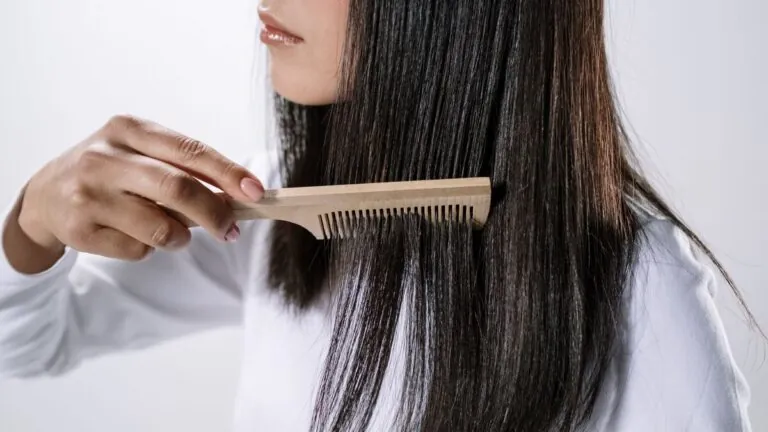
- Detangle dry hair with a wide-tooth comb so the applicator glides without pulling.
- Fit the comb cap. Follow the pack instructions to open the inner seal, then screw the comb on firmly so it doesn’t leak.
- Comb from your hairline to your crown while gently squeezing the bottle, keeping the teeth touching your scalp. Work in four or five lines across your head.
- Massage with your fingertips (not your nails) in small circles for 3–5 minutes. Use light pressure. Rough rubbing tangles and breaks hair.
- Optional: smooth one or two drops over dry ends.
Leave-on time and washing (30 minutes to a few hours)
Leave it on for at least 30 minutes. If your scalp is dry, you can leave it for a few hours. If your scalp gets oily or flaky, keep it short and don’t sleep in it. Wash with a mild shampoo, lathering twice if the first wash doesn’t remove the oil.
Frequency and time frame (2–3 times a week, 3–4 months)
Hair grows only about a centimetre a month, so judge any oil over at least three to four months, not two weeks. Take photos of your parting and hairline in the same light each month. Photos are a more honest check than counting hairs in the comb.
In winter
Coconut-based oils thicken or turn solid in cold weather. Stand the closed bottle in a bowl of warm (not hot) water for a few minutes. Never microwave it or heat it directly.
How it compares with other hair oils
Formulas vary, but most Indian “hair growth” oils share the same basic structure: a carrier oil (coconut, sesame or almond) plus herbs or essential oils. Indulekha’s main differences are its applicator and a long Ayurvedic herb list in a coconut base. If you’d rather compare it with rosemary, onion, castor or plain coconut options, our guide to the best hair oil for hair growth in India sets them side by side with the evidence behind each.
Plain coconut oil gives you most of the anti-breakage benefit. Indulekha adds the convenience of the comb, the herbal blend and the cooling feel.
When hair fall needs a doctor instead of an oil
Losing around 50–100 hairs a day is normal. Stop relying on any oil and see a dermatologist if you notice:
- Hair coming out in clumps, or a sudden, heavy increase in shedding (often 2–3 months after fever, dengue, COVID, surgery, childbirth or crash dieting).
- A widening parting, a thinning crown or a hairline that keeps receding.
- Round, smooth bald patches, or patches in your eyebrows or beard.
- An itchy, scaly, painful or pus-filled scalp.
- Hair fall along with tiredness, irregular periods, acne, weight changes or feeling cold, which can point to thyroid problems, low iron or PCOS.
A dermatologist can order simple blood tests and suggest treatments with real evidence behind them, such as minoxidil, prescription options, or procedures like PRP. Our ranked guide to the most effective hair loss treatments in India explains each option and what it can and can’t do. You can keep oiling alongside treatment if your doctor agrees.
Common mistakes with Indulekha Bringha Oil
- Using too much. More oil means more shampoo and more rubbing, which can mean more breakage. A few lines across your scalp is enough.
- Scrubbing hard. The applicator’s teeth are meant to glide, not scratch. Pressing hard can irritate your scalp.
- Judging it in two weeks. Any change in hair density takes months to show.
- Sleeping in oil on a dandruff-prone scalp. This can make flakes and itching worse.
- Delaying a diagnosis. Months of oiling while pattern hair loss progresses costs you hair you could have kept with treatment.

Frequently Asked Questions
The brand says a clinical test showed new hair growth after four months of use three times a week, but the study isn’t published in a form you can check. Bhringraj has shown promise mainly in animal studies. Expect less breakage and a healthier-feeling scalp. Don’t count on regrowth.
The brand uses “Bringha”, but retailers spell it both ways. The herb itself is usually written bhringraj or bhringaraj (Eclipta alba). They all refer to the same product line.
Yes, retailers describe it as suitable for men and women. Men with a receding hairline or thinning crown should know this is usually pattern hair loss, which needs evidence-based treatment, not oil alone. Our guide to hair growth oil for men covers what helps.
The brand’s directions suggest about three times a week. Daily oiling means daily shampooing, which can dry your scalp and add breakage. Two or three times a week is a sensible routine for most people.
Shwetakutaja and neem are traditionally used for scaly scalps, but there is no good proof that this oil treats dandruff. If you have real flaking, an anti-dandruff shampoo with ketoconazole, zinc pyrithione or selenium sulphide is the proven first step. Keep oil sessions short.
Bhringraj and amla are linked with dark hair in Ayurvedic tradition, but no reliable evidence shows any oil reverses grey hair. Early greying is mostly genetic, though low vitamin B12 or thyroid problems can play a part. If your hair is going grey suddenly, see a doctor.
Quick poll
How often do you wash your hair?
The bottom line
Indulekha Bringha Hair Oil is a thoughtfully packaged coconut and bhringraj oil whose comb applicator makes scalp oiling genuinely easier. It is a good pick for dry, breakage-prone hair and mild shedding, as long as you treat the regrowth claims with healthy caution. Patch test it, use it two or three times a week, give it a few months, and see a dermatologist if your hair fall is heavy, patchy or getting worse.