How to Oil Hair Correctly: Step-by-Step Champi Guide
A step-by-step hair oiling guide: how much oil to use, how often, how long to leave it on and how to adjust champi for an oily, dandruff-prone or dry scalp.


Here is how to oil hair correctly: warm a small amount of oil, part your hair into sections, massage it gently into the scalp with your fingertips for five minutes, and wash it out with a mild shampoo after one to three hours. Most people only need to oil once or twice a week, and more oil or longer wear time does not mean better results.
That is the whole method in two sentences. Below is the step-by-step champi routine, plus how to adjust it for an oily, dandruff-prone or dry scalp, and the small mistakes that quietly cause breakage.
Hair oiling at a glance
- How often: once or twice a week for most scalps; once a week or less if your scalp is oily or flaky.
- How much: about one to two teaspoons for short hair, one tablespoon for shoulder-length, and up to two tablespoons for long, thick hair.
- How long: one to three hours before washing is enough for most people.
- Temperature: lukewarm, never hot. Test a drop on your wrist first.
- Massage: fingertips only, slow circles, three to five minutes.
- Wash: shampoo the scalp twice if needed, condition only the lengths.
Why oil your hair at all?
Oiling is not a cure for hair fall, and no oil is proven to make hair grow faster. What a good champi does well is coat the hair shaft so it absorbs less water when you wash it, which can mean less swelling, less frizz and fewer broken ends. Coconut oilA common Indian hair oil that can soak into the hair shaft, which may reduce protein loss during washing. It can feel heavy on fine hair.See glossary in particular can soak into the hair shaft better than many other oils.
The massage itself feels relaxing and helps you check your scalp for flakes or redness. Think of oiling as conditioning and care, not treatment. If you are choosing which oil to buy, our best hair oil for hair growth in India guide compares the main options.
How to oil hair: step by step
Step 1: Start with dry, detangled hair
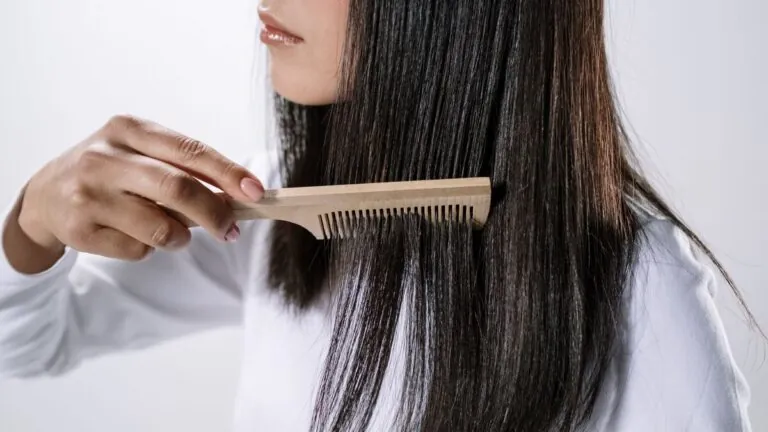
Oil spreads more evenly on dry hair. Gently comb out knots with a wide-tooth comb first, starting at the ends and working up, so you don’t have to tug once your hair is slippery.

Step 2: Warm the oil slightly
Pour the oil into a small steel bowl and stand it in a bowl of hot water for a minute or two. Don’t heat it directly on the gas or in the microwave, where it can get dangerously hot in seconds. Always check a drop on your inner wrist: it should feel just warm.
Step 3: Section your hair
Make a centre parting, then divide each side into two or three sections. For thick or long hair, use clips to hold the sections. Sectioning lets you reach the scalp properly with a small amount of oil instead of pouring it over the top.
Step 4: Apply oil to the scalp along each parting
Dip your fingertips in the oil, or use a dropper or nozzle bottle, and dab it along each parting. Make new partings about two centimetres apart and repeat. You want a light, even coat, not a puddle.
Step 5: Massage gently for three to five minutes
Using the pads of your fingers, not your nails, press and move the scalp in small, slow circles. Work from the front hairline to the crown and down to the nape. Gentle is the key word: rubbing hard or scrubbing tangles the hair and pulls out strands that were already loose.
Step 6: Smooth what’s left onto the lengths
Rub your palms together and run them down the mid-lengths and ends, which are the oldest and driest part of your hair. If your scalp is oily, you can oil only the lengths and skip the scalp entirely.
Step 7: Leave it on, loosely
Twist your hair into a loose plait or a soft, low bun. You can wrap it in a warm, damp towel for 10–15 minutes if you like the feeling. Then leave the oil on for one to three hours before washing.
How often should you oil your hair?
For most Indian scalps, once or twice a week before washing is plenty. Oiling every day keeps the scalp constantly coated, attracts dust and pollution, and means you either wash too often or walk around with greasy roots.
Adjust with the seasons. In humid summer and monsoon months, you may want to oil less often or only the ends. In dry winter, the lengths often need more care; our guide to hair fall in winter and dandruff explains how to tweak your routine when the air turns dry.
How long to leave oil on (and why overnight isn’t always better)
One to three hours gives the oil enough time to coat the hair shaft before you wash. For most people, leaving it on much longer adds little except extra grease to wash out.
Overnight oiling suits some hair, but not all of it. It is fine for very dry, coarse or curly lengths on a normal scalp. It is a poor choice if you have an oily or dandruff-prone scalp, acne along your hairline or forehead, or a sensitive scalp, because oil sitting for eight to ten hours can feed flakes and clog pores. Overnight oil also stains pillow covers and transfers onto your face.
If you do oil overnight, use less oil than usual, keep your hair in a loose plait, and put an old cotton cover on your pillow.
Warm oil vs cold oil
Lukewarm oil spreads more easily, feels soothing in winter and is pleasant to massage with. There’s no strong evidence that warm oil absorbs dramatically better than room-temperature oil, so warmth is mainly about comfort and even spreading.
Hot oil is the real risk. It can burn your scalp and fingers, so never use oil that feels more than comfortably warm on your wrist. In summer, room-temperature oil is completely fine. If you use an oil with added essential oils, avoid heating it much, since heat can make strong scents harsher.
Oiling for your scalp type
The right method depends far more on your scalp than on the brand of oil. Use this as a quick guide.
| Scalp type | How often | Best oil type | How long | Tip |
|---|---|---|---|---|
| Oily | Once a week or ends only | Light oils such as jojoba, almond or argan | 30–60 minutes | Skip the scalp if roots get greasy within a day |
| Dandruff-prone | Once a week or less | Light oil, used sparingly | Under an hour | Follow with an anti-dandruff shampoo; never overnight |
| Dry | Twice a week | Coconut, sesame or almond oil | Two hours to overnight | Focus on lengths and ends as well as the scalp |
| Sensitive | Once a week | Plain carrier oil without fragrance | One hour | Patch-test new oils for 48 hours |
Oily or dandruff-prone scalp
If your roots look greasy by evening, the scalp doesn’t need more oil. Oil just the mid-lengths and ends, or apply a few drops to the scalp for no more than an hour before washing. Dandruff is linked to a yeast that feeds on some oils, so heavy, long oiling can make flakes worse. Treat the dandruff itself with an anti-dandruff shampoo containing ketoconazole, zinc pyrithione or selenium sulphide, and see a dermatologist if it doesn’t improve in about four weeks.
Dry scalp
A tight, itchy scalp with fine, dry flakes usually enjoys oil. Use plain coconut oil such as Parachute, or sesame or almond oil, twice a week, and you can leave it on longer. Dry flakes and dandruff look similar, so if flakes are yellowish, greasy or itchy despite oiling, it is likely dandruff instead.
Oiling before washing vs after washing
Traditional champi is a pre-wash treatment, and that’s still the best way to oil your scalp. It protects lengths from swelling during the wash, and the shampoo then removes the excess.
Oiling after washing is different. Never re-oil the scalp after shampoo. Instead, rub one or two drops of a light oil or hair serum between your palms and smooth it onto damp or dry ends only. This tames frizz and protects ends from friction, and is especially useful for curly, wavy or chemically treated hair.
How to wash oil out without stripping your hair
- Apply shampoo before water. Massage a little shampoo into the oiled scalp first, then add water. The shampoo grips the oil better this way.
- Use lukewarm water, not hot. Hot water dries the scalp and lengths.
- Shampoo twice if needed. The first wash lifts the oil; the second, smaller wash cleans the scalp. Most people don’t need a third.
- Focus shampoo on the scalp. Let the lather run down the lengths rather than scrubbing them.
- Condition the mid-lengths and ends and rinse well.
- Blot, don’t rub, with a soft cotton towel or old T-shirt.
You don’t need a harsh clarifying shampoo every time. If oil keeps lingering, you are usually using too much in the first place.
Common hair oiling mistakes
- Using too much oil. Heavy oiling needs several shampoos to remove, which dries your scalp and lengths. A tablespoon goes a long way.
- Tying a tight bun or ponytail while oiled. Oiled hair is slippery and stretches more easily, so tight styles cause more breakage at the hairline. Keep it loose.
- Rubbing or scratching hard. Vigorous champi with nails tangles hair and irritates the scalp. Use fingertips and slow pressure.
- Combing roughly while oiled. Detangle before oiling, not after.
- Oiling an oily, flaky scalp overnight. This often makes dandruff worse.
- Oiling every day. It attracts dust and pollution, especially in Indian cities.
- Expecting oil to stop hair fall. Heavy, sudden or patchy shedding needs a dermatologist, not more oil.
When oiling isn’t enough
Oiling helps with dryness and breakage, but it won’t fix hair fall caused by thyroid problems, low iron or vitamin D, hormonal changes, postpartum shedding or pattern hair loss. If you are losing clumps of hair, notice bald patches or your scalp is red and painful, see a dermatologist. Our guide to hair loss treatments ranked by evidence explains what actually works.
For more gentle, everyday routines, read our natural hair care tips at home, and if you are curious which traditional oils have any research behind them, see our guide to five natural hair growth oils and the evidence.
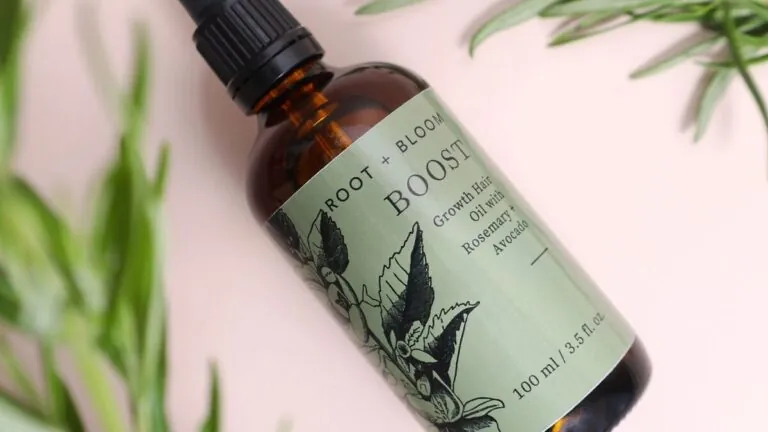
Choosing an oil? Compare rosemary oil vs onion oil for hair growth. Comparing popular oils? Read the Indulekha Bringha Oil review.

Frequently Asked Questions
It’s not necessary and often counterproductive. Daily oiling attracts dirt, can worsen dandruff and pushes you to wash more often. Once or twice a week is enough for most people, with a drop of oil on the ends between washes if they feel dry.
Oil your scalp before washing, as a pre-wash treatment. After washing, use only a drop or two of light oil or serum on the ends to control frizz. Don’t re-oil the scalp after shampooing.
You can, but carefully. Use a light oil sparingly for under an hour, never overnight, and follow with an anti-dandruff shampoo. If flakes persist after about four weeks of treatment, see a dermatologist.
Roughly one to two teaspoons for short hair, one tablespoon for shoulder-length hair, and up to two tablespoons for very long, thick hair. If you need three shampoos to get it out, use less next time.
Warm oil spreads more easily and feels comforting, but there’s no strong evidence that it works dramatically better. Keep it lukewarm, test it on your wrist, and never use hot oil.
Oiling can reduce breakage, which can mean fewer broken strands in your comb. It cannot treat hair fall caused by health issues or pattern hair loss. See a doctor if shedding is heavy, sudden or patchy.
Quick poll
How much do you usually spend on one beauty product?
The bottom line
Good hair oiling is about less, not more: a small amount of lukewarm oil, sectioned and gently massaged in, left for one to three hours, then washed out with a mild shampoo. Match the routine to your scalp, keep your hair loose while it’s oiled, and save overnight oiling for dry hair that truly needs it.