Rice Water for Hair: What It Really Does and How to Use It
Rice water can smooth and shine hair, but it won't regrow it. Here's the evidence, a simple method, how often to use it and the protein-overload trap.


Rice water for hair is a cheap, gentle rinse that can make strands feel smoother, look a little shinier and tangle less, because its starches and sugars coat the hair surface and cut friction. What it has not been shown to do is grow hair faster or stop hair fall, so treat it as a conditioning rinse, not a treatment.
This guide covers what the evidence actually says, fermented versus plain rice water, a step-by-step method you can follow in your own kitchen, how often to use it, and why some curly and low-porosity hair ends up stiff and straw-like after a few weeks. If you want the bigger picture on growth oils, our honest guide to the best hair oil for hair growth in India covers that separately.
Rice Water for Hair: Quick Summary
- What it can do: smoother feel, easier detangling, a soft shine and less friction between strands.
- What it can’t promise: faster growth, thicker hair or an end to hair fall. The evidence for that is weak.
- Plain or fermented: plain soaked rice water is gentler; fermented is more acidic and smells strong, and it is easy to overdo.
- How often: once a week is plenty for most hair; every 10–14 days for curly, coily or low-porosity hair.
- Always: leave it on for 5–15 minutes, rinse well, then follow with a moisturising conditioner.
- Skip it if: your hair already feels stiff or brittle, your scalp is irritated or flaky, or you are dealing with real hair loss.
What Rice Water Actually Does to Hair
When you soak or boil rice, some of its starch, small amounts of protein, minerals and a sugar-like compound called inositol move into the water. On hair, the starch and sugars leave a thin film on the cuticle, the outer layer of each strand. That film is what you feel when hair seems “smoother” and “fuller” after a rinse.
Shine and a smoother cuticle
Light bounces more evenly off a flat cuticle, so a smoother surface looks glossier. Rice water is mildly acidic, especially once fermented, and a slightly acidic rinse helps the cuticle lie flatter after alkaline shampoos or hard water. The effect is real but modest, roughly what a good rinse-out conditioner gives you.
Less friction and easier detangling
This is the claim with the best support. A small 2010 study from Japan on rice rinse water (known there as yu-su-ru) reported lower surface friction on hair strands and slightly better elasticity in lab tests. Less friction means fewer knots when you comb, and fewer knots mean less mechanical breakage. The same researchers noted that raw home rinse water could leave flaky residue, and the study is often described as commercially linked, so read it as encouraging rather than proof.
Does Rice Water Help Hair Growth? The Honest Answer
Not in any way that has been properly shown. Most viral claims trace back to the long hair of Yao women in China and to the old Japanese practice, and to that one friction study. Long hair in those communities also goes with rarely cutting it, gentle handling and genetics, so the rice water can’t be singled out as the cause.
There are lab and animal studies on extracts from rice and rice bran, but those test concentrated compounds, not a mug of water poured over your head. No controlled human trial has shown that a home rice water rinse grows new hair, thickens existing strands or stops shedding.
What rice water can do is help you keep length by cutting breakage from tangles. If your ends snap every time you comb, smoother hair can look longer over months. That is length retention, not growth from the root. If you are losing more hair than usual, seeing a widening parting or patches, see a dermatologist. Our guide to hair loss treatments in India ranked by evidence explains what actually works.
Fermented vs Plain Rice Water
You’ll see three versions online: soaked, boiled and fermented. Here’s how they compare.
| Type | How it’s made | Feel on hair | Best for | Watch out for |
|---|---|---|---|---|
| Soaked (plain) | Rinsed rice soaked in water for 30 minutes | Lightest, gentle softness | First-timers, fine or wavy hair | Mild effect; use within a day |
| Boiled | Extra water from cooking rice, cooled and diluted | More starch, more coating | Fine, flat hair wanting grip and body | Can feel sticky or crunchy if too thick |
| Fermented | Soaked rice water left at room temperature 12–24 hours | Slightly acidic, smoother cuticle, stronger film | Normal to high-porosity hair that isn’t protein-sensitive | Strong sour smell, scalp irritation, stiffness if overused |
Fermentation lowers the pH, which is why many people find fermented water gives a little more shine. It is also more likely to bother a sensitive scalp, and in Indian heat it can go from sour to spoiled fast. In most Indian kitchens, 12 hours at room temperature is enough. In cool winter weather you may need up to 24. If it smells rotten, has a slimy film or shows any mould, throw it out.
How to Make and Use Rice Water: Step by Step
Any everyday rice works: sona masoori, kolam, basmati or the rice already in your dabba. Use clean, filtered or boiled-and-cooled water if your tap water is very hard.
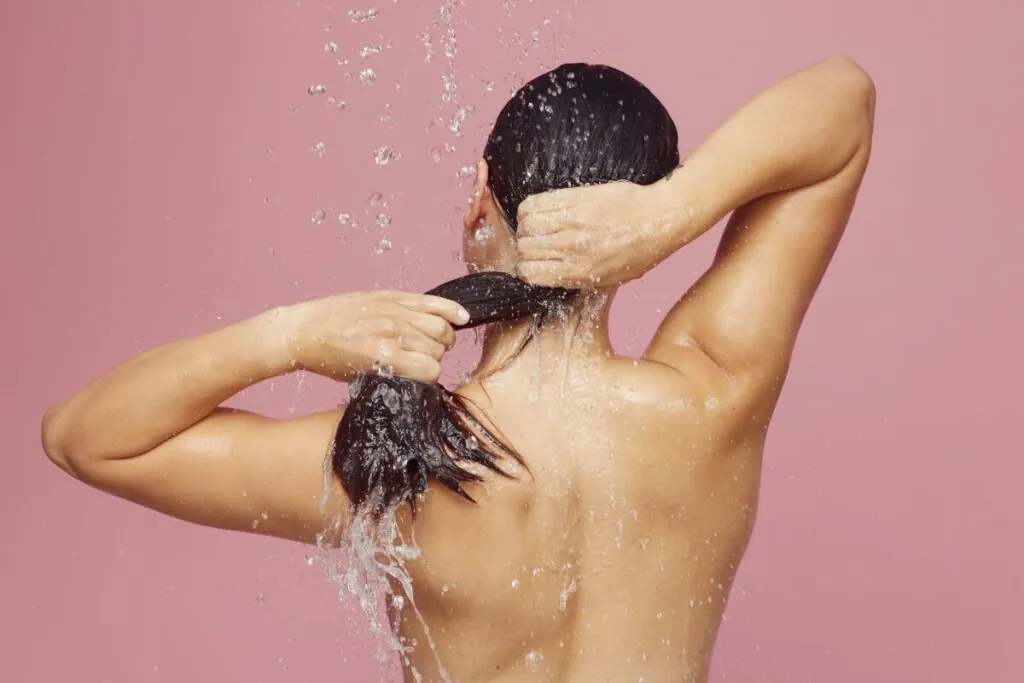
Make it (10 minutes of work)
- Rinse: wash ½ cup of rice once quickly to remove dust and any husk. Discard that first water.
- Soak: add 2 cups of clean water, stir, and leave for 30 minutes.
- Strain: pour the cloudy water into a clean steel or glass bowl or bottle. Cook the rice as usual.
- Optional ferment: cover loosely and leave at room temperature for 12–24 hours until it smells mildly sour, then refrigerate.
- Dilute: mix 1 part rice water with 1–2 parts plain water before use. Fermented water especially should always be diluted.
Use it on wash day (15–25 minutes)
- Shampoo first: wash as you normally would. If you oiled the night before, wash it out fully so the rinse can reach the hair.
- Squeeze out excess water: hair should be damp, not dripping, so the rice water isn’t watered down further.
- Apply: pour slowly over lengths and ends, or use a spray bottle. Keep it mostly off the scalp if your scalp is sensitive or flaky.
- Wait 5–15 minutes: start with 5 minutes the first time. Leaving it longer doesn’t add benefit and raises the risk of stiffness.
- Rinse well: use lukewarm or cool water until hair no longer feels tacky.
- Condition: follow with a moisturising rinse-out conditioner for 2–3 minutes. This step is what stops rice water from leaving hair dry.
- Style as usual: Leave-in conditionerA light conditioner you do not rinse out. It helps with detangling, frizz and moisture, especially for curly or dry hair.See glossaryRead the guide, curl cream or a drop of oil on the ends, and air-dry or diffuse on low heat.
Storage
Keep rice water covered in the fridge and use it within 3–4 days, or within a day if it sits outside. Make small batches, not a month’s supply.
How Often Should You Use Rice Water?
Less often than social media suggests. Daily sprays and overnight soaks are the fastest way to dry, crunchy hair. Use this as a starting point and adjust to how your hair feels.
- Straight or wavy, normal Hair porosityHow easily your hair absorbs and holds moisture. Low-porosity hair resists water; high-porosity hair absorbs it fast but loses it quickly.See glossaryRead the guide: once a week.
- Fine, flat or oily hair: once a week, plain or boiled water, well diluted.
- Bleached, coloured or heat-damaged (high porosity): once a week can work, always followed by a rich conditioner.
- Curly, coily or low-porosity hair: every 10–14 days at most, or try it once and see.
In dry North Indian winters, hair loses moisture faster, so lean towards the less frequent end and boost your deep conditioning. In humid coastal cities, the light coating can help with frizz, but it can also feel sticky, so dilute more.
Protein Overload: Why Rice Water Can Backfire on Curly and Low-Porosity Hair
Rice water is often called a “protein treatment”. It contains only small amounts of protein, but together with the starch it coats and stiffens the strand the way protein products do. Hair that already gets protein from other products, or hair that is easily weighed down by coatings, can tip into what curly-hair communities call Protein overloadWhen hair gets too many protein treatments and feels stiff, straw-like and snaps easily. Balancing with moisturising products usually helps.See glossaryRead the guide.
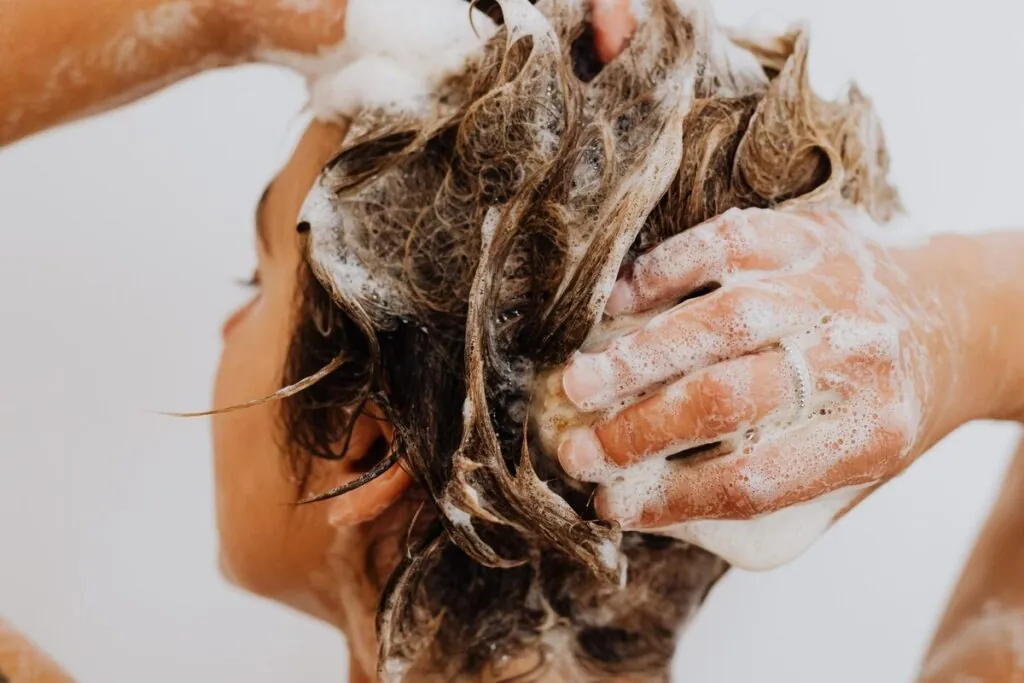
Signs you’ve overdone it
- Hair feels stiff, rough or straw-like, even after conditioner.
- Strands snap with a little pull instead of stretching first.
- Curls look dull, frizzy and less defined, or a white flaky residue appears.
- Your usual leave-in seems to just sit on top of the hair.
Why curly and low-porosity hair react more
Curly and coily hair is naturally drier, because scalp oil struggles to travel down the bends. A stiff coating on top of that dryness makes curls feel brittle quickly. Low-porosity hair has a tightly closed cuticle, so the starch film sits on the surface instead of being absorbed, building up wash after wash.
A quick clue to low porosity: your hair takes ages to get properly wet and ages to dry.
How to fix it
- Stop rice water and any protein masks or bond products for 2–3 weeks.
- Use a gentle clarifying wash once to lift the buildup.
- Deep condition with a protein-free, moisture-rich mask (GlycerinOne of the most common and effective humectants. It draws water into the skin and is found in most moisturisers and cleansers.See glossary, aloe, shea, fatty alcohols) for 15–20 minutes under a warm towel.
- If you return to rice water, use it plain and well diluted, for 5 minutes, no more than every two weeks.
For moisture-first conditioning, our guide to the best conditioner for curly hair in India explains how to read the label. If you’re building a full wash-day plan, the curly hair routine for Indian weather shows where an occasional rinse like this fits, and our list of the best curly hair products in India covers the shampoos, leave-ins and gels to pair with it.
Who Should Skip Rice Water
- Protein-sensitive hair: if protein masks have made your hair stiff before, rice water likely will too.
- Irritated, itchy or flaky scalps: starch residue and fermented acids can make dandruff or seborrhoeic dermatitis feel worse. See our tips on winter hair fall and dandruff instead.
- Open cuts, sores or scalp infections: keep any homemade, fermented liquid away until healed.
- Anyone with active hair loss: don’t let a rinse delay a proper diagnosis.
- Very low-porosity hair that builds up easily: you’ll usually get better results from a light conditioner and a clarifying wash.
Everyone else should patch-test first. Dab a little diluted rice water behind the ear or on the scalp near the nape, leave it 15 minutes, rinse, and wait 24 hours. Skip it if you notice redness, itching or bumps.
Common Rice Water Mistakes
- Leaving it overnight: longer contact means more stiffness and more chance of irritation, with no extra shine.
- Skipping conditioner afterwards: the single biggest reason hair ends up dry and tangly.
- Over-fermenting: three days on a warm kitchen shelf gives you spoiled water, not a stronger treatment.
- Using it undiluted: thick boiled starch water can leave white flakes that look like dandruff.
- Stacking it with other protein: rice water plus an egg mask plus a protein serum in the same week is a lot for most hair.
- Expecting new growth: judge it on softness and fewer tangles, not on centimetres.

Frequently Asked Questions
No. There is no good human evidence that rice water regrows hair or treats any form of hair loss. It may help you keep length by reducing breakage, but thinning, patches or heavy shedding need a dermatologist.
Focus on the lengths and ends, where friction and dryness happen. A healthy scalp usually tolerates diluted plain rice water, but if yours is oily, itchy or flaky, keep it off the scalp entirely.
It’s better not to. A leave-in starch film tends to feel crunchy, attracts dust and can flake. Rinse after 5–15 minutes and condition.
It can give a little more smoothness because it is more acidic, but it is also harsher on sensitive scalps and easier to overuse. Start with plain soaked rice water and only try fermented if your hair likes it.
Usually yes, once a week, followed by a good conditioner. It won’t strip colour, but check your salon’s aftercare advice for KeratinThe protein that hair is made of. "Keratin treatments" are salon smoothing services, and some contain formaldehyde-releasing chemicals.See glossary or smoothing treatments, and wait until the first few washes are done.
The smoother, shinier feel shows up after the first rinse and fades by the next wash. Any benefit for breakage builds slowly over a few months of gentle handling, so give it 4–6 uses before you decide.
Quick poll
What is your biggest hair concern?
The Bottom Line
Rice water is a low-cost conditioning rinse that can add shine, smooth the cuticle and cut tangles, especially for straight, wavy or damaged hair. It isn’t a growth treatment, and for curly, coily or low-porosity hair it can easily tip into stiffness. Use it diluted, briefly, no more than once a week, always follow with conditioner, and stop the moment your hair starts to feel like straw.