
Best Hair Colour for Women in India: Shades for Indian Skin (2026)
Find the best hair colour for your Indian skin tone, compare top at-home brands and salon options, and learn how to colour safely and keep it vibrant.

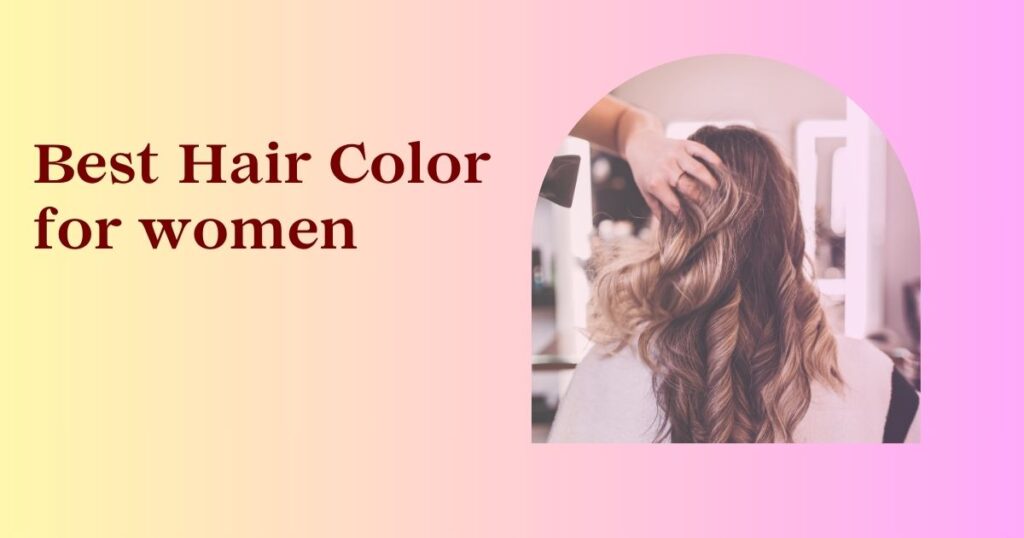
The best hair colour for women in India is usually a shade one to two levels lighter than your natural black or dark brown, in a tone that suits your undertone: warm browns like caramel and honey for warm skin, and burgundy, mahogany or cool chocolate for cool skin. For at-home colour, trusted names like L’Oréal Paris, Garnier and Godrej Expert cover most needs, from full grey coverage to a gentle ammonia-free gloss.
This guide helps you pick a shade for your skin tone, choose between permanent, ammonia-free and henna options, and colour safely at home. You will also find the aftercare habits that keep colour from turning brassy in Indian sun and hard water.
Best Hair Colour for Women: Quick Picks
- Best for full grey coverage: L’Oréal Paris Excellence Crème
- Best ammonia-free at-home colour: L’Oréal Paris Casting Crème Gloss
- Best for first-timers on a budget: Garnier Color Naturals Crème
- Best budget pick for regular root touch-ups: Godrej Expert Rich Crème
- Best salon option: L’Oréal Professionnel INOA (ammonia-free, applied by a stylist)
- Best natural option: pure henna, with or without indigo
Hair Colour Options Compared
| Option | Type | Grey coverage | Best for | Price band |
|---|---|---|---|---|
| L’Oréal Paris Excellence Crème | Permanent | High | Stubborn or widespread greys | Mid-range |
| L’Oréal Paris Casting Crème Gloss | Ammonia-free, permanent-style | Moderate | Shine, tone refresh, early greys | Mid-range |
| Garnier Color Naturals Crème | Permanent | Good | First-timers, wide shade range | Budget |
| Godrej Expert Rich Crème | Permanent | Good | Frequent root touch-ups | Budget |
| L’Oréal Professionnel INOA | Salon, ammonia-free | High | Custom shades, highlights, balayage | Premium |
| Pure henna (+ indigo) | Natural, plant-based | Tints greys orange-red to brown | Chemical-free conditioning colour | Budget |
The Best Hair Colour Brands in India for Women, Reviewed
1. L’Oréal Paris Excellence Crème
This is the one to reach for when greys are noticeable and you want them gone, not just blended. It is a permanent cream colour, and the kit includes a pre-colour protective serum and a conditioner for after rinsing.
Who it suits: women with 30% or more grey, or anyone who wants rich, long-lasting browns and burgundies. The cream texture stays put, which makes it easier to section and apply on long, thick Indian hair.
- Pros: strong grey coverage, lasts until regrowth, good range of natural browns
- Cons: contains ammonia, so the smell is stronger; can feel drying if you colour too often
2. L’Oréal Paris Casting Crème Gloss
Casting Crème Gloss is the popular ammonia-free choice. It gives a glossy, natural-looking result and a milder smell, and it is a sensible first step if you are nervous about colouring.
Who it suits: women with natural black hair who want a soft chocolate or burgundy tint and extra shine, or those with only a few scattered greys. Remember that ammonia-free does not mean chemical-free, so you still need a patch test.
- Pros: gentler feel, mild smell, lovely shine, good for refreshing faded colour
- Cons: grey coverage is softer than ammonia formulas; won’t lift dark hair much lighter
3. Garnier Color Naturals Crème
Garnier Color Naturals is one of the most widely available hair colours in India, found in almost every chemist and supermarket. It is budget-friendly, has a wide shade range including burgundy and several browns, and is easy for beginners to use.
Who it suits: first-timers, students and anyone who wants a dependable everyday shade without spending much. It works well for a one-shade-lighter brown or a subtle burgundy on black hair.
- Pros: affordable, easy to find, beginner-friendly, many shades
- Cons: contains ammonia; long or thick hair may need two packs
4. Godrej Expert Rich Crème
Godrej Expert is a household name for grey coverage in India, and the Rich Crème range is designed for quick, regular use. Because it is so economical, it is popular with women who touch up their roots every few weeks.
Who it suits: anyone who mainly wants to cover greys in natural black or brown shades and needs frequent touch-ups. It is less about fashion shades and more about a reliable, natural finish.
- Pros: very budget-friendly, good for roots, widely available
- Cons: limited fashion shades; not designed for dramatic changes
5. Salon Colour: L’Oréal Professionnel INOA
If you want caramel balayage, honey highlights or a precise shade that flatters your face, a salon is the better bet. INOA is an ammonia-free professional colour that many Indian salons use, and a stylist can mix shades and protect lightened lengths. See our guide to L’Oréal INOA hair colour shades to choose one before your appointment.
- Pros: customised shade, expert application, best for highlights and balayage
- Cons: premium cost; touch-ups mean repeat visits
6. Natural Option: Henna and Indigo
Pure henna stains hair a reddish-orange and coats each strand, which many women find adds body. Used alone on greys it gives a bright orange-red; a follow-up layer of indigo deepens it to brown or near-black. Buy pure henna powder and avoid “black henna” products, which may contain PPD, a dye chemical that can cause serious reactions.
- Pros: plant-based, budget-friendly, conditioning feel
- Cons: messy and slow; hard to lighten or switch to chemical colour later
Hair Colour Shades for Indian Skin: Match Your Undertone
Skin depth (fair, wheatish, dusky) matters less than undertone. To find yours, look at the veins on your inner wrist in daylight: greenish means warm, bluish or purple means cool, and a mix means neutral. Gold jewellery flattering you more than silver is another hint that you are warm.
Warm undertones
Golden or peachy skin glows with caramel, honey brown, golden brown and copper. Avoid very ashy shades, which can make warm skin look dull or grey.
Cool undertones
Pink or rosy skin suits burgundy, wine, plum, mahogany and cool or ash brown. Brassy golds can bring out redness, so keep them for small highlights only.
Neutral undertones
Lucky you: most shades work. Chocolate brown, mocha and soft caramel are easy, flattering choices.
By skin depth
- Fair: light to medium browns, honey and caramel highlights; jet black can look harsh.
- Wheatish: the most versatile, suiting chocolate, caramel, mahogany and burgundy.
- Dusky: deep, rich tones such as dark chocolate, burgundy, wine and mahogany, or caramel balayage on dark brown. Very light all-over shades can wash dusky skin out.
Popular Hair Colour Ideas for Indian Women
- Burgundy: a deep wine-red that shows beautifully in sunlight on black hair without bleach. Great for cool and neutral undertones.
- Chocolate brown: the safest, most office-friendly choice. It softens features and suits almost everyone.
- Caramel: a warm, light-reflecting brown that looks best as highlights or balayage on dark hair.
- Honey brown: soft and golden, ideal for warm, wheatish or fair skin.
- Mahogany: a red-brown between burgundy and chocolate, flattering on dusky skin.
- Highlights and balayage: lighter pieces painted onto your natural base. They grow out softly, so you can skip root touch-ups for months.
Feeling bolder? Vivid shades like blue need pre-lightening on Indian hair; our guide to blue hair dye colours explains what to expect.
Permanent vs Semi-Permanent vs Ammonia-Free vs Henna
- Permanent: uses a developer to open the hair cuticle and deposit colour inside the strand. It lasts until your hair grows out and gives the best grey coverage.
- Semi-permanent and demi-permanent: deposit colour mostly on or just inside the surface and fade over several weeks of washing. Good for testing a shade or adding tone, but weaker on greys.
- Ammonia-free: usually permanent-style colour that uses a different alkaliser instead of ammonia. It smells milder and can feel gentler, but it still contains dye chemicals.
- Henna and natural dyes: plant-based and coat the strand. They are long-lasting, but the colour range is limited, and some chemical colours and bleach can react unpredictably over them.
How to Choose the Right Hair Colour for You
Start with your grey percentage. A few strands? An ammonia-free gloss blends them. Over a third grey? Pick a permanent formula and choose a shade close to your natural colour, because greys take dye lighter than the rest of your hair.
Be realistic about lift. Box colour can lighten natural black hair by only a level or two. If you want caramel or honey on black hair, you’ll need highlights or salon lightening.
Factor in hair type. Dry, curly or previously treated hair takes colour faster and fades sooner, so lean towards gentler formulas and deep conditioning. Fine hair can look thicker with dimensional highlights.
Consider Indian conditions. Strong sun fades colour and pulls browns brassy. Hard water leaves mineral deposits that dull shine and can shift tone, so a shower filter or an occasional clarifying wash helps. In humid months, hair swells and loses colour faster with every wash, so washing less often makes a real difference.
How to Colour Your Hair at Home: Step by Step
- Patch test 48 hours before. Dab a little mixed colour behind your ear or inside your elbow as the pack directs and leave it. Any itching, redness, burning or swelling means do not use it.
- Do a strand test. Colour a small hidden section to check the result and timing.
- Prep. Start with dry, unwashed hair (a day’s natural oils protect the scalp, but skip heavy oiling). Apply petroleum jelly along your hairline and ears and wear old clothes and gloves.
- Section. Divide hair into four parts with clips. Long or thick hair may need two packs; it’s better to have extra than to run out midway.
- Apply roots first, especially grey areas, then pull colour through the lengths for the last few minutes only if they’ve faded.
- Time it exactly as the instructions say. Leaving it longer doesn’t make it darker, but it can irritate your scalp.
- Rinse with cool water until it runs clear, then use the conditioner from the kit.
To keep track of shades and developer tubes between touch-ups, a simple hair colour tube organiser helps.
Aftercare: Keep Your Colour Rich for Longer
- Wait 48–72 hours before your first shampoo.
- Switch to a sulphate-free, colour-safe shampoo and wash two or three times a week.
- Use conditioner every wash and a hair mask weekly; lightened hair needs it most.
- Cover your hair with a scarf or hat in strong sun. Our summer hair care tips cover more ways to protect it.
- Use a heat protectant before ironing or blow-drying, and keep the heat moderate.
- Light oiling a few hours before washing keeps lengths soft. Some oils can slowly fade fresh colour, so wait a few days after colouring. For gentle routines, see our natural hair care tips at home.
Common Hair Colour Mistakes to Avoid
- Choosing by the model’s photo. The box shows the result on light hair. Check the shade chart for your starting colour.
- Skipping the patch test, even with a brand you’ve used before. Allergies can develop over time.
- Going too light too fast. Large jumps on black hair often turn orange or brassy.
- Colouring the full length every time. Overlapping colour builds up dark, dry ends. Touch up roots only.
- Putting chemical colour over henna without a strand test. Results can be patchy or unexpected.
- Colouring an irritated scalp. Wait if you have cuts, flaky patches or a fresh scalp treatment.
Frequently Asked Questions
Which hair colour is best for Indian skin?
Chocolate brown, burgundy and mahogany suit most Indian skin tones because they add warmth without clashing with deeper complexions. Warm undertones look great in caramel and honey, while cool undertones shine in burgundy and wine. Stay within one or two shades of your natural colour for the most natural result.
What is the best hair colour brand in India for women?
There is no single winner; it depends on your need. L’Oréal Paris Excellence Crème is strong on grey coverage, Casting Crème Gloss is the go-to ammonia-free option, and Garnier Color Naturals and Godrej Expert are dependable budget picks. For highlights or custom shades, a salon colour like L’Oréal Professionnel INOA is the better route.
Is ammonia-free hair colour completely safe?
Ammonia-free colour usually smells milder and feels gentler, but it still contains dyes that can cause allergies. Always do a patch test 48 hours before. If you’ve ever had swelling, blistering or a severe rash from hair dye, stop and see a dermatologist before colouring again.
Can I get caramel or honey brown on black hair at home?
Most box dyes can’t lift natural black hair that far, so you’ll often see a subtle reddish-brown instead. For true caramel or honey tones, salon highlights or balayage with proper lightening give a much better, more even result.
How often should I touch up my roots?
Most women touch up every four to six weeks, depending on how fast their hair grows and how visible the greys are. Apply colour only to the new growth to avoid dry, over-darkened ends.
Does hair colour cause hair fall?
Colour used correctly doesn’t usually affect the roots, but over-processing can make strands dry and prone to breakage, which looks like hair fall. If you notice sudden shedding, thinning patches or scalp irritation, see a dermatologist or trichologist rather than colouring again.
Can I use hair colour after henna?
Pure henna is generally compatible with permanent colour, but results can be darker or patchier than the box suggests. Henna mixes with metallic salts or “black henna” can react badly. Always strand-test first, or ask a salon to assess your hair.
Final Thoughts
The best hair colour for women is the one that flatters your undertone, suits your grey coverage needs and fits how much upkeep you want. Pick a rich brown or burgundy for an easy upgrade, go to a salon for caramel or honey highlights, and never skip the patch test. Look after your colour with gentle washing and sun protection, and it will stay glossy well past your next touch-up.




Join the conversation