How to Store Hair Colour at Home: Organizers, Shelf Life, Safety
Where to keep hair colour tubes and developer, how long they last once opened, why mixed dye can't be saved, and simple organizers that keep kits safe from kids.

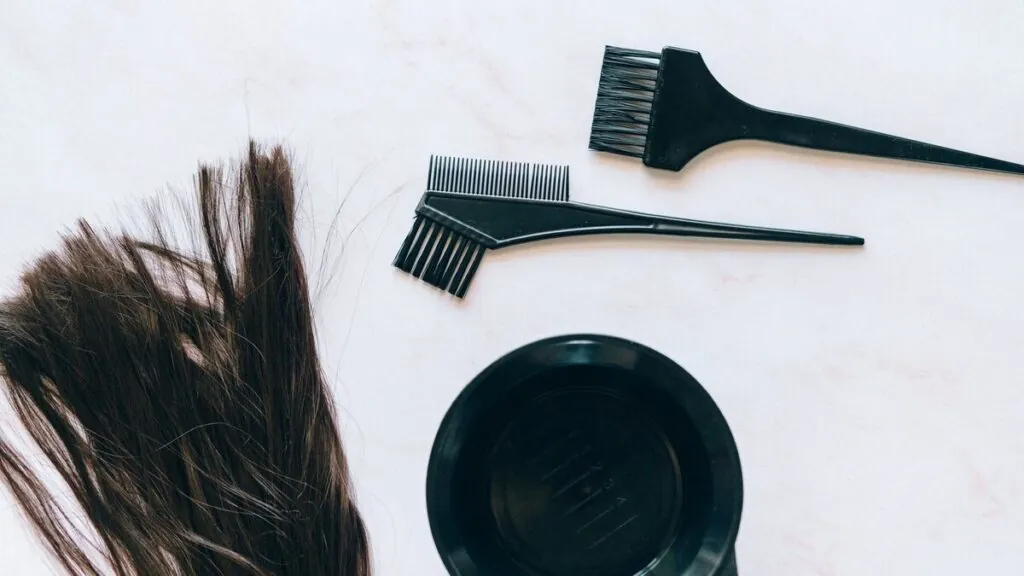
The best way to store hair colour at home is in its original, tightly capped tube and bottle, inside a closed box or organizer kept in a cool, dry, dark cupboard that children cannot reach. Write the shade number and the date you opened it on every tube, never save colour once it is mixed with developer, and throw out anything past its use-before date.
If you colour your roots every few weeks, you probably have half-used tubes, spare developer bottles, gloves and tint brushes scattered around the house. This guide shows you how to organise them, how long they really last in Indian heat and humidity, and the safety rules that matter most when there are kids or pets at home.
Quick answer: hair colour storage rules
- Keep it cool and dark: a bedroom cupboard or closed shelf, not the bathroom, a sunny windowsill or near the geyser.
- Keep it sealed: squeeze air out of the tube, wipe the neck and screw the cap on firmly. Keep developer in its own bottle with the cap closed.
- Keep it out of reach: a lidded box on a high shelf or a cupboard with a latch, away from food and medicines.
- Label everything: shade number, brand and date opened, written on the tube itself.
- Never store mixed colour: once colour meets developer, use it within the time on the leaflet and discard the rest.
Hair colour tube organizer options for home use
You do not need a salon-sized wall rack. Most home colourers have somewhere between two and ten tubes, plus a couple of developer bottles and tools. Pick an organizer based on how many shades you keep and whether little hands can reach it.
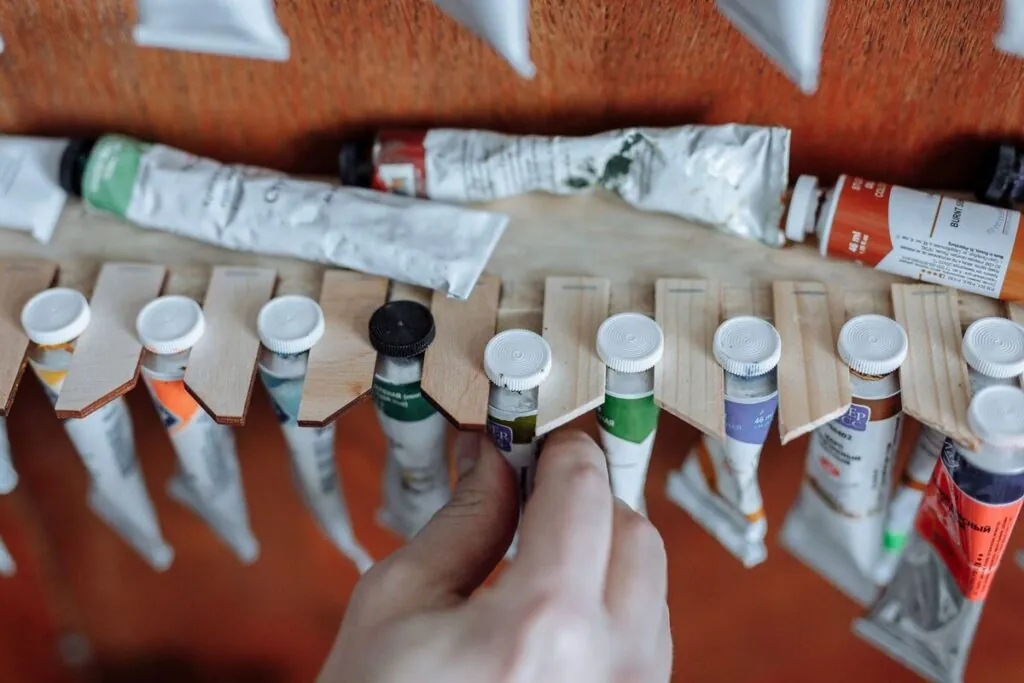
| Organizer type | Best for | Child-safe? | Watch out for |
|---|---|---|---|
| Lidded plastic storage box | Most homes; 1–2 shades plus tools | Yes, if kept high or latched | Pick an opaque box to block light |
| Tube rack or holder (acrylic or metal) | People who mix several shades or colour for family members | Only inside a closed cupboard | Clear acrylic lets light in on an open shelf |
| Drawer with dividers | Keeping tubes flat and sorted by shade | Only with a drawer lock | Low drawers are easy for toddlers to open |
| Small toolbox or vanity case with a clasp | Travel and multi-person households | Good, especially with a lock | Do not leave it in a hot car |
| Zip pouch inside a cupboard | One kit, colouring every 4–6 weeks | Only if the cupboard is high | Easy to crush tubes; store upright |
Lidded storage box: the easiest choice
A sturdy opaque box with a snap-on lid solves most problems at once. It blocks light, keeps out dust and moisture, and contains any leaks. Stand tubes upright with the cap at the top so colour does not collect at the nozzle and dry out.
- Pros: cheap, easy to find, holds tools and gloves too.
- Cons: tubes can tip over unless you add a small cup or divider inside.
Tube rack or holder
Racks hold tubes upright in a row, so you can read shade numbers at a glance. They make sense if you mix shades, cover grey and add a fashion tone, or colour for your parents as well. Use one inside a closed cupboard rather than on an open dressing table, where sunlight and curious kids can get to it.
- Pros: fastest way to find a shade, tubes stay upright.
- Cons: no protection from light or little hands on its own.
Drawer dividers or a lockable case
A drawer with simple dividers keeps tubes sorted by shade and away from light. If you have toddlers, add a child-safety drawer latch or use a vanity case or small toolbox with a clasp. A case is also handy if you take your colour kit to your parents’ home or on a long trip.
Where to store hair colour in Indian weather
Heat, humidity and light are what break hair colour down. In much of India, summer room temperatures easily cross 35°C, and monsoon humidity seeps into everything. The bathroom is the most common storage spot and also one of the worst, because hot showers keep it warm and damp.
- Good spots: a bedroom wardrobe shelf, a closed cabinet in a shaded room, a high storage cupboard away from the kitchen.
- Avoid: the bathroom, windowsills, the top of the fridge or washing machine, near a geyser or stove, and parked cars.
- Fridge? Not needed. Normal room temperature in a shaded cupboard is fine, and keeping chemicals next to food is a bad habit.
Developer needs extra care. Developer is hydrogen peroxide, which slowly loses strength with heat and light. Keep it in its original bottle with the cap firmly closed, and never move it into a tightly sealed jar or another container.
Hair colour shelf life: before and after opening
Every pack sold in India must carry a use-before or expiry date, so start there. Many brands also print a period-after-opening symbol, a small open jar with a number such as “12M”, which tells you how many months the product lasts once opened. Follow your own pack, because formulas vary.
Unopened tubes and kits
Sealed tubes and box kits such as Garnier Color Naturals or L’Oréal Paris Excellence Crème usually last until the printed date if stored properly. Buying in bulk during a sale only saves money if you will use the packs well before that date.
Opened tubes
Once a tube is opened, air starts to oxidise the colour at the nozzle. A tightly capped tube stored in the dark can keep for several months, but it will not last as long as a sealed one. Check the period-after-opening symbol, and if you colour only a few times a year, buy smaller packs rather than keeping a big tube open.
Signs your hair colour has gone off
- The cream near the nozzle has turned dark, hard or crusty and the rest looks different too.
- The texture has separated, gone lumpy or watery.
- The smell is noticeably different from a fresh pack.
- The developer bottle has bloated, leaked or been left open.
- Your last application gave patchy colour or poor grey coverage.
A small dark plug right at the tip is normal. Squeeze it out and discard it. If the colour underneath looks like it did when new, it is usually still usable within its dates. When in doubt, throw it out; patchy or unpredictable results cost more to fix than a new pack.
Why you should never save mixed hair colour
Permanent colour works through a chemical reaction that starts the moment you combine colour cream and developer. The mixture keeps reacting in the bowl, so after the time on the leaflet it no longer colours properly. Leftovers kept “for next time” will not work and may give odd tones.
There is a safety reason too. Peroxide mixtures can release gas, so a closed bottle or jar of mixed colour can build pressure and leak or burst. Mix only what you need, use it straight away and rinse leftovers down the drain with plenty of water, as most instruction leaflets advise.
Tip: if you only colour your roots, mix half a tube and an equal measure of developer (or whatever ratio your brand states), then cap both containers right away. Our L’Oréal INOA shade guide explains mixing ratios and shade numbers if you use salon-style tubes.
How to store henna, indigo and natural colour
Natural colour has its own rules. Henna (mehendi)A plant dye that stains hair reddish-brown and coats strands for a glossy feel. Pure henna is different from "black henna", which can contain harsh dyes.See glossaryRead the guide and indigo powders lose dye strength with moisture, heat and light, so store them in an airtight, opaque container in a cool cupboard and use within the date on the pack. Never scoop with a wet spoon, especially in the monsoon.
Mixed henna paste can be portioned into small sealed bags and frozen, then thawed before use. Indigo, on the other hand, should be mixed fresh and used quickly because it loses its colour within a short time. For more on getting good results, read our guide to natural hair dyes you can use at home.
Keeping hair colour safe from children and pets
Permanent hair colour and developer can be harmful if swallowed and can burn eyes. Bright boxes and squeezable tubes look like toys or toothpaste to a small child, so treat them like any other household chemical.
- Store the box high up or behind a latch, never in an open basket on the floor or dresser.
- Keep colour away from food, medicines and toothpaste so nobody grabs the wrong tube.
- Do not leave the mixing bowl or brush lying around while the colour develops.
- Put used gloves, empty tubes and wipes in a closed bin straight away.
- If a child swallows colour or gets it in their eyes, rinse with water and get medical help immediately, taking the pack with you.
How to label and organise your shades
A few minutes of labelling saves you from guessing next month. Use a permanent marker or small sticker on the tube itself, because outer boxes get thrown away first.
- Write the shade number and brand on each tube, for example “4.0 natural brown”.
- Add the date you opened it so you know when to finish or discard it.
- Note whose colour it is if several family members colour at home.
- Record what worked: a quick note on your phone with shade, developer strength, timing and result makes the next session easier.
- Keep the instruction leaflet folded inside the box, because it lists mixing ratios, timings and safety warnings.
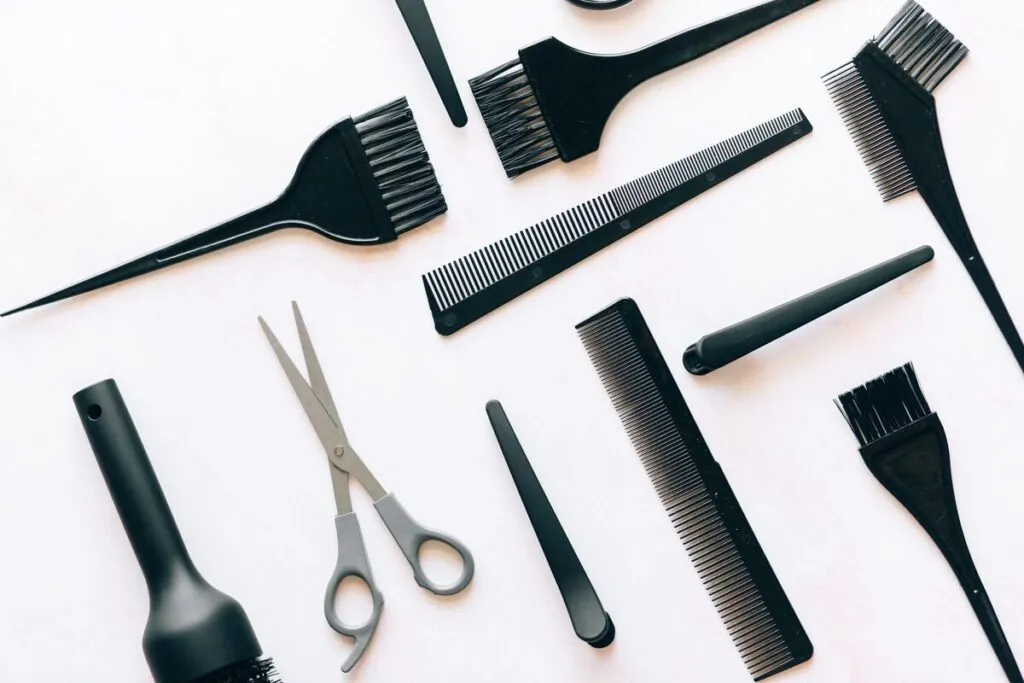
- Group your tools (tint brush, bowl, comb, clips, gloves) in one pouch so everything is ready together.
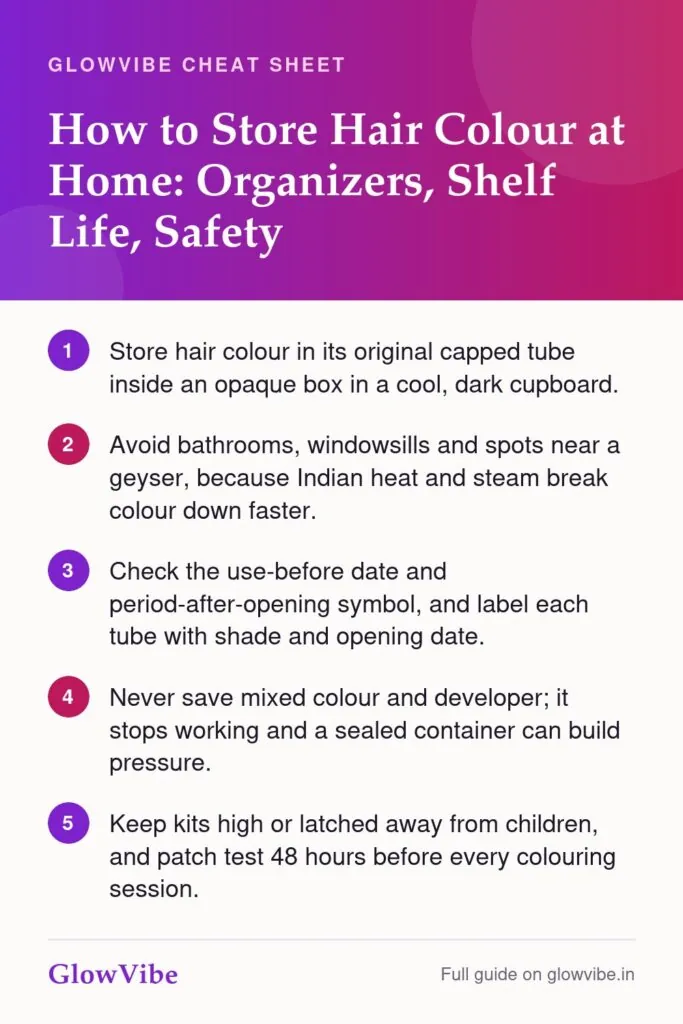
- Keeping colour in the bathroom: heat and steam shorten its life.
- Leaving the cap loose: air dries and oxidises the cream from the nozzle down.
- Saving mixed colour in a jar: it stops working and can build pressure.
- Throwing away the box first: you lose the shade number, dates and instructions.
- Swapping developers between brands: follow the developer and ratio your brand recommends.
- Using expired colour to “finish it off”: uneven results and a higher chance of irritation are not worth it.
Sort tubes from darkest to lightest, or by “in use” and “spare”. If you are still choosing shades, our guides to the best hair colour for women in India and the best hair colour for men can help you narrow it down before you stock up.
Before you use stored colour: patch test every time
Allergies to hair dye ingredients such as PPD can develop even after years of trouble-free use. Do a Patch testTrying a small amount of a new product behind the ear or on the inner arm for a few days to check for a reaction before using it widely.See glossary 48 hours before every colouring session, as most packs instruct, even if you are using the same tube as last month.
If you notice itching, redness, swelling or a rash, do not apply the colour. Seek urgent medical help for swelling of the face, eyes or lips or any difficulty breathing, and see a dermatologist before trying another dye.
Common hair colour storage mistakes
Frequently Asked Questions
It depends on the brand, so check the period-after-opening symbol (such as “6M” or “12M”) and the use-before date. A tightly capped tube kept in a cool, dark cupboard usually lasts several months. If the cream has changed colour, texture or smell, discard it.
No. Once colour and developer are mixed, the reaction starts and the mixture stops working after the time given on the leaflet. A sealed container of mixed dye can also build pressure. Mix only what you need and discard the rest.
There is no need. A shaded cupboard at normal room temperature is fine for tubes and developer. Keeping chemicals next to food also raises the risk of mix-ups, so a fridge is best avoided.
It is better not to. Bathrooms in India get hot and steamy, which can break down colour and developer faster. Keep your kit in a bedroom cupboard and bring it to the bathroom only when you colour.
For most people, an opaque lidded box kept on a high shelf works best because it blocks light and is harder for children to open. If you keep many shades, a tube rack inside a closed cupboard makes them easy to find. Add a drawer latch or a lockable case if you have toddlers.
It is not recommended. Expired colour may not cover greys evenly, can give unexpected tones and may be more likely to irritate your scalp. Replace it and always do a patch test 48 hours before colouring.
Keep developer in its original bottle with the cap closed, upright, away from heat and sunlight and out of children’s reach. Do not pour it into other containers or mix it with anything until you are ready to colour.
Quick poll
How much do you usually spend on one beauty product?
The bottom line
Good hair colour storage at home comes down to a few habits: original containers, caps on tight, a cool and dark cupboard, a box children cannot reach, and a label on every tube. Respect the dates, never keep mixed colour and patch test before each use.
Set up your organizer once and every root touch-up becomes quicker, cleaner and safer. For more on keeping coloured hair healthy, see our tips on natural hair care at home.