Male Hair Cut Style Guide (2026): 10 Best Haircuts for Men
The best men's haircuts for 2026, from fades and crops to quiffs and curly tapers, matched to face shape, hair type and Indian weather, plus barber and styling tips.

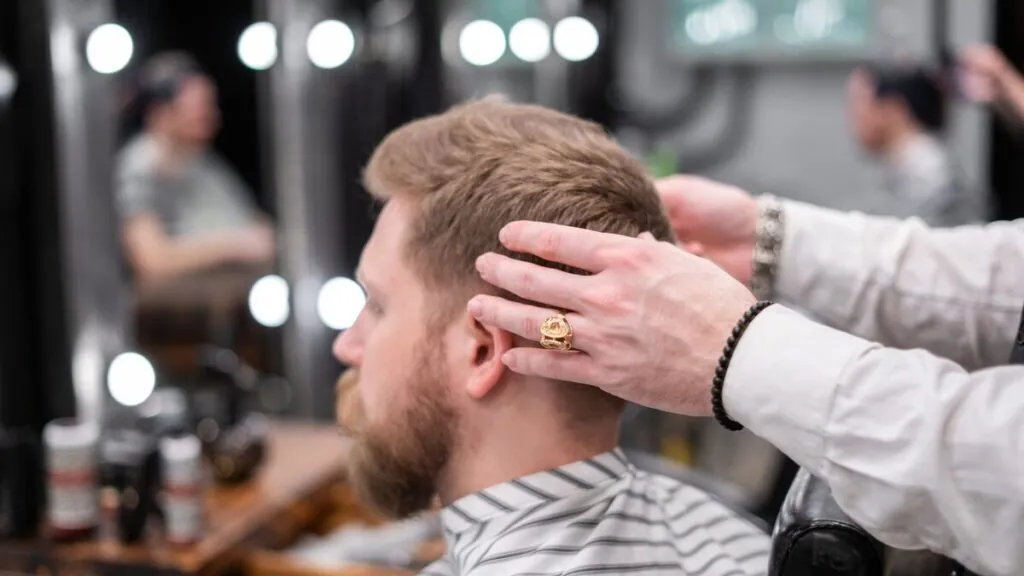
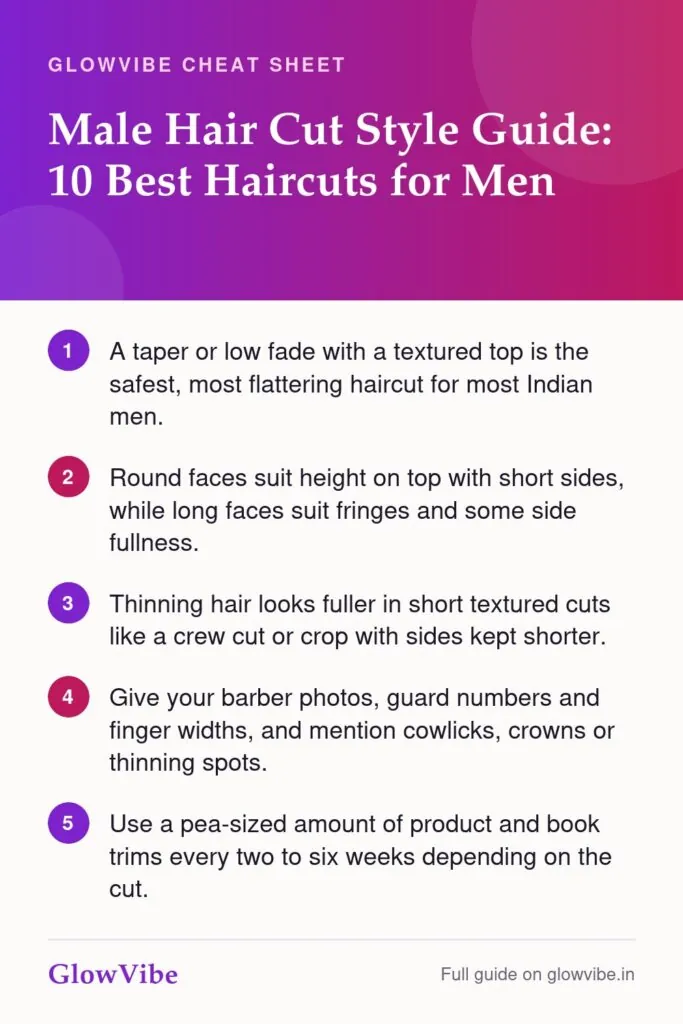
The best male hair cut style for you depends on three things: your hair type, your face shape and how many minutes you are willing to spend on it each morning. For most Indian men, a taper or low fade with a textured top is the safest, most flattering starting point, while buzz cuts, crew cuts and crops win on low effort and quiffs, pompadours and side parts win on polish.
This guide walks you through the haircuts men are actually asking barbers for in 2026, who each one suits, exactly what to say in the chair, and how to keep the cut looking sharp in Indian heat, humidity and hard water.
Quick answer: the best men’s haircut styles right now
- Best all-rounder: Taper fade with a textured top
- Lowest maintenance: Buzz cut or crew cut
- Best for thick, straight Indian hair: Textured crop or French crop
- Best for office and weddings: Classic side part or modern pompadour
- Best casual-stylish look: Messy quiff
- Best for curly or wavy hair: Curly top with a taper fade
- Boldest statement: Textured undercut or modern mullet
Men’s haircut styles compared
| Haircut | Best hair type | Suits face shapes | Daily styling | Barber visit |
|---|---|---|---|---|
| Buzz cut | Any, including thinning | Oval, square | None | Every 2–3 weeks |
| Crew cut | Straight, thick, fine | Most shapes | 1–2 minutes | Every 3–4 weeks |
| Taper / low fade | Any | All shapes | 2–5 minutes | Every 2–4 weeks |
| Textured / French crop | Thick, straight, slightly wavy | Oval, oblong, square | 2–3 minutes | Every 3–4 weeks |
| Messy quiff | Medium-thick, straight or wavy | Round, oval, square | 3–5 minutes | Every 4–5 weeks |
| Pompadour | Thick, straight | Round, oval | 5–10 minutes | Every 3–4 weeks |
| Classic side part | Straight, fine to medium | Most shapes | 3–5 minutes | Every 4 weeks |
| Curly top + taper | Wavy, curly, coily | Oval, round, square | 2–5 minutes | Every 3–5 weeks |
| Textured undercut | Thick, medium-long top | Oval, square | 5 minutes | Every 3 weeks |
| Modern mullet | Wavy, thick | Oval, oblong | 3–5 minutes | Every 5–6 weeks |
Short haircuts for men
1. Buzz cut
The buzz cut is clipped all over with a single guard, usually between a 1 and a 4. It is the ultimate summer cut for Indian cities: nothing to style, dries in seconds after a swim or gym session and never looks messy.
Who it suits: men with strong jawlines, oval or square faces, and anyone with a thinning crown who wants an even, clean look. Ask for: “a number 3 all over” or “a 3 on top fading to a 1 on the sides” if you want a little shape.
- Pros: zero styling, cool in heat, hides uneven density
- Cons: exposes scalp to sun, shows head shape, grows out fast
2. Crew cut
A crew cut keeps the top slightly longer (roughly a finger’s width) than the short sides, with the front a touch longer than the crown. It is the classic “neat boy” cut and works for school, college, office and interviews alike.
Ask for: “scissor-cut top, about an inch at the front, tapered short at the sides and back.” Style with a pea-sized amount of matte cream pushed slightly up or to the side.
- Pros: universally flattering, professional, very low effort
- Cons: can look plain if left completely unstyled
3. Taper fade and low, mid or high fades
A fade is not really a full haircut but a way of finishing the sides and back: the hair gets gradually shorter as it moves down, sometimes all the way to skin. A taper only shortens the hairline at the temples and neck, a low fade starts just above the ear, and a high fade starts near the temple for a sharper, more dramatic contrast.
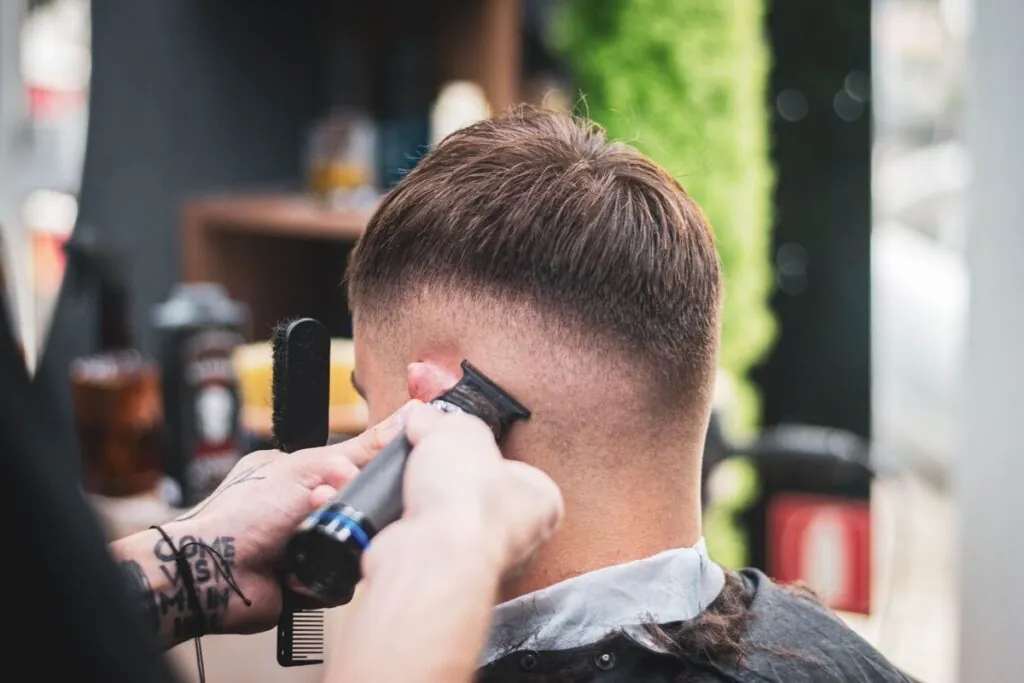
Pair any fade with almost any top: a crop, quiff, side part or curls. If you work in a conservative office, stick to a taper or low fade. If you have a round face, a mid or high fade slims the sides and adds visual length.
- Pros: clean in humidity, flatters every face shape, endlessly customisable
- Cons: skin fades lose their sharpness in about two weeks
4. Textured crop and French crop
The crop is the cut of the decade for thick, straight Indian hair. The top is cut to 1–2 inches and point-cut or texturised so it falls forward in choppy pieces, ending in a short fringe. The French crop has a straighter, blunter fringe; the textured crop is messier.
Crops are brilliant for hiding a higher forehead or a receding hairline because the fringe sits forward. Rough-dry your hair forward with your fingers, then work a little matte clay through the ends.
- Pros: fast to style, disguises hairline changes, modern look
- Cons: less suited to very fine or tightly curly hair
Medium-length and statement haircuts
5. Messy quiff
A quiff keeps 2–4 inches at the front, swept up and slightly back, with shorter sides. The messy version is styled with fingers rather than a comb, so it looks relaxed rather than stiff. It adds height, which balances round and square faces nicely.
To style, blow-dry the front upward on medium heat, then rub a small amount of clay or paste between your palms and lift the front with your fingertips. A light-hold styling cream for men works if you prefer a softer, more natural finish.
- Pros: stylish but forgiving, works for office and weekends
- Cons: needs a blow-dryer for real lift; collapses in heavy humidity without product
6. Modern pompadour
The pompadour is the quiff’s more polished older brother: more length on top, swept back with volume at the front and usually tight faded sides. Today’s version is less greasy than the 1950s original and uses a medium-shine pomade or cream.
It is a great choice for weddings, parties and anyone with thick, straight hair. Fine or thinning hair struggles to hold the shape, and it takes the most morning time of any cut on this list.
- Pros: sharp, confident and photogenic
- Cons: 5–10 minutes of styling daily, needs thick hair
7. Classic side part
The side part (or “comb-over” with a taper) is the go-to boardroom cut. The barber can shave a faint hard part line for definition, though a natural comb part looks more grown-up. It suits straight, fine-to-medium hair especially well.
Comb damp hair into place, then finish with a light cream for a matte look or a small amount of serum for shine. Our guide to hair shine serum for men covers how little you actually need.
8. Textured undercut
An undercut keeps the sides one length (often very short) with a clear disconnection from a long top, rather than a smooth fade. Worn textured and tousled, it looks current; slicked back, it looks more formal. It needs thick hair and regular side trims to stay crisp.
9. Modern mullet
The modern mullet is shorter and softer than the 1980s version: textured top, tapered sides and extra length at the back of the neck. It works best on wavy or thick hair and on men in creative fields or college. Skip it if your workplace is conservative or you hate a warm neck in May.
If you are growing your hair out, our ideas for medium haircuts show which in-between lengths still look intentional.
How to choose the right male hair cut style
By face shape
- Round face: add height and keep sides short. Quiff, pompadour, mid or high fade. Avoid heavy fringes and full sides.
- Square face: most cuts work. Crew cut, buzz cut, side part or a textured crop to soften the angles.
- Oval face: the luckiest shape. Try anything, from crops to mullets.
- Long or oblong face: avoid very tall styles. A crop with a fringe or a side part with some fullness at the sides balances length.
- Heart or diamond face: medium-length textured tops and a light fringe soften a wider forehead or cheekbones.
By hair type
Thick, straight hair (very common in India) can carry crops, quiffs and pompadours, but ask for texturising on top so it does not stick up like a brush. Fine or thinning hair looks fuller when kept shorter: a crew cut, short crop or buzz with a soft taper.
Wavy, curly and coily hair should keep length on top and lose bulk at the sides. Ask for a “curly top with a taper fade” and have the top cut dry or with curl-aware layering, so the barber can see how each curl sits.

For curls, swap matte clay for a Leave-in conditionerA light conditioner you do not rinse out. It helps with detangling, frizz and moisture, especially for curly or dry hair.See glossaryRead the guide cream or curl cream, applied to damp hair and left to air-dry. See our guide to hair creams for curly hair for how to pick and apply one.
By Indian climate and lifestyle
- Humid coastal cities (Mumbai, Chennai, Kolkata): shorter sides and a matte, water-resistant clay keep frizz and flatness in check. Volume styles need stronger hold.
- Dry heat (Delhi, Rajasthan summers): very short cuts expose the scalp to sun, so wear a cap or keep a little length on top.
- Hard water areas: mineral build-up makes hair dull and stiff. Use a clarifying wash once a week and keep styles that do not depend on shine.
- Helmet riders: crops, buzz cuts and messy quiffs survive helmets far better than pompadours or sharp side parts.
How to get the haircut you actually want
- Bring two or three photos of the cut on someone with hair similar to yours, not just the style you like on a celebrity.
- Use guard numbers and finger widths: “a 2 on the sides, two fingers on top” is far clearer than “short”.
- Say how you wear it: tell the barber whether you style daily, wear a helmet or need it office-friendly.
- Mention trouble spots: cowlicks, a double crown or a thinning area change how the barber cuts.
- Ask for a styling demo before you leave, including how much product to use.
Daily styling and maintenance routine
- Wash 2–4 times a week with a mild shampoo; daily washing in hard water dries hair out. Condition the lengths if you have more than an inch on top.
- Towel-dry gently and style on damp, not dripping, hair.
- Pre-style with a blow-dryer on medium heat for quiffs and pompadours, pointing the airflow in the direction you want the hair to go.
- Apply product sparingly: start with a pea-sized amount, warm it in your palms and work it from back to front.
- Book trims on schedule: fades every 2–3 weeks, most short cuts every 3–4 weeks, longer styles every 5–6 weeks.
Match the product to the finish: clay or paste for a matte, textured look; pomade for shine and slick styles; gel for firm hold that can turn crunchy; cream for light, natural control. For a full wash-day plan, read our hair care routine for men.
Common haircut mistakes men make
- Choosing a cut your hair cannot hold: a pompadour on fine hair flops by lunch.
- Too much product: it weighs hair down, looks greasy and attracts dust and pollution.
- Going too short on top to hide thinning: a very short top with longer sides makes thinning more obvious. Keep the sides shorter than the top.
- Ignoring the neckline and beard: a sharp haircut with an overgrown neck or untidy beard looks unfinished. Ask the barber to blend the sideburns into your beard.
- Sleeping with product in: rinse or brush it out at night to avoid scalp build-up and itching.
Frequently Asked Questions
Short, textured cuts work best: a buzz cut, crew cut or textured crop with a forward fringe and a soft taper on the sides. Keeping the sides shorter than the top reduces contrast with thinner areas. If you are losing hair quickly, in patches or with an itchy, flaky scalp, see a dermatologist or trichologist; our overview of hair loss treatment options in India explains what is available.
Pull your hair back and look straight into a mirror to judge whether your face is round, square, oval or long. Round faces suit height on top with short sides, long faces suit fringes and some side fullness, and oval or square faces can wear almost anything. A good barber can also tell you in a few seconds.
A taper shortens hair only around the edges, at the temples and nape, so it looks subtle and grows out gracefully. A fade blends the whole side and back down to very short or bare skin, giving more contrast. Tapers are more office-friendly; fades look sharper and need more frequent touch-ups.
Every 2–3 weeks for skin fades, 3–4 weeks for most short cuts and 5–6 weeks for medium or long styles. If you are growing your hair out, still book a light trim every 6–8 weeks to keep the shape tidy around the ears and neck.
The buzz cut needs no styling at all, followed by the crew cut and the textured crop, which take one or two minutes with a little product. All three cope well with heat, humidity and helmets, which makes them popular across Indian cities.
Use matte clay or paste for crops, quiffs and textured looks, pomade for pompadours and slick side parts, and a curl cream or leave-in for wavy and curly hair. Whatever you choose, start with a pea-sized amount and patch-test a new product on your inner arm if you have a sensitive scalp.
Quick poll
How much do you usually spend on one beauty product?
Find your cut and keep it simple
The right male hair cut style works with your hair rather than against it. Start with a taper or low fade, choose a top that matches your hair type and the time you have each morning, and give your barber clear numbers and photos.
Keep trims on schedule, use less product than you think, and adjust for your city’s weather. Do that, and even a simple crew cut will look deliberate and sharp.