How Long Does Acne Treatment Take? A Realistic Timeline (2026)
A realistic acne treatment timeline: how long each treatment takes to work, purging vs breakouts, how long pimple marks take to fade and when to see a dermatologist.

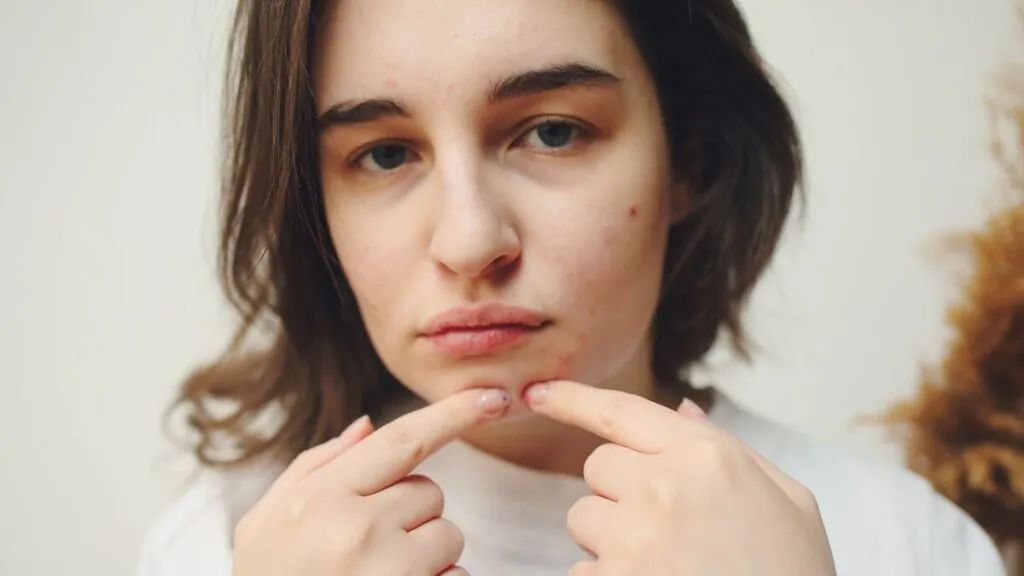
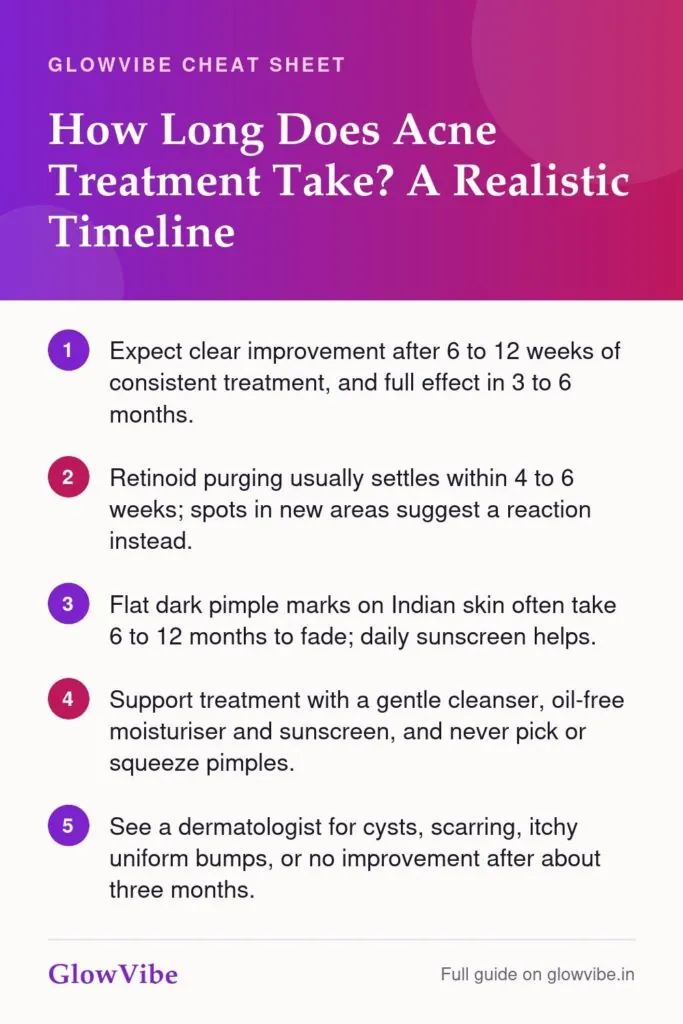
Most acne treatments take 6 to 12 weeks to show clear improvement, and 3 to 6 months to reach their full effect. Mild blackheads and whiteheads often settle within two to three months of steady care, while moderate to severe or cystic acne usually needs a dermatologist and several months of prescription treatment.
That wait is why so many people give up on a treatment that was working. Below: your acne type, a realistic timeline per treatment, PurgingA temporary rise in breakouts when starting an ingredient that speeds up skin turnover, like retinoids or acids. It usually settles within 4 to 6 weeks.See glossaryRead the guide vs breakouts, and why marks outlast the pimples.
This article is general information, not a diagnosis. Every treatment below that is described as prescription-only should be started and monitored by a qualified dermatologist.
Quick Answer: Typical Acne Treatment Timelines
- First 2–4 weeks: little visible change; some redness, dryness or purging is common with retinoids.
- 6–12 weeks: fewer new pimples for most people who use treatment consistently.
- 3–6 months: the full benefit of most topical and hormonal treatments, and the usual length of an isotretinoin course.
- 6–12 months or more: the time dark pimple marks (PIH) can take to fade on Indian skin, even after the acne is controlled.
Types of Acne and How Severe They Are
Acne starts when a follicle gets blocked with oil and dead skin cells, and skin bacteria multiply inside and trigger inflammation. Hormones, genetics, stress and some medicines all play a part. Your type decides which treatment works and how long you will wait.
Comedonal acne
Blackheads and whiteheads, usually on the nose, forehead and chin, with little redness. The mildest form; it often responds to Salicylic acidThe most common BHA. It dissolves oil inside pores, which helps with blackheads, whiteheads and oily skin. Usually used at 0.5 to 2%.See glossaryRead the guide or a retinoid.
Inflammatory acne
Red, tender bumps (papules) and pus-filled pimples (pustules). These are the spots most likely to leave dark marks on brown skin, so treat them early.
Nodular and cystic acne
Deep, painful lumps under the skin that last for weeks. This is severe acne with a real risk of scarring, and it needs a dermatologist.
Hormonal acne
Not a separate type so much as a pattern: breakouts along the jawline, chin and neck that flare before periods, often in women in their 20s and 30s. Adult acne together with irregular periods, excess facial hair or scalp hair thinning can point to PCOS, which needs a medical check-up.
Fungal acne (a common look-alike)
Small, itchy, same-sized bumps on the forehead, chest, back or shoulders that get worse with heat and sweat are often not acne at all. This is usually Malassezia (pityrosporum) folliculitis, a yeast overgrowth in the follicles that is common in humid Indian summers and monsoon. It needs antifungal treatment, not antibiotics, so ask a dermatologist to check itchy, stubborn bumps.
Mild, moderate or severe?
- Mild: mostly blackheads and whiteheads, with a few small red pimples.
- Moderate: many red pimples and pustules, spreading across the face or onto the chest and back.
- Severe: nodules or cysts, widespread inflamed acne, or acne that is already scarring.
How Long Does Acne Treatment Take? Timeline by Treatment
Acne treatments are slow because they mainly prevent new pimples, and a blocked pore takes weeks to become a visible spot. The ranges below are typical, not guaranteed.
| Treatment | Best for | Typical time to see improvement | Prescription? |
|---|---|---|---|
| Benzoyl peroxideAn acne ingredient that targets acne-causing bacteria. It can dry the skin and bleach towels and pillowcases, so start with a low strength.See glossaryRead the guide | Red pimples, pustules | About 4–6 weeks; fuller benefit by 8–12 weeks | Some strengths sold over the counter; ask a pharmacist or doctor |
| Salicylic acid | Blackheads, whiteheads, mild acne | About 4–8 weeks | Over the counter in cleansers and serums |
| AdapaleneA retinoid used in acne gels to keep pores from clogging. It can cause dryness at first, so it is usually started a few nights a week with moisturiser and daily sunscreen.See glossaryRead the guide and other topical retinoids | Blackheads, whiteheads and inflamed acne; maintenance | About 6–12 weeks; full effect around 3 months or more | Generally prescription in India; use under a dermatologist |
| Azelaic acidA gentle acid that helps with redness, bumps and uneven tone. It is usually well tolerated by sensitive and acne-prone skin.See glossary | Mild to moderate acne, dark marks | About 4–8 weeks; fuller benefit by around 3 months | Prescription strengths need a doctor |
| Topical antibiotics (e.g. clindamycin) | Inflamed pimples | About 6–8 weeks | Yes; usually combined with benzoyl peroxide |
| Oral antibiotics (e.g. doxycycline) | Moderate to severe inflamed acne | About 6–12 weeks | Yes; usually a limited course |
| Hormonal treatment for women (certain birth control pills, spironolactone) | Hormonal and adult female acne | About 3 months, sometimes longer | Yes; needs medical assessment |
| Isotretinoin | Severe, cystic or scarring acne; acne that has not responded to other treatment | Often 1–2 months to start improving; a course usually runs around 5–6 months or more | Yes; strict dermatologist supervision only |
Benzoyl peroxide
Benzoyl peroxide reduces acne-causing bacteria and helps calm red pimples, and bacteria do not become resistant to it. It can dry the skin, so a lower strength or wash-off product is a common start. It also bleaches towels and pillow covers.
Salicylic acid
Salicylic acid is an oil-soluble exfoliant that gets into pores and loosens the plug. It suits oily, blackhead-prone skin but is too mild to control moderate or cystic acne on its own.
Adapalene and topical retinoids
Retinoids speed up skin cell turnover so pores stop clogging in the first place, making them the backbone of most acne plans and of maintenance. Expect dryness, peeling and sometimes a purge in the first month. Use them at night, exactly as prescribed, and avoid them during pregnancy unless your doctor says otherwise.
Azelaic acid
Azelaic acid has mild antibacterial and anti-inflammatory effects and also helps fade dark marks, which makes it useful for Indian skin. It is usually gentler than retinoids.
Topical and oral antibiotics
Antibiotics help with inflamed acne but do not fix clogged pores, so dermatologists pair them with benzoyl peroxide or a retinoid and keep oral courses as short as possible to limit antibiotic resistance. Never use an antibiotic cream alone for months or buy oral antibiotics without a prescription.
Hormonal treatment for women
For women whose acne follows the menstrual cycle or comes with PCOS symptoms, a doctor may suggest certain combined birth control pills or an anti-androgen such as spironolactone. These take around three months to work, are not suitable for everyone, and need medical assessment and follow-up.
Isotretinoin
Isotretinoin is the most powerful acne treatment available and can lead to long-term clearance for many people with severe acne. It also has serious side effects: it causes severe birth defects, so pregnancy must be avoided during treatment and for a period afterwards, and it needs regular blood tests and check-ins. Take it only as prescribed, under a dermatologist’s supervision.
Does Purging Go Away? Purging vs Breakout
Yes, purging goes away, usually within about 4 to 6 weeks, and occasionally a little longer. Purging happens when a treatment that speeds up cell turnover, such as a retinoid or an exfoliating acid, brings pimples that were already forming under the skin to the surface faster. A breakout, on the other hand, is your skin reacting badly to something.
| Sign | Likely purging | Likely a breakout or reaction |
|---|---|---|
| What caused it | A new retinoid, exfoliating acid or prescription active | A new moisturiser, sunscreen, makeup or oil with no active ingredient |
| Where it appears | Areas where you usually break out | New areas where you rarely get pimples |
| How spots behave | Small, come and go faster than usual | Normal or larger pimples, sometimes itchy or burning |
| How long it lasts | Eases within about 4–6 weeks | Continues as long as you use the product |
If you have severe burning, swelling, rashes, or pimples that keep getting worse after six to eight weeks, stop guessing and contact your dermatologist.
Pimple Marks Removal Time: Marks vs Scars
The brown or black spots left behind after a pimple heals are usually post-inflammatory HyperpigmentationPatches of skin that are darker than the surrounding skin, such as acne marks, sun spots or tanning. Very common on Indian skin tones.See glossary (PIH), not scars. They are flat, sit at skin level and are very common in Indian skin, because brown skin tends to produce extra pigment after any inflammation. PIH fades on its own, but slowly: often 6 to 12 months, and sometimes longer for deeper marks.
To speed up fading: control the acne so new marks stop forming, wear sunscreen daily because UV darkens PIH, and ask your dermatologist about azelaic acid, retinoids or niacinamide instead of harsh scrubs or lemon juice.
Acne scars are different. They change the texture of the skin: small pits (ice-pick scars), wider depressions with sharp edges (boxcar scars), rolling uneven areas, or raised thick scars. True scars do not fade with creams. Dermatologists can improve them with procedures such as microneedling, peels, lasers or subcision once acne is controlled. Treating moderate and cystic acne early is the best prevention.
How to Get Rid of Pimples: A Supportive Daily Routine
No routine replaces treatment, but a simple one helps your skin tolerate it. If you want a full step-by-step plan, see our daily skincare routine for women.
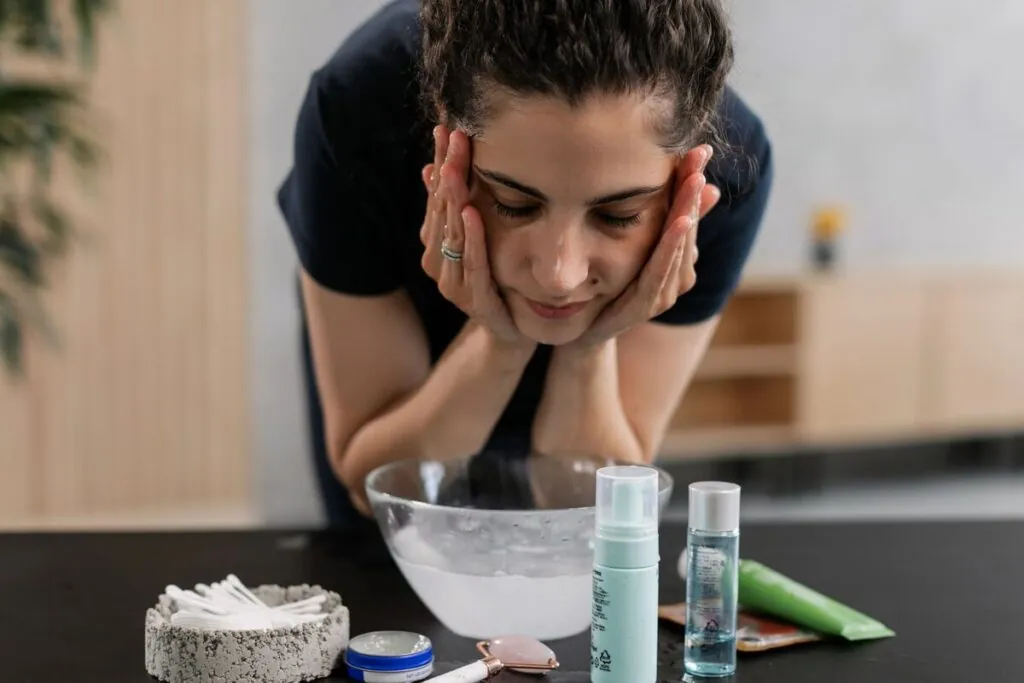
- Cleanse gently, twice a day. Use a mild, non-stripping cleanser and lukewarm water. Over-washing and harsh scrubs irritate acne-prone skin and make treatments harder to tolerate. Our guide to the best face wash for women in India can help you pick one for your skin type.
- Apply your treatment as directed. A thin layer over the whole acne-prone area, not just on visible spots, because it is meant to stop new ones forming.
- Moisturise with an oil-free, Non-comedogenicA label meaning a product is formulated not to clog pores. Useful for acne-prone skin, though it is not a regulated or guaranteed claim.See glossaryRead the guide product. A light gel or lotion offsets treatment dryness. If your skin stings easily, see our picks for moisturisers for sensitive skin.
- Wear sunscreen every morning. A Broad spectrumA sunscreen label meaning it protects against both UVB rays (which cause burning) and UVA rays (which cause tanning and ageing).See glossaryRead the guide, non-greasy formula stops marks darkening.
- Do not pick, pop or squeeze. It pushes inflammation deeper and is one of the biggest causes of dark marks and scars.
In Indian heat, wash after heavy sweating, change pillow covers often and keep hair oil off your hairline. For more on building a basic routine, read our cleanser, toner and moisturiser guide.
Does Diet Affect Acne?
The evidence is limited and mostly observational, so treat diet as a possible helper, not a cure. Some studies link diets high in sugar and refined carbohydrates (high glycaemic load) with more acne, and some link milk, particularly skimmed milk, with acne in certain people. Whey protein supplements have been linked to breakouts in case reports. The evidence on chocolate and oily food is weak.
A reasonable approach: eat a balanced diet with plenty of vegetables, dal, whole grains and fruit, cut back on sugary drinks and sweets, and if you suspect dairy or whey, try reducing it for a couple of months and see if anything changes. Never drop prescribed treatment for diet changes.
Common Mistakes That Slow Acne Treatment
- Switching products every two weeks. Most treatments need at least 6–12 weeks before you can judge them.
- Using too many actives at once. Layering acids, retinoids and benzoyl peroxide without advice often leads to a damaged, irritated skin barrier.
- Using steroid creams on pimples. Over-the-counter combination creams that contain steroids can cause steroid acne and other side effects. Use them only if a doctor prescribes them.
- Stopping once skin clears. Acne often returns without maintenance; ask your dermatologist how to taper rather than stopping suddenly.
- Applying toothpaste, lemon or raw garlic. These can burn the skin and leave darker marks.
When to See a Dermatologist
See a dermatologist sooner rather than later if any of these apply to you:
- You have painful nodules or cysts.
- Your acne is leaving scars or pitted marks.
- There is no real improvement after about 3 months of consistent over-the-counter care.
- You have sudden adult acne along with irregular periods, excess facial or body hair, or hair thinning.
- Acne started after a new medicine, supplement or steroid cream.
- Your bumps are itchy and uniform, suggesting fungal acne.
- Acne is affecting your confidence, mood or daily life.
Ask what type of acne you have, when to review the treatment, and which side effects to expect.
Frequently Asked Questions
Most treatments take about 6 to 12 weeks to show clear improvement and 3 to 6 months to reach their full effect. Mild acne often responds faster than moderate or cystic acne. Give any treatment at least two to three months of consistent use before deciding it has failed, unless you get severe side effects.
Yes. Purging from retinoids or exfoliating acids usually settles within about 4 to 6 weeks. If pimples appear in new areas, are itchy or keep getting worse beyond six to eight weeks, it is more likely a reaction, so speak to your dermatologist.
Flat dark marks (PIH) on Indian skin often take 6 to 12 months to fade, and deeper ones can take longer. Daily sunscreen, not picking, and dermatologist-advised ingredients such as azelaic acid or retinoids can help them fade faster. Indented or raised scars do not fade on their own and need procedures.
You cannot reliably clear a pimple overnight. A hydrocolloid pimple patch can help protect a surface spot and stop you from picking it. For a painful cyst before a big event, a dermatologist can sometimes treat it in clinic, which is far safer than squeezing.
It can, especially if hormones or genetics are driving it. That is why dermatologists usually continue a maintenance treatment, often a topical retinoid, after the skin clears. Some people have long-lasting clearance after isotretinoin, but even then results vary.
Some treatments are not safe in pregnancy, including isotretinoin, oral tetracycline antibiotics and, as a precaution, topical retinoids. Doctors may suggest gentler options such as azelaic acid. Always check with your doctor before using any acne product while pregnant, trying to conceive or breastfeeding.
Quick poll
How much do you usually spend on one beauty product?
The Bottom Line
Acne treatment is a slow process: plan on two to three months to see real change and longer for marks to fade. Pick a treatment that matches your acne type, use it consistently, support it with a gentle cleanser, light moisturiser and daily sunscreen, and keep your hands off your face. If you have cysts, scarring or no progress after three months, a dermatologist can get you on the right plan much faster than trial and error.