Top 5 Benefits of Exercise in India (and How to Start) (2026)
Exercise protects your heart, lowers stress, boosts energy, improves sleep and keeps muscles strong. Here is how much you need and how to train safely in India.


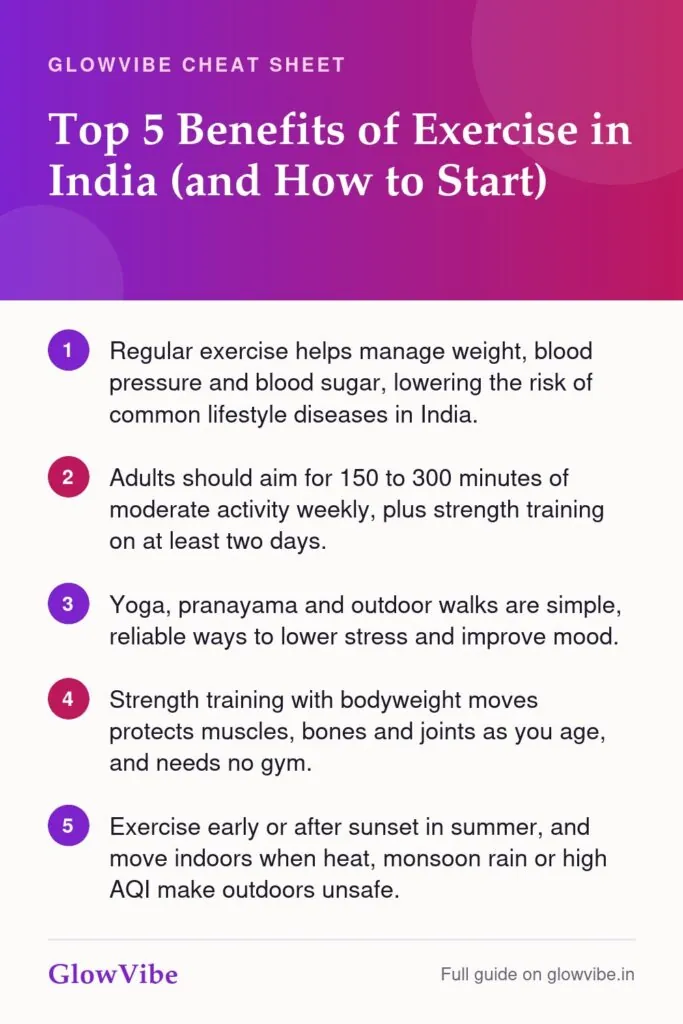
The biggest benefits of exercise are a healthier heart and blood sugar, a calmer and sharper mind, more daily energy, better sleep, and stronger muscles and bones as you age. For most adults in India, about 150 minutes of brisk activity a week plus two short strength sessions is enough to start feeling the difference.
That target sounds bigger than it is: 30 minutes, five days a week. This guide explains what each benefit actually means for you, how much movement you need, and how to exercise safely in Indian heat, humidity and city pollution.
The top 5 benefits of exercise at a glance
- Better heart and metabolic health: helps manage weight, blood pressure and blood sugar.
- Lower stress and better mood: movement is one of the most reliable everyday stress relievers.
- More energy and focus: you feel less sluggish through long workdays and study hours.
- Deeper sleep: regular activity makes it easier to fall asleep and wake up rested.
- Stronger muscles, bones and joints: keeps you mobile and independent as you get older.
A bonus sixth benefit that is very Indian: exercise is social. Morning walking groups, park yoga sessions and weekend cricket keep people moving because they enjoy the company.
Which type of exercise gives which benefit?
| Benefit | Best types of exercise | Easy way to start |
|---|---|---|
| Heart and blood sugar | Brisk walking, cycling, jogging, swimming, dancing | 30-minute brisk walk, 5 days a week |
| Stress and mood | Walking outdoors, yoga, pranayama, any activity you enjoy | 15 minutes of yoga or a walk after work |
| Energy and focus | Short cardio bursts, stair climbing, active breaks | 5-minute movement break every hour at your desk |
| Sleep | Moderate daytime activity, gentle evening stretching | Finish hard workouts 2–3 hours before bed |
| Muscles, bones, joints | Bodyweight training, weights, resistance bands, Surya Namaskar | Squats, push-ups and planks twice a week |
1. Better heart health, weight and blood sugar control
Lifestyle conditions such as type 2 diabetes, high blood pressure and heart disease are common in India, and they often appear at a younger age than people expect. Regular exercise is one of the most effective habits for lowering your risk, alongside a balanced diet and not smoking.
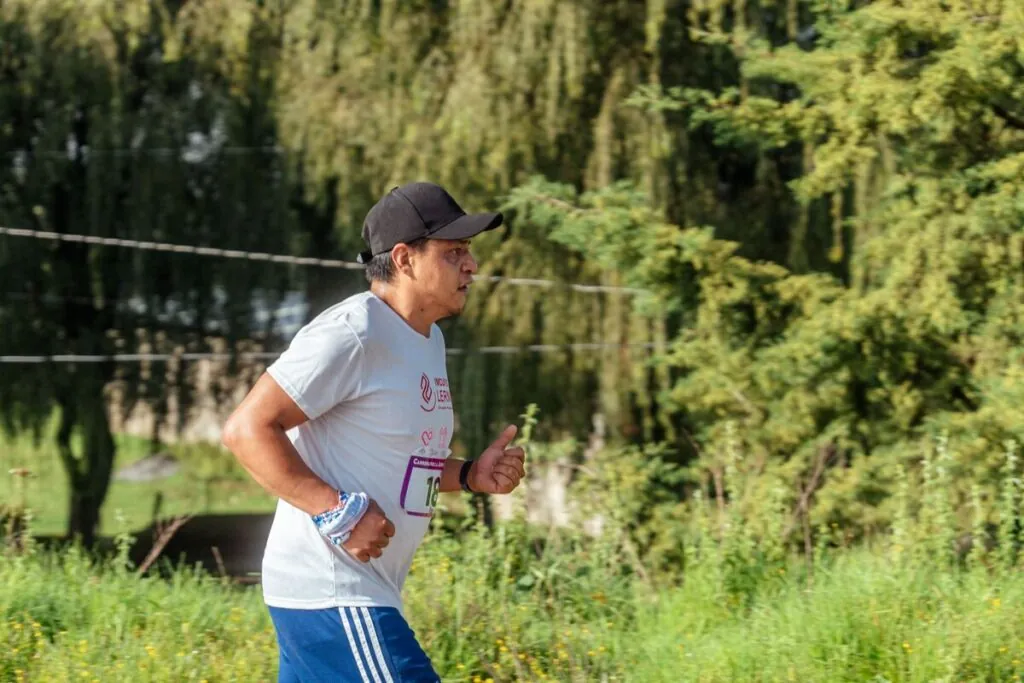
When you move, your muscles use glucose for fuel, which helps your body handle blood sugar better. Cardio also trains your heart to pump more efficiently, and over weeks it can help bring resting heart rate and blood pressure down.
Weight is part of the picture, but not the whole story. Even if the scale moves slowly, a fitter body tends to carry less fat around the waist, which matters for metabolic health. If weight loss is your main goal, our guide to the best exercises for weight loss shows which workouts burn the most energy.
- Good options: brisk walking, cycling, swimming, skipping, dance classes, badminton.
- Talk test: at a moderate pace you can talk but not sing; at a vigorous pace you can only say a few words.
2. Lower stress and better mental well-being
Exam pressure, long commutes and demanding jobs take a toll. Physical activity releases endorphins and other feel-good brain chemicals, and many people notice they feel calmer and less anxious after even a short session.
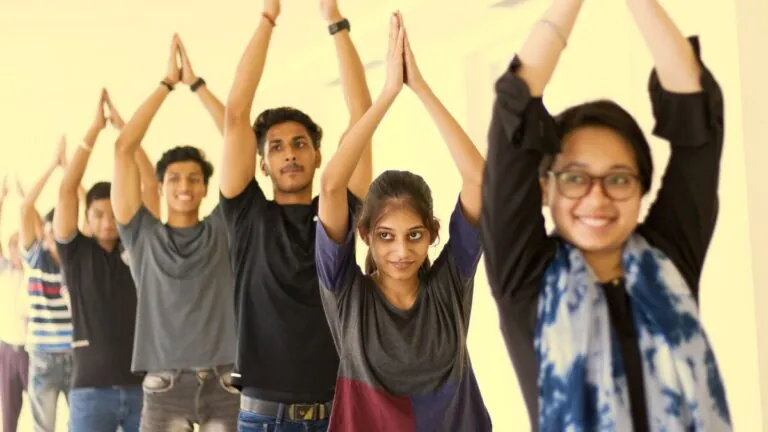
Yoga and pranayama are especially useful here because they pair movement with slow, controlled breathing. That combination helps you switch out of “rush” mode. Students can read more in our piece on the importance of yoga for students.
Exercise supports mental health, but it is not a replacement for care. If low mood, anxiety or sleeplessness lasts more than a couple of weeks or affects daily life, speak to a doctor or a mental health professional.
3. More energy, focus and productivity
It sounds backwards, but spending energy on exercise gives you more of it. Regular activity improves your stamina and circulation, so everyday tasks like climbing stairs or carrying groceries take less effort.
Many people also find their concentration is sharper on days they move. If you sit at a desk for hours, short breaks help a lot: stand up, walk to the water cooler, do ten squats or climb a flight of stairs every hour.
Short on time? An interval training plan for beginners packs an effective workout into 20 minutes, which suits busy weekday mornings.
4. Deeper, more restful sleep
Poor sleep is a quiet problem for many city dwellers, thanks to late screens, noise and irregular shifts. Regular physical activity helps you fall asleep faster and sleep more deeply, and better sleep in turn makes it easier to stay consistent with exercise.
Timing matters for some people. A hard workout late at night can leave you wired, so try to finish intense sessions two to three hours before bed. Gentle stretching or a slow evening walk after dinner is fine and can even help you wind down.
5. Stronger muscles, bones and joints as you age
From your 30s onwards, you slowly lose muscle and bone density unless you use them. Strength training slows that decline, protects your joints and improves balance, which lowers the risk of falls later in life.
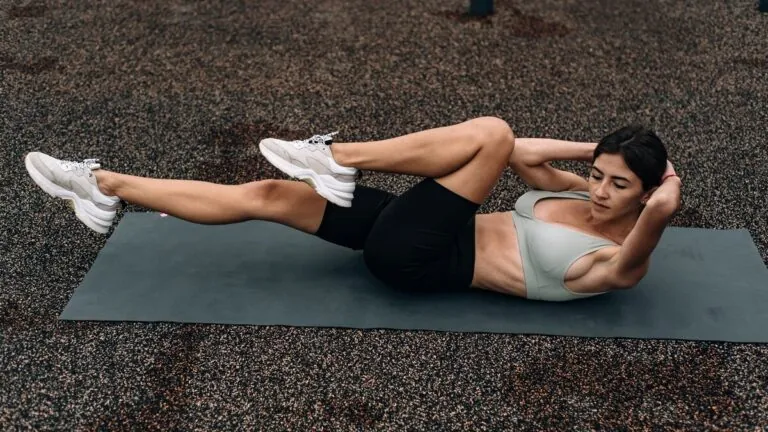
You do not need a gym. Bodyweight moves such as squats, lunges, wall push-ups and planks work well at home, and our core exercise routine at home is an easy place to begin. Women in particular benefit from strength work, as bone loss speeds up after menopause.
Muscle needs fuel to rebuild. Many Indian vegetarian diets run low on protein, so add dal, paneer, curd, eggs, soya or sprouts to your meals. Our list of protein-rich foods has more ideas.
Bonus: exercise is part of Indian tradition and community
India gave the world yoga, and practices like Surya Namaskar and pranayama are still part of daily life in many homes. A round of Surya Namaskar works your whole body, builds flexibility and links each movement to your breath.
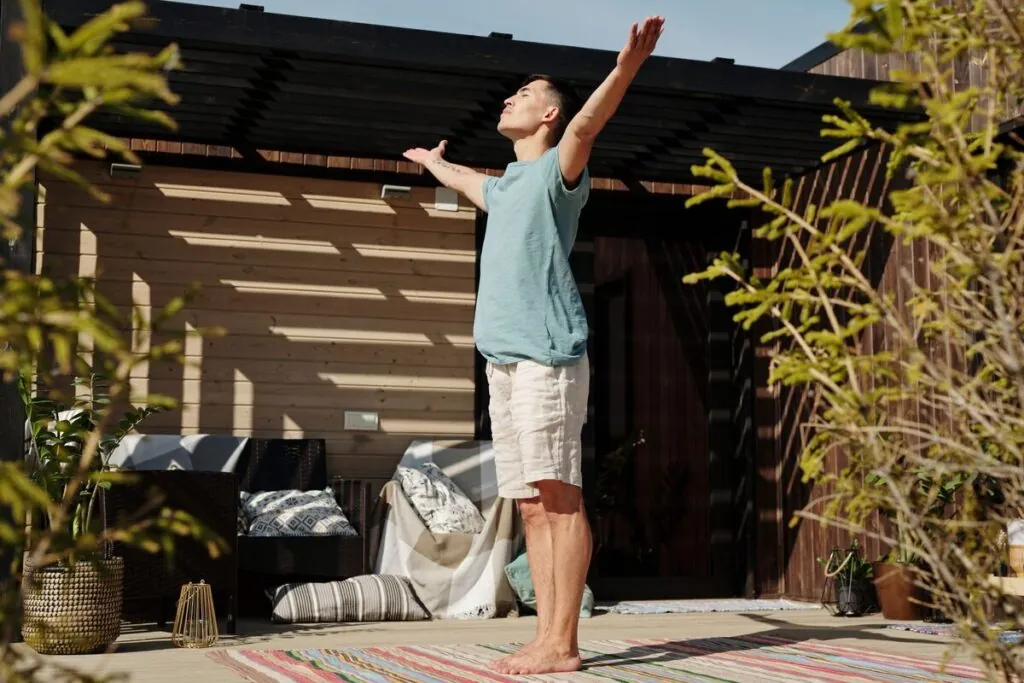
Exercise in India is also social. Laughter clubs and walking groups in local parks, society yoga classes and gully cricket give you a reason to show up. Working out with others is one of the simplest ways to stay consistent, and it eases the loneliness many people feel in big cities.
How much exercise do you actually need?
The World Health Organization’s guidelines are a good benchmark. You do not have to hit them on day one; any movement is better than none, and you can build up over a few weeks.
- Adults (18–64): 150–300 minutes of moderate activity a week, or 75–150 minutes of vigorous activity, plus muscle-strengthening on at least 2 days.
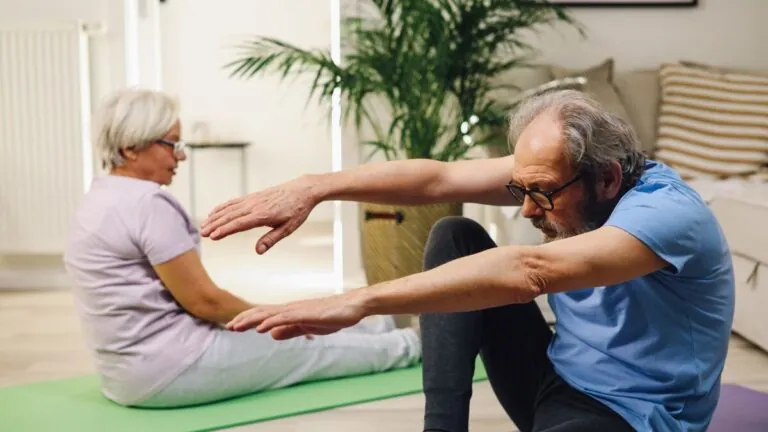
- Older adults (65+): the same, plus balance and strength work on 3 or more days to prevent falls.
- Children and teens (5–17): an average of 60 minutes of moderate to vigorous activity a day, including play and sport.
How to exercise safely in the Indian climate
Heat and humidity
In summer, train early in the morning or after sunset. Drink water before and after your session, and add a pinch of salt or have nimbu pani or coconut water if you sweat heavily. Stop and rest in the shade if you feel dizzy, nauseous or develop a headache.
Pollution and smog
In cities like Delhi, check the AQI before heading out, especially in winter. On high-pollution days, move your workout indoors with yoga, bodyweight circuits or a home cardio session. Pollution also affects your skin, so our winter smog skincare guide is worth a read if you train outdoors.
Monsoon
Wet roads and waterlogging make outdoor runs risky. Use the season for indoor options: skipping, stair climbing in your building, dance workouts or yoga. Change out of damp clothes quickly to avoid fungal skin infections.
A simple weekly plan to get started
- Monday: 30-minute brisk walk.
- Tuesday: 20 minutes of bodyweight strength (squats, lunges, push-ups, planks).
- Wednesday: 30 minutes of yoga, including a few rounds of Surya Namaskar.
- Thursday: 30-minute brisk walk or cycle.
- Friday: 20 minutes of strength training.
- Saturday: something fun: a sport, swim, dance class or long walk with friends.
- Sunday: rest, or a gentle stretch.
Warm up for 5 minutes before each session and cool down with light stretching afterwards. Once this feels easy, add 5–10 minutes or a little more intensity each week.
Common mistakes that hold people back
- Doing too much too soon: going from zero to daily hour-long workouts leads to soreness, injury and quitting.
- Only doing cardio: walking is great, but skipping strength work means missing out on muscle and bone benefits.
- Exercising to “earn” junk food: you cannot out-train a poor diet; food and movement work together.
- Ignoring rest and sleep: muscles get stronger during recovery, not during the workout itself.
- Working out in peak heat or smog: choose cooler hours and indoor sessions when conditions are poor.
- Skipping a check-up: if you have diabetes, heart disease, high blood pressure, joint problems or are pregnant, talk to your doctor before starting a new routine.
Frequently Asked Questions
Regular exercise improves heart health, helps manage weight and blood sugar, lowers stress, boosts energy and supports better sleep. Strength training also keeps your muscles, bones and joints strong as you age.
Early morning or evening after sunset is best for most people because it is cooler, especially in summer. In smoggy winter months, check the AQI first, since pollution can be high in early mornings; exercise indoors when it is poor. The best time is ultimately the one you can stick to.
Yoga builds flexibility, balance, strength and calm, and dynamic styles with Surya Namaskar can raise your heart rate too. For all-round fitness, most people do well combining it with some brisk walking or other cardio and a couple of strength sessions each week.
Aim for at least 30 minutes on five days a week, with strength training on two of them. Many people notice better mood and sleep within a couple of weeks, while changes in fitness and body shape usually take a few months of consistency.
Yes. Brisk walking, yoga, skipping, stair climbing and bodyweight exercises need little or no equipment. Many public parks in Indian cities also have walking tracks and free open-air gyms.
Yes, people of every age benefit. Children build stronger bones and muscles through active play and sport, and older adults gain mobility, balance and independence. Older adults or anyone with a health condition should check with a doctor and start gently.
Exercise boosts circulation, which is why you look flushed and fresh after a workout, and better sleep and lower stress can show on your skin too. Wash your face and change out of sweaty clothes soon after training to help prevent breakouts.
The bottom line
Exercise protects your heart, steadies your mood, lifts your energy, improves sleep and keeps your body strong for decades. You do not need expensive equipment or hours every day: a brisk walk, a few rounds of Surya Namaskar and two short strength sessions a week are a solid start. Pick the activity you enjoy, plan around the heat and smog, and build up slowly.