
Winter Smog Skincare Guide: City-by-City Plan for India (2026)
A city-by-city winter smog skincare plan for India, with an AQI-to-skincare action chart, a daily routine, hair care tips and the habits that protect your skin.

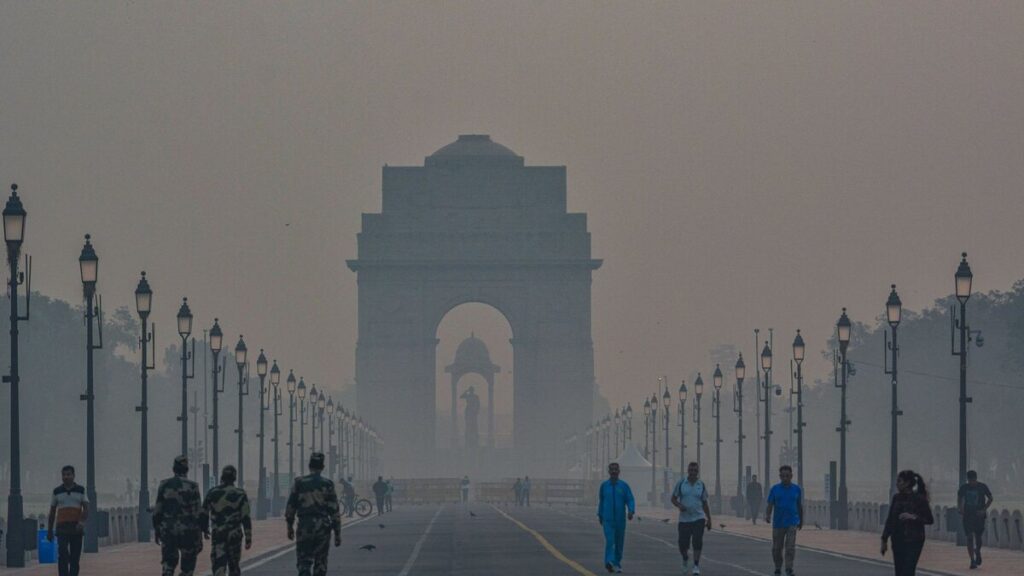
Winter smog does not hit every Indian city the same way, so your skincare should not be the same either. A Delhi winter means thick smog and dry, cold air; Mumbai and Chennai get haze with humidity; Bengaluru and Hyderabad get milder air but sharp dryness. This guide gives you a city-by-city winter smog skincare plan, an AQI-to-skincare action chart you can use every morning, and a simple routine that protects your skin barrier through the smog season.
Bookmark it for November to February, and check your city’s live AQI before you step out.
Why winter smog is hard on your skin
Across north and east India, winter brings cooler, still air and frequent temperature inversions, which trap smoke, dust and vehicle exhaust close to the ground. Add crop-residue burning, festival firecrackers and heating fires, and fine particles (PM2.5) build up for weeks at a time.
For skin, the main problem is oxidative stress: pollutants generate free radicals that inflame the skin and break down its supporting proteins. A 2025 systematic review and meta-analysis found a consistent link between long-term PM2.5 exposure and pigmentation-related skin ageing (dark spots, uneven tone), while evidence for wrinkles was weaker. The researchers call the evidence early and low-certainty, so treat pollution as one more reason to protect your skin, not a cause for panic.
In practice, smog season usually shows up on Indian skin as:
- Dullness and a grey cast from soot and oil sitting on the skin.
- Tightness, flaking and itching, especially where smog meets cold, dry air and room heaters.
- Breakouts and clogged pores when grime and heavy creams combine.
- Stubborn dark spots that seem to deepen through the season.
- Itchy, flaky scalp and dry, smoky-smelling hair.
How bad is winter air in Indian cities?
The Centre for Science and Environment (CSE) analysed winter air in six megacities from October 2024 to January 2025. Its findings: Delhi was the most polluted, with a winter-average PM2.5 of about 151 µg/m³ — roughly two and a half times India’s 24-hour standard of 60 µg/m³. Kolkata and Mumbai followed, while winter pollution was rising fastest in Bengaluru and Chennai. In other words, smog-season skincare is no longer just a Delhi problem.
Air quality changes daily, so always check the live number on the CPCB Sameer app or the CPCB AQI dashboard, then use the action chart below.
AQI to skincare: what to do at each level
India’s National Air Quality Index uses six bands. Here is how to adjust your skin and hair care to each one.
| AQI (CPCB band) | Morning | Outdoors | Evening |
|---|---|---|---|
| 0–100 (Good / Satisfactory) | Normal routine: gentle cleanse, moisturiser, sunscreen | No changes needed | Single gentle cleanse is enough |
| 101–200 (Moderate) | Add an antioxidant serum (vitamin C or niacinamide) | Sunscreen every day, even when hazy | Double cleanse if you wore sunscreen or makeup |
| 201–300 (Poor) | Antioxidant serum + barrier moisturiser + sunscreen | Limit long outdoor exercise; cover hair | Always double cleanse; barrier cream at night |
| 301–400 (Very Poor) | Same as Poor; keep makeup light | Wear a well-fitted N95 mask; cover hair with a scarf or cap | Double cleanse, wash or rinse hair, rich moisturiser |
| 401–500 (Severe) | Minimal routine; skip strong actives (retinoids, acids) | Stay indoors where possible; N95 mask if you go out | Gentle double cleanse, soothing barrier cream, no exfoliation |
Health comes first: at Poor and above, CPCB advises that prolonged exposure can cause breathing discomfort, and at Severe even healthy people can be affected. Skincare is the small part of the picture — follow local health advisories too.
City-by-city winter smog skincare guide
Pollution and weather together decide what your skin needs. Use this table to find your city, then read its section below.
| City / region | Winter air | Winter weather | Main skin problem | Key change |
|---|---|---|---|---|
| Delhi NCR | Worst in India; long smog spells | Cold, dry, heaters indoors | Dryness + dullness + pigmentation | Double cleanse + rich barrier cream |
| Lucknow, Kanpur, Patna (Indo-Gangetic plains) | Often Poor to Severe | Cold, foggy, dry indoors | Dryness, itchy scalp | Barrier repair + hair covering |
| Chandigarh, Punjab and Haryana cities | Smoke spikes in Oct–Nov | Cold and dry | Tightness, flaking | Occlusive night layer |
| Kolkata | Among the most polluted megacities in winter | Mild, moderately humid | Dullness, clogged pores | Light gel moisturiser + double cleanse |
| Mumbai | Hazy winters, worsening dust and construction | Warm, humid | Oiliness + breakouts + tan | Oil cleanser + non-comedogenic products |
| Ahmedabad | Dusty, Moderate to Poor days | Dry days, cool nights | Dryness + dust buildup | Gentle evening cleanse + sunscreen |
| Pune | Moderate, rising traffic pollution | Cool, dry mornings | Mild dryness | Hydrating serum + sunscreen |
| Hyderabad | Moderate, worse near traffic corridors | Dry, pleasant days | Dehydration, dullness | Hydrating layers + antioxidant |
| Bengaluru | Cleaner, but worsening fast | Cool and dry | Dehydration, sensitivity | Barrier-friendly basics + SPF |
| Chennai | Cleaner, but worsening fast | Warm, humid, northeast monsoon | Sweat + grime, breakouts | Gel textures + thorough cleansing |
Delhi NCR: smog plus dry cold
Delhi, Noida, Gurugram, Ghaziabad and Faridabad face the double hit of heavy smog and dry winter air, made worse by heaters and hot showers. Your skin needs thorough cleansing and serious moisture.
- Evening: cleansing oil or balm first, then a mild, non-foaming cleanser.
- Morning: vitamin C or niacinamide serum, a ceramide moisturiser and SPF 30+.
- Night: a thicker barrier cream; seal very dry patches with a thin layer of petroleum jelly.
- Extra: keep showers lukewarm and short, and place a bowl of water or a humidifier near the heater.
Lucknow, Kanpur, Patna and the Indo-Gangetic plains
Cities across Uttar Pradesh and Bihar often see Poor to Severe days alongside dense fog. Follow the Delhi routine, and pay extra attention to the scalp: cover your hair outdoors, wash it two or three times a week with a gentle shampoo, and always use conditioner on the lengths.
Chandigarh, Punjab and Haryana
Smoke spikes around October and November, then cold, dry air takes over. Focus on barrier repair: a ceramide or shea moisturiser on damp skin, a lip balm with SPF in the day and a richer one at night, and hand cream after every wash.
Kolkata: haze with some humidity
Kolkata ranks among India’s most polluted megacities in winter, but the air is milder and more humid than Delhi’s. Heavy creams can clog pores here. Double cleanse at night, use a light gel-cream moisturiser, and keep a niacinamide serum for oil control and even tone.
Mumbai: humid haze, dust and sweat
Mumbai’s winters stay warm and humid, while construction dust and traffic keep the haze up. Sweat, sunscreen and grime mix on the skin, so cleansing matters most. A light oil cleanser for oily skin followed by a gentle gel face wash removes sunscreen without stripping. Choose non-comedogenic, gel-based moisturisers, and reapply sunscreen if you are outdoors for long.
Ahmedabad and Pune: dust and dry days
Expect dusty, dry days and cool nights. Cleanse every evening to remove dust, use a hydrating serum (glycerin or hyaluronic acid) under your moisturiser, and never skip sunscreen — the winter sun is still strong in western India.
Hyderabad and Bengaluru: dryness is the bigger issue
Air here is usually cleaner than in the north, though CSE found Bengaluru’s winter pollution rising quickly. The cool, dry weather causes dehydration and sensitivity. Keep the routine simple: gentle cleanser, hydrating serum, barrier moisturiser and SPF. Add an antioxidant serum on hazy or high-traffic days.
Chennai: humid, with rising pollution
Chennai’s winter overlaps the northeast monsoon, so skin deals with humidity, sweat and grime. Use gel textures, cleanse thoroughly in the evening, and treat sunscreen as non-negotiable. If you get body breakouts from sweat, shower soon after commuting.
The smog-season skincare routine (works in every city)
Morning
- Rinse or gentle cleanse with lukewarm water.
- Antioxidant serum: vitamin C, niacinamide or both (introduce one at a time).
- Moisturiser: gel-cream for oily or humid cities, ceramide cream for dry ones.
- Sunscreen SPF 30+, even on grey, hazy days.
Evening
- First cleanse: cleansing oil, balm or micellar water to lift sunscreen, makeup and soot.
- Second cleanse: a mild, low-foam face wash.
- Treatment (optional): retinoid or exfoliating acid only on clean-air nights and only if your skin is calm.
- Barrier cream: ceramides, glycerin, shea butter or squalane.
For a fuller winter routine for dry skin, see our winter skincare routine for dry skin in India. If your skin is already stressed after festival smoke, start with the recovery steps in our after-Diwali skin and hair repair guide.
Protecting your hair and scalp from smog
- Cover up with a scarf, dupatta or cap on high-AQI days.
- Wash two to three times a week with a gentle shampoo; massage the scalp, not the lengths.
- Always condition the mid-lengths and ends; winter air makes hair brittle.
- Oil the lengths, not a flaky scalp, and wash it out within a few hours — long oiling can trap grime and worsen dandruff.
- If flakes and hair fall increase, follow our winter hair fall and dandruff guide.
Habits that matter more than products
- Time your outdoor workouts. On Poor and worse days, move exercise indoors or to the least polluted time your local AQI shows.
- Keep indoor air cleaner: close windows during smog peaks and use an air purifier in the bedroom if you can.
- Drink water and eat colourful produce — amla, oranges, guava, carrots and leafy greens supply vitamin C and other antioxidants.
- Do not smoke, and avoid burning wood or waste indoors.
- Change pillowcases and wash masks or scarves often; they collect soot.
Common smog-season skincare mistakes
- Scrubbing harder to “remove pollution”. Harsh scrubs and frequent peels damage the barrier and let irritants in.
- Skipping sunscreen because the sky is grey. UV still reaches you through haze, and UV plus pollution worsens pigmentation.
- Very hot showers. They feel good in a north Indian winter but strip oils from skin and scalp.
- Too many new actives at once. Smog-stressed skin reacts more easily; add one product every two weeks and patch-test first.
- Sleeping in makeup or sunscreen. Always cleanse before bed.
When to see a dermatologist
See a dermatologist if you have red, itchy patches that keep coming back (possible eczema), skin that cracks or bleeds, sudden acne flares, or dark patches that spread despite sunscreen. Anyone with asthma, heart or lung conditions should follow a doctor’s advice on outdoor exposure during smog episodes.
Frequently asked questions
Does air pollution really damage skin?
Research links fine particle pollution to oxidative stress in the skin, and a 2025 meta-analysis found a consistent association between long-term PM2.5 exposure and pigmentation-related ageing. The evidence is still developing, but cleansing well, using antioxidants and wearing sunscreen are sensible, low-risk protection.
Is double cleansing necessary in winter?
On days with sunscreen, makeup or a Moderate-or-worse AQI, yes — an oil or balm cleanser removes oily soot and sunscreen that a single wash leaves behind. Keep the second cleanser mild so your skin does not dry out.
Which serum is best for pollution protection?
Antioxidant serums with vitamin C or niacinamide are the most practical choices. Vitamin C helps with dullness and spots; niacinamide supports the barrier and controls oil. If your skin is sensitive, start with niacinamide at a low strength.
Do I need sunscreen when the sky is hazy?
Yes. Haze blocks some visible light, but UV still reaches your skin, and pigmentation from UV and pollution adds up. Use SPF 30 or higher every morning.
Does wearing a mask cause breakouts?
Masks can trap sweat and oil. Wear a clean mask, keep makeup light under it, and cleanse your face when you get home. The breathing benefit of an N95 on bad-air days outweighs the skin nuisance.
How often should I wash my hair during smog season?
Two to three times a week suits most people. Wash sooner after a long day outdoors in heavy smog, and always follow with conditioner.
Your smog-season checklist
- Check AQI every morning and match your routine to the chart above.
- Antioxidant serum + moisturiser + SPF 30+ every day.
- Double cleanse every evening you have been outdoors.
- Barrier cream at night; extra occlusive in dry north Indian cities.
- Cover hair outdoors; wash two to three times a week and condition.
- No new harsh actives during Severe spells.
Sources: Central Pollution Control Board (CPCB) National Air Quality Index bands; Centre for Science and Environment winter megacity analysis (October 2024–January 2025); Tjiu & Lu, “Long-Term PM2.5 Exposure and Clinical Skin Aging”, Life (2025). Journalists, schools and bloggers are welcome to cite or share this guide with a link to GlowVibe.





Join the conversation