How to Make Thin Hair Look Thicker: Cuts, Styling and Care (2026)
Make thin hair look thicker with the right haircut, lightweight washing, upside-down blow-drying, volumising products and dimensional colour, plus when thinning needs a doctor.


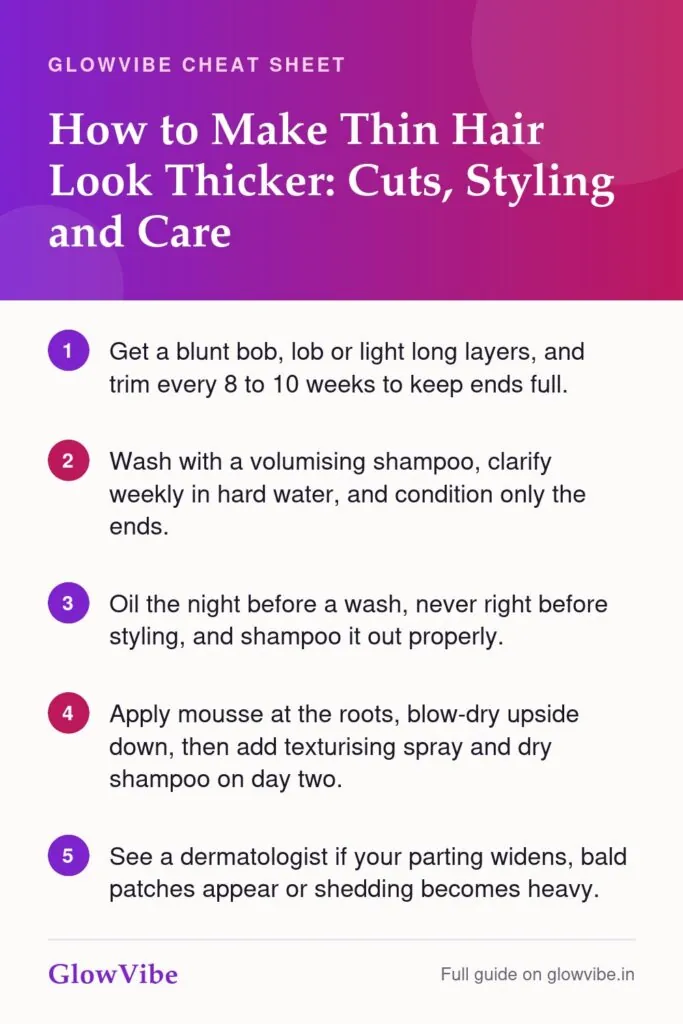
To make thin hair look thicker, start with a cut that keeps your ends blunt and full, wash with a lightweight volumising shampoo, and blow-dry your roots upside down before adding a light mousse or texturising spray. Dimensional colour, a smart parting and a few minutes with dry shampoo or Velcro rollers do the rest, without any heavy products weighing your hair flat.
This guide covers the whole picture: how to tell fine hair from thin hair, the haircuts that add volume, how to wash and style for lift in Indian humidity, and the habits that quietly make flat hair look flatter.
Quick answer: 8 ways to get volume in fine, flat hair
- Get a blunt cut – a bob, lob or light layers keep the ends looking dense.
- Clarify once a week to remove the residue that makes roots limp.
- Condition only the ends, never the scalp.
- Oil the night before a wash, not right before you style.
- Blow-dry upside down and finish with a round brush at the crown.
- Use mousse at the roots and texturising spray through the lengths.
- Keep dry shampoo handy for day-two lift.
- Add soft highlights so your hair has depth instead of one flat block of colour.
Fine hair vs thin hair: what is the difference?
People use these words as if they mean the same thing, but they describe two different features. Fine hair is about the width of each strand. If you roll a single hair between your fingers and can barely feel it, your strands are fine. Thin hair is about density, meaning how many strands grow per square centimetre of scalp.
You can have fine but dense hair (lots of slim strands that go flat easily), or coarse but thin hair (thick strands, but you can see your scalp at the parting). Knowing which one you have helps: fine hair needs lightweight products and lift, while low density benefits more from cutting and colour tricks.
When thinning needs a doctor, not a new shampoo
Styling can only make the hair you have look fuller. If your hair has become noticeably thinner over months, your parting is widening, you see round bald patches, or you are shedding far more than usual, see a dermatologist or trichologist. Common triggers include thyroid problems, low iron or vitamin D, PCOS, hormonal shifts after pregnancy or during menopause, stress and crash dieting.
Our guide to hair loss treatments in India explains the options doctors use, and our comparison of hair fall home remedies vs medical treatment shows what home care can and cannot do.
The best haircut for thin hair
The cut does more for volume than any product. Fine hair looks thickest when the ends are blunt and the weight sits where you want fullness. Heavy thinning with scissors or razors and very long, wispy layers remove the little bulk you have.
| Haircut | Why it adds volume | Best for | Ask your stylist for |
|---|---|---|---|
| Blunt bob | A solid, one-length line makes the ends look dense | Very fine or low-density hair, oval and heart faces | Chin to jaw length, blunt ends, no texturising |
| Lob (long bob) | Keeps length but removes the stringy ends that make hair look thin | Anyone nervous about going short | Collarbone length, blunt perimeter, optional soft face-framing |
| Light long layers | A few internal layers create movement and bounce without hollowing the hair out | Medium to long fine hair with decent density | Long layers starting below the chin, keep the bottom full |
| Curtain bangs | Frames the face and adds fullness at the front, where thinness shows most | Wide foreheads, receding hairline at the temples | Soft, cheekbone-length bangs that blend into the sides |
| Pixie with longer top | Short sides make the top look fuller by contrast | Very fine hair and confident short-hair lovers | Extra length on top for lift, tapered back |
Trim every 8 to 10 weeks. Fine ends split and thin out quickly, and the see-through look at the bottom is often what makes hair seem thinner than it is.
How to wash fine hair for maximum volume
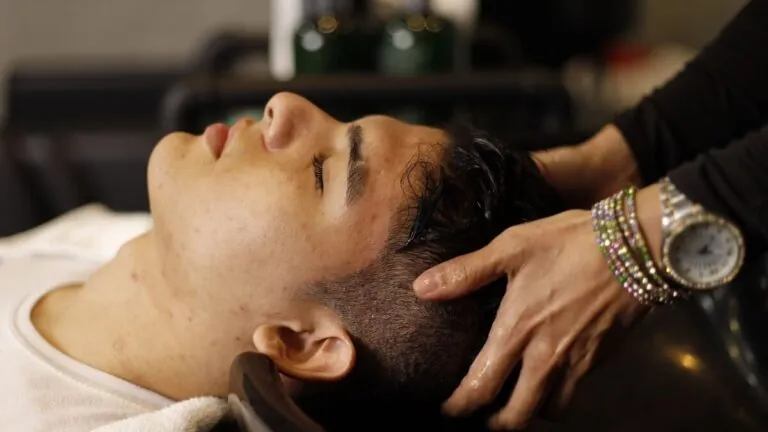
Volume starts in the shower. Fine strands pick up oil, sweat, pollution and product residue faster than thick hair, and every bit of that buildup weighs the roots down.
Pick a volumising shampoo for thin hair
Look for shampoos labelled volume, volumising or densifying, and skip anything marketed as “smoothing”, “rich repair” or “frizz control”, which usually leave a heavier film behind. Wash every one to three days depending on how oily your scalp gets. In humid months or if you sweat at the gym, washing more often is fine as long as the shampoo is gentle.
Clarify once a week, especially with hard water
Hard water, common in many Indian cities, leaves mineral deposits that make hair feel coated, dull and limp. Use a clarifying shampoo once a week (or every 10 days if your hair is coloured) to reset. A shower filter can help too.
Use a lightweight conditioner on the ends only
Your scalp makes its own oil, so the roots rarely need conditioner. Squeeze out excess water, apply a small amount of light conditioner from mid-length to the tips, leave it for a minute or two, and rinse well. Save rich masks for once a week on the ends.
Time your hair oiling
You do not have to give up champi. Just oil the night before (or a couple of hours before) a wash, use a light oil, and shampoo it out properly, twice if needed. Oiling right before styling, or leaving oil on for days, is the fastest way to get flat, greasy roots.
How to get volume in flat hair: styling steps
This routine takes about 15 minutes and works on fine, straight or slightly wavy hair. Always use a Heat protectantA spray, cream or serum applied before blow-drying, straightening or curling to reduce heat damage to the hair.See glossary before blow-drying.
- Towel-dry gently. Blot with a microfibre towel or cotton T-shirt; rubbing roughens fine strands.
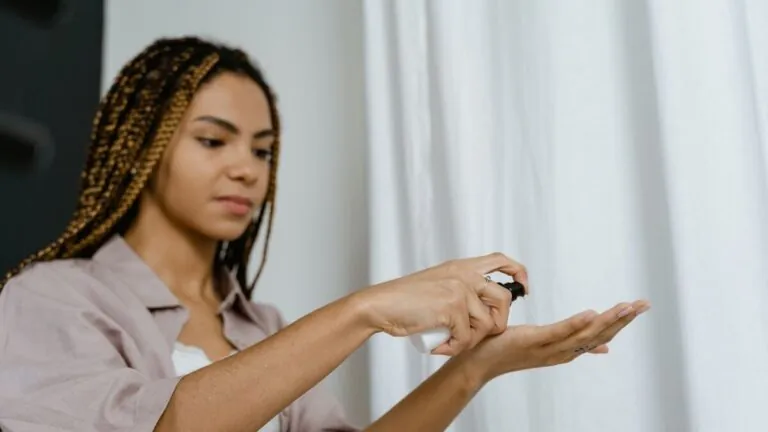
- Apply mousse at the roots. Use a golf-ball-sized amount of volumising mousse, or a root-lift spray, worked into the roots only.
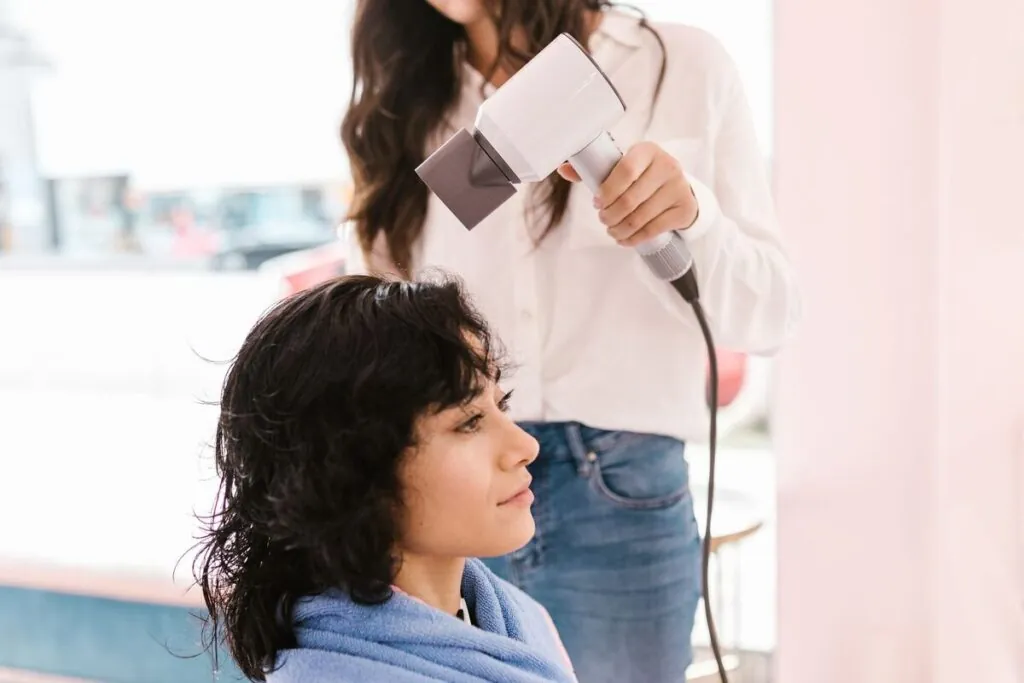
- Flip and blow-dry upside down. With your head down, rough-dry your hair to about 80% dry, pointing the airflow at the roots. This sets lift in place.
- Finish with a round brush. Take sections at the crown and front, lift them straight up from the scalp and dry with the nozzle pointing down the hair shaft for smoothness.
- Set with cool air or Velcro rollers. A cool shot locks the shape. For extra bounce, wrap the crown and front sections around large Velcro rollers while warm and leave them for 10 minutes while you do your makeup.
- Add texture. Mist texturising spray through the mid-lengths and scrunch. It gives fine hair grip and a fuller, slightly undone look.
- Change your parting. Flip your usual parting to the other side or try a slightly off-centre one. Hair that has lain one way for years lifts more when moved.
On day two, spray dry shampoo at the roots before your hair gets greasy, wait a minute, then massage and brush through. It absorbs oil and adds grip at the same time. Our dry shampoo guide explains how to use it on oily Indian scalps without white residue.
Products that help thin hair look thicker
You do not need a shelf full of products. One good shampoo, a light conditioner, a root product and a dry shampoo cover most needs. These are well-known options sold widely in India through salons, pharmacies and beauty sites.
| Product | Type | What it does | Price range |
|---|---|---|---|
| L’Oréal Professionnel Serie Expert Volumetry Shampoo | Volumising shampoo | Cleans without leaving fine hair heavy; a salon favourite for limp hair | Mid-range |
| Kérastase Densifique Bain Densité | Densifying shampoo | Made for hair that is losing density; leaves strands feeling fuller | Premium |
| Redken Volume Injection Shampoo | Volumising shampoo | Lightweight cleanse for fine, flat hair | Premium |
| Batiste Dry Shampoo | Dry shampoo | Absorbs oil at the roots and adds instant texture | Budget to mid-range |
| Bblunt Back to Life Dry Shampoo | Dry shampoo | Indian-made option that refreshes oily roots between washes | Budget to mid-range |
What to look for on the label
- Good signs: “volume”, “lightweight”, “for fine hair”, proteins such as KeratinThe protein that hair is made of. "Keratin treatments" are salon smoothing services, and some contain formaldehyde-releasing chemicals.See glossary or wheat protein that coat and swell the strand slightly.
- Use with care: heavy butters, thick SiliconesIngredients like dimethicone that coat hair (and skin) for slip, shine and frizz control. Heavier ones can build up and need a clarifying wash.See glossaryRead the guide and rich oils near the roots.
- Patch-test first if you have a sensitive scalp: apply a little behind the ear and wait 24 to 48 hours.
Prefer gentler, plant-based formulas? Our round-up of the best organic hair care products for fine hair covers lighter natural options.
Colour tricks that make hair look fuller
A single flat shade, especially very dark black, can make the scalp show through more at the parting. Dimensional colour, meaning soft highlights or lowlights a shade or two lighter than your base, creates light and shadow that the eye reads as depth and volume. Babylights, a soft balayage or caramel and chocolate-brown tones work beautifully on Indian hair.
- Keep lightening subtle. Heavy bleaching damages fine strands and causes breakage, which makes hair look thinner.
- Colour can slightly swell the hair cuticle, which many people find adds a bit of body.
- Always do a Patch testTrying a small amount of a new product behind the ear or on the inner arm for a few days to check for a reaction before using it widely.See glossary 48 hours before any dye, even a brand you have used before.
- A root touch-up powder or spray in your shade can disguise a wide parting on the day of an event.
For shade ideas that suit Indian skin tones, see our guide to the best hair colour for women. If your salon uses L’Oréal INOA, our INOA shade guide explains what the numbers mean.
Hairstyles that add fullness to fine hair
- Soft waves: Loose waves made with a 25 to 32 mm curling tong or a braid-out add width instantly. Brush them out lightly for a fuller look.
- Half-up, half-down: Lift the crown section, tease it gently at the root and pin it. You get height on top and length below.
- Loose, pancaked braids: Braid loosely, then gently pull the edges of each section outward to make the braid look twice as thick.
- Messy low bun: Texturise first, twist loosely and pin. Pull a few face-framing pieces out.
- Bouncy blowout: The Velcro roller method above gives a 90s-style blowout with lots of body at the crown.
Find more everyday looks in our best hairstyles for women guide.
Volume for fine hair in Indian weather
Humidity and monsoon: Moist air makes fine hair collapse or frizz. Use a light anti-humidity spray on the lengths and carry dry shampoo. Heat and sweat: Summer sweat flattens roots quickly; wash more often with a gentle shampoo and rely on texture spray rather than heavy creams. Hard water: Clarify weekly and consider a shower filter. Pollution: Dust and smoke cling to fine hair and dull it, so rinse well after long commutes.
What to avoid if your hair is fine or thin
- Tight ponytails, buns and braids every day. Constant pulling stresses the roots and can cause traction hair loss along the hairline. Use soft scrunchies and vary your style.
- Heavy serums or oils at the roots. Keep serum to a drop on the ends only.
- Daily high-heat straightening. It flattens hair and causes breakage. Keep tools below about 180°C and always use protectant.
- Brushing wet hair roughly. Fine wet hair snaps easily; detangle with a wide-tooth comb from the ends up.
- Too much product. More mousse does not mean more volume. Start small and add.
- Harsh, repeated backcombing. Light teasing at the crown is fine occasionally; aggressive teasing every day damages the cuticle.
Frequently Asked Questions
Spray dry shampoo or texturising spray at the roots, flip your parting to the other side and give your crown a quick blast of hot air while lifting with your fingers. Loose waves or a half-up style also add instant fullness.
A blunt bob or lob is usually the most flattering haircut for thin hair because the solid ends look dense. If you want to keep length, ask for a few long layers with a blunt bottom line, and consider curtain bangs to add fullness at the front.
It will not grow new hair, but it helps. Volumising shampoos clean well and leave little residue, so fine strands stay light and lift more easily. Pair one with a lightweight conditioner on the ends for the best result.
No, but change the timing. Oil the night before a wash with a light oil and shampoo it out thoroughly. Avoid oiling right before styling or leaving oil in for several days, as it flattens fine roots.
Strand width is largely genetic, so products cannot change it permanently. A balanced diet with enough protein and iron, gentle handling and regular trims keep the hair you have healthy and full-looking. If you are losing density, a dermatologist can check for treatable causes.
See a dermatologist or trichologist if you notice a widening parting, bald patches, sudden heavy shedding, or thinning along with tiredness, irregular periods or weight changes. These can point to thyroid, iron, hormonal or other issues that need proper diagnosis.
Occasional use between washes is fine, but it does not clean your scalp. Using it daily for many days without washing can cause buildup and itching, so wash and clarify regularly.
Quick poll
How often do you wash your hair?
Thicker-looking hair starts with small changes
You do not need a complicated routine to make thin hair look thicker. Get a blunt, well-shaped cut, keep your roots clean and light, condition only the ends, and spend a few minutes on upside-down blow-drying and a little texture spray. Add soft highlights if you like colour, and go easy on tight styles and heavy serums.
Try two or three of these changes this week and notice which ones make the biggest difference for your hair. And if thinning keeps getting worse, book a visit with a dermatologist so you can treat the cause, not only the look.