Hair Care Tips for Women: 15 Habits for Healthy Indian Hair (2026)
15 practical hair care tips for women in India, with a weekly hair care routine, routines by hair type, myths vs facts and signs that hair fall needs a doctor.


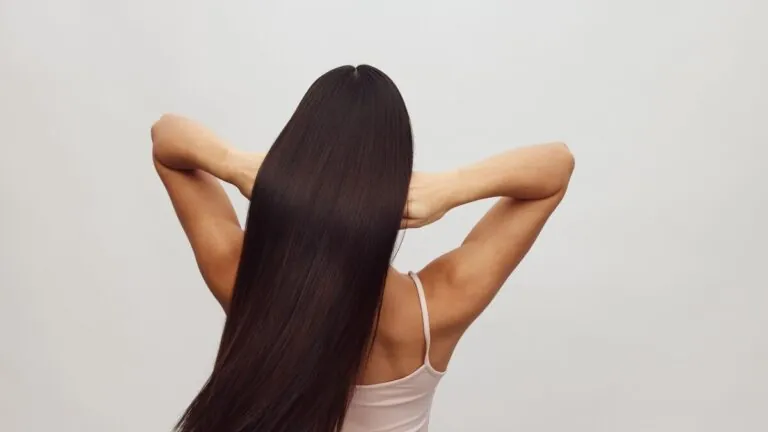
The best hair care tips for women are simple habits done consistently: wash according to your scalp type, shampoo the scalp and condition the ends, oil a few hours before washing, dry gently, protect hair from heat and sun, and eat enough protein and iron. Below are 15 practical habits for healthy Indian hair, plus a weekly hair care routine, a routine for each hair type and clear signs that hair fall needs a doctor.
Indian hair deals with hard water, monsoon humidity, harsh sun and pollution. None of these tips need expensive products, just the right timing and patience, because hair responds over months, not days.
Quick summary: 15 tips for healthy hair
- Wash as often as your scalp needs, not on a fixed rule.
- Shampoo the scalp, condition the lengths and ends.
- Use lukewarm water and rinse thoroughly.
- Oil one to two hours before a wash, not for days.
- Skip overnight oiling if you have dandruff.
- Blot with a microfibre towel instead of rubbing.
- Use a Heat protectantA spray, cream or serum applied before blow-drying, straightening or curling to reduce heat damage to the hair.See glossary and the lowest heat that works.
- Choose loose styles and snag-free accessories.
- Detangle from the ends up with a wide-tooth comb.
- Sleep on a silk or satin pillowcase.
- Trim every 8 to 12 weeks.
- Eat enough protein and iron.
- Manage stress and sleep well.
- Work around hard water and humidity.
- Protect hair from sun and swimming pools.
Washing: the base of every hair care routine
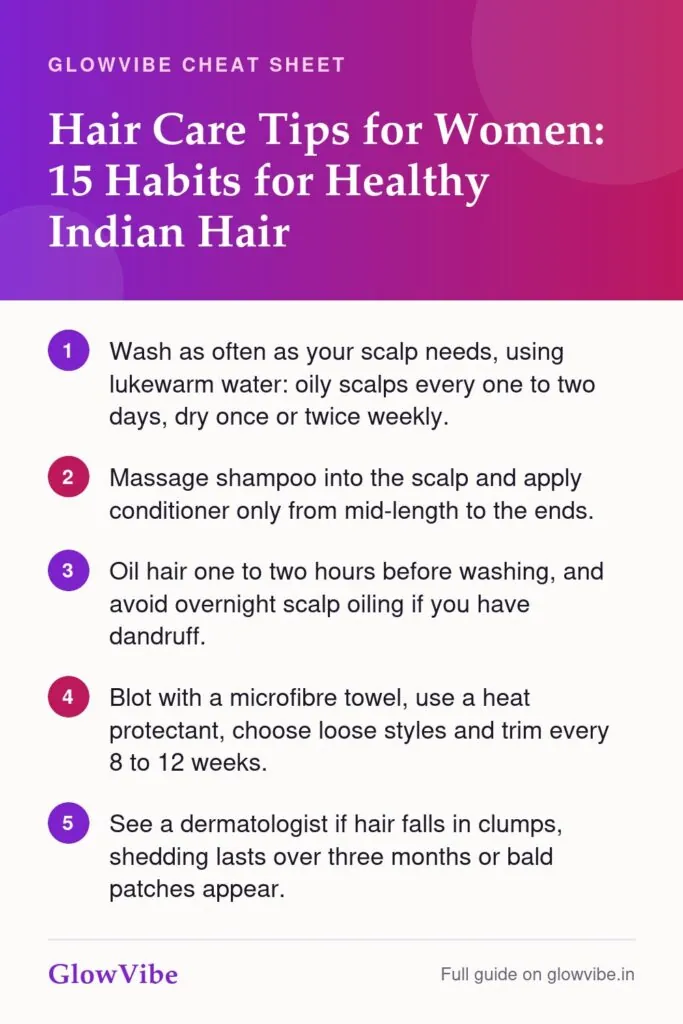
1. Wash according to your scalp type
There is no single “right” number of washes; your scalp decides. Sweat and oil left for days can feed dandruff, while over-washing a dry scalp leaves it tight and itchy.
- Oily scalp: every one to two days, especially in summer or if you work out.
- Normal scalp: two to three times a week.
- Dry scalp or curly hair: once or twice a week, with a gentle, Sulfate-freeShampoo made without strong sulfate cleansers like SLS. Gentler on dry, curly or colour-treated hair, though it may lather less.See glossaryRead the guide shampoo.
- Dandruff-prone scalp: two to three times a week, using an anti-dandruff shampoo (zinc pyrithione or ketoconazole) for some of those washes.
2. Shampoo the scalp, condition the ends
Shampoo is for the scalp, where oil and dirt collect. Massage a coin-sized amount into the roots with your fingertips (not nails) for about a minute; the lather that runs down while rinsing is enough to clean the lengths.
Conditioner works the other way round. Apply it from mid-length to the ends, which are the oldest and driest part of your hair, leave it for two to three minutes and keep it off the scalp if you get oily roots. Never skip it after shampoo, even if your hair is oily.
3. Use lukewarm water and rinse well
A very hot head bath strips the scalp and roughens hair. Wash with lukewarm water, finish with a cooler rinse, and rinse longer than you think, because leftover product causes itching, flakes and limp roots.
Oiling done right
4. Oil one to two hours before you wash
A pre-wash oiling with coconut, almond or Argan oilA light oil from Moroccan argan kernels, used in serums and leave-ins to smooth frizz and add shine without much greasiness.See glossary softens the lengths and helps reduce damage from shampooing. Warm a small amount, massage the scalp gently for five minutes and work the rest through the lengths. One to two hours is enough; oil sitting on the scalp for two or three days mostly attracts dust and pollution.
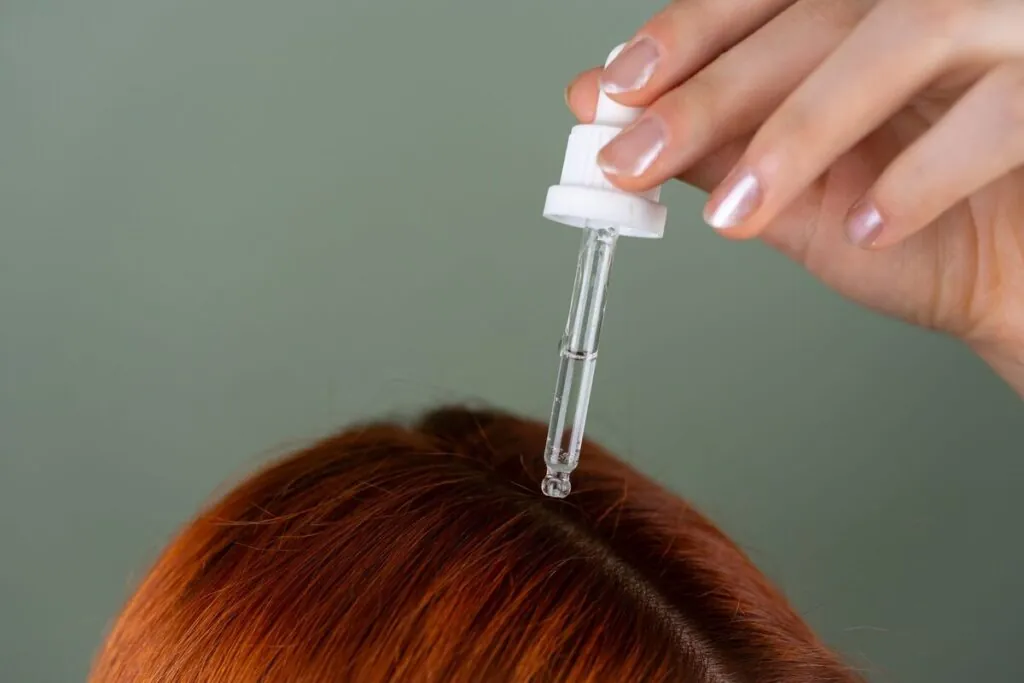
Two teaspoons cover shoulder-length hair; too much means a second shampoo. Oiling softens the hair shaft, but it does not regrow hair or cure hair fall.
5. Skip overnight oiling if you have dandruff
Common dandruff is linked to a yeast that lives on the scalp and feeds on oils. Leaving oil on a flaky scalp overnight can make the itching and flakes worse. If you have dandruff, oil only the lengths, keep it on for an hour at most and follow with your anti-dandruff shampoo. Once flakes are under control, short scalp oilings are usually fine again.
Drying and heat
6. Blot with a microfibre towel
Wet hair is at its weakest, and rubbing it with a rough towel causes frizz and breakage. Squeeze out the water, blot with a microfibre towel or old cotton T-shirt, and let it air-dry most of the way.
7. Use a heat protectant every time
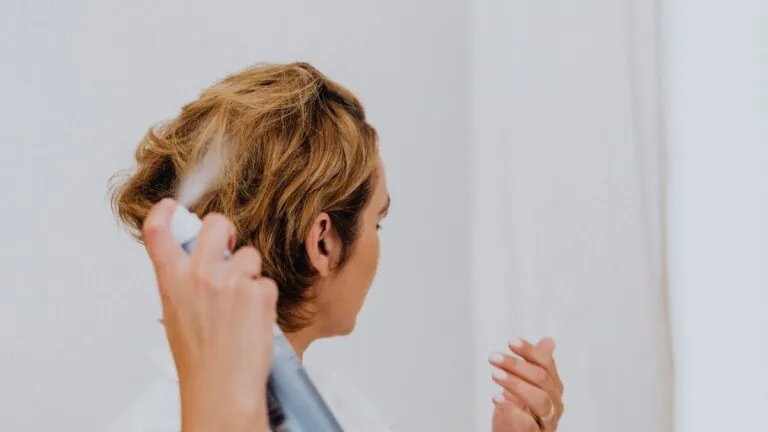
Straighteners, curling tongs and blow dryers weaken hair over time. If you use them, spray a heat protectant on damp or dry hair first, keep the dryer on low or medium heat about 15 cm away, and pick the lowest straightener temperature that works for your hair. Limit hot tools to a few times a week and give hair heat-free days.
Styling and sleep
8. Choose loose styles and gentle accessories
Tight ponytails, slicked-back buns and very tight plaits pull on the roots every day. Over years this can cause traction hair loss along the hairline and temples. Change the position of your ponytail, keep plaits loose, and use fabric scrunchies, spiral ties or claw clips instead of rubber bands with metal joints.
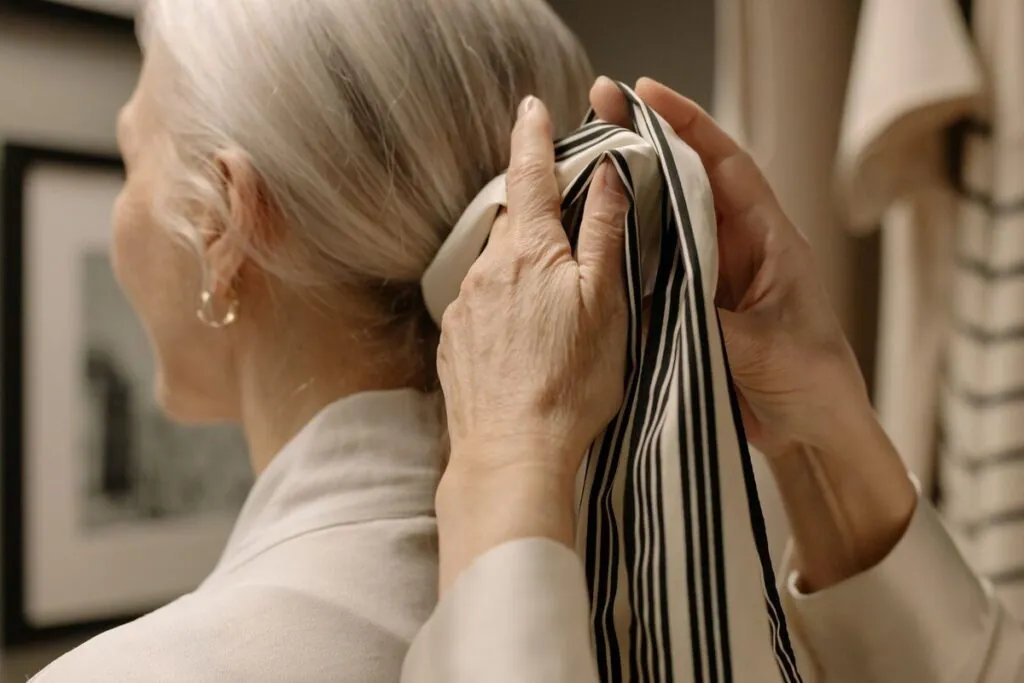
Need ideas that look polished without pulling? Our guide to easy hairstyles for women has looks for every hair length.
9. Detangle from the ends up
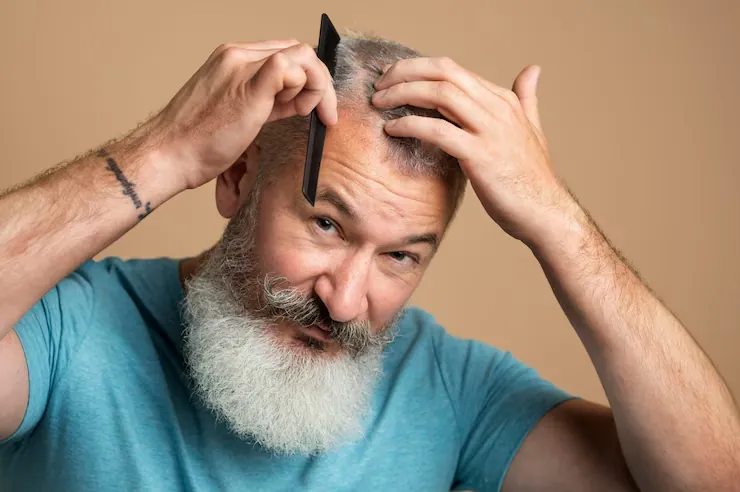
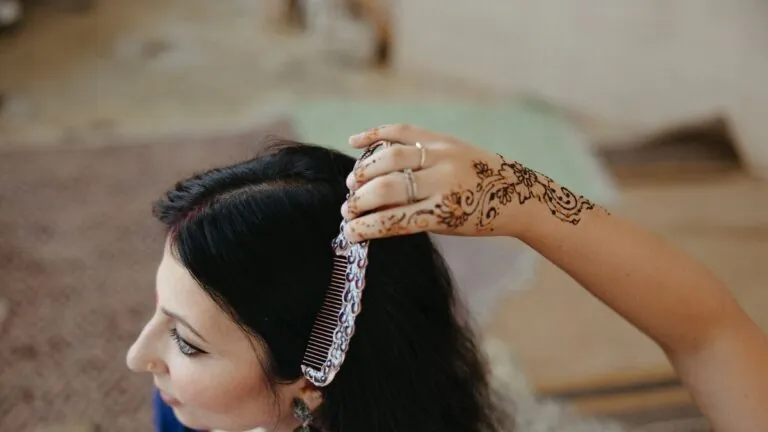
Start at the tips with a wide-tooth comb and work upwards in small sections, ideally while conditioner is still in. Curly hair is best detangled only when wet and conditioned, never brushed dry.
10. Sleep on a silk or satin pillowcase
Cotton pillowcases create friction at night, leading to tangles, frizz and broken ends. A silk or satin pillowcase lets hair glide; long hair also does well in a loose braid.
Trims
11. Trim every 8 to 12 weeks
Split ends cannot be repaired; serums only smooth them for a while, and a split travels up the strand. A small “dusting” trim of half a centimetre to one centimetre every two to three months keeps ends neat. Trims do not make hair grow faster from the root, but they help you keep the length you grow.
Diet and stress
12. Eat enough protein and iron
Hair is made mostly of a protein called KeratinThe protein that hair is made of. "Keratin treatments" are salon smoothing services, and some contain formaldehyde-releasing chemicals.See glossary, so a diet low in protein shows up in your hair. Many Indian vegetarian diets fall short here. Include a protein source at every meal: dal, rajma, chana, paneer, curd, eggs, soya, tofu, fish or chicken.
Low iron is a common reason women notice extra shedding, particularly with heavy periods, after pregnancy or on strict diets. Eat iron-rich foods such as green leafy vegetables, lentils, jaggery in moderation, eggs and meat, and pair them with Vitamin CAn antioxidant that brightens dull skin, helps fade the look of dark spots and supports sunscreen against daily damage. Best used in the morning.See glossaryRead the guide (lemon, AmlaIndian gooseberry, used in Ayurvedic hair oils, powders and packs. It is valued for conditioning hair and adding shine.See glossaryRead the guide, guava) for better absorption. Do not start iron or “hair vitamin” supplements on your own; ask a doctor for a blood test first.
13. Manage stress and sleep well
A major stress, illness, high fever, crash diet or childbirth can push many hairs into the shedding phase at once. This shedding usually appears two to three months after the event, which is why people rarely connect the two. It usually settles once the trigger passes. Good sleep, exercise, yoga or a daily walk won’t stop all hair fall, but they support overall health.
Climate: hair care for Indian weather
14. Work around hard water and humidity
Hard water leaves calcium and magnesium deposits that make hair feel rough, dull and hard to lather. A shower filter helps, and so does a clarifying shampoo once every two weeks to lift buildup. Always follow it with conditioner.
In monsoon and coastal humidity, dry hair pulls moisture from the air and frizzes. Keep it well conditioned, smooth a light Leave-in conditionerA light conditioner you do not rinse out. It helps with detangling, frizz and moisture, especially for curly or dry hair.See glossaryRead the guide or a drop of serum on damp hair, and wash sweaty scalps more often.
15. Protect hair from sun and swimming
Strong sun dries out hair and fades colour. Cover your head with a scarf, dupatta or hat when you are out in peak afternoon sun. Before swimming, wet your hair with clean tap water and smooth on a little conditioner or oil so it absorbs less chlorinated water. Wear a swim cap if you swim often, and shampoo and condition straight after.
A simple weekly hair care routine
Here is a sample week for a normal-to-oily scalp washed three times a week. Shift the days to suit you.
| Day | What to do | Time needed |
|---|---|---|
| Monday | Shampoo the scalp, condition the ends, blot dry | 15 minutes |
| Tuesday | No wash; loose style, leave-in on the ends if dry | 2 minutes |
| Wednesday | Oil one to two hours before washing, then shampoo and condition | 20 minutes plus wait |
| Thursday | No wash; heat-free styling day | 2 minutes |
| Friday | Shampoo and condition | 15 minutes |
| Saturday | Hair mask after shampoo instead of regular conditioner | 25 minutes |
| Sunday | Rest; check ends, clean your comb and brush | 5 minutes |
Every two weeks, swap one wash for a clarifying shampoo if you have hard water. For choosing a weekly mask, see our guide to the best hair mask for damaged hair.
Hair care routine by hair type
| Hair type | Washing | Key habit | Avoid |
|---|---|---|---|
| Straight | Every 1 to 3 days (gets oily fast) | Conditioner only on the ends, light serum | Heavy oils and creams at the roots |
| Wavy | 2 to 3 times a week | Leave-in on damp hair, scrunch and air-dry | Brushing when dry, which turns waves to frizz |
| Curly | 1 to 2 times a week, sulphate-free | Detangle only when wet and conditioned; cream or gel to define | Towel rubbing and fine-tooth combs |
| Fine | Every 1 to 2 days | Lightweight volumising shampoo, conditioner on the ends only | Rich masks and oil left on for long |
| Thick | 2 times a week | Section while washing and detangling; deep-condition weekly | Tying up damp hair, which stays wet for hours |
If you have fine hair, our tips on how to make thin hair look thicker cover cuts and styling. For curls, we have rounded up the best curly hair products in India, from shampoo to gel.
Hair care routine for long hair
The ends of long hair can be several years old, so they need the most protection. Condition generously from mid-length down, oil the ends before every wash, detangle in sections, sleep in a loose braid on a satin pillowcase and keep up regular dusting trims.
Hair care myths vs facts
| Myth | Fact |
|---|---|
| Washing hair often causes hair fall. | Hairs that come out in the shower were already shed. Washing a clean scalp regularly does not cause hair loss. |
| The longer you leave oil on, the better. | One to two hours is enough. Overnight or multi-day oiling can worsen dandruff and attract dirt. |
| Trimming makes hair grow faster. | Growth happens at the root. Trims prevent breakage so you keep length. |
| Split ends can be repaired. | Products only seal them temporarily. Cutting is the only fix. |
| Plucking a grey hair makes more grow. | It does not, but repeated plucking can damage the follicle. |
| Natural remedies are always safe. | Lemon, raw onion or undiluted essential oils can irritate the scalp. Patch-test anything new on your inner arm first. |
Common hair care mistakes
- Changing shampoo every month instead of giving one product four to six weeks.
- Piling hair on top of the head and scrubbing the lengths while shampooing.
- Straightening damp hair, or using hot tools without protectant.
- Expecting a hair oil or supplement to fix hair fall caused by a health issue.
When hair fall needs a doctor
Losing around 50 to 100 hairs a day is normal, and you may notice more on wash days. See a dermatologist or trichologist if you notice any of these:
- Hair coming out in clumps, or shedding that lasts longer than three months.
- Round bald patches, a widening centre parting or a receding hairline.
- Scalp redness, pain, pus, heavy scaling or itching that does not improve with anti-dandruff shampoo.
- Hair fall along with irregular periods, acne, unexplained weight change, tiredness or feeling unusually cold, which can point to PCOS, thyroid problems or anaemia.
- Postpartum shedding that has not eased by about a year after delivery.
A doctor can order blood tests and suggest proven treatments. Read our honest take on hair fall home remedies vs medical treatment, and our overview of hair loss treatment in India ranked by evidence.
Frequently Asked Questions
Be gentle: detangle from the ends with a wide-tooth comb, wear loose styles, avoid unnecessary heat and cover your hair in strong sun. Wash as often as your scalp needs.
It depends on your scalp. Oily scalps may need a wash every one to two days, normal scalps two to three times a week, and dry or curly hair once or twice a week. If your scalp itches, smells or flakes, you probably need to wash more often.
For most people, one to two hours before washing gives the same benefit with less mess. If you have dandruff, avoid overnight scalp oiling because it can make flakes worse. Oiling only the dry ends overnight is fine for dry or long hair.
Shampoo the scalp, condition generously from mid-length down and use a mask once a week. Oil the ends before washing, detangle in sections, sleep in a loose braid on a satin pillowcase and trim a little every two to three months.
Foods rich in protein and iron matter most: dal, chana, rajma, paneer, curd, eggs, soya, fish, chicken and leafy greens. Pair iron-rich foods with vitamin C sources like amla or lemon. A balanced diet helps more than any single “superfood”.
Fit a shower filter if you can, use a clarifying shampoo every two weeks and always condition afterwards. A final rinse with filtered or RO water also helps your hair feel softer.
Quick poll
How much do you usually spend on one beauty product?
The bottom line
Healthy hair comes from small habits repeated every week. Start with two or three tips from this list, give them two months, and add more once they become routine. If shedding feels unusual, see a doctor rather than switching products again.