Exercise Cycle at Home: Is It Worth It and How to Use It
Find out whether a home exercise cycle suits you, which type to pick, how to set the seat to protect your knees, and three simple sessions to follow.

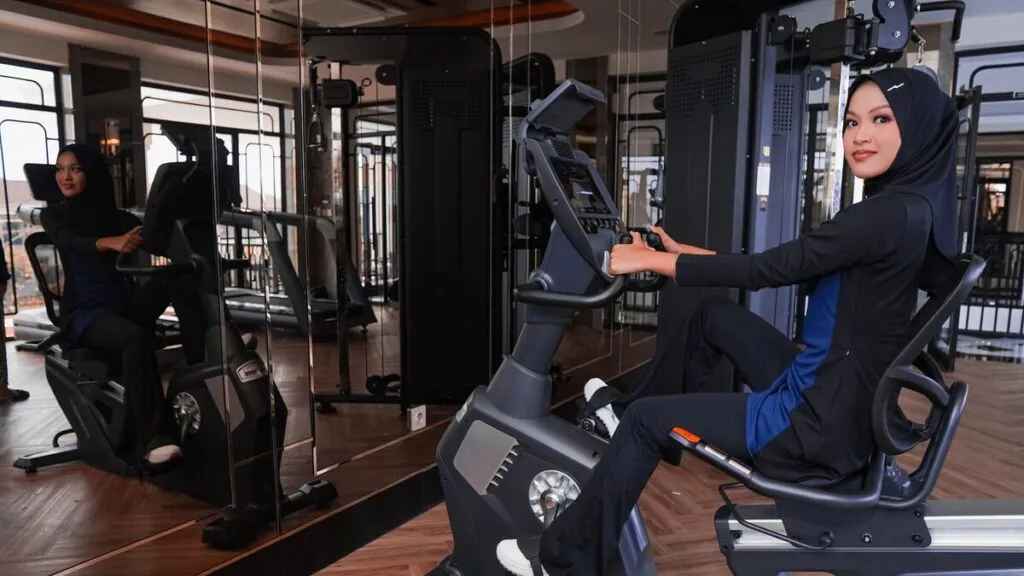
An exercise cycle at home is worth having if you will ride it two or three times a week, because it gives you joint-friendly cardio indoors in any weather. It is not essential, and it will not work on its own as a weight-loss plan, so the real question is whether it fits your space, your body and your habits.
This guide helps you decide, choose between upright, spin and recumbent bikes, set the seat so your knees stay comfortable, and follow three simple sessions. For a comparison with treadmills, rowers and other machines, see the home cardio equipment guide.
The quick answer
- Buy one if weather, safety or a tight schedule often stops you from exercising outdoors, and you have a corner where the bike can stay set up.
- Skip it if you enjoy walking and already do it regularly, or if you would have to drag the bike out from storage before each ride.
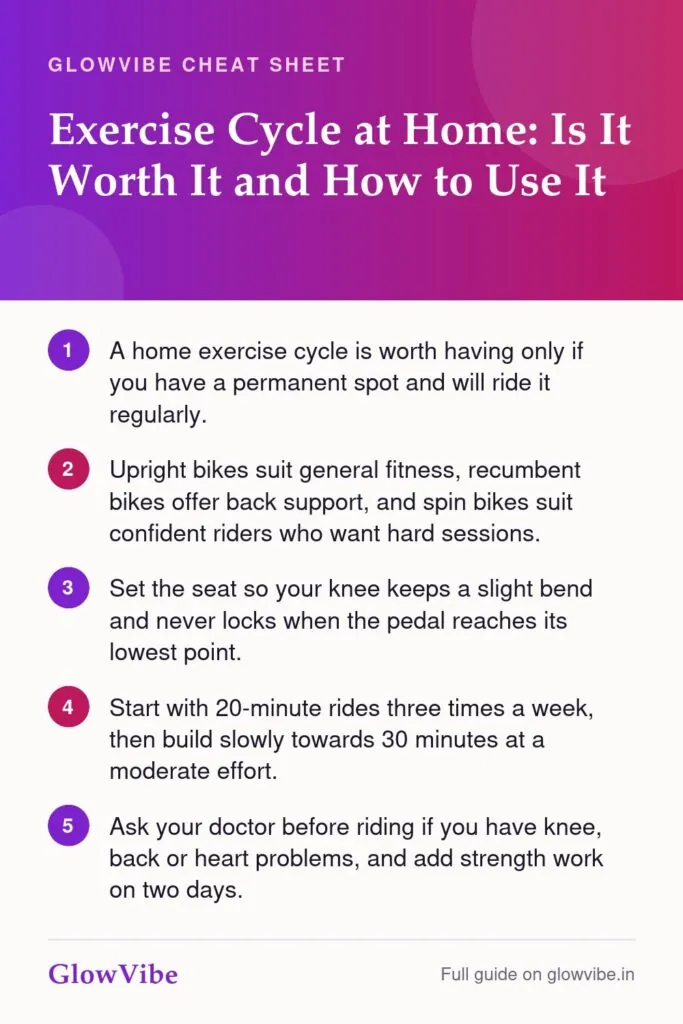
- For general fitness, an upright bike is a simple place to start. A recumbent suits people who want back support, and a spin bike suits people who want hard, intense sessions.
- Set the seat before your first ride. With the ball of your foot on the pedal, your knee should keep a slight bend at the bottom of the stroke and never lock.
- Check with your doctor first if you have knee, back or heart problems, or any other medical condition.
What an exercise cycle can and can’t do for you
The real benefits
It counts as proper cardio. The NHS lists riding a bike as moderate activity, and riding fast or on hills as vigorous. Its target for adults is at least 150 minutes of moderate activity or 75 minutes of vigorous activity a week. Five 30-minute rides at a moderate effort would reach that number.
It is gentle on joints. Harvard Health describes cycling as easy on the joints. You sit and pedal without the repeated landing that comes with jogging or skipping, which many people find more comfortable.
It removes common excuses. Monsoon downpours, peak summer heat, winter smog and badly lit roads stop a lot of outdoor plans in Indian cities. A bike in the corner of the bedroom doesn’t care about any of them.
The limits
It mainly trains your legs and your heart. Your arms, back and chest get very little work, so a bike doesn’t replace strength training. The NHS also recommends strengthening all the major muscle groups on at least 2 days a week. A core routine at home or a 30-minute full-body workout covers much of what the bike misses.
It doesn’t promise weight loss. Cycling burns energy, but body weight also depends on food, sleep, stress, medical factors and how consistent you are over months. Treat the bike as one part of a wider routine. The guide to the best exercises for weight loss shows how cardio and strength work fit together.
It can get boring. Pedalling in one spot, looking at the same wall, is a common reason home bikes end up as clothes stands. A podcast, a TV series saved only for rides or a fixed slot after morning tea can help.
Will a home cycle suit you?
Run through these questions before you spend anything. If you answer “no” to two or more, a walking habit or a free workout plan may be a better place to start.
- Do you have a spot where it can stay out all the time, ideally near a fan or window?
- Can you name three fixed times in your week for riding?
- Do you find cardio at a steady pace tolerable, or even relaxing, rather than dull?
- Will the sound and vibration be acceptable to family members and the neighbours below at the hour you plan to ride?
- Have you tried one for at least 10 minutes, at a gym, a store or a friend’s home, and found the seat bearable?
Upright, spin or recumbent: which to pick
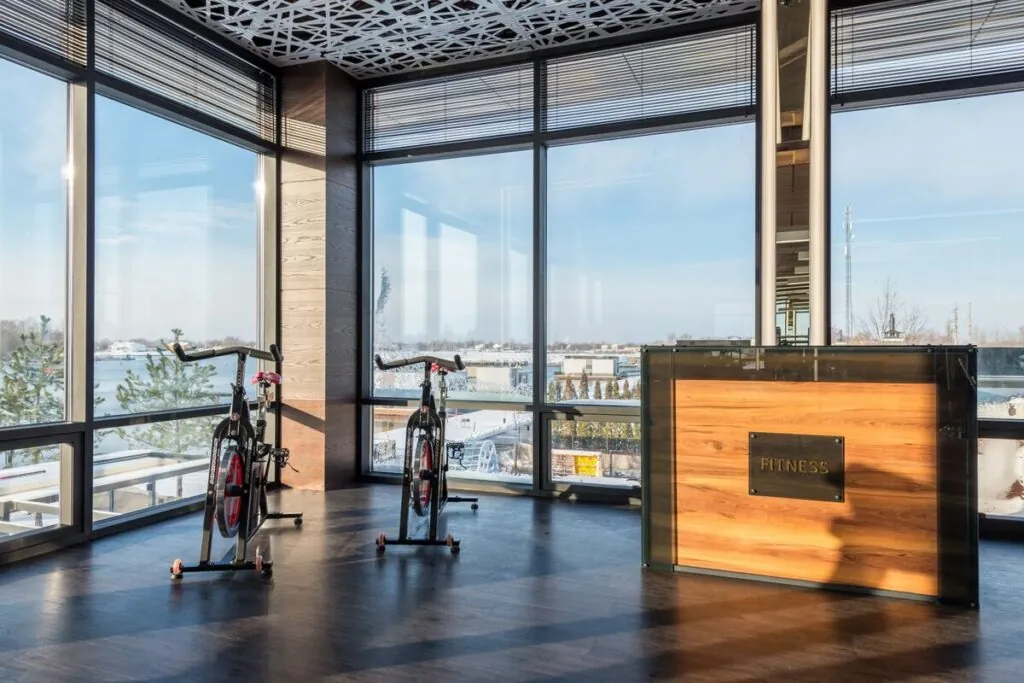
All three work your legs and heart. The differences lie in how you sit, how much your back and hands take on, and how hard the bike is built to be ridden. The table shows broad patterns, drawn largely from how equipment sellers describe their bikes rather than from independent tests, so sit on one before you decide if you can.
| Type | How you sit | Back support | Space | May suit |
|---|---|---|---|---|
| Upright | Tall, like a regular bicycle | None, small seat | Compact | General fitness and shared family use |
| Spin (indoor cycling) | Leaning forward, like a road bike | None, small seat, more weight on arms and core | Compact | Confident riders and interval sessions |
| Recumbent | Reclined, legs out in front | Full backrest, large seat | Largest | Older adults, people returning after a break, those who find small seats painful |
Pick an upright if you want one simple bike for the whole family and don’t have much room. Pick a spin bike if you already exercise and want tough sessions, and you are comfortable leaning forward. Its posture can bother a sensitive lower back or neck.
Pick a recumbent if comfort is what will keep you riding and you have the floor space, since it is the bulkiest of the three. If you have a back or joint condition, ask your doctor or physiotherapist which position is right for you.
What to check before buying
- Seat range: confirm it adjusts to fit every person who will ride, especially if heights in the family differ a lot.
- User weight limit: read the listed limit and choose a frame with room to spare.
- Stability: the frame shouldn’t wobble when you pedal hard.
- Resistance: magnetic resistance tends to be quieter, and friction pads wear out and need more upkeep, though repairs on a magnetic bike can cost more. Noise matters in a flat with shared walls, so ask to hear the bike running if you can.
- Service: ask who handles repairs and spare parts in your city, and read the warranty terms.
How to set seat height and protect your knees
A seat that is too low or too high can set you up for knee pain, so this five-minute job matters more than any feature on the console. These steps follow the setup guidance from the Hospital for Special Surgery in New York, for upright and spin bikes.
- Start at hip height. Stand beside the bike with your feet flat and set the seat roughly level with the top of your hip bone.
- Do the heel test. Sit on the bike, put your heel on the pedal and push it to the lowest point. Your leg should be straight there. When you then ride with the ball of your foot on the pedal, the same seat height leaves a slight bend, and your knee doesn’t lock.
- Check with your toes. Take your feet off the pedals and reach for the floor. Your toes should just touch it. If they don’t touch, the seat is too high. If more of your foot reaches the floor, it is too low.
- Set the seat distance. With the pedals level, at 3 and 9 o’clock, your front knee should sit over the middle of the pedal. Slide the seat forward or back if your bike allows it.
- Place your foot. Ride with the ball of your foot over the pedal and your knee tracking over the middle of your foot, not bowing in or out.
- Adjust the handlebars. Choose a height where your spine stays neutral, your elbows stay slightly bent and your shoulders stay away from your ears. If your back rounds, the bars are too low.
On a recumbent, you adjust the seat distance instead of height. Slide it until your knee is slightly bent with the pedal at its farthest point.
You may see different knee angles quoted, and they don’t agree. The HSS guide describes a very subtle bend of about 5 to 10 degrees, while a study comparing seat-setting methods in trained cyclists works from a recommended 25 to 35 degrees. You don’t need to measure anything at home: the heel and toe checks are simpler, and HSS itself says fit is very individual.
Treat all of this as a starting point. A physiotherapist who does bike fits notes that a seat too high makes your hips rock to reach the bottom of the stroke, and one too low increases the pressure on your kneecap. Change one setting at a time, in small steps, and ride for a few minutes before you judge it. If your knee still hurts after adjusting the seat, stop riding and get it examined by a doctor or physiotherapist.
Set up the room as well
- Put a rubber mat under the bike to cut vibration and protect tiled or marble floors from sweat.
- Wear closed, firm shoes rather than slippers or bare feet, and use the pedal straps if you have them.
- Tuck away a loose dupatta, long drawstrings or anything else that could catch in moving parts.
- Keep children and pets away from the pedals and flywheel while you ride.
Three simple exercise cycle sessions
Effort is easier to judge with the NHS talk test than with the numbers on a basic console. At a moderate effort you can talk but not sing. At a vigorous effort you can only say a few words before pausing for breath.
| Session | Warm-up | Main part | Cool-down | Total |
|---|---|---|---|---|
| 1. Easy starter | 5 min very easy | 12 min, comfortable chatting pace | 3 min very easy | 20 min |
| 2. Steady ride | 5 min very easy | 20 min moderate, can talk but not sing | 5 min very easy | 30 min |
| 3. Beginner intervals | 5 min very easy | 6 rounds: 1 min hard, 2 min easy | 3 min very easy | 26 min |
How to use them over the weeks
- Weeks 1 and 2: do session 1 three times a week, with a day between rides.
- Weeks 3 and 4: add 2 to 3 minutes to the main part each week. Move to session 2 when 20 minutes feels manageable.
- From week 5: do session 2 three or four times a week. If you feel ready and have no joint or health concerns, swap one ride for session 3.
In the hard minutes of session 3, raise the resistance so that you are breathing heavily, but don’t stand on the pedals or lose your form. Interval riding follows the same easy-hard pattern as this beginner interval plan, which uses walking and jogging, so you can alternate the two. Once that feels easy, look at HIIT workouts at home and leave at least a day between very hard sessions.
When to stop
Stop riding and get medical help if you have chest pain or pressure, feel faint or dizzy, or are unusually short of breath. Harvard Health says people who have heart disease, arthritis or thinning bones should be cleared by their doctor before bike riding. Sharp or worsening joint pain is also a reason to stop and get checked, rather than push through.
Common mistakes
- Riding with the seat too low. It feels safer, but your knee stays deeply bent all the way round. Redo the heel test.
- Using no resistance. Spinning freely feels busy but does little work. If you are bouncing on the seat, add a little resistance or slow down.
- Trusting the calorie display. It is an estimate, so don’t use it to decide what you can eat afterwards.
Frequently Asked Questions
Cycling is easy on the joints, and many people with sore knees find it more comfortable than jogging. A poorly set seat can still cause pain, so do the setup steps carefully and keep resistance light at first. If you have arthritis, an injury or ongoing pain, ask your doctor or physiotherapist before you start.
No exercise can choose where your body loses fat from, and that includes cycling. Regular riding can support overall fat loss when it goes along with suitable eating, strength work and good sleep. Results vary widely from person to person, so judge the bike by your energy and fitness as well.
Beginners can start with 20 minutes, including the warm-up and cool-down, three times a week. Build towards 30 minutes over several weeks. Five 30-minute moderate rides reach the 150 weekly minutes that the WHO and NHS suggest for adults, though walking and other activity count too.
Neither is better for everyone. Walking is free and needs no equipment, and brisk walking also counts as weight-bearing exercise, which works your bones. The bike is often kinder to sore joints and works in any weather, so doing both is a good mix if you can.
Many can, but ask your doctor first, especially during pregnancy or if you have a health condition or a history of falls. Older adults may find a recumbent easier to get on and off. Teenagers and children need adult supervision and a seat that fits them, and a doctor’s advice if they have a medical condition.
The bottom line
A home exercise cycle is a useful tool, not a necessity. It makes sense if you have a permanent spot for it and a plan to use it. Set the seat carefully, start with 20 easy minutes, build up slowly and add strength work for the muscles the bike leaves out.