Makeup Face Powder Guide: Types, Best Picks and How to Apply (2026)
Loose, pressed, setting or powder foundation? Learn which makeup face powder suits your skin and Indian weather, plus popular picks and a cake-free application method.

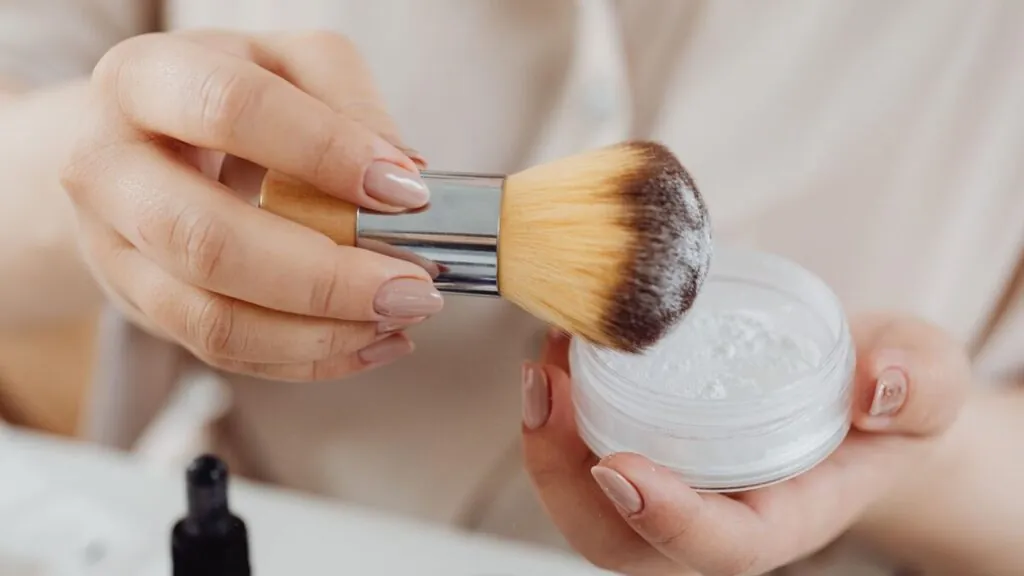
A makeup face powder is a finely milled powder you dust over bare skin or foundation to soak up oil, blur pores and keep your base from sliding off. Pick the type by your skin and the finish you want: translucent loose powder for setting, a pressed compact for touch-ups, and a tinted powder foundation when you want light coverage without liquid.
In Indian weather, powder does more work than almost any other step. Humidity, heat and long commutes make foundation shift by lunch, and the right powder, applied the right way, is what keeps you looking fresh until evening. This guide explains the types, which ones suit your skin, a few reliable powders sold widely in India, and how to apply them without looking cakey.
Quick answer: which face powder should you use?
- Oily or combination skin: a translucent or matte loose setting powder over foundation, plus a matte pressed compact in your bag.
- Dry skin: a very fine, lightweight powder used only on the T-zone and under the eyes, never all over.
- No-foundation days: a tinted pressed powder or powder foundation over moisturiser and sunscreen.
- Long events, weddings, photos: a loose setting powder pressed in with a puff, then a light dusting with a brush.
- Deeper Indian skin tones: choose a truly translucent formula or a shade-matched tinted one so you avoid a grey or white cast.
Types of makeup face powder compared
Most confusion comes from the names. “Compact”, “setting powder”, “finishing powder” and “powder foundation” overlap, but each is built for a slightly different job.
| Type | Coverage | Finish | Best for | Main job |
|---|---|---|---|---|
| Loose setting powder (translucent) | None to sheer | Matte or soft-matte | Oily, combination, normal | Locks liquid foundation and concealer |
| Pressed powder / compact | Sheer to light | Matte or natural | All skin types | Touch-ups on the go, light everyday base |
| Powder foundation | Medium, buildable | Matte | Oily, combination | Replaces liquid foundation |
| Tinted loose powder | Sheer to light | Natural | Normal, oily | Evens tone while setting |
| Finishing powder | None | Blurred, soft-focus | Normal, dry, mature | Final step to soften pores and texture |
Loose powder
Loose powder is the most finely milled form and usually comes in a jar with a sifter. Because the particles are so fine, it sets liquid and cream products without adding much weight, which is why makeup artists rely on it for long wear.
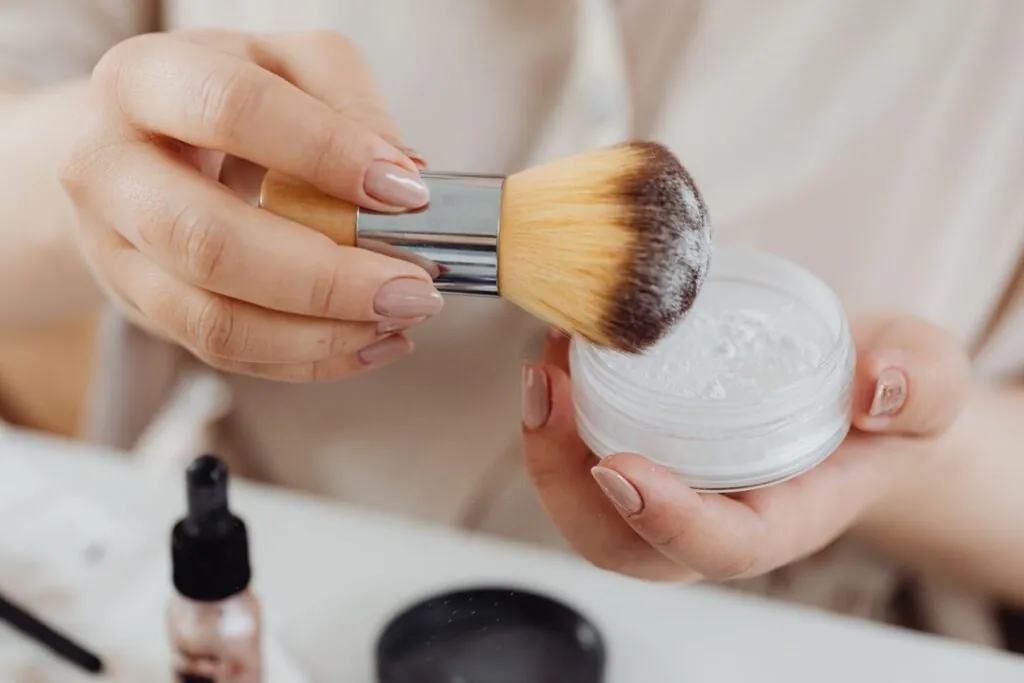
It is messier to carry, so treat it as your at-home setting step. Apply it with a fluffy brush for a light veil, or press it in with a velour puff where you need it to hold longer.
- Pros: very light, sets makeup well, easy to control the amount.
- Cons: spills easily, not ideal for touch-ups outside.
Pressed powder (compact)
Pressed powder is loose powder bound into a cake, usually with a little oil or binder. That makes it travel-friendly and slightly more pigmented, so a compact can give light coverage on its own or freshen up foundation later in the day.
- Pros: mess-free, comes with a mirror, quick shine control.
- Cons: layers up faster, so repeated touch-ups can look heavy.
Setting powder vs finishing powder
Setting powder is applied right after foundation and concealer to lock them in place and absorb oil. Finishing powder goes on last, in a very light layer, mainly to blur pores and soften the look in photos.
Most people only need a setting powder. If you choose a finishing powder too, use the tiniest amount, because some can reflect a camera flash and leave a white cast.
Powder foundation
Powder foundation is a highly pigmented pressed powder that replaces liquid foundation. It is a good choice for oily skin in summer, when liquid bases can feel heavy, and for anyone who wants a quick five-minute base.
Popular face powders available in India
You do not need an expensive powder to get a good finish. These are well-known options sold widely online and in stores; read the shade range and finish carefully before buying.
| Product | Type | Price range | Best for |
|---|---|---|---|
| Maybelline New York Fit Me Matte + Poreless Powder | Pressed compact | Budget | Oily and combination skin, daily touch-ups |
| Lakmé 9to5 Primer + Matte Powder Foundation Compact | Powder foundation | Budget to mid-range | Quick office base, light to medium coverage |
| Lakmé Rose Face Powder | Loose, lightly tinted | Budget | A soft, sheer everyday finish |
| MAC Studio Fix Powder Plus Foundation | Powder foundation | Premium | Medium to full coverage on oily skin |
| Laura Mercier Translucent Loose Setting Powder | Loose setting powder | Premium | Long-wear setting for events |
| Huda Beauty Easy Bake Loose Baking & Setting Powder | Loose setting powder | Premium | Baking under the eyes, full-glam looks |
Budget picks: Maybelline Fit Me and Lakmé
The Maybelline Fit Me Matte + Poreless compact is a common first powder for oily skin. It gives a sheer, matte layer and comes in several shades, so you can match it to your foundation or wear it alone. The Lakmé 9to5 Primer + Matte Powder Foundation has more coverage and suits days when you want one product instead of foundation plus powder.
The classic Lakmé Rose Face Powder is a light loose powder many Indian households know. It gives a soft finish rather than strong oil control, so it suits normal skin better than very oily skin.
Premium picks for long wear
Laura Mercier Translucent Loose Setting Powder and Huda Beauty Easy Bake are favourites for weddings and long events because they set foundation firmly with a small amount. Easy Bake comes in tinted shades, which helps deeper skin tones avoid a white cast when baking. MAC Studio Fix Powder Plus Foundation is a fuller-coverage powder foundation with a wide shade range.
- Pros of premium powders: finer texture, wider shade ranges, last longer per application.
- Cons: much higher cost, and the difference matters less for a light daily look.
How to choose the right face powder for your skin
By skin type
Your skin type matters more than the brand. Oily skin needs oil-absorbing, matte powders; dry skin needs a light hand and finer textures that will not cling to flaky patches.
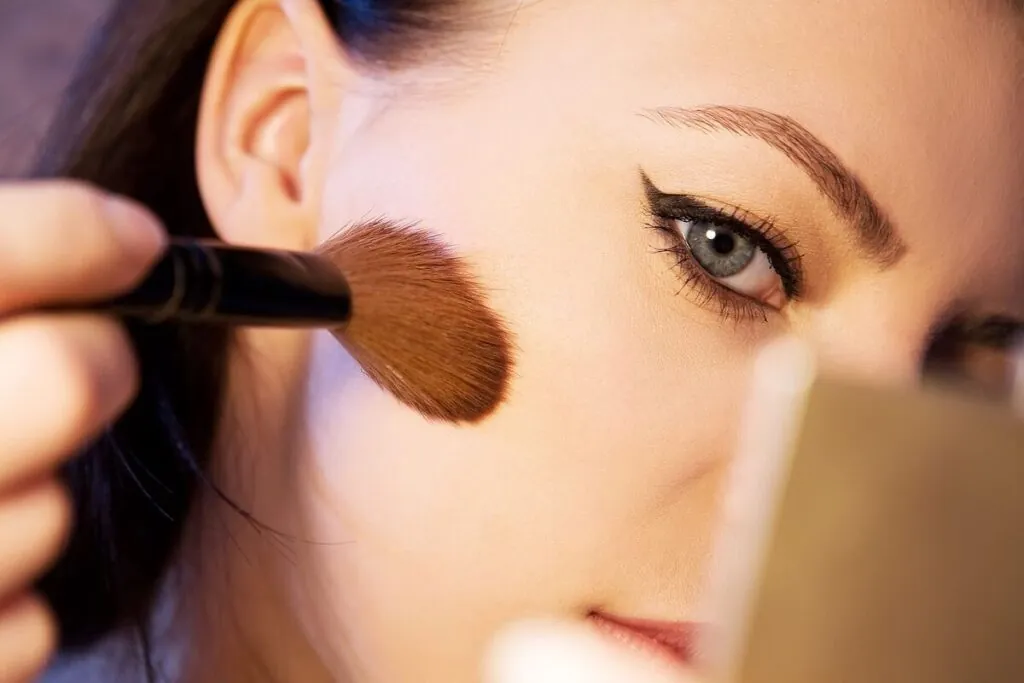
- Oily skin: matte loose or pressed powder, labelled oil-free or Non-comedogenicA label meaning a product is formulated not to clog pores. Useful for acne-prone skin, though it is not a regulated or guaranteed claim.See glossaryRead the guide. Build a good base first with an oily face skincare routine so the powder is not fighting excess oil.
- Combination skin: powder the T-zone (forehead, nose, chin) and keep cheeks lighter.
- Dry skin: moisturise well, use a hydrating base, then a whisper of finely milled powder only where you shine.
- Acne-prone skin: choose non-comedogenic powders and wash your puffs and brushes often.
By coverage and finish
If your foundation already gives the coverage you want, use a translucent powder so it does not change the colour. If you skip foundation or want a little more evening-out, pick a tinted pressed powder or a powder foundation.
Shade matching for Indian skin tones
Swatch tinted powders on your jawline, not your hand, and check them in daylight. Many Indian skin tones have warm, golden or olive undertones, so a powder that looks pink or ashy in the pan will usually look grey on the face.
“Translucent” powders are not always truly clear. On medium to deep skin, test a translucent powder with your phone flash to check it does not turn white in photos.
By climate
In humid cities like Mumbai, Chennai or Kolkata, and during the monsoon, a matte setting powder over a mattifying primer gives the best staying power. In dry North Indian winters, cut powder back to the T-zone and add more moisturiser underneath. Not sure which primer to use? Read our guide to water-based vs oil-based primer.
How to apply face powder: step by step
- Prep your skin. Cleanse, moisturise and apply sunscreen. Give it a few minutes to settle so the powder does not go patchy.
- Apply foundation and concealer. Blend well and let them sit for a minute or two.
- Load your tool lightly. Dip a fluffy brush or puff into the powder, then tap or fold off the excess. Most cakey makeup comes from skipping this.
- Press first where you get oily. Use a puff or damp sponge to press powder into the T-zone, around the nose and under the eyes.
- Sweep the rest lightly. Use a large brush with gentle circles over the cheeks and the outer face.
- Finish and set. Brush away any excess and, if you like, mist a setting spray to melt the powder into the skin.
Brush, sponge or puff?
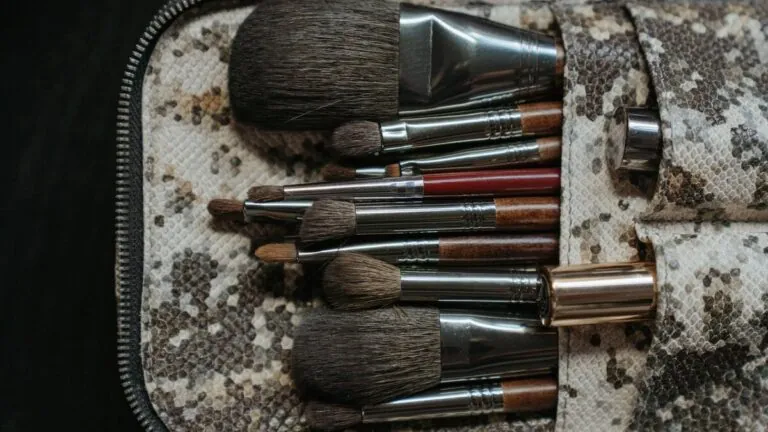
A fluffy brush gives the lightest, most natural layer and suits dry or normal skin. A velour puff presses powder in for maximum hold on oily areas. A damp sponge sits in between and is great under the eyes. Keep your tools clean and dry; a makeup brush pouch helps when you travel.
Baking, explained simply
Baking means pressing a thick layer of loose powder under the eyes or on the T-zone, leaving it for a few minutes, then dusting it off. It can help makeup last through long, hot events, but it is too heavy for daily wear and can emphasise dryness or fine lines.
Midday touch-ups
Before reaching for your compact, blot oil with a blotting paper or tissue. Then press a small amount of powder only where you shine. Powdering straight over oil is what makes the face look heavy by evening.
Common face powder mistakes to avoid
- Using too much. Start with less than you think; you can always add more.
- Powdering dry areas. Powder clings to flakes and fine lines, so skip cheeks if they are dry.
- Applying it too soon. Powdering over wet foundation leaves patches. Wait a minute.
- Picking the wrong shade. A tinted powder lighter than your skin makes the face look ashy against the neck.
- Dirty puffs and brushes. They spread oil and bacteria and make powder go on unevenly. Wash them weekly.
- Skipping skin prep. No powder can fix an unmoisturised or very oily base.
For more base-related fixes, see our guides to foundation mistakes and how to fix them and everyday makeup mistakes.
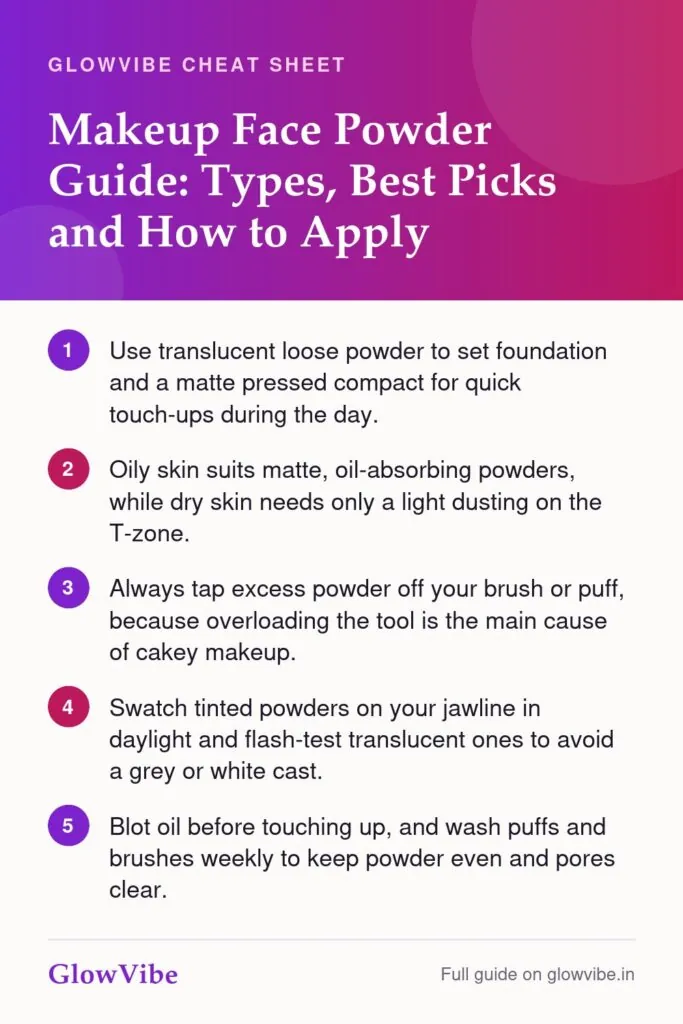
Frequently Asked Questions
Moisturise well, let your foundation settle, and tap the excess off your brush or puff before applying. Use powder only where you get oily, and finish with a setting spray to soften the layer. Choosing a finely milled powder also helps.
Yes. Apply moisturiser and sunscreen, wait a few minutes, then use a tinted pressed powder or powder foundation for light coverage and shine control. This works well for a quick, natural everyday look.
Translucent powder is meant to add no colour; it only sets makeup and controls oil. Tinted powder has pigment, so it adds light coverage and evens out your tone. Use translucent over foundation and tinted when you want a little coverage on its own.
A compact is a type of face powder, pressed into a portable case. Face powder is the wider term and also includes loose setting powders and finishing powders.
Powder is not a common cause on its own, but heavy layers, expired products and dirty tools can clog pores and irritate skin. Pick non-comedogenic powders, clean your puffs often and always remove makeup at night. If breakouts keep coming back, see a dermatologist.
Yes, this is when powder helps most. A matte setting powder over a light, mattifying base keeps shine and sliding in check in humid weather. Carry blotting paper and a compact for touch-ups.
Powders generally last longer than liquid makeup, but check the period-after-opening symbol on the pack. Throw it out if the smell, colour or texture changes, or if a hard, shiny film forms on the surface.
Quick poll
What does your everyday makeup look like?
The bottom line
The best makeup face powder is the one that suits your skin type and the job you need done: a translucent loose powder to set foundation, a matte compact for touch-ups, or a powder foundation for quick coverage. Apply less than you think, press it where you get oily, and blot before you touch up.
Get those basics right and even a budget powder will keep your base fresh through Indian heat and humidity. If you are building your kit from scratch, our natural makeup routine for beginners is a good next read.