Hair Gel vs Wax vs Cream for Men: Which to Use for Your Hair (2026)
Gel, wax, clay, pomade or cream? Compare hold, shine, humidity and washability, and match the right product to your haircut.

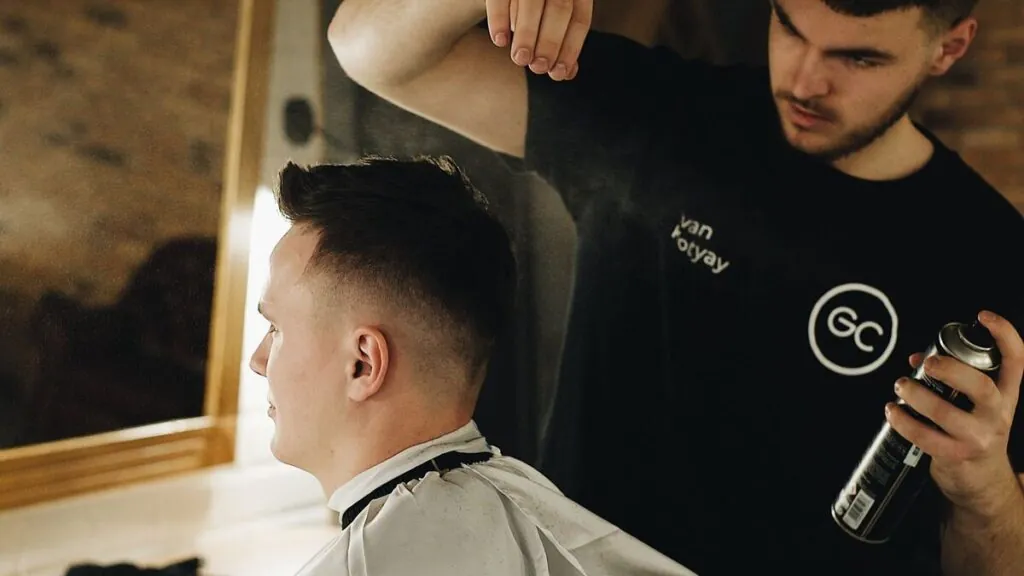
Choose gel if you want firm, all-day hold that survives humidity, choose wax or clay if you want a textured, matte look you can restyle, and choose cream if you want soft, natural control with zero stiffness. Pomade sits in between, giving the shine and clean lines that suit side parts and slick-backs.
The right pick depends on three things: your haircut, your hair texture and the weather you step out into. This guide compares all five products on hold, shine, washability and humidity, then shows you exactly how much to use, when to apply on damp or dry hair, and how to avoid white flakes and greasy roots.
Quick verdict: which one should you buy?
- Hair gel: best for humid cities, office hair that must not move, and men who want a wet or sleek look.
- Wax: best for short, spiky or messy textured styles that you want to rework through the day.
- Clay or matte paste: best for fine or thin hair that needs volume and a dry, “no product” finish.
- Pomade: best for classic side parts, slick-backs and pompadours with shine.
- Cream: best for daily neat hair, frizz, dry or curly hair, and anyone who hates feeling product.
If you only want the full list of creams and brand picks, our guide to the best hair styling cream for men in India covers them one by one. Here, we focus on the head-to-head choice.
Hair gel vs wax vs cream: side-by-side comparison
| Product | Hold | Shine | Washability | Humidity | Best for |
|---|---|---|---|---|---|
| Gel | Strong to extra strong | Medium to high (wet look) | Very easy, water-soluble | Good; sets into a film | Sleek, spiky or firm styles in sticky weather |
| Wax | Medium to strong | Low to medium | Moderate; needs shampoo | Fair; can soften in heat | Short textured cuts, messy spikes |
| Clay / matte paste | Medium to strong | Matte | Moderate; needs shampoo | Good; absorbs some oil | Fine hair, volume, quiffs |
| Pomade | Medium to strong | High | Water-based easy; oil-based hard | Fair | Side parts, slick-backs, pompadours |
| Cream | Light to medium | Low to natural | Very easy | Weak; can collapse | Daily neat hair, frizz, curls, dry hair |
A simple way to remember it: hold rises as you move from cream to pomade to wax, clay and gel. Shine rises as you move from clay to wax to cream, pomade and gel.
What each product actually does
Hair gel
Gel is a water-based product with film-forming polymers. As the water evaporates, the polymer sets and locks hair in place. That is why gel holds so well in Mumbai or Chennai humidity and why it can feel crunchy if you use too much. Budget gels such as Set Wet are widely available, and most come in different hold and finish variants.
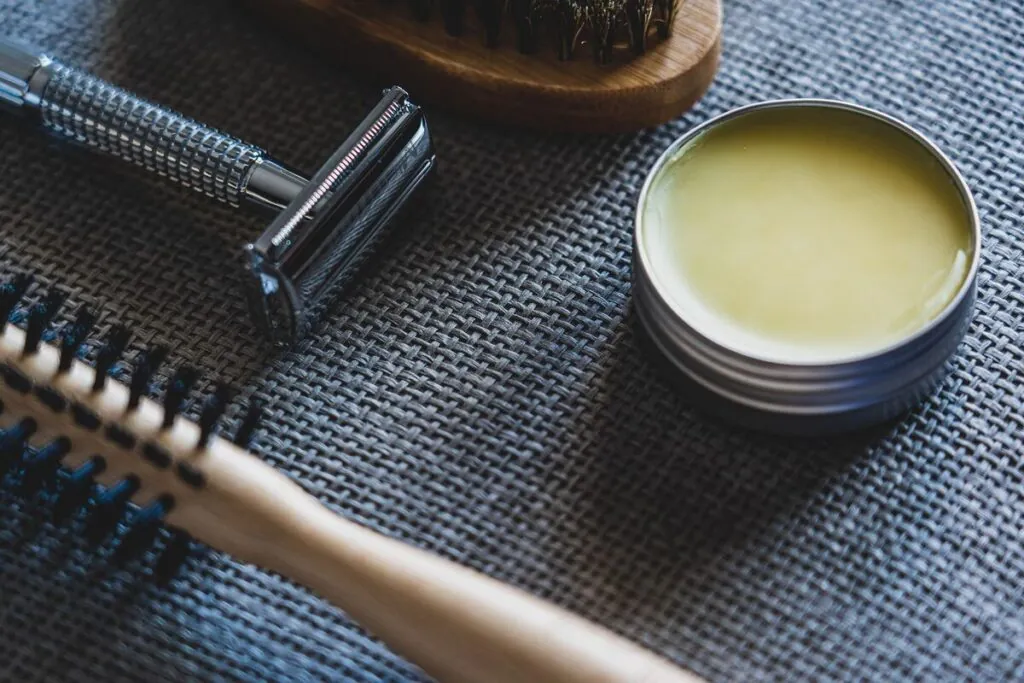
Wax
Wax is thicker and contains waxes and oils, so it never fully hardens. You can run your fingers through it at lunch and reshape your spikes. The catch is that heat softens it, and it builds up if you don’t shampoo it out. Gatsby Moving Rubber is a well-known example for short, piecey styles.
Clay or matte paste
Clay products use ingredients like kaolin or bentonite clay, which absorb oil and add grip. They make strands look thicker, which is why they suit fine or thin hair. Brands like Beardo and The Man Company sell clays and matte waxes, but check the label for “matte” and “clay” rather than trusting the product name alone.
Pomade
Pomade gives shine and smooth, combed lines. Water-based pomades rinse out with a regular shampoo. Oil-based pomades hold longer but can need two washes, and they can feel heavy on an oily scalp in summer.
Cream
Styling cream is the softest option. It is mostly water, light oils and conditioning agents, so it moisturises while it shapes. Classic options like Brylcreem give a neat, glossy finish. Creams are great for frizz and dry hair but tend to give up in heavy humidity.
Which product suits your haircut?
Match the product to the cut first, then fine-tune for your hair texture. If you are still deciding on a style, browse our male hair cut style guide and come back here with your look in mind.
Short textured cuts (crop, crew cut, short spikes)
Use wax or clay. A short crop or French crop looks best with separation and a matte finish. Clay gives a drier, more natural texture, while wax gives a bit more shine and flexibility. Use gel only if you want hard, defined spikes.
Quiff and pompadour
Use clay for a matte quiff or pomade for a shiny pompadour. Height needs grip at the roots, so blow-dry the front upwards first, then work product through. On humid days, a small amount of gel at the roots under the clay helps the height last.
Side part and classic office look
Use pomade or cream. A water-based pomade gives that sharp, polished part for weddings and formal events. For everyday office hair, a cream keeps the part neat without looking slicked down.
Long, wavy or curly hair
Use cream, and add a light gel only if your curls lose shape by noon. Wavy and curly hair needs moisture before hold, and wax or clay can make curls look dull and clumpy. Our guide to hair creams for curly hair explains the scrunching method in detail.
How much to use and how to apply it
Most greasy or crunchy hair comes from using too much product. Start small; you can always add more.
| Hair length | Gel | Wax / clay / pomade | Cream |
|---|---|---|---|
| Short (under 2 inches) | 5-rupee coin size | Pea size | Pea size |
| Medium (2 to 5 inches) | 10-rupee coin size | 1 to 1.5 pea sizes | 2 pea sizes |
| Long (over 5 inches) | Large coin size | 2 pea sizes | Almond size |
Damp hair or dry hair?
- Gel: damp hair. Towel-dry until hair is no longer dripping, apply, style quickly and then leave it alone to set.
- Cream: damp or dry hair. Damp hair gives smoother, longer-lasting control; dry hair works for a quick touch-up.
- Wax and clay: dry hair. On wet hair they slide around and turn greasy. Blow-dry first for the most volume.
- Pomade: slightly damp for shine, dry for hold.
Step-by-step application
- Wash or rinse hair, then towel-dry by pressing, not rubbing.
- For volume, blow-dry the front upwards on medium heat for one to two minutes.
- Scoop product with your fingertip and rub it between your palms until it is warm and invisible.
- Work it in from the back to the front, starting at the roots and pulling it through to the ends.
- Shape with your fingers for texture or with a comb for a clean, defined style.
- Use any leftover on your palms for flyaways at the temples and hairline.
How to avoid white flakes and greasy hair
Stop gel flakes
White flakes usually mean too much gel, gel applied to dry hair, or gel mixed with another product that clashes with it. Fixes that work:
- Apply gel to damp, not soaking or bone-dry, hair.
- Use less than you think you need and spread it evenly.
- Don’t touch your hair while gel is drying.
- Once it sets, scrunch gently to break the cast instead of combing it.
- Avoid layering gel over a heavy oil or SiliconesIngredients like dimethicone that coat hair (and skin) for slip, shine and frizz control. Heavier ones can build up and need a clarifying wash.See glossaryRead the guide serum, which can cause pilling.
Avoid the greasy look
- Choose matte clay instead of shiny pomade if your scalp gets oily by noon.
- Keep wax and pomade off the scalp; focus on the lengths and ends.
- Don’t oil your hair the morning you style it. Oil and wax together look flat and shiny.
- Under a helmet, use less product and fix your hair with fingers once you take it off.
Humidity and Indian weather
In coastal humidity, creams and waxes soften as your hair absorbs moisture from the air. Gel and clay hold up better. A common trick is to use a little gel for structure and finish with a tiny amount of clay or cream to soften the look.
In dry winters, gel and clay can make hair feel rough. Switch to cream or a water-based pomade, which add some moisture back, and use a conditioner on wash days.
Can you use both? Layering two products
Yes, and many barbers do. The key is to layer from lightest to heaviest and keep the total amount small.
- Cream + gel: cream for softness, a little gel for hold. Good for wavy hair in humidity.
- Gel at the roots + clay on top: for a quiff that stays up all day without looking wet.
- Cream + pomade: for a side part that is neat but not stiff.
Avoid mixing two heavy, oil-based products like wax and oil-based pomade. That combination is the fastest route to greasy hair and a scalp that itches by evening.
How to wash it out properly
Product left on overnight can clog your pillowcase and build up on the scalp. Here is what each needs:
- Gel and cream: rinse with lukewarm water and a regular shampoo. Daily rinses are fine.
- Water-based pomade and clay: one shampoo usually clears it.
- Wax and oil-based pomade: apply shampoo to dry hair first, massage, add water, then rinse and shampoo again.
Once a week, use a clarifying shampoo if your hair feels coated or looks dull. Follow every wash with conditioner on the lengths. For a full wash schedule, see our hair care routine for men.
Common mistakes to avoid
- Using a big scoop of product on day one. Start with a pea size.
- Applying wax or clay to wet hair, which makes it greasy and weak.
- Combing gel after it has set, which causes flakes.
- Sleeping without washing out wax or pomade.
- Using hard-hold gel every day on dry, frizzy hair, which can leave it feeling rougher.
- Skipping a Patch testTrying a small amount of a new product behind the ear or on the inner arm for a few days to check for a reaction before using it widely.See glossary with a new product if your scalp is sensitive. If you notice itching, redness or flaking that won’t settle, stop and see a dermatologist.
Hair feels dry under the product? See the best hair moisturizer for men.
Frequently Asked Questions
Neither is better overall. Gel is better for humid weather and firm hold, while wax is better for short textured styles that you want to restyle. Many Indian men keep both and switch with the season.
There is no good evidence that gel itself causes hair fall. Problems tend to come from rough combing of stiff hair, leaving product on overnight, or an irritated scalp. If you notice steady hair fall, see a dermatologist rather than blaming your gel.
Both give medium to strong, workable hold. Clay is matte and absorbs oil, so it adds thickness to fine hair. Wax has more shine and slip, which suits short, piecey styles.
Yes. Light styling creams are designed for daily use and rinse out easily. Just keep it to a pea size or two and wash your hair on your usual schedule.
For a sharp side part or slick-back, a water-based pomade gives polish and shine. For a quiff, use clay with a little gel at the roots so the height lasts through a long function.
Usually the product was too soft for your hair or the weather. Switch from cream to clay or gel, blow-dry for volume before applying, and keep oil and serum away from your roots.
Quick poll
How often do you wash your hair?
Pick one, use less, and wash it out
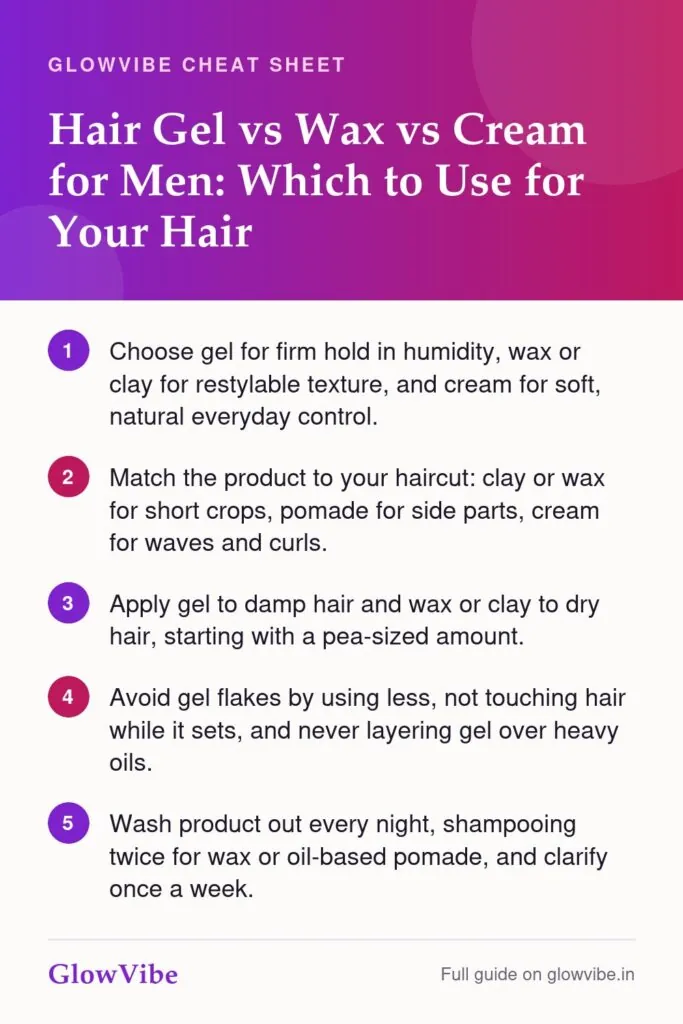
Start by matching the product to your haircut: wax or clay for short texture, clay or pomade for a quiff, pomade or cream for a side part, and cream for waves and curls. Use a pea-sized amount, apply gel to damp hair and wax to dry hair, and wash it out every night. Get those basics right and almost any good product will work for you.