Makeup Products List: Names and What Each One Does
A plain guide to what every common makeup product is called and what it does, grouped by face, eyes, lips and tools, with notes on which ones are optional.

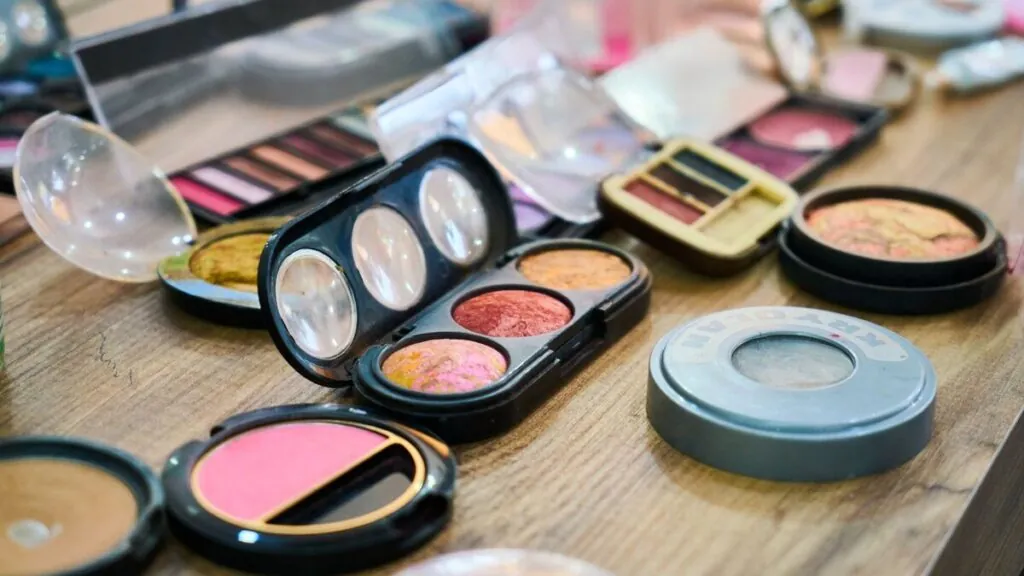
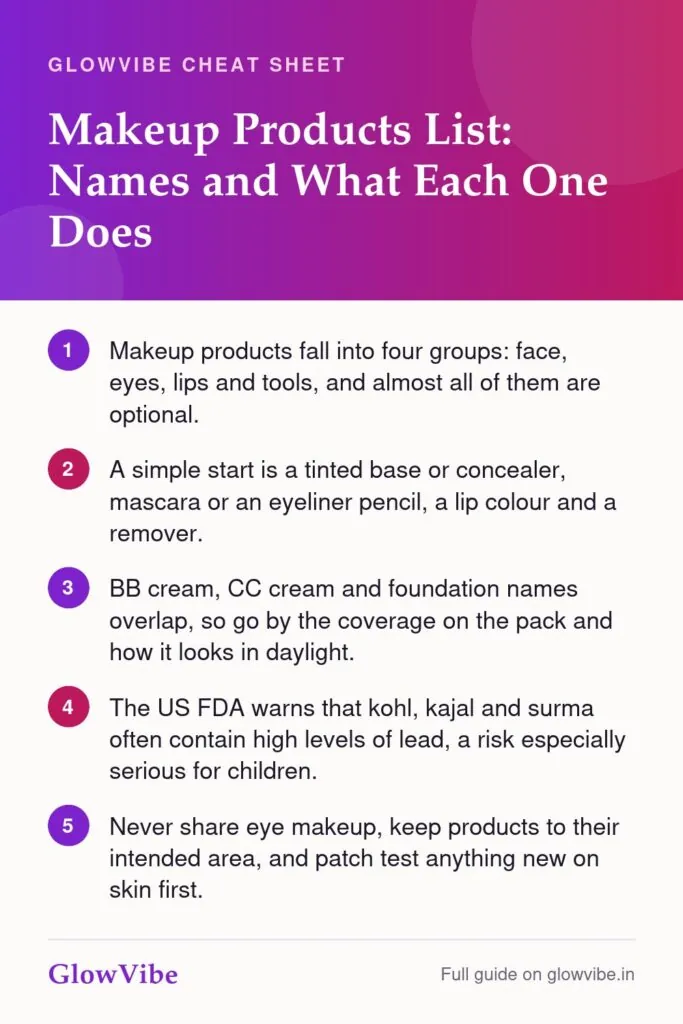
A complete makeup products list has four groups: face products such as foundation, concealer, powder and blush; eye products such as kajal, eyeliner, mascara and eyeshadow; lip products such as lipstick, lip liner and gloss; and tools such as brushes and sponges. Almost all of them are optional, and a beginner can start with three or four.
Use this page as a dictionary. Each table gives the name you will see on the shelf, what the product does in plain words, and whether it is worth buying early. No brands are named here, because the aim is to help you understand the words first.
The quick answer
- Face: primer, foundation, BB cream, CC cream, tinted moisturiser, concealer, colour corrector, loose powder, compact, blush, bronzer, contour, highlighter, setting spray.
- Eyes: kajal (read the lead warning in the eye section), eyeliner, mascara, eyeshadow, eye primer, brow pencil, brow gel, false lashes.
- Lips: lip balm, lipstick, liquid lipstick, lip crayon, lip tint, lip gloss, lip liner.
- Tools: brushes, makeup sponge, powder puff, eyelash curler, spoolie, tweezers, sharpener.
- A simple start: one light base or concealer, one eye product, one lip colour, and a way to take it all off.
Face makeup products and what they do
Face products fall into three jobs: evening out the skin (base), controlling shine and wear (setting), and adding colour or shape (cheek products).
| Name | What it does | For a beginner |
|---|---|---|
| Primer | A smoothing or gripping layer under makeup that helps it sit evenly and stay on | Optional |
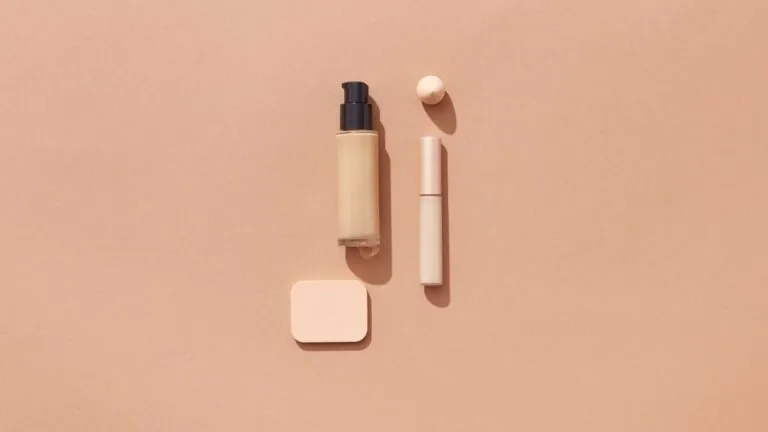
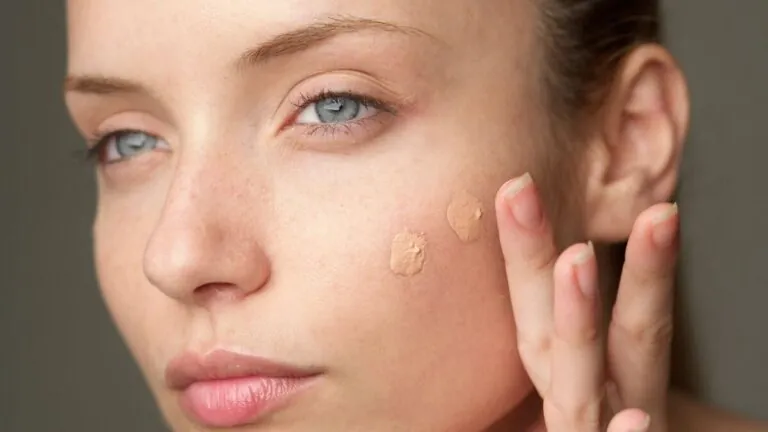
| Foundation | A liquid, cream, stick or powder base that evens out skin tone across the face | Optional |
| BB cream | A light tinted cream, usually sheerer than foundation | Good first base |
| CC cream | A light tinted cream usually sold for evening out uneven colour | Optional |
| Tinted moisturiser | Moisturiser with a little colour, usually the sheerest base | Good first base |
| Concealer | A thicker base for small areas such as under the eyes or around a spot | Useful early |
| Colour corrector | A peach, orange, green or lilac cream that balances a colour before concealer goes on | Skip at first |
| Loose powder | Fine powder that sets liquid and cream products and reduces shine | Optional |
| Compact | Powder pressed into a small case, often with a mirror, for touch-ups | Useful in humid weather |
| Blush | Adds colour to the cheeks; comes as powder, cream, liquid or stick | Useful early |
| Bronzer | Adds warmth where the sun would naturally touch the face | Skip at first |
| Contour | A cooler, deeper shade that adds soft shadow and shape | Skip at first |
| Highlighter | Adds sheen or shimmer to high points such as the cheekbones | Optional |
| Setting spray | A mist over finished makeup that helps it last and look less powdery | Optional; handy for long events |
Foundation, BB cream and CC cream
These names overlap, and brands use them loosely. One brand’s BB cream can give more coverage than another brand’s foundation, so go by the coverage described on the pack (sheer, medium or full) and by how it looks on your skin in daylight.
Whichever you choose, the shade should match your own skin at the jawline, not a lighter version of it. Makeup is not there to change your skin tone. If you are unsure where to begin, the undertone and shade finder can narrow things down.
Loose powder and compact
Both are powders, and in Indian shops “compact” usually means the pressed kind in a case. Loose powder tends to stay at home because it spills, while a compact travels well in a handbag during sticky summer or monsoon days. Types, finishes and application are covered in the face powder guide.
Eye makeup products and what they do
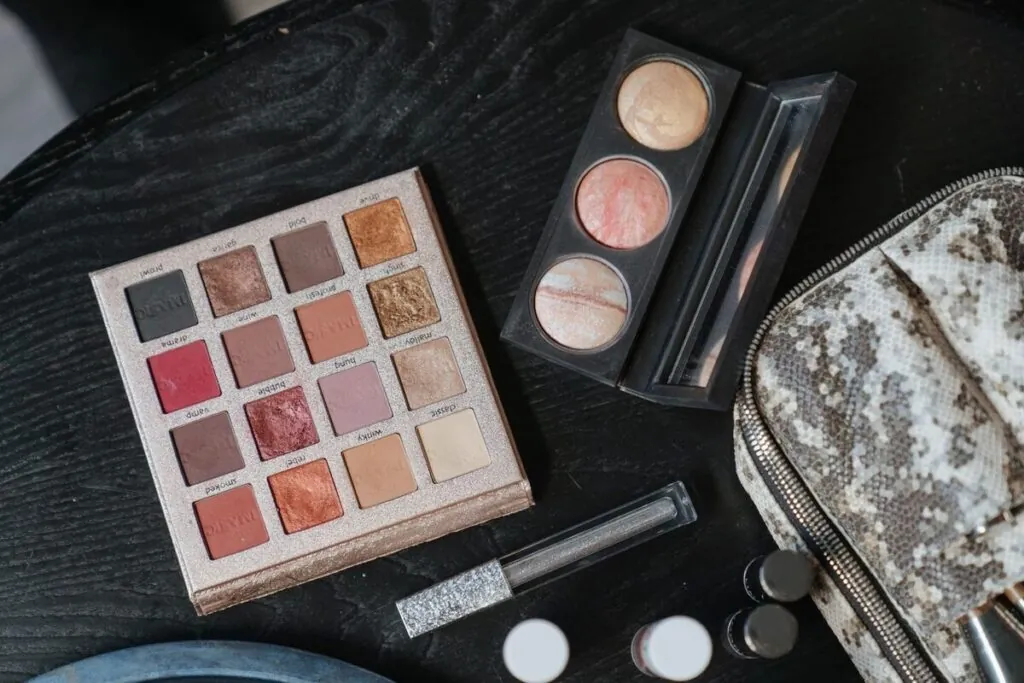
Eye products define the eye, add colour to the lid, or frame the eye through the lashes and brows. Kajal is a familiar first eye product in many Indian homes, but read the US FDA’s lead warning directly below the table before you buy or use it.
| Name | What it does | For a beginner |
|---|---|---|
| Kajal (kohl) | A soft, dark colour that defines the eye; commonly sold as a pencil or twist-up stick | Common buy, but see the FDA lead warning below first |
| Eyeliner | A sharper line along the lashes; comes as pencil, liquid, gel or felt-tip pen | Optional |
| Mascara | Coats the lashes so they look darker, longer or fuller | Useful early |
| Eyeshadow | Powder, cream or liquid colour for the eyelid | Optional |
| Eyeshadow palette | Several eyeshadow shades in one case | Skip at first |
| Eye primer | A thin base that helps eyeshadow show up and stay put | Skip at first |
| Brow pencil | Fills in sparse areas of the eyebrow with fine strokes | Optional |
| Brow gel | A clear or tinted gel that brushes brow hairs into place | Optional |
| False lashes | Strip or individual lashes attached with a lash glue | Skip at first |
A safety note on kajal, kohl and surma
The US Food and Drug Administration warns of a lead poisoning risk from traditional eye cosmetics containing kohl, kajal or surma, which it says often contain high levels of lead. It calls the risks of lead especially serious for children, and says exposure is avoidable by not using these products on your children or yourself and keeping them out of your home. It offers no way to tell a safe product by looking at it.
The FDA does not approve these materials as colour additives and treats them as illegal in US cosmetics, and it notes that some products have been falsely labelled as having “FDA approval”. That is a US rule, but the lead risk applies wherever a product is used, and a claim on the pack alone is not proof of safety.
Do not put kajal or surma on babies or children. Avoid homemade or unlabelled versions. If you still choose to wear a kajal pencil, read the full ingredient list and maker’s details first, though a label is not a guarantee. If your family has been exposed to one of these products, the FDA’s advice is to stop using it. If a child, or anyone pregnant or nursing, has been using kajal or surma, ask a doctor about a lead test.
Eyeshadow finishes
Matte has no shine, satin has a soft sheen, shimmer has visible sparkle, and metallic looks like foil. For a beginner, one neutral shade close to your skin tone and one deeper shade will do most of the work. If you want the full palette route later, this eyeshadow kit guide explains it.
Lip makeup products and what they do
Lips are the easiest place to start, since most products need no tools and a mirror is enough. Here are the names in brief; for finishes and building a small collection, see the lip makeup products guide.
| Name | What it does | For a beginner |
|---|---|---|
| Lip balm | Softens and protects lips; sometimes lightly tinted | Useful early |
| Lipstick | The classic bullet of colour, in matte, satin or creamy finishes | Useful early |
| Liquid lipstick | Applied with a wand; many dry down to a long-wearing matte | Optional |
| Lip crayon | Chunky pencil of colour that is easy to apply without a mirror | Optional |
| Lip tint or stain | A thin colour that clings to the lips rather than sitting on top; a tint is sheer, a stain is stronger | Good for a natural look |
| Lip gloss | Adds shine, with little or no colour | Optional |
| Lip liner | A pencil that outlines the lips and helps colour stay in place | Skip at first |
Keep lip liner for lips, too. The FDA specifically advises against using cosmetics near the eyes unless they are intended for that area, and gives lip liner used as eyeliner as the example.
Makeup tools and what they do
Clean fingers apply cream blush, concealer and tinted moisturiser perfectly well, so you can add tools slowly.
| Name | What it does | For a beginner |
|---|---|---|
| Foundation brush | A flat or dense brush that spreads liquid base | Optional |
| Powder brush | A large, soft, fluffy brush for loose or pressed powder | Useful early |
| Blush brush | A medium, rounded or angled brush for the cheeks | Optional |
| Eyeshadow brushes | A flat brush packs colour on; a fluffy one blends the edges | Optional |
| Angled brush | A thin, slanted brush for brows or gel liner | Skip at first |
| Makeup sponge | A soft sponge, usually used damp, that blends base and concealer | Useful early |
| Powder puff | A soft pad that presses powder onto skin, often included with a compact | Useful early |
| Eyelash curler | A small clamp that lifts lashes before mascara | Optional |
| Spoolie | A mascara-style wand for brushing brows and separating lashes | Optional |
| Tweezers | Remove stray brow hairs and help place false lashes | Optional |
| Pencil sharpener | Keeps eye, brow and lip pencils clean and precise | Useful if you buy pencils |
Wash brushes and sponges regularly with a mild cleanser and let them dry fully, especially in humid months when damp tools stay wet for longer.
What goes before and after makeup
These are skincare or removal products rather than makeup, but they often appear on makeup lists, so they are worth knowing.
- Moisturiser and sunscreen: go on first in the morning, before any base. Makeup with some SPF (sun protection factor)A measure of protection against UVB rays, which cause sunburn. SPF 30 blocks about 97% of UVB and SPF 50 about 98%, if you apply enough and reapply.See glossaryRead the guide does not replace your sunscreen.
- Micellar water: a water-like liquid used on cotton to lift makeup.
- Cleansing oil or balm: melts makeup and rinses away with water.
- Eye makeup remover: a liquid made for mascara and long-wear liner, used around the eyes.
If you are not sure which suits your skin, this guide on how to remove makeup properly walks through it by skin type.
Which makeup products are optional?
Strictly, all of them, because nobody needs makeup. If you would like to wear it, these tiers show what most beginners get use from first and what can wait.
| Tier | Products | Why |
|---|---|---|
| Start here | A tinted base or concealer, mascara or an eyeliner pencil, a lip colour, a remover | Covers a simple daily look with little skill needed |
| Add when you want more | Blush, compact, brow pencil, a sponge and a powder brush | Adds polish and helps makeup last in heat |
| Add for occasions | Foundation, setting spray, eyeshadow, eyeliner, lip liner, highlighter | Useful for weddings, parties and photos |
| Leave until you are curious | Colour corrector, contour, bronzer, false lashes, eye primer | Takes practice, and a simple look does not need them |
If you want to see how the first tier comes together on your face, this natural makeup routine for beginners goes through it step by step.
The usual order
- Moisturiser, then sunscreen.
- Primer, if you use one.
- Base, then concealer.
- Cream cheek products, then powder, then powder cheek products.
- Brows, eyeshadow, liner, then mascara.
- Lips, then setting spray if you use it.
Common mistakes
- Buying the whole list at once. Many products go unused and pass their useful life. Buy one at a time as you find a real need.
- Choosing a base lighter than your skin. It can show at the neck and look grey in daylight. Test on the jawline near a window.
- Using products outside their area. Check that anything going near your eyes is meant for the eye area.
- Sharing eye makeup or using shop testers on your eyes. The FDA advises against sharing eye cosmetics and warns that the contamination risk may be even greater with shop testers.
- Thinning dried mascara with water or saliva. The FDA says to throw out dried-up mascara instead.
- Skipping the Patch testTrying a small amount of a new product behind the ear or on the inner arm for a few days to check for a reaction before using it widely.See glossary. Try anything new on a small area of skin first, and stop if it stings, itches or swells. See a dermatologist for a reaction that does not settle, and an eye doctor for eye pain or swelling.
Frequently Asked Questions
A tinted base or concealer, mascara or an eyeliner pencil, a lip colour, and something to remove it all are enough. Add blush and a compact when you feel ready. You do not need primer, contour or a palette to begin.
Kajal is soft and smudgy and gives a diffused, dark look around the eye. Eyeliner gives a sharper, more defined line along the lashes. Read the safety note on kajal above before you choose one.
No. Foundation evens out skin tone, while a compact is mainly a pressed powder that reduces shine and sets makeup. Some powders give light coverage on their own, which is why people sometimes use a compact alone on a simple day.
No. Well-moisturised skin with sunscreen is a fine base for everyday makeup. A primer is more useful if your makeup slides off in humid weather or you need it to last through a long event.
Look for the small open-jar symbol on the pack, which shows how many months the maker suggests using it after opening. The FDA says manufacturers usually recommend discarding mascara two to four months after purchase. Throw out anything that has changed in smell, colour or texture.
Ask your doctor first if you are pregnant, nursing or have a medical condition, especially about kajal, kohl and surma. For children, check with a doctor before using any makeup, and do not use kajal or surma on them at all.
Quick poll
How much do you usually spend on one beauty product?
The bottom line
Makeup names sound like a long list, but each product does one simple job: even out, set, add colour or define. Learn what the names mean, buy only what answers a real need, and add the rest later if you are curious. Skipping all of it is a perfectly good choice too.