
Lip Scrub: Benefits, How to Use It and Easy DIY Recipes (2026)
What a lip scrub does, how to use it step by step, how often to scrub, how to prep lips before lipstick, gentle tips for sensitive lips and simple DIY recipes.


A lip scrub is a gentle exfoliator that lifts away the dry, flaky skin on your lips so balm sinks in better and lipstick goes on smoothly. To use one, massage a small amount over clean lips for 30–60 seconds, wipe it off with a damp cloth and follow straight away with a nourishing lip balm, once or twice a week.
Below: what a lip scrub does, which type suits you, a step-by-step routine, lipstick prep, care for sensitive lips and simple DIY recipes.
What Is a Lip Scrub?
A lip scrub is a mix of fine exfoliating particles and a rich, moisturising base. The particles (usually sugar) loosen dead skin, while the base (oils, butters or honey) cushions the lips so the scrub does not feel harsh.
Lip skin is very different from the skin on your cheeks. It is much thinner, has almost no oil glands of its own and loses water quickly. That is why lips dry out and flake first when the weather turns, and why they need a softer scrub than your face.
Most lip scrubs contain two parts:
- An exfoliant: fine sugar is the most common because it dissolves as you work it in. Some products use finely ground coffee, while gentler “chemical” lip exfoliators use mild acids instead of grains.
- A softening base: coconut oil, almond oil, shea butter, cocoa butter, beeswax or honey to soften and protect the lips while you scrub.
Benefits of Lip Scrub: Why It Matters
A lip scrub is not a must-have every day, but used now and then it makes a visible difference, especially during dry Indian winters, in air-conditioned offices or if you wear matte lipstick often.
- Removes flakes: it lifts the dry, peeling bits that build up when lips are chapped, leaving them smoother to touch.
- Helps balm work better: with the flaky layer gone, your lip balm spreads evenly instead of sitting on top of dead skin.
- Smoother lipstick application: lipstick, especially matte and liquid formulas, glides on evenly and does not catch on dry patches.
- Lips look softer and fresher: the gentle massage brings a temporary flush of colour, so lips can look a little rosier for a while.
One honest note: a lip scrub does not lighten naturally pigmented or dark lips. Many Indian lips have deeper or uneven natural colour, and that is normal. Scrubbing harder will not change it and can actually irritate lips and make them look darker. Daily sun protection with an SPF lip balm is the more useful habit if you are worried about darkening.
Types of Lip Scrubs Compared
Not all lip scrubs feel the same. Here is how the common types stack up so you can pick the right one for your lips.
| Type | How it works | Best for | Watch out for |
|---|---|---|---|
| Sugar scrub | Fine sugar grains loosen flakes, then dissolve | Most people, including beginners | Coarse granulated sugar can be too rough; pick fine or caster sugar |
| Coffee scrub | Ground coffee gives a grittier polish, usually with oils | Normal, very flaky lips that are not sensitive | Grains do not dissolve, so it can feel scratchy; rinse well |
| Chemical / AHA lip exfoliator | Mild acids (such as lactic acid or PHAs) in a balm or mask loosen dead skin without rubbing | People who dislike gritty textures | Can sting chapped lips; not to be stacked with physical scrubs |
| DIY scrub | Sugar mixed with honey or oil at home | Budget, quick fixes, controlling ingredients | Make small batches; no lemon, salt or baking soda |
| Washcloth or soft toothbrush | Gentle buffing after a balm has softened the lips | Sensitive lips and very mild flaking | Use a very soft brush and light pressure only |
Store-bought scrubs are convenient, have a consistent texture and usually last longer in the jar. DIY scrubs cost very little and let you skip fragrance or flavouring. Both work well when used gently.
How to Use a Lip Scrub: Step by Step
If you have been wondering how to use a lip scrub without leaving your lips sore, the secret is light pressure and a good balm afterwards. Follow these steps:
- Start with bare lips. Remove lipstick completely, especially long-wear or liquid formulas, with a gentle makeup remover or oil.
- Dampen your lips slightly. A little water helps the scrub glide. Doing this after a warm shower works well because the steam softens dry skin.
- Take a small amount. About a pea-sized amount is plenty for both lips. Use a clean fingertip or spatula rather than dipping a wet finger into the jar.
- Massage in small circles for 30–60 seconds. Keep the pressure feather-light. Cover the whole lip, including the corners and the edge of the lip line where flakes collect.
- Wipe or rinse off. Use a soft, damp cloth or lukewarm water. Avoid hot water, which dries lips further.
- Moisturise right away. Apply a thick lip balm, petroleum jelly or a lip mask to seal in moisture. This step matters as much as the scrub itself.
- Protect during the day. If you scrub in the morning, finish with a lip balm that has SPF, because freshly exfoliated lips are more exposed to the sun.
The best time for most people is at night. Scrub, apply a generous layer of balm and let it work while you sleep. You will wake up to noticeably softer lips.
How Often Should You Use a Lip Scrub?
Once or twice a week is enough for most lips. In peak winter, or if you wear matte lipstick daily, two times a week usually works well. In humid months you may need it only once every week or two.
Scrubbing every day is a common mistake. Lip skin is thin, and over-exfoliating leaves it raw, tight and more likely to peel, which is exactly what you were trying to fix. If your lips sting when you apply balm, take a break for a week.
Why Is Lip Care Important Before Lipstick?
Lipstick shows every flake and line on your lips. Matte and liquid lipsticks in particular dry down and cling to rough patches, so they look patchy, settle into lines and start cracking within a few hours. Caring for your lips first gives you a smooth, even surface so the colour looks the way it does in the bullet.
If you love bold mattes, our guide to choosing a matte liquid lipstick set pairs well with this prep routine.
Quick lip prep before lipstick
- Scrub the night before (or at least 15–20 minutes before) so any slight redness settles.
- Apply a thin layer of lip balm and let it sit for a few minutes while you do the rest of your makeup.
- Blot off the extra with a tissue. Too much balm makes lipstick slide and smudge.
- Line and apply your lipstick. A lip liner helps keep colour from feathering, especially with deeper shades.
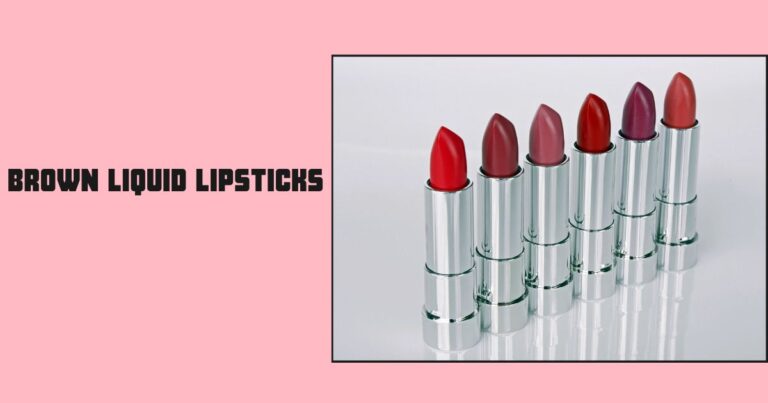
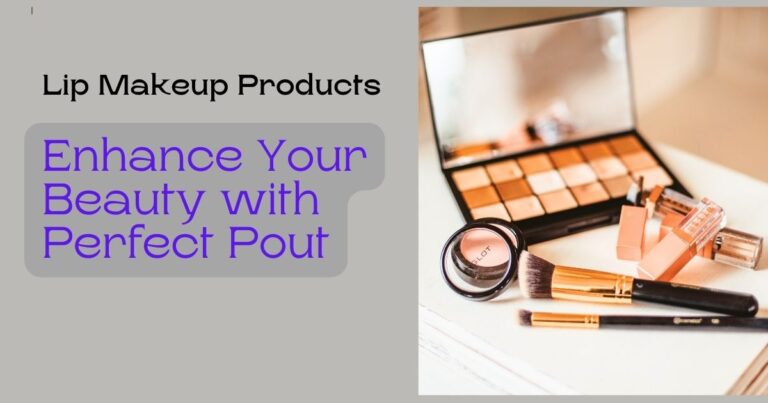
For shade ideas that flatter Indian skin tones, browse our picks of brown liquid lipstick shades and the wider roundup of lip makeup products.
Lip Scrub for Sensitive Skin and Lips
If your lips get red, itchy or tingly easily, you can still exfoliate. You just need a gentler approach and simpler ingredients.
- Choose fine sugar over coffee or salt. Fine grains that dissolve are kinder than sharp, hard particles.
- Skip fragrance, flavouring and essential oils. Mint, cinnamon, citrus and strong “flavoured” scrubs are frequent triggers for irritation.
- Try the balm-and-cloth method. Apply a thick balm, leave it for 10 minutes, then gently wipe with a soft damp cloth. The softened flakes come away with almost no friction.
- Scrub less often. Once a week, or even once every two weeks, is plenty.
- Patch test first. Before using any new scrub or DIY mix, dab a little on your inner arm or just below the jawline and wait 24 hours. If you see redness, itching or swelling, do not use it on your lips.
Never scrub lips that are cracked, bleeding, sunburnt or have a cold sore. Exfoliating broken skin can make it worse and, with cold sores, can spread the infection. For more on building a calm routine, see our guide to products for sensitive skin.
Easy DIY Lip Scrubs You Can Make at Home
Homemade scrubs are cheap, quick and work just as well for basic flaking. Make a small batch, use it within a week, and keep it in a clean, dry, airtight container away from heat.
1. Sugar and honey scrub
Mix 1 teaspoon of fine sugar with 1 teaspoon of honey. Honey helps lips hold on to moisture and makes the mix sticky enough to stay put. Good for dry, winter lips. Avoid if you are allergic to honey or bee products.
2. Sugar and coconut oil scrub
Mix 1 tablespoon of fine sugar with 1 teaspoon of coconut oil (melt it slightly in winter). This one leaves a soft, oily layer behind, so you may not even need much balm afterwards. Almond oil or olive oil works in place of coconut oil.
3. Extra-gentle sugar, honey and oil mix
Combine 1 tablespoon of fine sugar, 1 teaspoon of honey and 1 teaspoon of coconut or almond oil. The extra oil cushions the grains, which makes this version a better fit for sensitive or easily irritated lips.
What to leave out: lemon juice (it stings and can make skin more sensitive to sunlight), salt (too sharp and stings small cuts), baking soda (too harsh) and toothpaste (irritates lip skin). These often show up in “lip lightening” hacks online, but they do more harm than good.
Common Lip Scrub Mistakes to Avoid
- Scrubbing too hard: pressure does not remove more flakes; it just makes lips sore. Let the grains do the work.
- Scrubbing too often: daily scrubbing strips lips and causes more peeling. Stick to once or twice a week.
- Using a face or body scrub on your lips: these often have larger, harder particles and ingredients not meant for lips. Use something made for lips or a gentle DIY mix.
- Skipping the balm afterwards: freshly exfoliated lips lose moisture fast. Always seal with a balm or petroleum jelly.
- Licking your lips: saliva evaporates quickly and leaves lips drier than before. Reach for balm instead.
- Peeling flakes with your teeth or fingers: this tears healthy skin underneath. Soften flakes with balm and let a gentle scrub remove them.
- Combining scrubs with acid exfoliators: using a gritty scrub and an AHA lip product together is too much for thin lip skin. Choose one.
A scrub only solves part of the problem. Drinking enough water, using a humidifier or a bowl of water near the heater in dry winters, and wearing balm through the day all help. Our winter skincare routine for dry skin covers the rest of your face too.
When to See a Dermatologist
Ordinary chapped lips usually improve within a week or two of regular balm. See a dermatologist if your lips crack, bleed or simply will not heal despite good care, if the corners of your mouth stay sore and split, or if you notice swelling, persistent itching, blisters or a patch that changes in colour or texture.
These can be signs of an allergy (sometimes to a lipstick, toothpaste or balm), an infection or another skin condition that needs proper treatment. A dermatologist is also the right person to ask about lip pigmentation.
Frequently Asked Questions
What is a lip scrub used for?
A lip scrub is used to gently remove dry, flaky skin from your lips. This leaves them smoother, helps lip balm absorb better and gives lipstick an even surface to sit on.
How do you use a lip scrub correctly?
Apply a pea-sized amount to clean, slightly damp lips and massage in light circles for 30–60 seconds. Wipe it off with a soft damp cloth and apply a thick lip balm immediately afterwards.
Should I use a lip scrub before or after lip balm?
Use the scrub first, then the balm. The scrub clears away flakes, and the balm locks in moisture on the fresh skin. If your lips are sensitive, you can apply balm first to soften flakes, wipe gently, and then reapply balm.
Can I use a lip scrub every day?
It is best not to. Daily scrubbing is too much for thin lip skin and can cause soreness and more peeling. Once or twice a week is enough for most people.
Is a lip scrub good for sensitive lips?
Yes, if you keep it gentle. Choose a fragrance-free scrub with fine sugar and plenty of oil, use it once a week, and patch test first. Skip it completely when lips are cracked, bleeding or sunburnt.
Can a lip scrub lighten dark lips?
No. A lip scrub removes dry flakes, which can make lips look smoother and a little brighter, but it does not change your natural lip colour. Using an SPF lip balm daily and avoiding habits like lip licking and smoking are more helpful, and a dermatologist can advise on pigmentation concerns.
Can I use my face scrub on my lips?
It is better not to. Face scrubs often contain larger or harder particles and active ingredients that are too rough for lips. A lip-specific scrub or a simple sugar and honey mix is a safer choice.
The Bottom Line
A lip scrub is a small step that makes a real difference: smoother lips, balm that actually works and lipstick that looks even all day. Keep it gentle, use it once or twice a week, and always follow with a good balm, plus SPF during the day.
Store-bought or homemade, treat your lips softly, skip harsh “hacks”, and see a dermatologist if they crack, bleed or refuse to heal.

Join the conversation