Gel vs Cream Sunscreen: Which Texture Suits Your Skin? (2026)
Gel, cream, lotion, fluid, spray or stick? Find the sunscreen texture that suits your skin type and India's seasons, with SPF and PA explained.

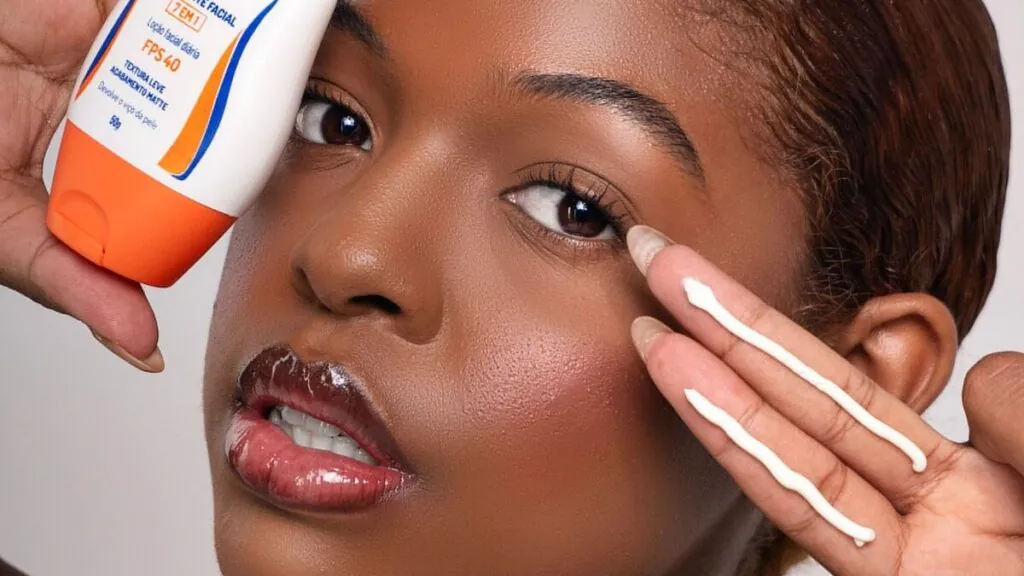
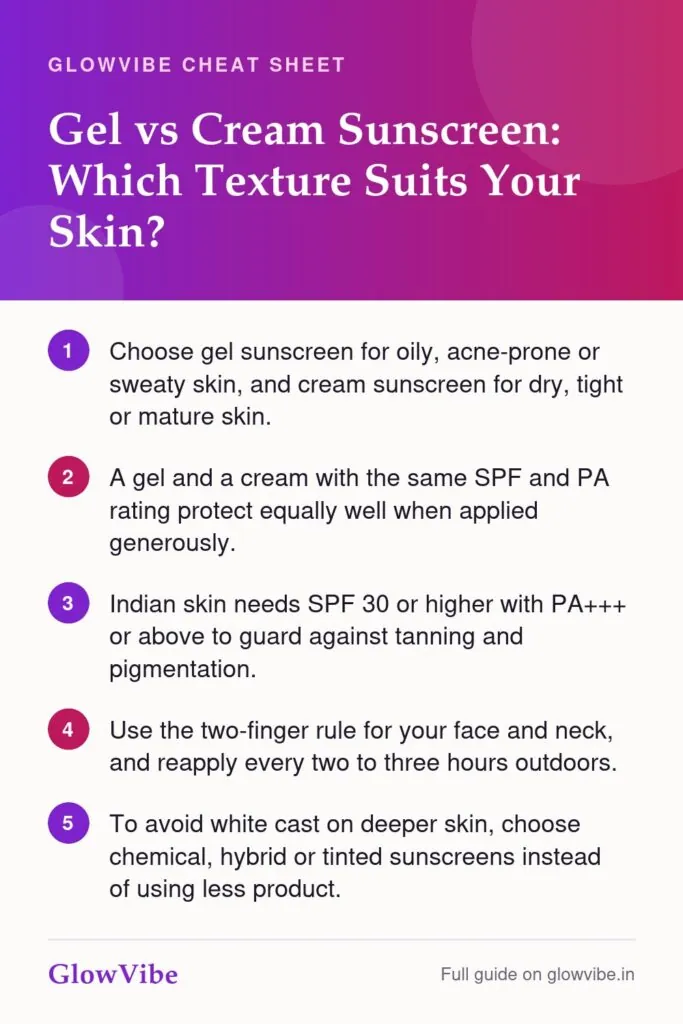
In the gel vs cream sunscreen choice, pick a gel if your skin is oily, acne-prone or sweats a lot in Indian heat and humidity; pick a cream if your skin is dry, mature or tight, especially in winter. Both protect equally well when they carry the same SPF (sun protection factor)A measure of protection against UVB rays, which cause sunburn. SPF 30 blocks about 97% of UVB and SPF 50 about 98%, if you apply enough and reapply.See glossaryRead the guide and PA rating, so the right texture is simply the one you will apply generously every single day.
A sunscreen that feels greasy or leaves a grey film usually ends up unused, so texture matters. This guide compares every common format sold in India (gel, cream, lotion, fluid, spray and stick), matches them to your skin type and the season, explains SPF and PA in one table, and covers how much to apply, how to reapply over makeup and how to avoid a white cast on deeper skin tones.
Quick verdict by skin type
- Oily skin: gel or fluid, labelled oil-free or matte.
- Acne-prone skin: gel or light fluid, labelled Non-comedogenicA label meaning a product is formulated not to clog pores. Useful for acne-prone skin, though it is not a regulated or guaranteed claim.See glossaryRead the guide, without heavy oils or strong fragrance.
- Dry skin: cream or rich lotion with GlycerinOne of the most common and effective humectants. It draws water into the skin and is found in most moisturisers and cleansers.See glossary, CeramidesFats that naturally hold skin cells together like mortar between bricks. Moisturisers with ceramides help support a dry or damaged skin barrier.See glossaryRead the guide or Hyaluronic acidA humectant that holds water in the skin for a plump, hydrated look. Despite the name, it is not an exfoliating acid. Apply on damp skin.See glossaryRead the guide.
- Combination skin: lotion or fluid all over, or gel on the T-zone and cream on dry cheeks.
- Sensitive skin: a Fragrance-freeA product with no added perfume or essential oils for scent. Often the safer pick for sensitive or reactive skin. "Unscented" can still contain masking fragrance.See glossary mineral or hybrid cream or lotion.
- Reapplying on the go: stick or spray, as a top-up rather than your main layer.
Gel vs cream sunscreen: side-by-side comparison
| Factor | Gel sunscreen | Cream sunscreen |
|---|---|---|
| Feel | Light, watery, cooling | Richer, cushiony, moisturising |
| Finish | Matte to natural | Natural to dewy |
| Best skin types | Oily, acne-prone, combination | Dry, mature, normal to dry |
| Best season | Summer and monsoon | Winter, or year-round for dry skin |
| Under makeup | Usually sits well, works like a light primer | Good on dry skin; can slide on oily skin |
| Common bases | Water, alcohol, silica, SiliconesIngredients like dimethicone that coat hair (and skin) for slip, shine and frizz control. Heavier ones can build up and need a clarifying wash.See glossaryRead the guide | EmollientAn ingredient that softens and smooths skin or hair by filling gaps between cells, such as squalane, shea butter or plant oils.See glossary, oils, butters |
| Possible downsides | Alcohol-heavy gels can sting or dry sensitive skin | Can feel heavy or cause breakouts on oily skin |
| White cast | Usually minimal | More likely if it is a mineral formula |
All six sunscreen textures, explained
Gel
Gels are water- or alcohol-based and absorb quickly, which makes them the favourite for oily skin in Indian summers. Look for terms such as oil-free, matte or non-comedogenic. Well-known examples in India include Re’equil Ultra Matte Dry Touch Sunscreen Gel and Neutrogena Ultra Sheer Dry-Touch Sunscreen, which is closer to a light lotion. If your skin is sensitive, check whether alcohol (often listed as alcohol denat.) is near the top of the ingredient list, because it can sting.
Cream
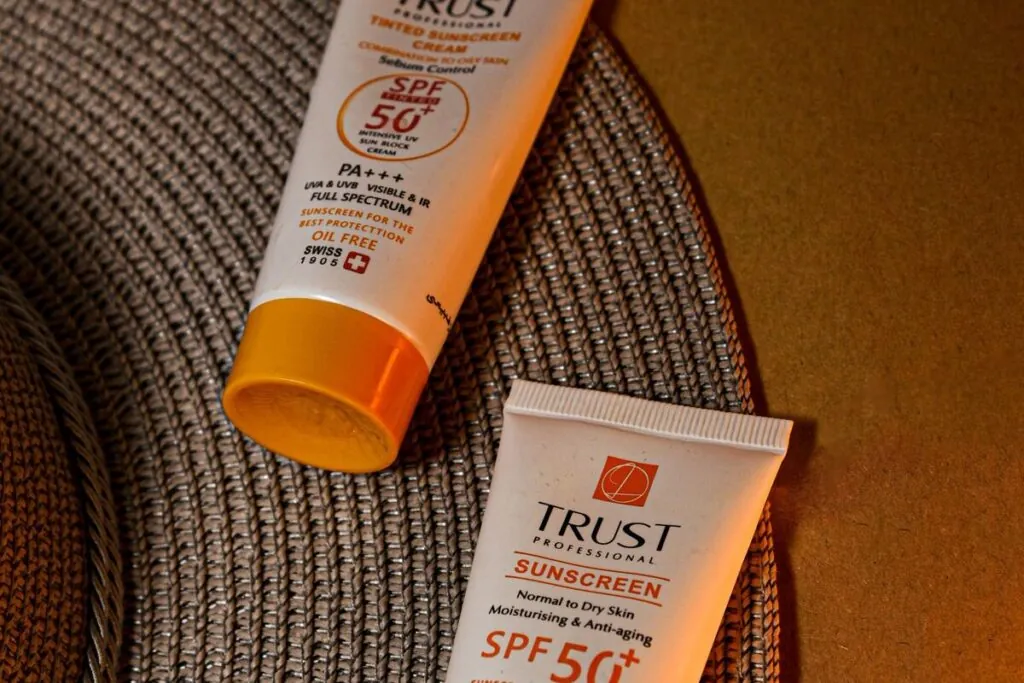
Creams contain more emollients, so they double as a moisturiser. They are ideal for dry skin, for winter in north India, and for anyone whose face feels tight after cleansing. Many mineral sunscreens come as creams, which is useful for sensitive skin.
Lotion
Lotions sit between gel and cream: light enough for normal and combination skin, but with enough slip to feel comfortable. They are also the most practical choice for body sunscreen, since they spread easily over arms, neck and back.
Fluid
Fluids are very thin, almost liquid sunscreens that you shake before use. They give a near-invisible finish and layer well under makeup. They suit oily and combination skin, and many people with dry skin like them under a moisturiser.
Spray
Sprays are convenient for the body and for quick top-ups, but it is hard to apply enough on your face from a spray alone. Do not spray a body sunscreen straight at your face; spray it into your palm and pat it on. If you use a mist made for the face, close your eyes and hold your breath while spraying. Avoid inhaling it, and do not use aerosols near an open flame.
Stick
Sticks are solid balms that you swipe on. They are mess-free and great for the nose, cheekbones, ears and around the eyes, and for reapplying over makeup. Because a stick spreads thinly, you need several slow passes over each area to get proper protection.
Which texture suits you in summer, monsoon and winter
India’s weather changes dramatically through the year, and your sunscreen can change with it.
| Skin type | Summer | Monsoon | Winter |
|---|---|---|---|
| Oily | Matte gel | Gel or fluid | Fluid or light lotion |
| Acne-prone | Non-comedogenic gel | Gel or fluid | Light lotion |
| Dry | Lotion or light cream | Lotion | Cream |
| Combination | Fluid or gel | Gel or fluid | Lotion |
| Sensitive | Fragrance-free mineral lotion | Mineral fluid or lotion | Mineral cream |
Summer
Heat and sweat make heavy formulas slide and clog pores. Oily and acne-prone skin does best with matte gels. Dry skin can switch from a cream to a lighter lotion. For the rest of your routine around it, our oily face skincare routine explains where sunscreen fits with cleanser and moisturiser.
Monsoon
Humidity is high but the sun still comes through clouds. Gels and fluids feel best for most people, and water-resistant formulas are worth it if you are outdoors and get caught in the rain. UV levels can stay high on cloudy days, so do not skip it.
Winter
Cold, dry air makes skin tighter, so even oily skin may want a lotion instead of a matte gel. Dry skin benefits from a cream. And yes, you still need protection: UVA rays, which drive tanning and pigmentation, reach your skin all year. Our guide on why you still need sunscreen in winter in India covers this in detail, and the winter skincare routine for dry skin shows how to pair it with a richer moisturiser.
Chemical vs mineral filters, in brief
The texture is one choice; the filter type is another. Gels, creams and lotions can contain either.
- Chemical (organic) filters such as avobenzone, octocrylene, bemotrizinol (Tinosorb S) and bisoctrizole (Tinosorb M) absorb UV rays. They usually feel lighter and leave little or no white cast.
- Mineral (physical) filters are zinc oxide and titanium dioxide. They are often gentler on sensitive or reactive skin, but they are more likely to leave a white or grey cast.
- Hybrid sunscreens combine both, aiming for gentle protection with a better finish.
There is no single best type. If chemical sunscreens make your eyes water or your skin sting, try a mineral one. If mineral sunscreens look ashy on you, try a chemical or tinted formula.
SPF and PA explained
SPF measures protection against UVB rays, which cause sunburn. PA measures protection against UVA rays, which cause tanning, pigmentation and skin ageing. Indian skin, which tans and pigments easily, needs both. Look for “broad spectrum” along with a high PA rating.
| Label | What it protects against | What the number means | What to choose |
|---|---|---|---|
| SPF 15 | UVB | Blocks about 93% of UVB when applied correctly | Too low for Indian daylight |
| SPF 30 | UVB | Blocks about 97% of UVB | Minimum for daily use |
| SPF 50 | UVB | Blocks about 98% of UVB | Best for long hours outdoors |
| PA+ to PA++ | UVA | Low to moderate UVA protection | Not enough for pigmentation-prone skin |
| PA+++ | UVA | High UVA protection | Good for daily city use |
| PA++++ | UVA | Very high UVA protection | Best for tanning, pigmentation and melasma |
These numbers only apply when you use enough product, which brings us to the most common sunscreen mistake.
How much to apply: the two-finger rule
Labs test SPF using a thick layer of 2 milligrams per square centimetre of skin. Most people apply a quarter to half of that, which means they get far less protection than the bottle promises.
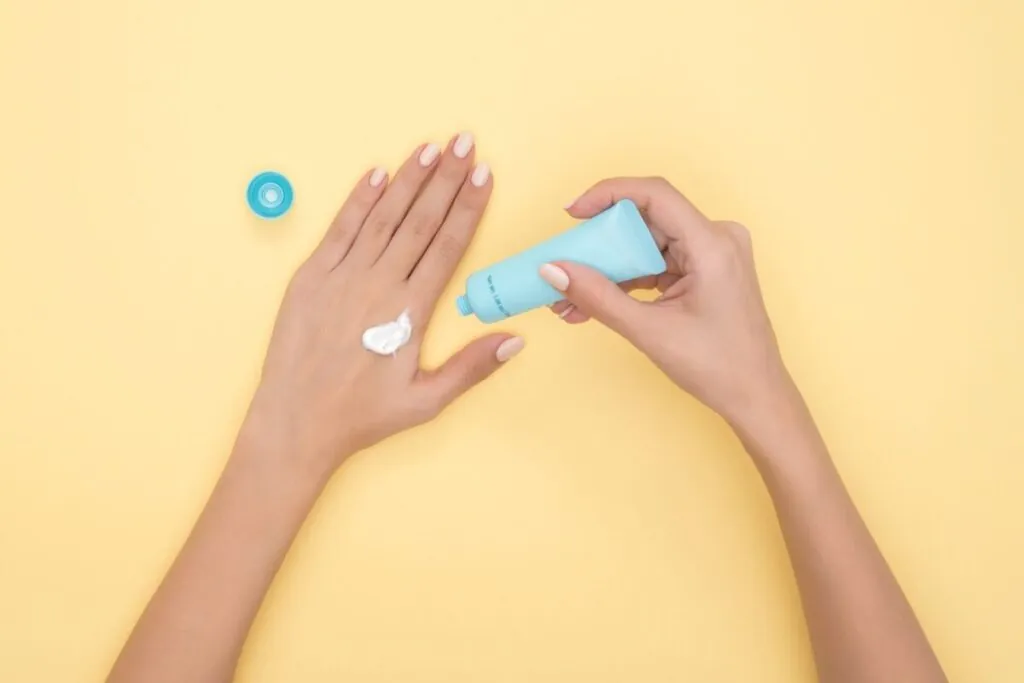
The two-finger rule is the easiest way to get it right. Squeeze sunscreen along the full length of your index and middle fingers. That amount covers your face and neck. With a spray or fluid, use about a quarter teaspoon for the face alone, and a little more for the neck.
- Apply after moisturiser and before makeup, as the last step of your morning skincare.
- Dot it over your forehead, cheeks, nose and chin, then spread evenly.
- Do not forget your ears, neck, the back of your neck and the edge of your hairline.
- Wait a few minutes before makeup.
- Reapply every two to three hours when you are outdoors, and after sweating, swimming or towelling your face.
Reapplying over makeup
Reapplying is where most people give up, because no one wants to wash off their makeup at lunch. These options make it easier.
- Sunscreen stick: swipe it over your cheeks, nose and forehead with several slow passes, then pat gently with your fingertips.
- SPF mist or spray: close your eyes and hold your breath, mist a few times, and let it dry. Good for a fresh layer over makeup.
- Fluid on a damp sponge: press a thin layer of fluid sunscreen into the skin with a damp sponge. Pressing rather than rubbing keeps foundation in place.
- SPF powder: useful for blotting shine and adding a little protection, but you cannot apply enough powder to rely on it alone.
If your foundation tends to separate over sunscreen, our guide to common foundation mistakes explains how to prep the base.
White cast on deeper skin tones
White cast is the chalky, grey or purple tint some sunscreens leave, and it shows up most on medium-to-deep brown skin. It usually comes from zinc oxide and titanium dioxide in mineral formulas.
How to avoid it
- Choose chemical or hybrid formulas if a white cast bothers you; most gels and fluids leave little or none.
- Try a tinted sunscreen: tints made with iron oxides blend into brown skin and also help protect against visible light, which can worsen melasma.
- Look for micronised or “sheer” zinc if you need a mineral formula for sensitive skin.
- Apply in two thin layers instead of one thick one, letting the first settle for a minute.
- Test in daylight: check your face near a window or outdoors, and on camera if you are photographed often.
Never reduce the amount you apply just to hide a white cast. Switch the product instead.
Can you use both gel and cream sunscreen?
Yes. Many people with combination skin use a gel on the oily T-zone and a cream on dry cheeks, or switch from gel in summer to cream in winter. Layering two sunscreens does not add their SPF numbers together, so focus on applying one generous, even layer of each where you need it.
Common mistakes to avoid
- Choosing by SPF alone: a high SPF with a low PA still leaves you exposed to tanning UVA.
- Using too little: half the amount gives far less protection than the label says.
- Skipping it indoors near windows or on cloudy days: UVA passes through glass and clouds.
- Relying on makeup with SPF: you never apply enough foundation to reach the stated SPF.
- Using expired or heat-damaged sunscreen: do not leave the tube in a hot car or bag for weeks.
- Not patch testing: try any new sunscreen on your jawline for a few days first, especially if your skin is sensitive or acne-prone.
Frequently Asked Questions
Gel is usually better for oily skin because it is light, absorbs quickly and often leaves a matte finish. Look for oil-free and non-comedogenic on the label. A light fluid is a good alternative if gels feel drying.
No. Protection depends on the filters and the SPF and PA rating, not the texture. A gel and a cream with the same rating protect equally well if you apply the same generous amount.
It can be, if it is labelled non-comedogenic and is not rich in heavy oils. Many people with acne still prefer gels or fluids, especially in summer. If you have frequent breakouts, see a dermatologist, who can suggest a sunscreen that suits your treatment.
Yes, but carefully and not as your only layer. Spray it into your palm and pat it on, or mist your face with your eyes closed and breath held. It is best used as a top-up over a properly applied base sunscreen.
Not necessarily, but many people switch to a slightly richer texture as skin gets drier. Oily skin may move from a matte gel to a lotion, and dry skin may move from a lotion to a cream. Keep the SPF and PA rating the same.
Gels and fluids with chemical filters usually leave the least white cast. If you prefer mineral sunscreen, look for tinted versions that blend into brown skin.
Quick poll
How often do you wear sunscreen?
The bottom line
The best sunscreen is the one you will wear generously every day. Choose gel or fluid for oily, acne-prone and humid-weather skin, cream for dry skin and winter, a mineral formula if your skin is sensitive, and a stick or spray for top-ups. Use the two-finger rule, pick SPF 30 or above with PA+++ or higher, and reapply when you are outdoors.